私たちが今日「科学者」と呼ぶ人々は、特定の科学分野における専門知識を持ち、体系的な「科学的方法」を用いて未知の知見を追求する専門家です。しかし、この呼称や役割は歴史の中で劇的に変化してきました。かつては哲学の一環であった自然への探求が、どのようにして独立した専門職へと進化したのか、その軌跡を辿ります。
Key Facts
- 「科学者(Scientist)」という言葉は1833年にウィリアム・ウィウェルによって造られた。
- 近代以前、科学的な探求を行う人々は主に「自然哲学者」と呼ばれていた。
- 現代の科学者の多くは、大学院での研究を経て博士号(PhD)を取得することで専門性を証明する。
- 科学者の活動領域は、大学などのアカデミアだけでなく、産業界、政府機関、非営利団体まで多岐にわたる。
- 科学の分野は、大きく分けて自然科学、社会科学、形式科学、および応用科学に分類される。
科学者の起源と「自然哲学」の時代
古代において、現代のような意味での「科学者」という概念は存在しませんでした。代わりに、自然界の仕組みを研究していたのは「自然哲学者」と呼ばれる人々でした。紀元前6世紀頃のタレスは、宇宙の出来事を神の意志ではなく自然な現象として説明しようとしたため、最初期の科学的アプローチをとった人物の一人と見なされています。
古代ギリシャの哲学者アリストテレスは、自然哲学と科学の理解に計り知れない影響を与え、その思想は2000年以上にわたって支配的でした。
!["No one in the history of civilization has shaped our understanding of science and natural philosophy more than the great Greek philosopher and scientist Aristotle (384–322 BC), who exerted a profound and pervasive influence for more than two thousand years" —Gary B. Ferngren[12]](/images/f1/a6/f1a65da8960d73c496cc6d613fad11220a0eca711b075a52b49fb99e618dd889.webp)
中世に入ると、知識は「三学(トリヴィウム)」と「四科(クアドリヴィウム)」に分けられ、天文学を含む数学や自然哲学が中心となりました。また、イスラム黄金時代には多くの博識家(ポリマス)が登場し、現代の専門分化が進む前の統合的な知の探求が行われていました。
科学革命と専門性の誕生
16世紀から始まった「科学革命」により、科学は現代に近い形態へと進化しました。ルネサンス期にはレオナルド・ダ・ヴィンチが解剖学や古生物学で先駆的な観察を行い、ガリレオ・ガリレイは望遠鏡などの器具を改良して太陽系の詳細な観測を実現し、「近代科学の父」と称されるようになりました。
![Johannes Kepler, one of the founders and fathers of modern astronomy, the scientific method, natural and modern science.[15]](/images/00/91/009140aefd982c498496dc9b360a75c9621ac8d7e3eb2e2ed29f1d5ca3fc6988.jpg)
その後、実験生物学の基礎を築いたフランチェスコ・レディや、物理学の統合を成し遂げたアイザック・ニュートンなどの登場により、科学的方法はさらに洗練されていきました。
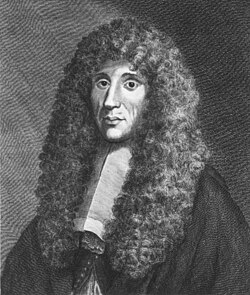
![Isaac Newton, who is regarded as "the towering figure of the Scientific Revolution",[16] and who achieved the first great unification in physics, created classical mechanics, calculus and refined the scientific method.](/images/88/60/88606565597718dc01c3028cf41df1bd3a487fcc8e8ece5118cc0db3f5c5a8e2.webp)
また、鉱物学の父とされるゲオルギウス・アグリコラや、電池を発明したアレッサンドロ・ボルタなど、特定の分野で画期的な成果を上げる人物が次々と現れました。
![Georgius Agricola gave chemistry its modern name. Generally referred to as the father of mineralogy and the founder of geology as a scientific discipline.[13][14]](/images/cd/76/cd761f229fbd9b0870ac019603836bdaf5831deeddd1c67f796c660b1aa29c8d.jpg)
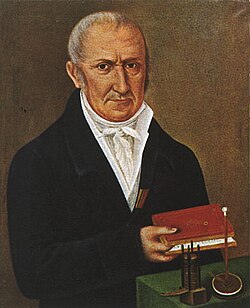
「科学者」という言葉の誕生
19世紀まで、研究者は一般に「自然哲学者」や「科学に携わる人々(men of science)」と呼ばれていました。しかし、化学者や数学者といった専門分化が進むにつれ、「哲学者」という広範な言葉では彼らの活動を十分に表現できなくなりました。
そこで1833年、ウィリアム・ウィウェルがメアリー・ソマーヴィルの業績を評する中で、アーティスト(Artist)になぞらえて「サイエンティスト(Scientist)」という造語を提案しました。この言葉は当初こそ受け入れられませんでしたが、19世紀後半から20世紀にかけて世界的に普及し、専門職としての地位を確立しました。
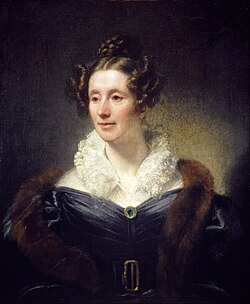
現代の科学者のキャリアと教育
現代において科学者になるための法的な免許制度はありませんが、一般的には大学や研究機関での高度な教育が不可欠です。多くの専門家は大学院で研究に従事し、博士号(PhD)を取得します。この過程では、指導教授のもとで専門分野を深め、査読付き論文の発表や学会での報告、学位論文の審査を経て認定されます。
キャリアパスは多様であり、大学での教育・研究(アカデミア)を志望する人が多い一方で、企業の研究開発部門や政府の公的機関、非営利団体で活躍する人々も多く存在します。また、ノーベル賞のような権威ある賞への憧れや、人類の健康や環境への貢献といった利他的な動機が、経済的な報酬以上に強い原動力となる傾向があります。
20世紀には、物理学と化学の両方でノーベル賞を受賞したマリ・キュリーのように、女性科学者が道を切り拓き、放射線治療などの実用的成果を社会にもたらしました。
科学の多様な専門分野
現代の科学は極めて細分化されており、以下のような広範なカテゴリーに分かれています。
| 大分類 | 中分類 | 代表的な専門職 |
|---|---|---|
| 自然科学 | 物理科学 | 物理学者、化学者、地質学者、天文学者 |
| 生命科学 | 生物学者、遺伝学者、神経科学者、動物学者 | |
| 地球・宇宙科学 | 気象学者、海洋学者、宇宙論学者 | |
| 社会科学 | 心理学者、社会学者、経済学者、人類学者 | |
| 形式科学 | 数学者、計算機科学者、統計学者 | |
| 応用科学 | 環境科学者、栄養学者、医学研究者 |
現代の最前線では、宇宙論や分子生物学、高エネルギー物理学、そして「最後のフロンティア」とも呼ばれる脳機能や意識の研究などが活発に行われています。
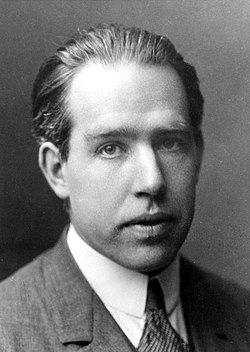
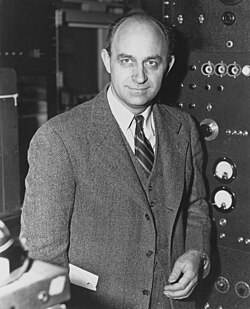
アインシュタインによる相対性理論や、ボーアによる量子論、フェルミによる核物理学の発展などは、私たちの世界観を根本から変えました。
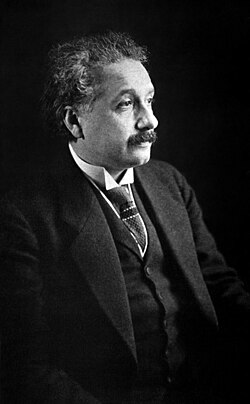
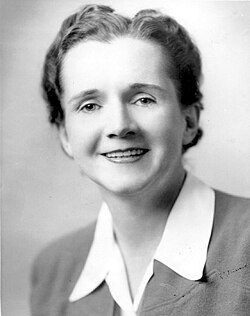
また、レイチェル・カーソンのように、科学的知見を用いて環境保護運動を主導し、社会に大きな影響を与える科学者も現れています。
Frequently Asked Questions
科学者になるために資格や免許は必要ですか?
いいえ、医師や弁護士のような法的な免許制度はありません。しかし、専門的な研究を行うためには、通常、大学院での博士課程修了と博士号(PhD)の取得が事実上の標準的な要件となっています。
「自然哲学者」と「科学者」の違いは何ですか?
主に時代背景と専門性の違いです。近代以前の「自然哲学者」は、哲学的な思索と観察を統合して自然を理解しようとしました。一方、「科学者」は19世紀以降、より厳格な科学的方法(実験、検証、定量化)を用い、特定の専門分野に特化した専門職を指します。
科学者はどのような場所で働いていますか?
大学や公的研究機関などのアカデミアだけでなく、製薬会社やIT企業などの産業界、政府の行政機関、あるいは非営利団体など、非常に幅広い分野で雇用されています。
女性科学者の現状はどうなっていますか?
歴史的に男性の比率が高い分野でしたが、その格差は縮小しています。例えば、米国では1970年代に比べて女性の科学・工学博士号取得者の割合が大幅に増加しており、多様な人材が活躍する傾向にあります。
References
- "scientist". Cambridge Dictionary. Retrieved 27 September 2023.
- "Our definition of a scientist". Science Council. Retrieved 7 September 2018.
A scientist is someone who systematically gathers and uses research and evidence, making a hypothesis and testing it, to gain and share understanding and knowledge.
- Lehoux, Daryn (2011). "2. Natural Knowledge in the Classical World". In Shank, Michael; Numbers, Ronald; Harrison, Peter (eds.). Wrestling with Nature : From Omens to Science. Chicago: University of Chicago, U.S.A. Press. p. 39. .
- , Metaphysics Alpha, 983b18.
-
 , ed. (1870). "Thales". . p. 1016.
- Michael Fowler, Early Greek Science: Thales to Plato, University of Virginia [Retrieved 2016-06-16]
- Frank N. Magill, The Ancient World: Dictionary of World Biography, Volume 1, Routledge, 2003
- Singer, C. (2008). A Short History of Science to the 19th century. Streeter Press. p. 35.
- Needham, C. W. (1978). Cerebral Logic: Solving the Problem of Mind and Brain. Loose Leaf. p. 75. .
- Cahan, David, ed. (2003). From Natural Philosophy to the Sciences: Writing the History of Nineteenth-Century Science. Chicago, Illinois: University of Chicago Press. .
 , ed. (1870).
 📸 フォトギャラリー