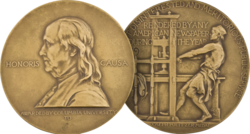
アメリカにおける最高栄誉の一つであるプルリッツァー賞は、ジャーナリズム、文学、音楽などの分野で卓越した業績を上げた人物や作品に贈られる賞です。新聞社主であったジョセフ・プルリッツァーの遺志を継ぎ、コロンビア大学によって運営されています。この賞は単なる名誉にとどまらず、時代の精神や社会的な価値観を反映する指標としての役割も果たしてきました。
特に文学部門(フィクション)は、アメリカ文学の金字塔とも言える作品を数多く輩出しており、作家にとっての究極の目標の一つとなっています。1917年の創設以来、純文学から歴史小説、社会派作品まで、幅広いジャンルの物語が評価されてきました。
Key Facts
- 運営主体:コロンビア大学が管理・運営を行っている。
- 創設者:新聞界の巨頭、ジョセフ・プルリッツァーによる寄付が基となっている。
- 主要カテゴリー:大きく分けて「ジャーナリズム」と「文学、演劇、音楽」の2つの柱がある。
- 選考プロセス:1980年からは、受賞者の他に通常3名のファイナリストが発表される仕組みとなっている。
- 文学的価値:小説部門では、時代を象徴する名作や、新人作家のデビュー作が選出されることもある。
多岐にわたる賞のカテゴリー
プルリッツァー賞は、時代の変化に合わせてそのカテゴリーを柔軟に更新してきました。現代では、主に以下の分野で授与されています。
ジャーナリズム部門
社会への貢献度が高い「公共サービス賞」をはじめ、国内・国際報道、速報、調査報道、解説報道など、報道の質を追求する多様な部門が存在します。また、オーディオ報道や写真、批評、オピニオンなど、メディアの形態に合わせた賞も設けられています。
文学・芸術部門
小説(フィクション)以外にも、伝記、演劇、歴史、詩、音楽、一般ノンフィクション、そして近年追加された回想録・自叙伝など、広範な知的創造性が評価の対象となります。
フィクション部門の受賞傾向と名作
小説部門の歴史を振り返ると、アメリカ社会の光と影を描いた作品が多く選ばれています。例えば、ジョン・スタインベックの『怒りの葡萄』や、ハーパー・リーの『アラバマ物語』などは、今なお世界中で読み継がれる古典となりました。
また、受賞者の傾向として、複数の作品で受賞する稀有な作家も存在します。ブース・ターキントン、ウィリアム・フォークナー、ジョン・アップダイク、そして近年ではコルソン・ホワイトヘッドらが、その卓越した筆致で複数回の受賞を果たしています。
| 時代 | 代表的な受賞作 | 著者 | 特徴 |
|---|---|---|---|
| 1920-30年代 | 大地 | パール S. バック | 歴史的フィクション |
| 1940-50年代 | 老人と海 | アーネスト・ヘミングウェイ | 短編小説 |
| 1960-70年代 | アラバマ物語 | ハーパー・リー | 成長小説・南部ゴシック |
| 1980-90年代 | ビラヴド | トニ・モリスン | 現代文学の傑作 |
| 2000年代以降 | ザ・ロード | コーマック・マッカーシー | ポスト・アポカリプス |
頻繁にノミネートされる作家たち
受賞に至らずとも、何度も最終候補に残る作家たちは、その時代の文学的トレンドを牽引しています。ジョイス・キャロル・オーツやフィリップ・ロスは4回という最多クラスのノミネート回数を記録しており、彼らの作品が常に高い評価を受けていたことが分かります。
Frequently Asked Questions
プルリッツァー賞は誰が運営していますか?
ニューヨークにあるコロンビア大学が運営を担っています。
小説部門以外にどのような賞がありますか?
ジャーナリズム分野(調査報道や速報など)のほか、伝記、歴史、詩、音楽、演劇などの文学・芸術分野に分かれています。
同じ作家が何度も受賞することはありますか?
はい。ブース・ターキントンやコルソン・ホワイトヘッドのように、2度受賞した作家が数名存在します。
ファイナリストの発表はいつから始まりましたか?
1980年から導入され、通常は受賞者以外に3名の候補者が発表されます。
死後に受賞することは可能ですか?
可能です。ウィリアム・フォークナーやジェームズ・エイジーのように、没後に作品が評価され受賞した例があります。
References
- The 1918 jury gave honorable mention to Bromley Neighborhood by .
- In 1920, first-time fiction juror Stuart P. Sherman initially recommended Java Head by for the award; he rescinded his recommendation when the other jurors informed him that the word "whole" in a key phrase of the original description of the award, "the whole atmosphere of American life", had subsequently been changed to "wholesome".
- Juror wrote in the June 22, 1921 issue of that in fact the jury had preferred by Sinclair Lewis. The Pulitzer board overturned their decision. The man with the deciding vote may have been . Lovett thought the public had a right to know that the jury had chosen another book. Lewis was angry but wrote her a congratulatory note. Wharton wrote back, "When I discovered that I was being rewarded — by one of our leading Universities — for uplifting American morals, I confess I did despair. Subsequently, when I found the prize shd really have been yours, but was withdrawn because your book (I quote from memory) had 'offended a number of prominent persons in the Middle West,' disgust was added to despair."
- The 1925 jury was split between whether the prize should go to Balisand by , Plumes by or eventual winner by .
- In 1926, declined the prize for . The jury stated Arrowsmith was "best deserving the award," and also deemed by and The Smiths by "worthy competitors."
- The 1928 jury unanimously recommended 's . The jury also considered Black April by , by , Islanders by and A Yankee Passional by .
- The 1929 jury recommended Victim and Victor by for the prize. However, the Advisory Board named the jury's runner-up, by , as the winner.
- The 1930 jury was split between It's a Great War by Mary Lee, by and by , ultimately recommending Laughing Boy as their consensus choice.
- The 1931 jury shortlisted The Deepening Stream by , The Great Meadow by and their top-ranked choice by .
- The 1932 jury was asked by Advisory Board secretary to "list the books in the order of the jury's choice without indicating the ins and outs of the vote." Their report said that they had also "favorably considered" The Lady Who Came to Stay by R.E. Spencer and by , noting "it's a rare year when three such excellent novels appear."