地球規模の気候変動という喫緊の課題に対し、世界が一致して取り組むための歴史的な約束がパリ協定です。この協定は、産業革命前からの気温上昇を2度より十分低く抑え、さらに1.5度に抑える努力を追求することを目的としています。単なる目標設定に留まらず、各国が自ら削減目標を掲げ、それを更新し続ける仕組みを導入した点が最大の特徴です。
2015年11月末から12月にかけてフランスのル・ブルジェで開催されたCOP21(国連気候変動枠組条約第21回締約国会議)にて採択されました。
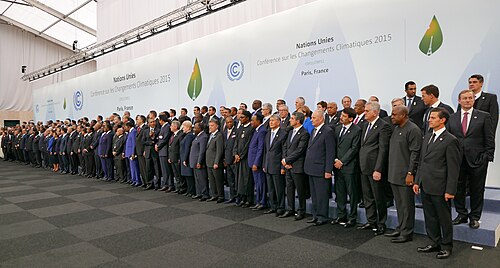
Key Facts
- 採択日:2015年12月12日(フランス・パリ)
- 発効日:2016年11月4日
- 参加国:195の署名国、194の締約国
- 主要目標:世界的な温室効果ガス排出量の可能な限り早期のピークアウトと、気温上昇の抑制
- 仕組み:各国が「国が決定する貢献(NDC)」を策定し、5年ごとに更新する
パリ協定の成立と運用の仕組み
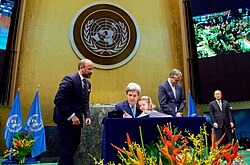
パリ協定は、2016年4月22日に署名が開始され、55の締約国(世界の温室効果ガス排出量の55%を占める国々)による批准を経て、同年11月に正式に発効しました。
この協定の核心となるのがNDC(Nationally Determined Contributions:国が決定する貢献)です。これは、各国が自国の状況に応じて策定する温室効果ガスの削減目標であり、義務的な数値目標を押し付けられるのではなく、自主的に目標を掲げる形式をとっています。これにより、多くの国々が参加しやすい枠組みが構築されました。
また、目標の達成状況を定期的に確認する「グローバル・ストックテイク」という仕組みが導入されており、世界全体で目標に向かっているかを検証し、次なる目標に反映させるサイクル(ラチェット・メカニズム)が組み込まれています。
実効性と直面している課題
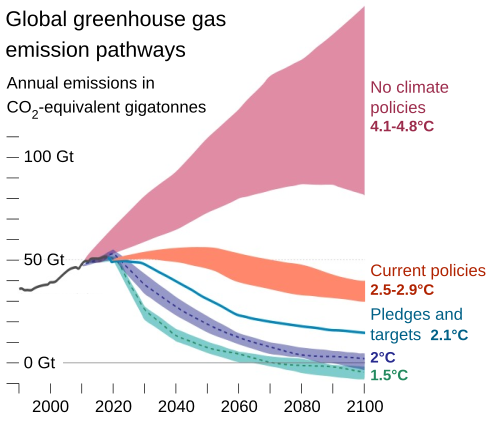
協定の成立後、多くの国が削減努力を続けていますが、現状のNDCをすべて達成したとしても、2100年までに平均気温の上昇が2度を超えてしまうという厳しい予測が出ています。
![Probability that countries achieve their Paris Agreement Goals according to their nationally determined contributions as of 2021 (NDCs)[62]](/images/bd/f4/bdf46d7cc06d6dc75026cd8a6e40956756e7565070808d18c582d20b6baecb4e.png)
特に排出量の多い国々の動向が重要です。2000年以降、中国やその他の新興国の排出量増加は、米国や欧州の排出量を上回るペースで推移しています。また、一人当たりのCO2排出量で見ると、依然として米国が高い水準にあることが指摘されています。
![Since 2000, rising CO2 emissions in China and the rest of the world have surpassed the output of the United States and Europe.[120]](/images/51/f4/51f4500932d61bcf852197f3554bbd53b0f31e4be121c1d6aff3648690b3bde6.webp)
![Per person, the United States generates CO2 at a far faster rate than other primary regions.[121]](/images/fd/8a/fd8a810df9b6b60016a4e54fb4801f839d1b15697dafa0e76dc676d32b96ceb2.webp)
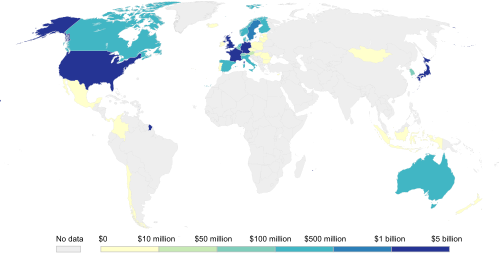
さらに、途上国への資金援助も重要な論点です。気候変動の影響を強く受ける国々を支援するための「緑の気候基金(Green Climate Fund)」への拠出が進められていますが、十分な資金確保が常に課題となっています。
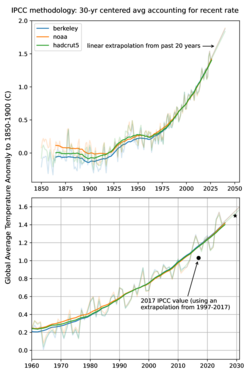
最新のデータでは、地球の平均気温偏差は上昇傾向にあり、過去20年の傾向から線形補完を行うと、目標達成に向けた時間的猶予が極めて少ないことが分かります。
パリ協定の概要まとめ
以下に、パリ協定の主要な構成要素をまとめます。
| 項目 | 内容 |
|---|---|
| 主目的 | 気温上昇を2℃未満に抑え、1.5℃への抑制を追求する |
| 目標策定 | NDC(国が決定する貢献)による自主的な目標設定 |
| 更新サイクル | 5年ごとの目標見直しと引き上げ |
| 支援策 | 途上国への資金提供、技術移転、能力構築の支援 |
| 検証方法 | グローバル・ストックテイクによる進捗確認 |
Frequently Asked Questions
パリ協定と京都議定書の違いは何ですか?
京都議定書は先進国のみに法的拘束力のある削減義務を課していましたが、パリ協定は途上国を含むすべての参加国が、自ら決定した目標(NDC)を掲げて取り組む包括的な枠組みである点が異なります。
NDCとは具体的にどのようなものですか?
NDC(Nationally Determined Contributions)は、日本語で「国が決定する貢献」と呼ばれます。各国が温室効果ガスの排出削減目標や適応策を策定し、国連に提出する計画書のことです。
1.5度目標とは何を意味していますか?
産業革命前からの世界平均気温の上昇を1.5度に抑えるという目標です。2度の上昇に比べて、海面上昇や生態系の破壊、極端な気象現象などのリスクを大幅に軽減できると考えられています。
米国はパリ協定に加入していますか?
米国は一度脱退し、その後再加入しましたが、政権交代に伴い再び脱退の手続きが進むなど、政治的な状況によって参加状況が変動した経緯があります。
途上国への支援はどのように行われていますか?
「緑の気候基金」などを通じて、先進国から途上国へ資金を提供し、低炭素社会への移行や、気候変動による被害への適応策(堤防建設など)を支援しています。
References
- "Paris Agreement". United Nations Treaty Collection. Archived from the original on 5 July 2021. Retrieved 15 July 2021.
- "Paris Climate Agreement Becomes International Law". ABC News. Archived from the original on 4 November 2016. Retrieved 4 November 2016.
- "Paris Agreement, FCCC/CP/2015/L.9/Rev.1" (PDF). UNFCCC secretariat. Archived (PDF) from the original on 12 December 2015. Retrieved 12 December 2015.
- "Reference: C.N.464.2017.TREATIES-XXVII.7.d (Depositary Notification)" (PDF). United Nations. 8 August 2017. Archived (PDF) from the original on 15 August 2017. Retrieved 14 August 2017.
- "US makes official return to Paris climate pact". . 19 February 2021. Archived from the original on 19 February 2021. Retrieved 19 February 2021 – via .
- Calma, Justine (20 January 2025). "Donald Trump pulls US out of Paris climate agreement". The Verge. Retrieved 20 January 2025.
- Zhong, Raymond; Plumer, Brad; Rojanasakul, Mira (10 January 2025). "2024's Record-Breaking Heat Brought the World to a Dangerous Threshold. Now What?". The New York Times. 0362-4331. Retrieved 10 January 2025.
- UNFCCC. "The Paris Agreement". unfccc.int. Archived from the original on 19 March 2021. Retrieved 18 September 2021.
- Schleussner, Carl-Friedrich. "The Paris Agreement – the 1.5 °C Temperature Goal". Climate Analytics. Retrieved 29 January 2022.
- "Historic Paris Agreement on Climate Change – 195 Nations Set Path to Keep Temperature Rise Well Below 2 Degrees Celsius". UN Climate Change Newsroom. United Nations Framework Convention on Climate Change. 12 December 2015. Archived from the original on 17 January 2016. Retrieved 14 December 2015.
📸 フォトギャラリー