古代エジプトの信仰において、オシリスは死後の世界を統べる王であり、同時に生命の再生と豊穣を象徴する極めて重要な神です。彼は単なる死の神ではなく、冬の後に春が訪れるように、絶望的な死から新たな生へと導く希望の象徴として崇められました。
オシリスの肌はしばしば緑色に描かれますが、これは植物の成長やナイル川の氾濫による肥沃な大地、つまり「再生」を意味しています。また、冥界の神としての側面から黒い肌で表現されることもあり、これはナイル川の黒い土壌と豊穣を結びつけたものです。
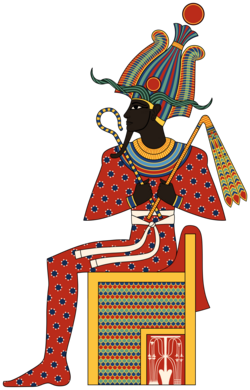
Key Facts
- 役割: 冥界の主であり、死者の審判を行う王。再生と豊穣の象徴。
- 象徴物: 王権を示す「ヘカ(曲がった杖)」と「ネケケ(打撃棒)」、アテフ冠。
- 主要聖地: アビドスおよびブシリス。
- 家族関係: 妻はイシス、息子はホルス。兄弟にセトとネフティスを持つ。
- 信仰の核心: 死者がオシリスと一体化することで、永遠の命を得られるという救済。
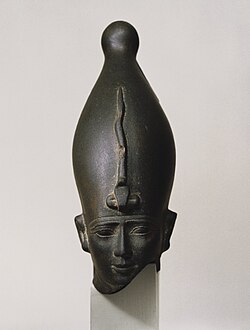
オシリスの神格と変遷
古王国時代(紀元前2686年〜2181年)の初期には、死後の王(ファラオ)は太陽神ラーのもとへ昇ると信じられていました。しかし、オシリス信仰が広まると、死した王はオシリスと同一視されるようになります。オシリスが死から蘇ったように、人間もまた模倣魔術を通じて彼と結びつき、永遠の生を継承できると考えられたためです。
この信仰は自然界のサイクルとも深く結びついていました。毎年繰り返されるナイル川の氾濫や植物の芽吹き、さらにはオリオン座やシリウス星の出現といった天文現象が、オシリスの再生の物語と重ね合わされました。彼は「永遠に慈悲深く、若々しい者」として、あらゆる生命を授ける主君となったのです。
名前の由来と意味
オシリスという名前の語源については、学者たちの間で議論が続いています。「強き者」を意味する言葉から派生したという説や、ミイラ製作のプロセスに関連して「作られたもの」を指すという説、あるいは「目を運ぶ者」や「生み出す原理」を意味するという説など、多様な解釈が存在します。
神話に刻まれた悲劇と復活
最も有名な神話の一つに、弟セトによる陰謀があります。セトはオシリスを騙して精巧な箱に閉じ込め、鉛で封印してナイル川に投げ捨てました。絶望した妻イシスは世界中を捜索し、ついにフェニキアのビブロスにあるタマリスクの木に組み込まれた棺を発見し、夫の遺体を回収しました。
別の伝承では、セトによって遺体が14の断片に切り刻まれたとされています。イシスはこれらの破片を集めて繋ぎ合わせ、神聖な儀式によってオシリスを一時的に復活させました。この物語は、死に対する勝利と、バラバラになったものが再び統合されるという再生のプロセスを象徴しています。
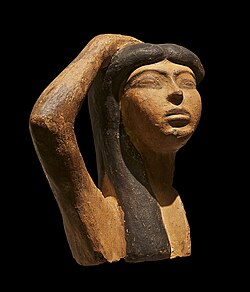
ホルスへの継承
オシリスとイシスの間に生まれた息子ホルスは、父の仇であるセトと戦い、最終的に勝利して地上の王権を取り戻しました。これにより、オシリスは地上の支配権を息子に譲り、自らは冥界の絶対的な統治者としての地位を確立しました。
![Scenes from the north wall of the burial chamber of Tutankhamun. On the left side, Tutankhamun, followed by his ka (an aspect of his soul), embraces Osiris.[27]](/images/6e/60/6e6008eb1cd78a0518f01b10b83534cf05bfe20346a7255d61c5397a153c8646.jpg)
信仰の儀式と死後の審判
オシリスへの崇拝は、厳粛で哀悼に満ちたものでした。特にアビドスで行われた祭典では、オシリスの死と復活を再現する演劇的な儀式が行われました。また、「オシリスのベッド」と呼ばれる土を詰めた人形に種を蒔き、それが芽吹く様子を見て、神の復活を祝う習慣もありました。
![Osiris-Nepra, with wheat growing from his body. From a bas-relief at Philae.[41] The sprouting wheat implied resurrection.[42]](/images/bf/2c/bf2cc37510859afb0f4a00291a1816031597b6eaa2d22c3e1dfb7472a4a0b3c2.jpg)
死後の世界において、オシリスは最高裁判事の役割を果たします。死者の心臓は真理の女神マアトの羽と天秤にかけられ、生前の行いが正しかったかどうかが判定されます。この厳しい審判を通過した者だけが、ホルスに導かれてオシリスの前に出ることができ、楽園への道を許されました。
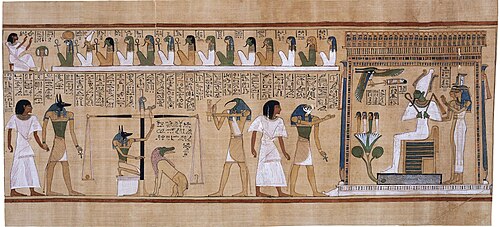
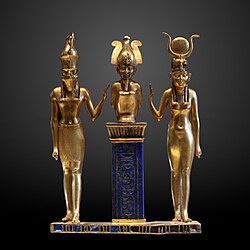
神々の共演
壁画などの美術品では、オシリスはしばしばアヌビス(ミイラ化の神)やホルスと共に描かれます。また、セケル神と習合した「セケル・オシリス」として、タカンの頭にアテフ冠を戴く姿で表現されることもありました。
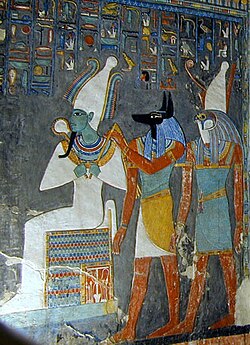
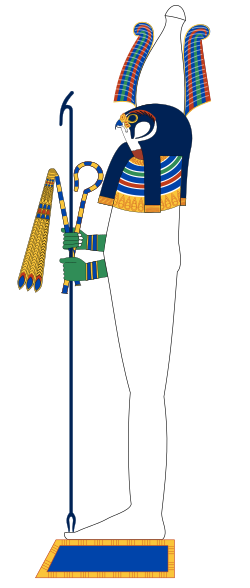
後世への影響と信仰の終焉
プトレマイオス朝時代になると、ギリシャ文化との融合が進みました。オシリスの特性にギリシャの神々の要素を加えた新神セラピスが創出され、アレクサンドリアの守護神として崇拝されました。セラピスは、エジプトの「オシリス・アピス」がギリシャ化した姿であると考えられています。
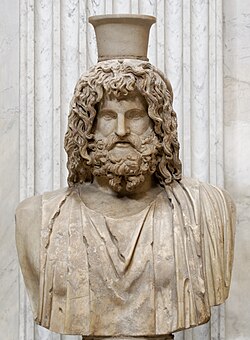
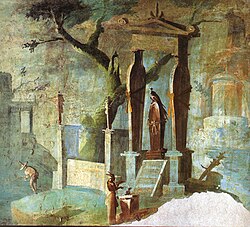
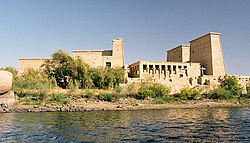
オシリスとイシスの信仰は、ローマ帝国時代になっても根強く残り、イタリアのポンペイなどの遠方まで広がりました。しかし、キリスト教の普及に伴い異教の神殿は閉鎖され、紀元450年代にフィラエ神殿が閉鎖されたことで、古代エジプトの伝統的なオシリス信仰は歴史の幕を閉じました。
まとめ:オシリス信仰の概要
| 項目 | 詳細 |
|---|---|
| 司る領域 | 冥界、死後の審判、再生、農業(豊穣) |
| 外見的特徴 | 緑色または黒色の肌、ミイラ姿、アテフ冠 |
| 主要な象徴 | ヘカ(杖)、ネケケ(打撃棒)、ジェド柱 |
| 重要な関係者 | イシス(妻)、ホルス(息子)、セト(敵対する弟) |
| 信仰の目的 | 死後の永生と、自然界のサイクルへの調和 |
![A personified Eye of Horus offers incense to the enthroned god Osiris in a painting from the tomb of Pashedu, thirteenth century BC[34]](/images/36/52/3652dd45752c460ba5fd1df3af110660c9bb616a3e58c81f0ace6f293b3f05fa.jpg)
Frequently Asked Questions
オシリスの肌が緑色なのはなぜですか?
緑色は植物の成長や再生を象徴しているためです。これは、彼が死から蘇った神であること、そしてナイル川の氾濫によって大地が再び肥沃になる自然のサイクルを司っていることを表しています。
オシリスとセラピスの関係は何ですか?
セラピスは、プトレマイオス朝時代にオシリスの特性とギリシャ神話の神々の要素を融合させて作られた神です。一般的に、メンフィスの神「オシリス・アピス」がギリシャ風にアレンジされた姿であると考えられています。
死後の審判では何が行われますか?
死者の心臓が天秤に乗せられ、真理の象徴であるマアトの羽と重さが比較されます。心臓が羽より重い(罪が多い)場合は怪物アミットに食べられますが、合格した者はオシリスによって永遠の生を授けられます。
「オシリスのベッド」とは何ですか?
オシリスの形をした土製の模型に種を蒔く儀式的な道具です。種が芽吹く様子を、死から蘇るオシリスの復活に見立てて祝うためのものでした。
オシリス信仰はいつまで続いていたのですか?
帝国による異教神殿の閉鎖令が出た後も、フィラエ神殿など一部の場所で信仰が維持されました。最終的に紀元450年代にフィラエ神殿が閉鎖されたことで、組織的な崇拝は終わったとされています。
References
- : ⲟⲩⲥⲓⲣⲉ ousire, Coptic pronunciation: ; : 𐤀𐤎𐤓, romanized: ʾsr)
📸 フォトギャラリー