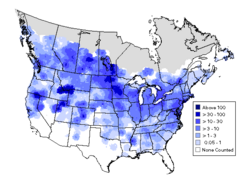
空を舞う鳥たちの生態や形態を科学的に研究する鳥類学(Ornithology)は、生物学の中でも非常に歴史が深く、多様な手法を用いて発展してきました。単なる観察から始まり、現代では遺伝子解析や高度な追跡技術を駆使した学問へと進化しています。本記事では、鳥類学がどのように歩んできたのか、そしてどのような手法で研究が行われているのかを詳しく解説します。
Key Facts
- 鳥類学は、鳥類の形態、行動、分布、進化を専門とする生物学の一分野である。
- 初期の研究は標本収集や卵の収集が中心だったが、現在は生体観察やDNA解析へと移行している。
- 個体識別のための「足環(リング)」装着や、渡りの方向を調べる「エムレン・ファンネル」などの特殊な手法が存在する。
- 農業害鳥の管理や生物多様性の指標として、実用的な応用範囲が広い。
鳥類学の歩み:博物学から近代科学へ
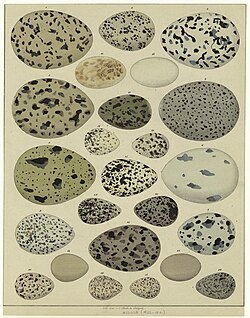
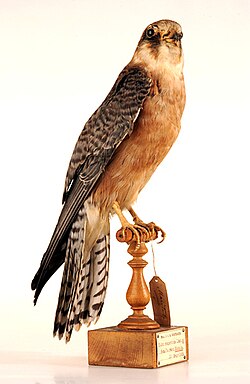
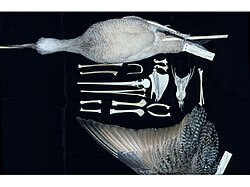
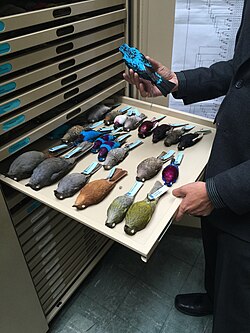
鳥類への関心は古くからありましたが、体系的な科学としての歩みは、収集と分類から始まりました。初期の研究者は、鳥の皮膚を剥製にしたり、卵や巣を収集したりすることで、種の差異を記録していました。
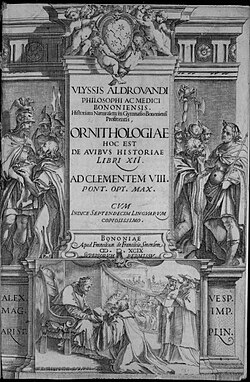
16世紀から17世紀にかけて、ウルッセ・アルドロヴァンディなどの先駆者が鳥類に関する包括的な著作をまとめ、分類学の基礎を築きました。その後、チャールズ・ダーウィンの進化論の登場により、鳥類学は単なるカタログ作りではなく、「なぜこのような形態や行動に進化したのか」を探求する動的な科学へと変貌しました。
分類体系の変遷
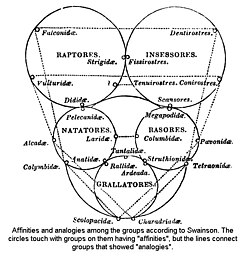
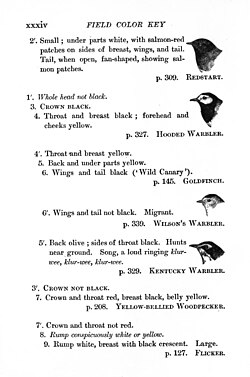
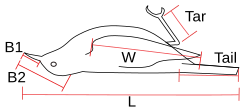
かつては形態的な特徴に基づいた分類が主流でしたが、時代とともに手法は変化しました。スウェインソンの五元系(Quinarian system)のような独自の分類試行を経て、現代では形態測定学(Morphometrics)や分子系統解析を組み合わせた、より精緻な系統樹の構築が行われています。
現代の鳥類研究における主要な手法
現代の鳥類学では、野生個体にストレスを最小限に抑えつつ、正確なデータを取得するための多様なアプローチが採用されています。
フィールドワークと個体識別
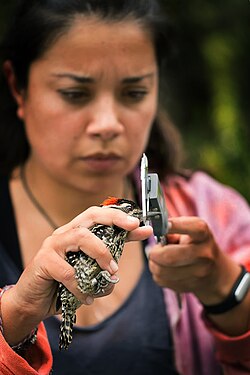
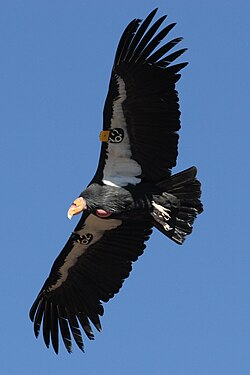
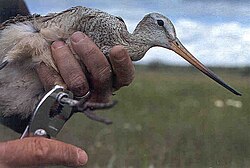
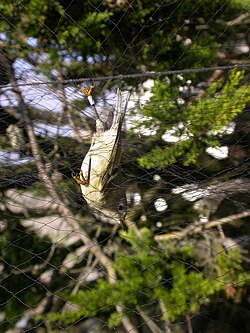
野生の鳥を研究する上で不可欠なのが、個体識別です。金属製の足環を装着するリング調査や、大型鳥類へのウィングタグ装着により、個体の移動経路や寿命を追跡することが可能です。また、ミストネット(捕鳥網)を用いて安全に鳥を捕獲し、体重や翼長などの測定を行います。
実験室での行動解析
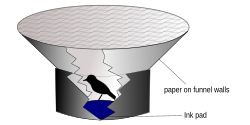
渡り鳥の方向感覚を研究するために、実験室では「エムレン・ファンネル」という装置が使われます。これは、鳥がどの方向に向かおうとするかを記録する漏斗状の装置で、プラネタリウム内で夜間の星空を再現して実験を行うこともあります。
最新の解析技術
近年では、DNAバーコーディングによる種の同定や、カメラトラップを用いた非侵襲的な行動観察が普及しています。これにより、人間が立ち入れない環境や、警戒心の強い種の生態解明が進んでいます。
鳥類学の社会的応用と重要性
鳥類学の研究成果は、純粋な科学的好奇心に留まらず、実社会の課題解決にも寄与しています。
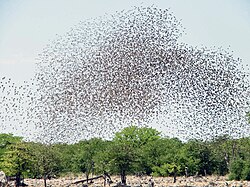
- 農業への影響: アフリカのコウライチョウのように、農作物を大量に消費する害鳥の個体数管理に役立てられています。
- 環境指標: 鳥類は環境変化に敏感であるため、特定の種の分布変化を追うことで、地域の生物多様性の健全性を測る指標(インジケーター)となります。
- 種の保存: 絶滅危惧種の飼育下繁殖プログラムなど、保全生物学的なアプローチに不可欠な知見を提供しています。
鳥類研究の手法まとめ
| アプローチ | 主な手法・ツール | 得られるデータ |
|---|---|---|
| 形態研究 | 標本作成、形態測定学 | 身体的特徴、種の分類、進化過程 |
| 個体追跡 | 足環(リング)、ウィングタグ | 移動経路、生存率、寿命 |
| 行動解析 | エムレン・ファンネル、録音装置 | 渡りの方向、さえずりの意味 |
| 分子生物学 | DNAバーコーディング | 遺伝的系統、種の同定 |
| 生態調査 | カメラトラップ、ラインセンサス | 個体数密度、分布域、繁殖行動 |
Frequently Asked Questions
鳥類学とバードウォッチングはどう違うのですか?
バードウォッチングは趣味としての鳥の観察ですが、鳥類学はそれを科学的な手法(定量的なデータ収集、仮説検証、ピアレビューなど)を用いて研究する学問です。ただし、市民科学者による観察データが専門的な研究に大きく貢献している例も多くあります。
なぜ今でも標本(剥製)が必要なのですか?
標本は「物理的な証拠」として永続的に保存できるため、数十年、数百年前の個体と現在の個体を比較して、形態の変化や遺伝的な変遷を研究するために不可欠なリソースとなります。
足環(リング)を付けることで鳥に悪影響はありませんか?
研究者は鳥へのストレスを最小限に抑えるための厳格なガイドラインに従っています。適切に装着された足環は、鳥の飛行や生活に支障をきたさないよう設計されています。
鳥類学は環境保護にどのように役立っていますか?
鳥類の分布や個体数の変動を監視することで、森林破壊や気候変動の影響を早期に検知できます。また、絶滅危惧種の生態を解明することで、効果的な保護区の設置や繁殖計画の策定が可能になります。
References
- Newton, Alfred; Lydekker, Richard; Roy, Charles S.; Shufeldt, Robert W. (1896). A dictionary of birds. London: A. and C. Black.
- Newton, Ian (1998). Population limitation in birds. Academic Press. p. 2. .
- Mayr, E. (1984). "Commentary: The Contributions of Ornithology to Biology". BioScience. 34 (4): 250–255. :10.2307/1309464. 1309464.
- Bibby, Colin J. (2003). "Fifty years of Bird Study: Capsule Field ornithology is alive and well, and in the future can contribute much more in Britain and elsewhere". Bird Study. 50 (3): 194–210. :10.1080/00063650309461314. 87377120.
- Sutherland, W. J., Newton, Ian and Green, Rhys (2004). Bird ecology and conservation: a handbook of techniques. Oxford University Press. .
{{}}: CS1 maint: multiple names: authors list () - Harper, Douglas. "ornithology". .
- Field, Daniel J.; Burton, M. Grace; Benito, Juan; Plateau, Olivia; Navalón, Guillermo (2025). "Whence the birds: 200 years of dinosaurs, avian antecedents". Biology Letters. 21 (1) 20240500. :10.1098/rsbl.2024.0500. 11750382. 39837495.
- Gurney, JH (1921). "Early annals of ornithology". Nature. 108 (2713): 268. :1921Natur.108..268.. :10.1038/108268a0. :2027/coo.31924090299532. 4033666.
- Anker, Jean (1979). Bird books and bird art. Springer-Science. pp. 1–5.
- Nadel, K. D., Ehud Weiss, Orit Simchoni, Alexander Tsatskin, Avinoam Danin, and Mordechai (2004). "Stone Agehut in Israel yields world's oldest evidence of bedding" (PDF). Proc. Natl. Acad. Sci. U.S.A. 101 (17): 6821–6826. :2004PNAS..101.6821N. :10.1073/pnas.0308557101. 404215. 15090648. Archived (PDF) from the original on 2022-10-09.
{{}}: CS1 maint: multiple names: authors list ()
📸 フォトギャラリー

![Antonio Valli da Todi, who wrote on aviculture in 1601, knew the connections between territory and song.[34]](/images/cf/65/cf65bf2ce610eda58fe57691a07038df7b7f4a70131c73bb54ba895a919e5dd6.jpg)