宇宙に浮かぶ天体や人工衛星が、なぜ一定の経路を辿って移動し続けるのか。その答えは軌道力学(天体力学)にあります。軌道とは、引力などの影響を受けて物体が描く曲線的な軌跡のことです。惑星が恒星の周りを回るだけでなく、月が地球を回る、あるいは人工衛星が特定の地点やラグランジュ点(重力が釣り合う点)を中心に移動することも、すべてこの仕組みに基づいています。
古くはプトレマイオスのような天文学者が地球中心の宇宙観を唱えていましたが、現代ではケプラーの法則やニュートンの物理学によって、その正体が明らかにされています。
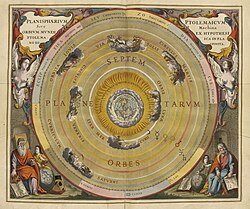
Key Facts
- 軌道の正体: 多くの天体は、重心を焦点の一つとする楕円軌道を描いて運動しています。
- 支配的な力: ニュートン力学では「逆二乗則」に従う万有引力が主因とされ、より精密な計算にはアインシュタインの一般相対性理論(時空の歪み)が用いられます。
- 軌道の種類: 速度とエネルギーに応じて、円形、楕円形、放物線形、双曲線形の軌道に分かれます。
- 地球周回軌道: 高度によってLEO(低軌道)、MEO(中軌道)、GEO(静止軌道)などに分類されます。
軌道を決定づける物理的原理
ニュートン力学によるアプローチ
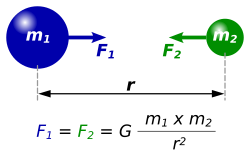
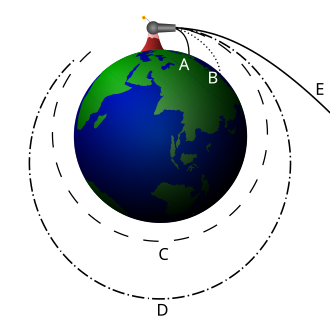
アイザック・ニュートンは、2つの物体の間に働く引力が、それぞれの質量の積に比例し、距離の2乗に反比例することを証明しました。この万有引力の法則により、物体は直線的に落下するのではなく、適切な速度を持っていれば曲線を描いて「落下し続ける」ことになります。
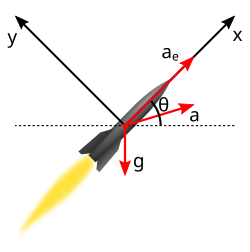
ロケットなどの推進体がある場合、重力による加速度と推進力による加速度が合わさり、最終的な正味の加速度が決定されます。
ケプラーの法則と楕円軌道
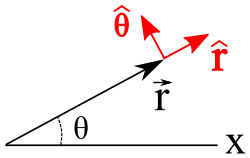
ヨハネス・ケプラーは、惑星の運動に関する3つの重要な法則を導き出しました。第一法則では、惑星は太陽を一つの焦点とする楕円を描くことを示し、第二法則では、軌道上の面積速度が一定であることを明らかにしました。これにより、天体は太陽に近いほど速度が上がり、遠いほど遅くなることがわかります。
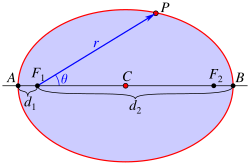
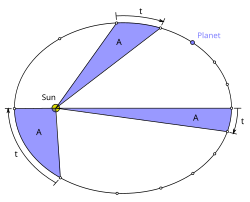
第三法則では、軌道長半径(楕円の長い方の半径)の3乗と公転周期の2乗の間に一定の比例関係があることを示しました。例えば、金星と木星では太陽からの距離が大きく異なりますが、この比例関係は共通して成り立っています。
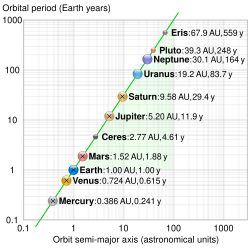
軌道の形状と分類
物体が持つエネルギーによって、描かれる軌道の形状(円錐曲線)が変化します。閉じた経路を繰り返す「楕円軌道」から、一度きりの通過となる「双曲線軌道」まで、その形態は多様です。
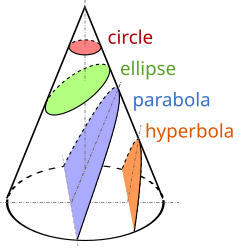
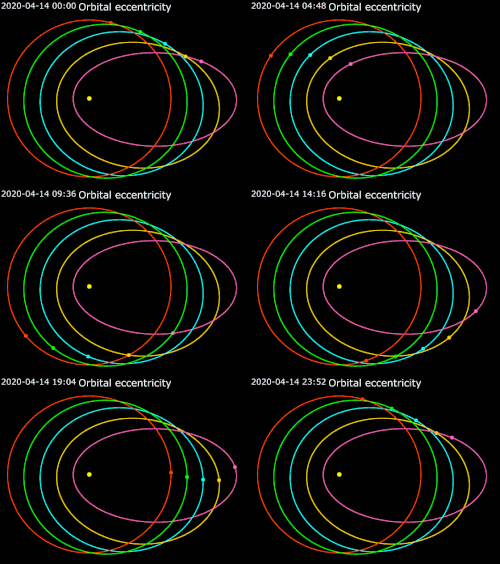
特に楕円軌道においては、離心率(eccentricity)という値が形状を決定します。離心率が0であれば完全な円となり、1に近づくほど細長い楕円になります。
軌道要素による定義
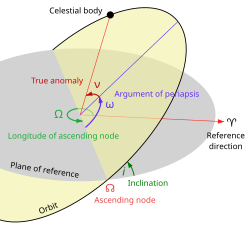
宇宙空間における軌道を正確に特定するには、軌道傾斜角、昇交点赤経、近点引数、離心率、軌道長半径といった「軌道要素」を用いて、その平面の向きや形状を定義します。
実用的な宇宙航行と地球周回軌道
現代の宇宙開発では、目的に応じて異なる高度の軌道が使い分けられています。
| 軌道名称 | 略称 | 高度・特徴 |
|---|---|---|
| 低地球軌道 | LEO | 高度2,000kmまで。ISSなどが位置する。 |
| 中地球軌道 | MEO | 2,000kmから静止軌道まで。GPS衛星などが一般的。 |
| 静止軌道 | GEO | 高度約35,786km。地球の自転周期と一致し、地上から静止して見える。 |
| 高地球軌道 | HEO | 静止軌道以上の高度。 |
また、効率的に軌道を変更するための手法として、2回の加速で高度を変える「ホーマン遷移軌道」や、惑星の重力を利用して加速・減速を行う「スイングバイ(重力アシスト)」などが活用されています。
![A Hohmann transfer orbit is a maneuver to change the altitude of an orbit (from 1 to 3) with two tangential impulses (Δv and Δv')[63]](/images/c3/5e/c35e98ba2b80f4c56dda1fd260625efce25872fb0af0c326c06b3e7daa3ddd4c.webp)
![A gravity assist fly-by uses a hyperbolic orbit to change a spacecraft's velocity and heading[32]](/images/07/a4/07a4a1655fb3060aafd4a79846e6ea23b31d0ea06ff83171843ad8ea45d3c33e.webp)
複雑な系と摂動
現実の宇宙では、2つの物体だけでなく、複数の天体が互いに影響を及ぼし合っています。これを「n体問題」と呼びますが、4つ以上の天体が関わる系を完全に解く普遍的な手法はまだ見つかっていません。ただし、質量が極めて小さい第三者が存在する「制限三体問題」では、ラグランジュ点のような安定した位置が特定されています。
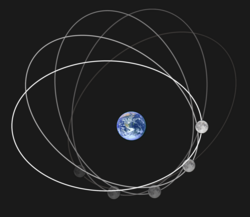
さらに、天体の形状が完全な球体ではないこと(扁平率)や、潮汐力による影響、大気抵抗による軌道減衰などの「摂動」が、軌道を徐々に変化させます。例えば、月の軌道に見られる近点移動などがその一例です。
理論上の特殊なケースとして、複数の天体が正多角形に配置されて安定して回る「クレンペラー・ロゼット」のような特異な軌道構成も研究されています。
![A simple hexagonal Klemperer rosette with two kinds of body,[94] which Klemperer notes is the nearest to being stable.](/images/dd/6d/dd6d20fba9980c33f821a2d4e79ff0f1e637483acbe0772ae5f70a27f1b8f0ce.webp)
Frequently Asked Questions
静止軌道(GEO)と同期軌道(GSO)の違いは何ですか?
どちらも地球の自転周期と同じ時間で一周しますが、静止軌道(GEO)は赤道直上に位置するため地上から見て完全に静止して見えます。一方、同期軌道(GSO)は傾斜を持っている場合があり、地上からは南北に揺れて見えることがあります。
なぜ惑星の軌道は完全な円ではなく楕円なのですか?
天体が持つ速度と、中心天体から受ける引力のバランスが、完全に一致して円になることは稀だからです。初期の速度や方向、周囲の天体からの影響により、多くの場合、中心天体を焦点の一つとする楕円形になります。
スイングバイ(重力アシスト)でどのように加速するのですか?
宇宙機が惑星の重力圏に進入し、惑星の公転速度の一部を「奪う」ことで、宇宙機自身の速度を増加させます。これは双曲線軌道を用いた高度な操縦技術です。
一般相対性理論は軌道計算にどう影響しますか?
ニュートン力学では説明できない微小な軌道のズレ(水星の近日点移動など)を正確に計算できます。現代のGPS衛星などの精密な運用には、時空の歪みを考慮した相対論的な補正が不可欠です。
ラグランジュ点とはどのような場所ですか?
2つの大きな天体(例:地球と太陽)の重力と、そこを回る物体の遠心力がちょうど釣り合うポイントのことです。ここにある物体は、少ない燃料で位置を維持できるため、宇宙望遠鏡の設置などに利用されます。
References
- "orbit (astronomy)". Encyclopædia Britannica (Online ed.). Archived from the original on 5 May 2015. Retrieved 28 July 2008.
- "The Space Place :: What's a Barycenter". NASA. Archived from the original on 8 January 2013. Retrieved 26 November 2012.
- Kuhn, Thomas S. (1985) [1957]. The Copernican Revolution. Harvard University Press. pp. 238, 246–252. .
- Americo, M. (2017). "A brief history of premodern astronomical models". The Classical Outlook. 92 (3): 94–101. 26431167.
- Mazer, Arthur (2011). The Ellipse: A Historical and Mathematical Journey. John Wiley & Sons. p. 12. .
- Boschiero, Luciano (2007). Experiment and Natural Philosophy in Seventeenth-Century Tuscany: The History of the Accademia del Cimento. Studies in History and Philosophy of Science. Springer Science & Business Media. pp. 216–217. .
- Caspar, M. (2012) [1959]. Kepler. Dover Books on Astronomy. Translated by Hellmann, C. Doris. Courier Corporation. pp. 131–140. .
- ↑ Hyman, Andrew T. (December 1993). "The Mathematical Relationship between Kepler's Laws and Newton's Laws". The American Mathematical Monthly. 100 (10). Taylor & Francis, Ltd.: 932–936. :10.2307/2324215. 2324215.
- Williams, David R. (2 October 2024). "Jupiter Fact Sheet". NASA Goddard Space Flight Center. Retrieved 13 August 2025.
- Williams, David R. (25 November 2020). "Venus Fact Sheet". NASA Goddard Space Flight Center. Retrieved 15 April 2021.
📸 フォトギャラリー