光学望遠鏡は、主に可視光線などの電磁波を集光し、遠方の天体を拡大して視認したり、写真に記録したりするための装置です。現代では、直接目で見るだけでなく、電子イメージセンサーを用いて膨大なデータを収集し、宇宙の謎を解き明かす不可欠なツールとなっています。
主要な3つの方式
光学望遠鏡は、光を集める方法によって大きく3つのカテゴリーに分類されます。
- 屈折望遠鏡(Refracting telescopes):レンズやプリズムを用いて光を屈折させる方式です。
- 反射望遠鏡(Reflecting telescopes):曲面鏡を用いて光を反射させる方式です。
- カタディオプトリクス望遠鏡(Catadioptric telescopes):レンズと鏡の両方を組み合わせた複合方式です。
光学望遠鏡の基本原理
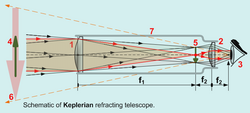
望遠鏡の基本的な仕組みは、まず「対物レンズ」または「主鏡」と呼ばれる集光要素が遠くの物体から光を集め、焦点面に実像を結ばせることにあります。この像を「接眼レンズ」で拡大して見ることで、私たちは遠方の天体を詳細に観察できます。このとき、目に届く像は上下左右が反転した仮想的な拡大像となります。
光学性能を決定する重要な指標
集光力と口径
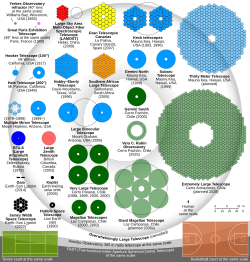
望遠鏡の性能において最も重要なのは、光を集める直径である「口径」です。集光力は口径の2乗に比例するため、口径が大きくなるほど暗い星まで観測可能になります。例えば、口径10メートルの望遠鏡は、2メートルの望遠鏡に比べて25倍の光を集めることができます。
分解能(解像力)
分解能とは、近接した2つの点を分離して見分ける能力のことです。これは光の波長と口径によって決まり、口径が大きいほど、より小さな詳細(例えば月面のクレーターや太陽黒点の微細構造)を識別できるようになります。
倍率と視野
倍率は、望遠鏡の焦点距離を接眼レンズの焦点距離で割ることで算出されます。ただし、倍率を上げすぎると像が暗くなり、視野(見える範囲)が狭くなるため、観測対象に合わせて適切に選択する必要があります。
視覚的な限界と「出口瞳」
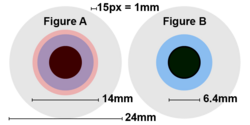
望遠鏡から出る光の束の直径を「出口瞳」と呼びます。この直径が観察者の瞳孔の大きさを超えると、溢れた光は目に届かず、光の損失が発生します。大人の瞳孔は暗所で通常7mm程度ですが、加齢とともに縮小するため、年齢によって最適な最低倍率や明るさの感じ方が異なります。
光学的な不完全性と収差
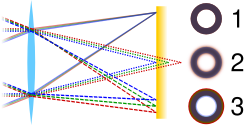
いかなる望遠鏡も完全に完璧な像を結ぶことはできません。回折現象に加え、レンズや鏡の形状に起因する「収差」が発生します。特に屈折望遠鏡では、光の波長によって屈折率が異なるため、像の縁に色づきが現れる「色収差」が課題となります。
望遠鏡の進化と歴史
屈折から反射へ
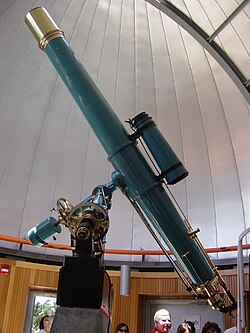
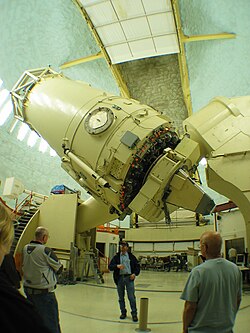
初期の屈折望遠鏡は色収差に悩まされましたが、18世紀にアクロマート(色消し)レンズが登場し、短焦点で高性能な設計が可能になりました。一方、反射望遠鏡はアイザック・ニュートンが実用化したことで普及し始めました。鏡を用いることで色収差を完全に排除でき、さらに口径を大きくできるため、現代の巨大望遠鏡のほとんどは反射式を採用しています。
現代の技術革新
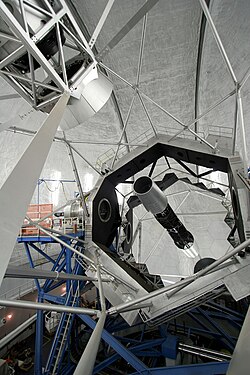
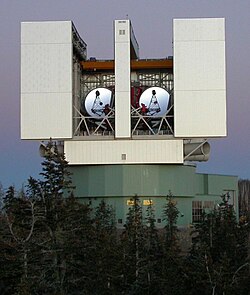
20世紀以降、鏡の表面にアルミニウムをコーティングする技術や、重力による鏡の変形を補正する「アクティブ光学」、大気の揺らぎをキャンセルする「補償光学(アダプティブ・オプティクス)」が開発されました。また、複数の鏡を組み合わせて巨大な口径を実現するセグメント鏡の技術も導入されています。
さらに、21世紀にはコンピュータ接続型の望遠鏡が登場し、デジタル天体写真のスタック処理(複数枚の合成)によって、アマチュア設備でも非常に暗い天体を鮮明に捉えることが可能になりました。
主要スペックまとめ
| 方式 | 主たる集光要素 | 主なメリット | 主なデメリット |
|---|---|---|---|
| 屈折式 | レンズ | 像が安定しており、メンテナンスが容易 | 色収差が発生しやすく、大型化が困難 |
| 反射式 | 曲面鏡 | 色収差がなく、大口径化が可能 | 光軸調整が必要で、中央遮蔽がある |
| カタディオプトリクス式 | レンズ + 鏡 | コンパクトながら長い焦点距離を実現 | 設計が複雑で、コストが高くなる傾向 |
Key Facts
- 集光力は口径の2乗に比例し、口径が大きいほど暗い天体を観測できる。
- 反射望遠鏡は色収差を排除できるため、研究用の巨大望遠鏡に最適である。
- 出口瞳が観察者の瞳孔径より大きいと、光の損失が発生し効率が低下する。
- 現代の巨大望遠鏡は、アクティブ光学やセグメント鏡を用いて10メートル級の口径を実現している。
- デジタル技術の導入により、低コストな設備でもノイズ除去と合成で高精細な撮影が可能になった。
Frequently Asked Questions
屈折望遠鏡と反射望遠鏡の最大の違いは何ですか?
最大の違いは光を集める方法です。屈折式はレンズで光を曲げますが、反射式は鏡で光を跳ね返らせます。これにより、反射式は屈折式で避けられない「色収差」という色のズレが発生しないという大きな利点があります。
口径が大きいほど良い望遠鏡と言えますか?
一般的には、口径が大きいほど集光力と分解能が高まるため、より暗い星が見え、細部まで鮮明に観察できます。ただし、サイズが大きくなると重量や価格が増し、取り回しが困難になるという側面もあります。
倍率を上げれば上げるほど詳細に見えますか?
いいえ。倍率を上げすぎると像が暗くなり、また大気の揺らぎの影響を強く受けるため、かえってぼやけて見えなくなります。対象物や気象条件に合わせた「適正倍率」で使用することが重要です。
色収差とは具体的にどのような現象ですか?
光の波長(色)によってレンズを通過する際の屈折率が異なるため、焦点の位置がわずかにズレる現象です。これにより、観測した天体の縁に紫や赤などの色づきが現れることがあります。
出口瞳とは何ですか?
接眼レンズから出てくる光の束の直径のことです。この直径が自分の瞳孔の大きさと一致しているときに、望遠鏡が捉えた光を最大限に効率よく目に届かせることができます。
References
- galileo.rice.edu The Galileo Project > Science > The Telescope by Al Van Helden – "the telescope was not the invention of scientists; rather, it was the product of craftsmen."
- Fred Watson (2007). Ian Stargazer: The Life and Times of the Telescope. Allen & Unwin. p. 55. .
- Henry C. King (2003). The History of the Telescope. Courier Corporation. pp. 25–29. .
- progression is followed through , , through , D. C. Lindberg, Theories of Vision from al-Kindi to Kepler, (Chicago: Univ. of Chicago Pr., 1976), pp. 94–99
- galileo.rice.edu The Galileo Project > Science > The Telescope by Al Van Helden
- Renaissance Vision from Spectacles to Telescopes By Vincent Ilardi, page 210
- Henry C. King (2003). The History of the Telescope. Courier Corporation. p. 27. .
(spectacles) invention, an important step in the history of the telescope
- Albert Van Helden, Sven Dupré, Rob van Gent, The Origins of the Telescope, Amsterdam University Press, 2010, pages 3-4, 15
- Albert Van Helden, Sven Dupré, Rob van Gent, The Origins of the Telescope, Amsterdam University Press, 2010, page 183
- See his books and
📸 フォトギャラリー