夜空に浮かぶ月は、古来より人類にとって神秘の象徴であり、時の計測や自然のサイクルを司る重要な存在でした。多くの文化圏において、月は単なる天体ではなく、神格化された月神として崇められてきました。地域によってその性質は、慈愛に満ちた女神であったり、厳格な男性神であったりと多様ですが、共通して「夜の支配」や「再生」といったテーマが深く結びついています。
Key Facts
- 多様な神格:文化圏により、月神は男性(インド、メソポタミアなど)としても女性(中国、ギリシャなど)としても描かれる。
- 象徴的な役割:夜の守護、時間の管理、不老不死、そして感情や運命の制御を司ることが多い。
- 共通のモチーフ:月の中に見える模様を「ウサギ」や「女性」に見立てる伝承が複数の文化に存在する。
- 天文学との融合:日食や月食などの現象は、神々の争いや怪物の介入として神話的に解釈されてきた。
アジアにおける月の信仰と神話
インドのヒンドゥー教と仏教
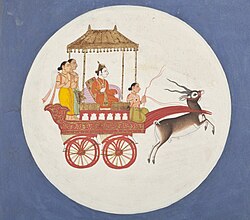
インドにおいて月は、若々しく光り輝く男性神チャンドラとして知られています。彼は10頭の白い馬が引く戦車や、アンテロープ(レイヨウ)に乗って空を駆けるとされています。
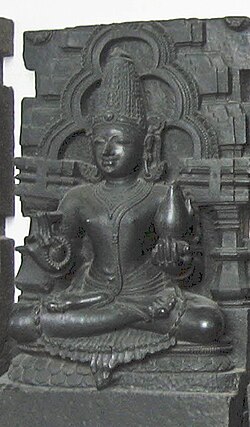
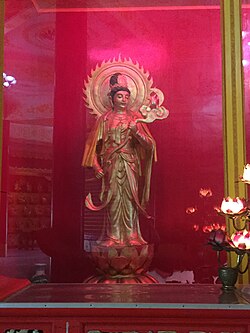
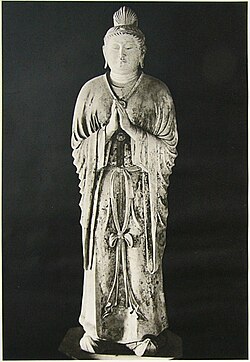
仏教においてもこの伝統は引き継がれており、テーラワーダ仏教の経典には、月神がラーフという悪魔に囚われ、仏陀の救いによって解放されるという物語が記されています。また、月光菩薩(ガッコウボサツ)のように、月の光を慈悲の象徴とする信仰も広がりました。
中国の伝説と不老不死
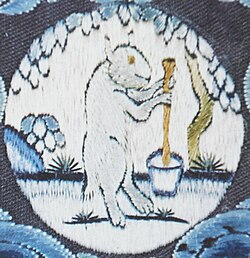
中国神話で最も有名なのは、月の宮殿に住む女神嫦娥(じょうが)です。彼女は不老不死の薬を飲み、月へと舞い上がったと伝えられています。また、月の中には不老不死の薬を調合するウサギが住んでいるという伝承があり、これは東アジア全域に影響を与えました。
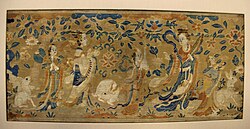
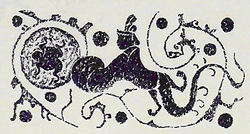
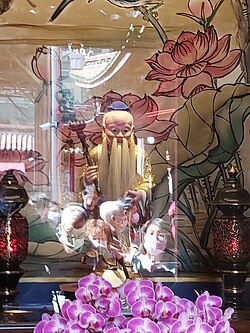
さらに、縁結びの神である月下老人(ユエラオ)のように、人間関係や運命を司る月に関連した神々も信仰されています。
日本の神道と物語
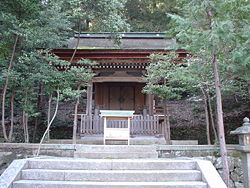
日本神話では、三貴子の一柱である月読命(ツクヨミ)が夜の世界を統べる神として登場します。京都の松尾大社など、彼を祀る社が今も大切にされています。
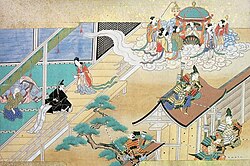
また、文学的な側面では『竹取物語』のかぐや姫のように、月を「遥か彼方の清浄な世界」として描き、地上への憧憬や別れの切なさを表現するモチーフとして用いてきました。
世界各地の月神と文化的背景
中東・地中海・エジプトの古代信仰
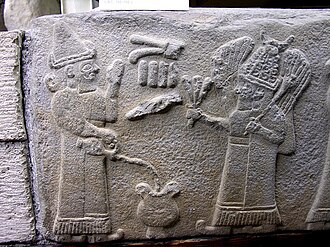
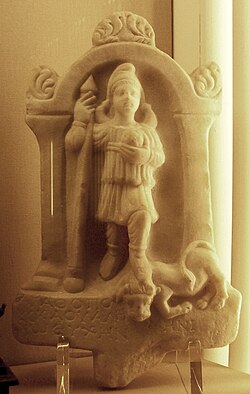
古代メソポタミアでは、シン(ナンナ)が重要な月神として崇められ、時間の管理や運命の決定に関わっていました。アナトリア地方ではアルマやメンといった神々が信仰され、特にメンはフリギア帽を被った姿で描かれることがあります。
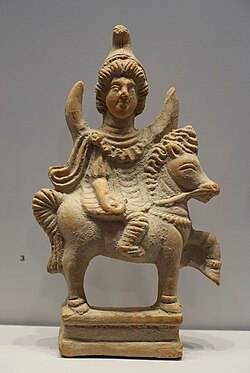
古代エジプトでは、コンスやイア(jꜥḥ)といった神々が月の運行を司っていました。「イア」という言葉自体がシンプルに「月」を意味し、夜の光をもたらす存在として敬われていました。

アメリカ大陸とオセアニアの神話
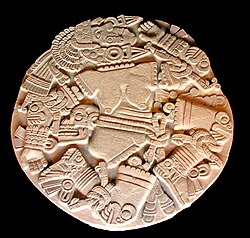
アステカ文明では、月に関連してコヨルシャウキのような複雑な神話が存在し、時には残酷な破壊と再生の物語が結びついていました。
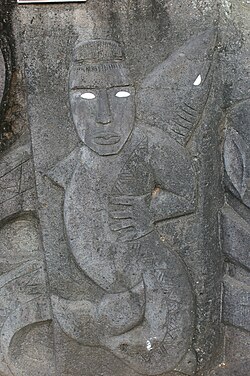
ポリネシアやマオリの文化では、アヴァテアやヒナといった神々が月のサイクルと密接に関わっており、自然界の調和を象徴しています。
欧州と北極圏の伝承
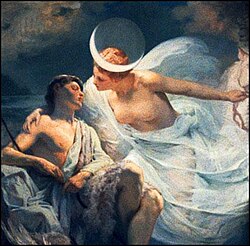
ギリシャ・ローマ神話では、セレネやルナが月の女神として描かれ、地上の人間との悲恋物語(エンディミオンなど)を通じて、月の儚さと美しさが表現されました。
また、イヌイットの信仰では、イガルクやアリニャクといった月神が、厳しい自然環境の中での生存や狩猟に深く関わる存在として語り継がれています。
フィリピン神話における多様な月神
フィリピンの多様な民族グループの間では、月神の役割が細分化されています。平和を司るブラン、太陽神と戦ったマヤリ、あるいは黄金のマスクを被ったハリヤなど、地域ごとに異なる個性が付与されています。これらは、自然現象への畏怖と、人間社会の道徳や感情を投影した結果と言えるでしょう。
世界各地の月神まとめ
| 文化圏 | 代表的な神名 | 主な属性・役割 | 性別(一般的) |
|---|---|---|---|
| インド(ヒンドゥー) | チャンドラ | 若々しさ、天体の運行 | 男性 |
| 中国 | 嫦娥(じょうが) | 不老不死、月の宮殿 | 女性 |
| 日本(神道) | 月読命 | 夜の統治 | 男性 |
| メソポタミア | シン / ナンナ | 運命、時間の管理 | 男性 |
| 古代エジプト | コンス / イア | 夜の光、時間 | 男性 |
| ギリシャ・ローマ | セレネ / ルナ | 夜の旅、美 | 女性 |
Frequently Asked Questions
月神はなぜ男性だったり女性だったりするのですか?
それは各文化が月にどのような性質を見出したかによるためです。例えば、女性的な「周期性」や「慈愛」に注目した文化では女神となり、権威的な「夜の支配」や「天体の秩序」に注目した文化では男神として定義されました。
「月の中のウサギ」という伝承はどこから来たのですか?
主に中国や日本などの東アジアで見られる伝承です。月の模様をウサギが餅をついたり、不老不死の薬を作ったりしている姿に見立てたもので、文化的な交流を通じて広がったと考えられています。
月食や日食は神話の中でどう説明されていましたか?
多くの神話では、巨大な怪物や悪魔が太陽や月を飲み込もうとする出来事として描かれました。例えば仏教の伝承では、ラーフという存在が月神を捕らえることで食が起こるとされています。
月神と太陽神はどのような関係として描かれることが多いですか?
対照的なペアとして描かれることが一般的です。光と闇、昼と夜、あるいは兄弟姉妹や夫婦として設定され、世界のバランスを保つ二元論的な役割を担わされることが多い傾向にあります。
References
- Harding, Esther M., 'Woman's Mysteries: Ancient and Modern', London: Rider, 1971, p. 24.
- Milbrath, Susan (1997). "Decapitated Lunar Goddesses in Aztec Art, Myth, and Ritual". Ancient Mesoamerica. 8 (2): 185–206. :10.1017/S095653610000167X. 0956-5361. 26307242.
- Hätinen, Aino (2021). The moon god Sîn in Neo-Assyrian and Neo-Babylonian times. Dubsar. Münster: Zaphon. .
- (1986). . Beacon Press. .
- Sfameni Gasparro, Giulia (2007). "The Hellenistic Face of Isis: Cosmic and Saviour Goddess". In Bricault, Laurent; Versluys, Miguel John; Meyboom, Paul G. P. (eds.). Nile into Tiber: Egypt in the Roman World. Proceedings of the IIIrd International Conference of Isis Studies, Faculty of Archaeology, Leiden University, May 11–14 2005. Brill. pp. 40–72. .
- "Table S4: Spatial correlation analysis of each environmental variable (see Table S1)". :10.7717/peerj.6263/supp-10.
{{}}: Missing or empty|url=() - Nogueira Guastavino, María Magdalena (2020). "La aplicación de los tratados internacionales sobre derechos fundamentales por parte del Tribunal Constitucional". Aplicación prevalente de la Carta de los Derechos Fundamentales de la Unión Europea y de los convenios de la Organización Internacional del Trabajo: 1–56. :10.62659/cf2001604.
- Ortega Pérez, Marta (2018-07-09). "La labor lexicográfica bilingüe de Fray Domingo de los Santos: Vocabulario de la lengua Tagala". RILEX. Revista sobre investigaciones léxicas. 1 (1): 29–53. :10.17561/rilex.v1.n1.2. 2605-3136.
- Potet, Jean-Paul (2017). Ancient beliefs and customs of the Tagalogs. Clichy: Jean-Paul G. Potet. .
- Daniélou, Alain (1991). The myths and gods of India: the classic work on Hindu polytheism from the Princeton Bollingen series. Rochester, Vt. : [s.l.]: Inner Traditions International ; Distributed to the book trade in the U.S. by American International Distribution Corp. .
📸 フォトギャラリー