西暦500年頃から1500年頃まで、約1000年にわたって続いた中世は、古代ローマの遺産と近代の幕開けを繋ぐダイナミックな時代でした。かつての巨大帝国が崩壊し、新たな民族が台頭し、キリスト教が社会の精神的支柱となったこの時代は、単なる「停滞期」ではなく、現代ヨーロッパの国家や文化の基礎が築かれた重要な転換点でした。
Key Facts
- 期間: 西暦500年頃から1500年頃までの約10世紀間。
- 政治的転換: 西ローマ帝国の崩壊後、ゲルマン民族による諸王国が乱立し、後に封建制度へと移行。
- 宗教的影響: キリスト教(カトリックおよび正教)が政治・文化・教育の全域を支配。
- 経済的変動: 自給自足の荘園制から、都市の発展と商業の復活、そして貨幣経済への移行。
- 終焉の要因: 黒死病の流行、百年戦争、そしてビザンツ帝国の滅亡が近代への移行を加速させた。
中世の幕開けと初期中世の混乱
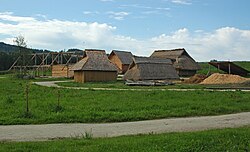
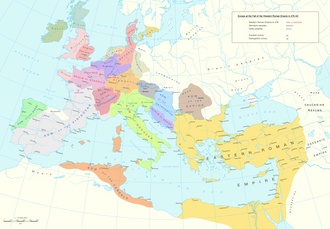
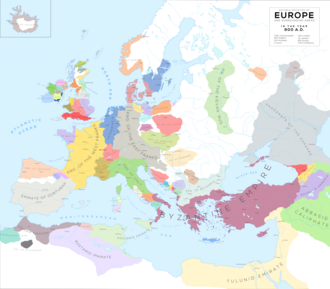
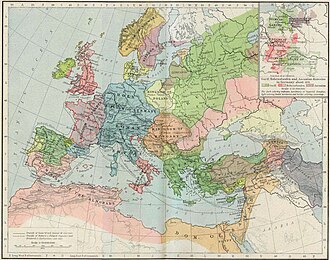
中世の始まりは、西ローマ帝国の崩壊という劇的な出来事に端を発します。かつての統一的な統治機構が失われ、ヨーロッパは多様な「蛮族」と呼ばれるゲルマン諸部族の王国へと分断されました。
![A late Roman sculpture depicting the four Tetrarchs, now in Venice, Italy[21]](/images/0a/7f/0a7f1ddc7ecbd747714d9dc0d01aa38519e2b1afceb2c441140c1f541415dfb7.jpg)
この時期、政治的な境界線は絶えず変動し、不安定な情勢が続きました。しかし、その混乱の中でキリスト教が浸透し、異なる民族を統合する共通の価値観として機能し始めます。
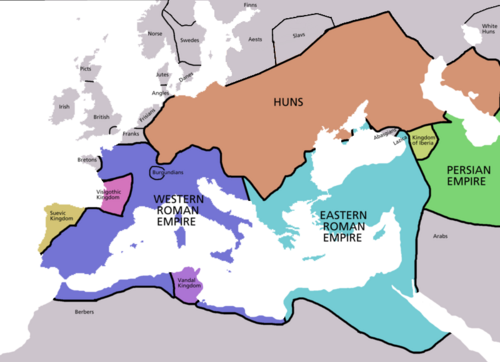
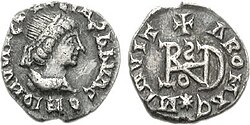
西欧では、ゴート族やヴァンダル族などの諸部族が独自の王国を築きました。特に東ゴート王国のテオドリック大王のような指導者は、ローマの行政制度を取り入れながら統治を試みました。
ビザンツ帝国の存続とイスラムの台頭
西欧が混乱に陥る一方で、東ローマ帝国(ビザンツ帝国)はコンスタンティノープルを拠点に繁栄を続けました。皇帝ユスティニアヌス1世の下で、かつてのローマ領土を回復しようとする試みがなされ、高度な法典の整備や芸術の発展が見られました。
![A mosaic showing Justinian with the bishop of Ravenna (Italy), bodyguards, and courtiers.[59]](/images/6b/ae/6bae6f87468e37aeaca3920209a8ea3aeae66f5f26d3f26c3540611fc9ee02a7.jpg)
しかし、7世紀に入るとアラビア半島でイスラム教が誕生し、急速に勢力を拡大します。このムスリムによる征服活動は、地中海世界の勢力図を塗り替え、ヨーロッパと東方との貿易や文化交流に大きな影響を与えました。
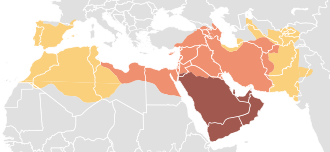
カロリング朝の興隆と社会の再編
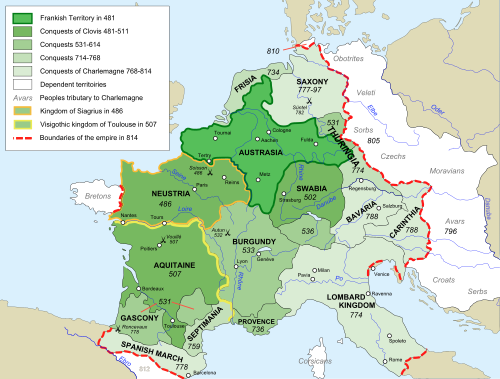
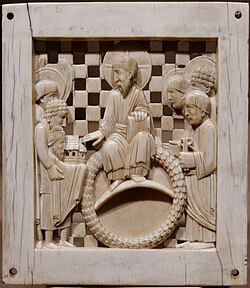
8世紀から9世紀にかけて、フランク王国が台頭します。特にシャルルマーニュ(カール大帝)は、西欧の大部分を統一し、政治的な安定をもたらしました。彼は教育や文化の振興に力を注ぎ、「カロリング・ルネサンス」と呼ばれる古典文化の復興を推進しました。
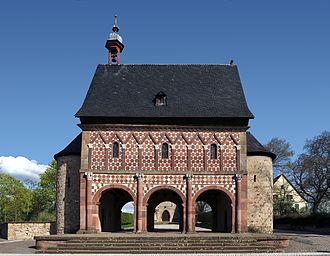
この時代の建築は、古典的な様式を再解釈したものが特徴で、アーヘンの宮廷礼拝堂などがその象徴です。また、修道院が知識の保存拠点となり、写本などの文化遺産が守られました。
![Charlemagne's palace chapel at Aachen, completed in 805[107]](/images/91/f2/91f2e64b8f3d6b9727c8112673ffd5fa8af8b47f556f97acd0db359003052f03.jpg)
しかし、シャルルマーニュの死後、帝国はヴェルダン条約などを経て分裂し、これが後のフランス、ドイツ、イタリアという国家形成の原型となりました。
信仰と知識の継承
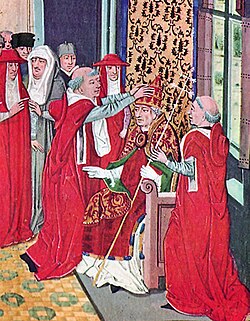
中世を通じて、教会は社会の頂点に君臨しました。教皇や司教は政治的な権力を持つだけでなく、教育の独占者でもありました。グレゴリウス1世のような人物は、教会の組織化と精神的な指導力を強化しました。
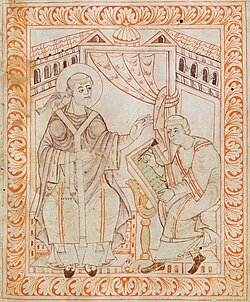
また、アイルランドやイギリスなどの辺境では、独自の装飾写本(ケルズの書など)が制作されるなど、宗教芸術が独自の進化を遂げました。
![A page from the Book of Kells, an illuminated manuscript created in the British Isles in the late 8th or early 9th century[139]](/images/9c/33/9c33f1cf82cb9400adf2bc23695e17630dee9d5a86c005978e13217059a48f0b.jpg)
盛期中世:封建社会の成熟と拡大
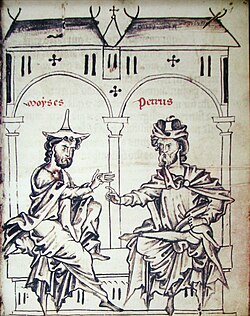
11世紀から13世紀にかけて、ヨーロッパは人口増加と農業技術の向上により、経済的な活性化を迎えます。ここで確立されたのが、主君と家臣が土地(封土)を介して結ばれる封建制度と、農民が領主に隷属して耕作する荘園制です。
![Medieval French manuscript illustration of the three classes of medieval society: those who prayed (the clergy) those who fought (the knights), and those who worked (the peasantry).[160] The relationship between these classes was governed by feudalism and manorialism.[161] (Li Livres dou Sante, 13th century)](/images/16/89/16891ce3f13b8c94acef5db87b9457ba11d7138c81461ec75340092cb8947bde.jpg)
社会は大きく分けて「祈る人(聖職者)」「戦う人(騎士)」「働く人(農民)」の三つの階級で構成されていました。この構造の中で、騎士道精神が育まれ、城郭建築が発展しました。
十字軍と知的覚醒
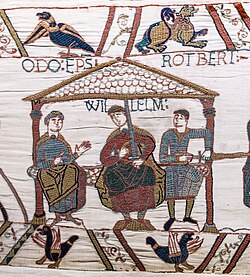
聖地エルサレムの奪還を掲げた十字軍遠征は、宗教的な情熱だけでなく、政治的・経済的な野心も絡んでいました。結果として聖地奪還は果たせませんでしたが、イスラム世界との接触により、失われていた古代ギリシャの哲学や科学知識がヨーロッパに再流入しました。
![Krak des Chevaliers was built during the Crusades for the Knights Hospitallers.[212]](/images/ae/b2/aeb227f030aab7757cdae7ef19717584b0a4274c3065b5984b89eecc21c13c8d.jpg)
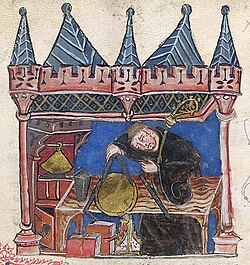
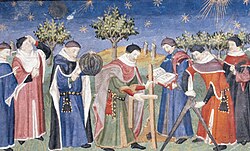
これにより、信仰と理性を調和させようとするスコラ学が発展し、大学が設立されました。学問の対象は神学だけでなく、天文学や幾何学へと広がっていきました。
芸術と建築の変遷
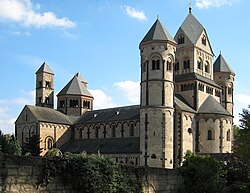
建築様式は、厚い壁と小さな窓が特徴の重厚な「ロマネスク様式」から、尖頭アーチや飛梁(フライング・バットレス)を用いて高く明るい空間を実現した「ゴシック様式」へと移行しました。
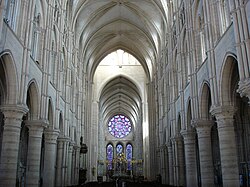
同時に、フランシスコ会のような清貧を説く新しい修道会が登場し、人々の信仰形態にも変化が現れました。
![Francis of Assisi, depicted by Bonaventura Berlinghieri in 1235, founded the Franciscan Order.[260]](/images/4f/ba/4fba353588154d55de54270435c4e2a43f4b843d9ef6a8811a32a8c0548b7f6c.jpg)
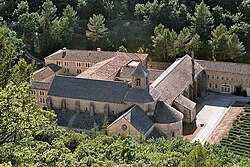
後期中世:危機と近代への胎動
14世紀に入ると、ヨーロッパは深刻な危機に見舞われます。気候変動による飢饉に加え、1347年頃にアジアから流入した黒死病(ペスト)が人口の大部分を奪い、社会構造を根底から揺るがしました。
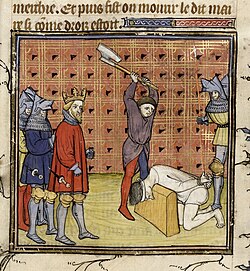
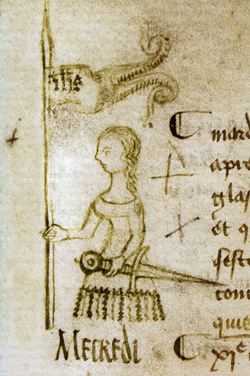
また、イングランドとフランスの間で長期にわたる百年戦争が勃発し、ジャンヌ・ダルクのような英雄が登場しました。これらの戦争と疫病は、封建領主の権威を失墜させ、逆に国王による中央集権化を促進することとなりました。
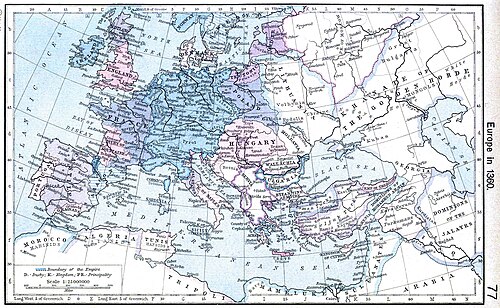
文明の転換点
1453年、ビザンツ帝国の首都コンスタンティノープルがオスマン帝国によって陥落し、東ローマ帝国は完全に消滅しました。これにより、多くの学者がイタリアへ亡命し、古代ギリシャ文化の再発見を促しました。
![Portrait of Cardinal Hugh of Saint-Cher by Tommaso da Modena, 1352, the first known depiction of spectacles[235]](/images/9e/81/9e810684430624bb83b1566fc768e8bf44ad471dd3b3b5c041fcf6e715d60d44.jpg)
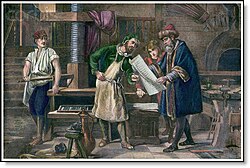
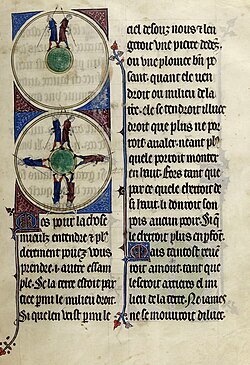
さらに、グーテンベルクによる活版印刷術の発明は、知識の普及速度を劇的に高め、特権階級による情報の独占を終わらせました。人々は地球が球体であることを認識し、未知の海域への探求心を強めていきました。
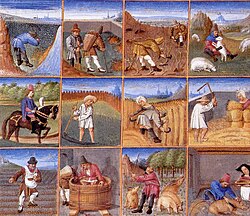
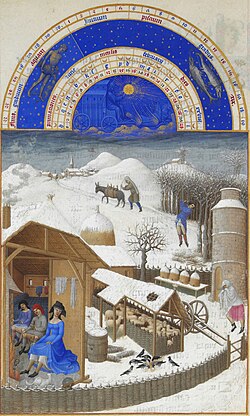
農業カレンダーの整備や生活様式の変化など、日常レベルでも合理化が進み、中世は徐々にルネサンスという新しい時代へと溶け込んでいきました。
| 区分 | 主な特徴 | 重要キーワード |
|---|---|---|
| 初期中世 (5-10世紀) | ローマ崩壊後の混乱と民族移動、キリスト教の浸透 | ゲルマン王国、ビザンツ帝国、カロリング朝 |
| 盛期中世 (11-13世紀) | 人口増加、都市の発展、封建制度の確立 | 十字軍、スコラ学、ゴシック建築、大学 |
| 後期中世 (14-15世紀) | 疫病と戦争による社会変動、中央集権化の進展 | 黒死病、百年戦争、活版印刷、ルネサンス |
Frequently Asked Questions
中世は本当に「暗黒時代」だったのでしょうか?
かつては古典文化が途絶えた停滞期として「暗黒時代」と呼ばれましたが、現代の歴史学では否定されています。実際には、カロリング・ルネサンスや大学の設立、高度な建築技術の発展など、絶え間ない文化的な創造と変革があった時代でした。
封建制度とは具体的にどのような仕組みでしたか?
土地を所有する主君が、その土地(封土)を管理させる代わりに、家臣から軍事的な奉仕や忠誠を誓わせる双務的な契約関係のことです。これにより、中央政府が弱い時代でも地域的な防衛と統治が可能になりました。
黒死病は社会にどのような影響を与えましたか?
人口が激減したことで労働力が不足し、生き残った農民の地位が向上しました。これにより、農民を土地に縛り付けていた荘園制が崩壊し、賃金労働や貨幣経済への移行が加速しました。
十字軍遠征の最大の成果は何でしたか?
軍事的な目的は達成できませんでしたが、イスラム世界から高度な科学、医学、哲学がもたらされたことです。これがヨーロッパ人の知的好奇心を刺激し、後のルネサンスへと繋がる学問的な土壌を作りました。
中世の終わりを告げた決定的な出来事は何ですか?
単一の出来事ではなく、複合的な要因があります。1453年のコンスタンティノープル陥落、活版印刷の普及、そして大航海時代の幕開けなどが、中世的な世界観を打ち破り、近代へと移行させました。
References
- This is the year the last Western Roman Emperors were driven from Italy.
- This system, which eventually encompassed two senior co-emperors and two junior co-emperors, is known as the .
- The commanders of the Roman military in the area appear to have taken food and other supplies intended to be given to the Goths and instead sold them to the Goths. The revolt was triggered when one of the Roman military commanders attempted to take the Gothic leaders hostage but failed to secure all of them.
- An alternative date of 480 is sometimes given, as that was the year Romulus Augustulus' predecessor died; Nepos had continued to assert that he was the Western emperor while holding onto .
- The English word "slave" derives from the Latin term for Slavs, slavicus.
- Brittany takes its name from this settlement by Britons.
- Such entourages are named by historians, although it is not a contemporary term. It was adapted in the 19th century from a word used by the 2nd-century historian to describe the close companions of a lord or king. The comitatus comprised young men who were supposed to be utterly devoted to their lord. If their sworn lord died, they were also expected to fight to the death.
- , ruler of what is today , converted in 525, and his subsequent persecution of Christians led to the invasion and conquest of his kingdom by the of .
- Muslim armies had earlier of Spain, after defeating the last Visigothic King (d. 711 or 712) at the in 711, finishing the conquest by 719.
- The Papal States endured until 1870, when the seized most of them.
📸 フォトギャラリー