紋章学(Heraldry)とは、個々人や団体を識別するための視覚的な記号である「紋章」の設計、表示、研究、および継承を扱う学問です。単なる装飾ではなく、血統や功績、所属を示す厳格な体系を持つシンボル言語として発展してきました。現代においても、都市や企業、国家などが自らのアイデンティティや志を表現するために、この伝統的な形式を継承しています。
主要な事実(Key Facts)
- 紋章学は中世盛期に、世襲的なデザインという概念と共に確立した。
- 完全な紋章(Achievement)は、盾(シールド)を中心に、兜、クレスト、サポーターなどで構成される。
- 紋章の正式な記述方法は「ブレイゾン(Blazon)」と呼ばれ、専門的な用語で定義される。
- ヨーロッパ各地で独自の発展を遂げ、ドイツ、オランダ、イギリスなどで異なる様式が見られる。
- 現代では、伝統的な紋章だけでなく、社会主義的なエンブレムや日本の家紋のような準紋章的な記号も研究対象となる。
紋章の構成要素と体系
紋章は単一の図案ではなく、複数の要素が組み合わさった「紋章の達成(Heraldic achievement)」として完結します。中心となるのは盾(エスカッシャン)であり、ここに描かれる色や図形が個人の識別において最も重要な役割を果たします。
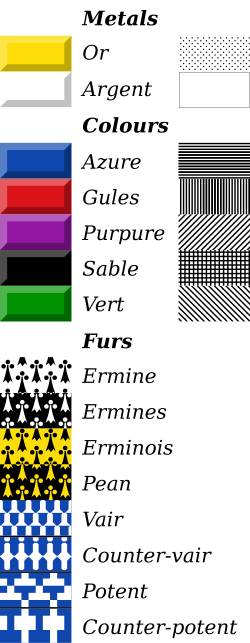
盾の背景色や図形の色は「ティンクチャー(Tinctures)」と呼ばれ、金属色(金・銀)と原色(赤・青・黒・緑・紫)、そして毛皮模様(アーミンやヴェールなど)に厳格に分類されています。
さらに、盾の上部には兜(ヘルメット)と、その上に載る装飾であるクレスト(Crest)が配置されます。また、盾を左右から支える「サポーター」や、信念を示す「モットー(標語)」、旗やバッジなどが添えられることで、より豪華で詳細な身分証明となります。
紋章の記述と管理
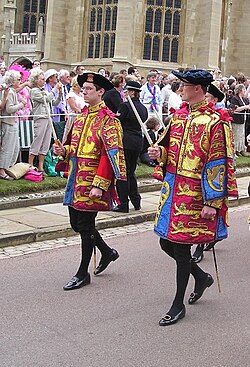
紋章の最大の特徴は、視覚的なデザインを正確な言葉で再現できる「ブレイゾン」という記述体系にあります。これにより、絵図がなくても言葉だけで正確に紋章を再構築することが可能です。また、紋章の重複を防ぎ、正当な継承を管理するために、イギリスの「紋章院(College of Arms)」のような公的な紋章当局が設置されました。
紋章学の歴史的変遷
起源と中世の発展
個人の識別記号は古くから存在していましたが、世襲的な体系としての紋章学が確立したのは12世紀頃のことです。かつては戦場での識別(兜で顔が見えないため)が目的だったと言われてきましたが、現代の研究ではその説を裏付ける根拠は少ないとされています。
初期の例として、1151年に没したアンジュー伯ジェフリー・プランタジネットの墓に見られるエナメル装飾が挙げられます。ここには青い盾に6頭の金色のライオンが描かれており、初期の近代紋章の形態を示しています。
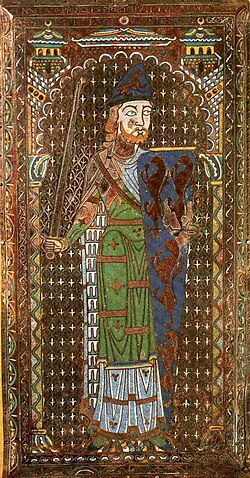
12世紀後半になると、公文書の封印(シール)に紋章が用いられるようになり、ヨーロッパ全土で急速に普及しました。14世紀半ばには、一つの紋章を一人だけが所有するという原則が定着し、所有権を巡る法的な争いも発生するようになりました。
地域的な様式の多様性
紋章学は地域によって異なる文化的な発展を遂げました。例えばドイツの紋章学では、盾の上に複数のクレストを配置する贅沢な様式が見られます。
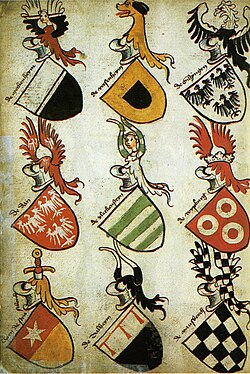
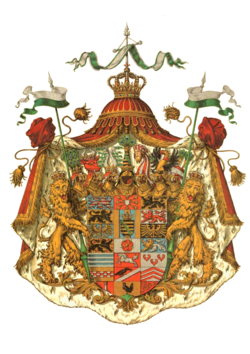
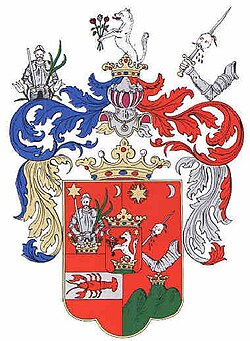
一方、オランダでは貴族だけでなく商人階級(市民)の間でも紋章が普及し、「市民紋章(Burgher arms)」という独自の文化が根付きました。これは、ローマ・オランダ法に基づき、他者の権利を侵害しない限り誰でも紋章を持つことができたためです。
また、北欧や東欧でも独自の発展があり、フィンランドの自治体紋章のように、地域の歴史や軍事的な功績を反映させたデザインが採用されています。

![The coat of arms of Mikkeli, a city of South Savo, Finland, has been drawn up in honour of the headquarters of the Finnish Army led by Marshal C. G. E. Mannerheim; this was stationed in the city during the Winter War, the Continuation War and the Lapland War. The coat of arms was originally used without the Mannerheim Cross, and is the third coat of arms affixed to the city.[89]](/images/24/de/24de601b7ddbeabd5206ef0d6a2e3172be19328b9f82c9f8bbe54abdc2d6ba08.webp)
非ヨーロッパ圏と準紋章的シンボル
ヨーロッパ以外の地域でも、紋章に似た識別記号が発展しました。日本の家紋や、中央アジアの「タムガ」、オスマン帝国のスルタンが用いた個別のモノグラム「トゥグラ」などがその例です。
近代に入ると、政治的な思想を反映した「社会主義的エンブレム」が登場しました。1922年のソビエト連邦創設以降、多くの共産主義国家が伝統的な紋章を廃止し、産業や農業を象徴する新しい様式を採用しましたが、冷戦終結後は再び伝統的な紋章に戻る国が多く見られました。
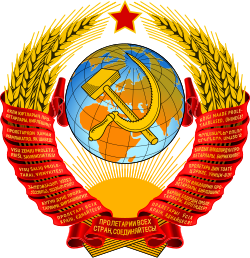
また、オスマン帝国では19世紀末に、ヨーロッパの外交上の要請を受けて初めて西洋的な形式の紋章を導入したという興味深い歴史を持っています。
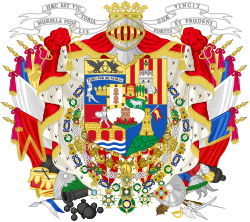
複雑な紋章の統合(マーシャリング)
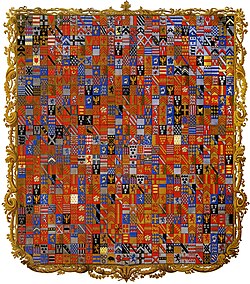
結婚や領地の継承により、複数の家系の紋章を一つにまとめる「マーシャリング」という技法があります。これにより、盾の中が細かく分割され、非常に複雑なデザインになることがあります。
紋章学の概要まとめ
| 要素 | 役割・特徴 | 備考 |
|---|---|---|
| 盾(エスカッシャン) | 紋章の核心となる部分。色と図形で個人を識別する。 | 最も重要な要素 |
| ティンクチャー | 紋章に使用される規定の色(金属色、原色、毛皮)。 | 色の組み合わせに規則がある |
| クレスト | 兜の上に配置される装飾的なシンボル。 | 地域により数が異なる |
| ブレイゾン | 紋章を言葉で定義する専門的な記述形式。 | 視覚情報を言語化する |
| サポーター | 盾を左右から支える人物や動物の図像。 | 高い地位を示すことが多い |
よくある質問(FAQ)
紋章は誰でも自由に作って良いものですか?
歴史的に、イギリスなどの一部の国では紋章当局(紋章院など)の承認が必要です。無断で使用することは不適切とされ、過去には当局による調査(ビジテーション)が行われ、不適切な紋章が抹消されたこともあります。一方で、オランダのように比較的自由な文化を持つ地域もありました。
「ブレイゾン」とは具体的にどのようなものですか?
ブレイゾンとは、紋章のデザインを専門用語を用いて文章で記述したものです。例えば「青地に金の斜め帯」といった具合に、色と形状を厳格に定義することで、世界中の紋章官が同じデザインを再現できるようにしています。
紋章と家紋の違いは何ですか?
どちらも識別記号としての機能は同じですが、ヨーロッパの紋章学は「盾」をベースとした複雑な構成要素(兜やサポーターなど)と厳格な記述体系を持つのが特徴です。対して日本の家紋は、円形などのシンプルな図案を主体とし、衣服や道具に配置される形式で発展しました。
なぜ紋章には特定の「色」のルールがあるのですか?
遠くから見た時に視認性を高めるためです。例えば、「金属色の上に金属色を重ねない」「原色の上に原色を重ねない」という原則(ティンクチャーの法則)があり、これによりコントラストが明確になり、戦場や儀式で誰であるかを瞬時に判別できました。
References
- This was undertaken by Odo, Bishop of Bayeux, and half-brother of William I, whose conquest of England is commemorated by the tapestry.
- Only four lions are visible in this depiction, in which the shield is shown in profile, but judging from their position, there must have been six; the tomb of Geoffrey's grandson, , shows him bearing an apparently identical shield, but on this all six lions are at least partly visible.
- The term "coat of arms" is sometimes used to refer to the entire achievement, of which the shield is the central part.
- There are exceptions to this rule, in which the shape of the escutcheon is specified in the blazon; for example, the , and the former ; in the United States, the use an escutcheon in the shape of a stone arrowhead, while the arms of require a shield; the Scottish Public Register specifies an oval escutcheon for the Lanarkshire Master Plumbers' and Domestic Engineers' Association, and a square shield for the Anglo Leasing organisation.
- Because most shields are widest at the chief, and narrow to a point at the base, fess point is usually slightly higher than the midpoint.
- Technically, the word tincture applies specifically to the colours, rather than to the metals or the furs; but for lack of another term including all three, it is regularly used in this extended sense.
- For instance, the arms of Lewes Old Grammar School, granted 25 October 2012: "Murrey within an Orle of eight Crosses crosslet Argent a Lion rampant Or holding in the forepaws a Book bound Azure the spine and the edges of the pages Gold" and those of Woolf, granted 2 October 2015: "Murrey a Snow Wolf's Head erased proper on a Chief Argent a Boar's Head coped at the neck between two Fleurs de Lys Azure."
- "There are no fixed shades for heraldic colours. If the official description of a coat of arms gives its tinctures as Gules (red), Azure (blue) and Argent (white or silver) then, as long as the blue is not too light and the red not too orange, purple or pink, it is up to the artist to decide which particular shades they think are appropriate."
- Some 6939 mon are listed here Archived 2016-10-28 at the .
- See the College of Arms newsletter for quarterly samplings of English grants and the Chief Herald of Ireland's webpage Archived 2006-10-04 at the for recent Irish grants.
📸 フォトギャラリー