私たちの身の回りにあるあらゆる製品は、「材料」でできています。材料科学とは、物質の内部構造とそれがもたらす特性の関係を解明し、特定の目的に最適な素材を設計する学際的な分野です。原子レベルの配列から微視的な組織まで、材料の内部構造が機械的、電気的、熱的、そして光学的な挙動を決定づけます。
現代の工学において、材料科学は「プロセス(製造工程)→構造→特性→性能」という一連のパラダイム(枠組み)で捉えられます。どのように作るかが構造を決め、構造が特性を生み、その特性が最終的な製品としての性能を左右するという考え方です。
![The materials paradigm represented in the form of a tetrahedron (also called central paradigm of material science and engineering)[8]](/images/6c/72/6c7215eb1576a16cf7b69b3ecc7d115aa13725b9435f65bd4b119f4cbd2931b1.webp)
Key Facts
- 学際的アプローチ:物理学、化学、工学の知見を統合して物質を研究する。
- 3大材料分類:一般的に「金属」「セラミックス」「ポリマー」の3つのグループに大別される。
- 構造の階層性:原子レベルの結合からナノ構造、マイクロ構造、そしてマクロ構造へと視点を広げて解析する。
- デジタル変革:近年はコンピュータシミュレーションを用いた新材料の予測と設計が主流となっている。
材料科学の歩みと発展
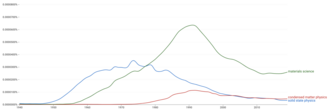
材料科学のルーツは啓蒙時代に遡ります。それまでの経験的な冶金術や鉱物学に、化学や物理学の分析的な思考が導入されたことで、科学的なアプローチが始まりました。長らく物理学や化学のサブフィールドと見なされていましたが、1940年代に入ると独立した学問領域として認識され、世界各地の大学に専門学部が設立されました。
1960年代以前は、主に金属工学やセラミックス工学が中心でしたが、米国での研究助成などをきっかけに、微視的な挙動に基づいた材料設計という概念が浸透しました。これにより、単なる素材の利用から「望ましい特性を持つ材料を設計する」時代へと移行しました。
物質を構成する構造の階層
原子構造と結晶学
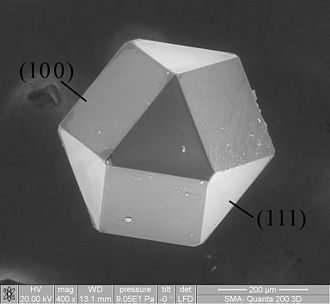
材料の最も基本的なレベルでは、原子間の結合や配列が重要になります。特に規則正しく配列した結晶構造は、材料の物理的性質に決定的な影響を与えます。
![Crystal structure of a perovskite with a chemical formula ABX3[13]](/images/d7/7c/d77ca2da4dd74d3791fcc9282d370f8e06f670fa9e724b21fd01812532bdb9b1.jpg)
ナノ構造とマイクロ構造
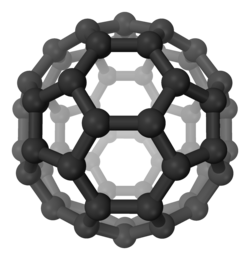
原子よりも大きく、目に見える大きさよりも小さい領域の構造が、材料の個性を形作ります。例えば、1〜100nm(ナノメートル)のスケールを持つナノ材料は、従来のバルク材料とは異なる特異な光学・電気的特性を示すことがあります。
- ナノテクスチャ:表面の厚みがナノスケールの構造。
- ナノチューブ:直径がナノスケールで、長さがそれより遥かに長い管状構造。
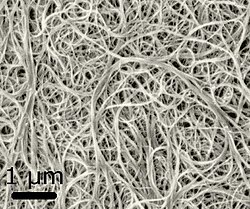
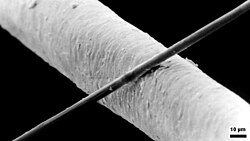
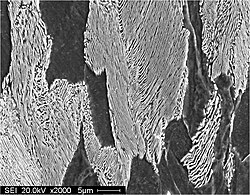
さらに、顕微鏡レベルで観察されるマイクロ構造(組織)も重要です。例えば、鋼材に見られるパーライトのような組織は、材料の強度や靭性に直接関わります。
主要な材料カテゴリーと特性
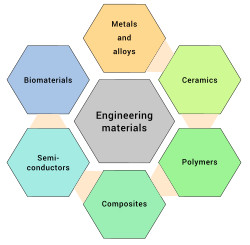
現代の材料は、大きく分けて以下の3つのグループに分類されます。
1. 金属と合金
金属材料は、元素を組み合わせた合金化によって特性を調整します。代表的な鉄鋼材料では、炭素含有量によって「鋼(スチール)」と「鋳鉄」に分けられます。炭素量が増えると硬度と引張強度は向上しますが、延性や靭性は低下します。また、クロムを10%以上添加したステンレス鋼のように、耐食性を高めた合金も広く利用されています。

2. セラミックスとガラス
非金属の無機材料であり、一般に耐熱性や硬度が高いのが特徴です。伝統的な陶磁器から、窒化ケイ素(Si3N4)を用いた高精度なベアリング部品などのエンジニアリングセラミックスまで多岐にわたります。
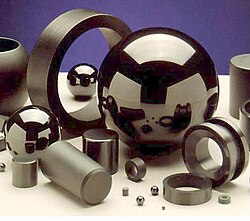
3. ポリマー(高分子)
小さな分子(モノマー)が繰り返し結合してできた巨大分子です。ポリプロピレンのような汎用プラスチックから、梱包材に使われる発泡スチロールまで、軽量で成形性に優れた材料として不可欠です。

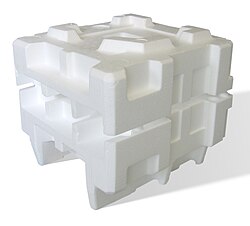
これらの材料を使い分けることで、飲料容器のような日常品から、高度な産業機器までが実現しています。

次世代の材料技術と研究領域
現代の材料科学は、計算科学の導入により飛躍的に進化しています。コンピュータによるシミュレーションで新材料を予測し、効率的に開発する手法が定着しています。
![Number of works in the field of materials science in the OpenAlex database by year[26] – in 2025, Nature reported big increases in article volume in the past two years in associated fields, noting they are closely related to the development of increasingly popular next-generation green technologies and a growing article output from particular countries and regions that prioritize the field.[27]](/images/94/f5/94f5d206fffa0bef27e9641b4bf7f42757dbd05f184300602540e2ee40174648.webp)
注目される新材料
- ナノ材料:カーボンナノチューブやフラーレンなど、極小スケールで驚異的な強度や導電性を持つ材料。
- バイオマテリアル:生体組織と親和性が高く、医療用インプラントなどに利用される材料。
- メタマテリアル:自然界に存在しない屈折率(負の屈折率など)を持つよう人工的に設計された構造体。
- グラフェン:炭素原子が一層に並んだシート状の材料で、次世代の半導体や導電材として期待されています。
![Negative index metamaterial[29][30]](/images/62/91/62917d7204b0cb0914ab529615a3de0be42c364b15f68ebe6cee288cc2b43b29.jpg)
材料特性のまとめ
| 材料グループ | 主な特徴 | 代表例 | 主な用途 |
|---|---|---|---|
| 金属 | 高強度、高導電性、延性あり | 鋼、アルミニウム、チタン | 建築構造材、自動車部品 |
| セラミックス | 高硬度、耐熱性、絶縁性 | 酸化アルミニウム、ガラス | 耐熱タイル、電子基板 |
| ポリマー | 軽量、柔軟性、化学的安定性 | ポリエチレン、ナイロン | 包装材、プラスチック製品 |
また、合金の相転移や状態を理解するための「相図」などの熱力学的アプローチも、材料設計の根幹を支えています。


Frequently Asked Questions
材料科学と材料工学の違いは何ですか?
材料科学は主に物質の構造と特性の「関係性を理解すること」に焦点を当てた基礎研究的な側面が強く、材料工学はその知識を応用して「特定の目的を持つ材料を設計・製造すること」に重点を置いた実践的な側面が強い分野です。実際には密接に連携しており、併せて呼ばれることが一般的です。
ナノ材料が特別な性質を持つのはなぜですか?
材料のサイズがナノスケール(1〜100nm程度)になると、比表面積が劇的に増加し、量子力学的な効果が顕著に現れるためです。これにより、バルク(塊)の状態では見られない特異な電気伝導性や光学特性、機械的強度などが現れます。
鉄鋼材料において炭素量はどのような役割を果たしますか?
炭素は鉄の結晶構造に入り込み、転位(原子配列のズレ)の移動を妨げるため、含有量が増えるほど材料は硬くなり、引張強度が高まります。ただし、増やしすぎると脆くなる(靭性が低下する)ため、用途に応じて0.01%から2.00%の間で精密に調整されます。
計算材料科学とは具体的に何をする分野ですか?
量子力学や統計力学に基づいたコンピュータシミュレーションを用いて、新しい結晶構造の安定性を予測したり、未知の材料の物性を計算したりする分野です。これにより、膨大な試行錯誤を伴う実験回数を大幅に削減し、効率的な材料開発が可能になります。
References
- Callister, William (2018). Materials Science and Engineering: An Introduction (10th ed.). Hoboken, NJ: Wiley. pp. 3–5. .
- Eddy, Matthew Daniel (2008). The Language of Mineralogy: John Walker, Chemistry and the Edinburgh Medical School 1750–1800. . Archived from the original on 2015-09-03 – via Academia.edu.
- (1981). A Search for Structure. . .
- Defonseka, Chris (2020). Polymer Fillers and Stiffening Agents: Applications and Non-traditional Alternatives. Berlin: Walter de Gruyter GmbH & Co KG. p. 31. .
- Psillos, Dimitris; Kariotoglou, Petros (2015). Iterative Design of Teaching-Learning Sequences: Introducing the Science of Materials in European Schools. Dordrecht: Springer. p. 79. .
- Martin, Joseph D. (2015). "What's in a Name Change? Solid State Physics, Condensed Matter Physics, and Materials Science" (PDF). Physics in Perspective. 17 (1): 3–32. :2015PhP....17....3M. :10.1007/s00016-014-0151-7. 117809375.
- Channell, David F. (2017). A History of Technoscience: Erasing the Boundaries between Science and Technology. Oxon: Routledge. p. 225. .
- Callister, William D., Jr. Materials science and engineering: an introduction (10th ed.). Wiley. .
{{}}: CS1 maint: multiple names: authors list () - "For Authors: Nature Materials" Archived 2010-08-01 at the
- Callister; Rethwisch (2009). Materials Science and Engineering – An Introduction (8th ed.). John Wiley and Sons. pp. 5–12.
📸 フォトギャラリー