Offering of the Mandan Indians, aquatint by Karl Bodmer
← ホームへ戻る

マンダン族の歴史と文化北米平原の交易拠点から現代への歩み

🗓 2026年8月15日

北米大陸の広大な平原、現在のノースダコタ州ミズーリ川流域に根を下ろしたマンダン族は、かつて強力な経済力と独自の社会構造を持つ先住民族として繁栄しました。彼らは定住型の農業と広範な交易ネットワークを組み合わせ、地域の中心的な役割を果たしていましたが、外来の疫病や部族間抗争という過酷な試練に直面することになります。

本記事では、彼らの黄金時代から、人口激減という悲劇、そして現代における文化復興への道のりを詳しく解説します。

Key Facts

  • 交易の拠点: 18世紀、ミズーリ川流域で毛皮や馬、農産物の仲介貿易を支配し、繁栄を極めた。
  • 人口の激減: 1781年と1837〜38年の天然痘流行により、人口の大部分を失うという壊滅的な打撃を受けた。
  • 独特な住居: 女性が所有・管理する大規模な土造りの住居「アースロッジ」で共同生活を送っていた。
  • 三連盟部族: 現在はヒダツァ族、アリカラ族と共に「三連盟部族(Three Affiliated Tribes)」として共生している。
  • 言語の危機: 固有のマンダン語は絶滅の危機にあり、現在は教育プログラムによる継承が進められている。

繁栄の時代と社会構造

15世紀までに現在のノースダコタ州付近に定住したマンダン族は、1500年から1782年頃にかけて絶頂期を迎えました。彼らの村は高度に要塞化されており、例えばハフ村では1,000人以上の住民が115棟もの大規模なロッジに暮らしていました。
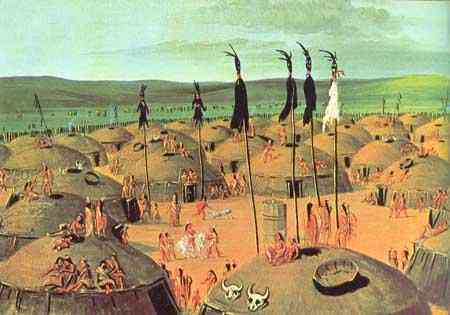
Painting of a Mandan village by George Catlin, c. 1832

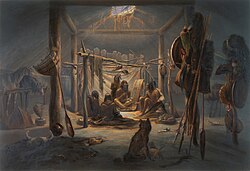
彼らの社会的な特徴の一つが、女性中心の住居管理です。直径約12メートルのアースロッジ(土造りの住居)は女性が設計・所有し、その権利は母系で継承されました。一つのロッジには親族関係にある複数の家族、最大で30〜40人が同居し、男性は結婚すると妻のロッジへ移り住む習慣がありました。
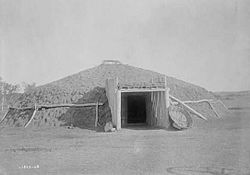
Mandan earth lodge, photographed by Edward S. Curtis, circa 1908
"The interior of the hut of a Mandan Chief": aquatint by Karl Bodmer from the book "Maximilian, Prince of Wied's Travels in the Interior of North America, during the years 1832–1834"

経済面では、南方の apache(アパッチ)から導入した馬を活用し、狩猟範囲を平原へと拡大させました。また、フランス人などの欧州商人にとっても重要なパートナーであり、毛皮や銃、農作物などを扱う仲介貿易で大きな富と影響力を蓄えました。
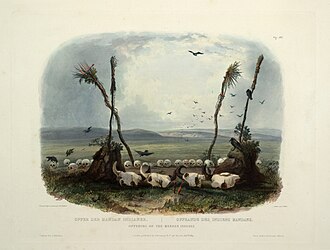
Offering of the Mandan Indians, aquatint by Karl Bodmer

欧州との接触と悲劇の連鎖

1738年にフランス人貿易商ラ・ヴェランドリエが訪れた当時、マンダン族は9つの要塞化された村に約15,000人が居住する強大な民族でした。しかし、この接触は同時に、彼らに免疫のない致命的な病原体をもたらすことになります。

1781年に発生した天然痘の流行は、彼らの社会を根底から揺るがしました。多くの氏族が消滅し、生き残った人々は防御のために村を統合せざるを得なくなりました。その後、1804年にはルイス・クラーク遠征隊が彼らの村を訪れ、冬を越すための「フォート・マンダン」を建設しました。この際、彼らはショショーニ族の女性サカガウィアと出会い、後の太平洋到達への重要な助けを得ることになります。
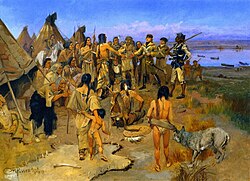
Lewis and Clark meeting the Mandan Indians, by Charles Marion Russell, 1897

さらに壊滅的な打撃となったのが、1837年から1838年にかけての天然痘の再流行です。蒸気船による接触が原因とされ、当時の人口約1,600人のうち、なんと90%が死亡したと推定されています。指導者であったフォー・ベアーズ(四頭の熊)を含む多くの人々が命を落とし、生き残ったわずか125〜150人ほどの人々は、生存したヒダツァ族と合流して新たな村を形成しました。
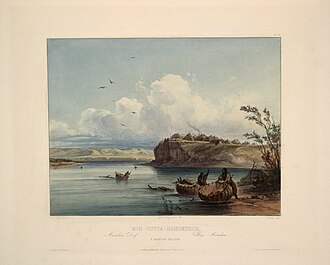
"Mih-Tutta-Hangkusch, a Mandan village": aquatint by Karl Bodmer from the book Maximilian, Prince of Wied's Travels in the Interior of North America, during the years 1832–1834. The name of the village is usually spelled "Mitutanka" now. Located on the west bank of the Missouri River, it was burned by Yankton Sioux Indians in 1839.

精神世界と文化的アイデンティティ

マンダン族の精神生活の中心にあったのが、神聖な年次儀式オキパ(Okipa)です。この儀式を完遂した者は精霊に認められたとされ、二度完遂した者は部族内で永遠の名声を得ました。フォー・ベアーズはこの儀式を二度完遂した伝説的な人物として知られています。
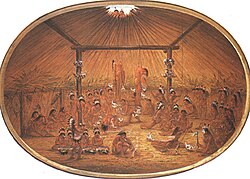
The Okipa ceremony as witnessed by George Catlin in 1832.

彼らの文化は、芸術家ジョージ・キャトリンやカール・ボドマーによって詳細に記録されました。彼らの肖像画や村の風景画は、当時の豊かな生活様式や精神性を今に伝える貴重な資料となっています。

A pair of Mandan men in a print by Karl Bodmer, 19th century. Yellow Feather at left, "son of a celebrated chief". He was killed by a Sioux around a year after Bodmer painted him.[9]
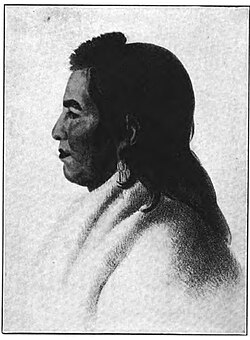
Painting of Mandan Chief Big White
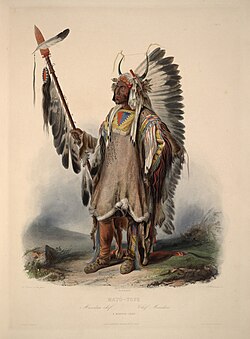
"Mató-Tope, a Mandan chief": aquatint by Karl Bodmer from the book "Maximilian, Prince of Wied's Travels in the Interior of North America, during the years 1832–1834"

また、彼らの生活には自然への深い敬意が根付いており、バッファローダンスなどの儀礼的な舞踊を通じて、自然界との調和を願っていました。
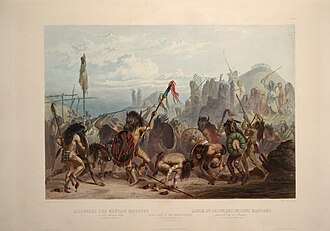
Buffalo Dance: "Bison-Dance of the Mandan Indians in front of their Medecine Lodge in Mih-Tutta-Hankush": aquatint by Karl Bodmer from the book "Maximilian, Prince of Wied's Travels in the Interior of North America, during the years 1832–1834"

現代への継承と復興

19世紀後半から20世紀にかけて、政府による土地の没収が続き、彼らの居住区は大幅に縮小されました。しかし、マンダン族はヒダツァ族、アリカラ族と共に「三連盟部族」として結束し、文化の保存に努めてきました。
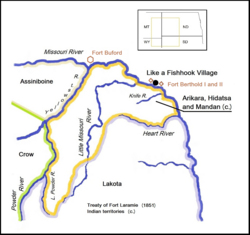
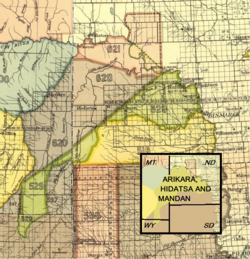
Arikara, Hidatsa and Mandan Indian territory, 1851. Like-a-Fishhook Village, Fort Berthold I and II, and military post Fort Buford, North Dakota.
Arikara, Hidatsa and Mandan 1851 treaty territory. (Area 529, 620 and 621 south of the Missouri). Fort Berthold Indian Reservation included land both south and north of the Missouri (the light pink area). The acreage of the reservation was reduced later.

かつての伝統的なアースロッジは、現在は歴史サイトなどで再現されており、次世代への教育に活用されています。また、2005年に開通した「フォー・ベアーズ橋」は、三部族の文化を称えるメダリオンで装飾されており、現代における部族の誇りと団結の象徴となっています。
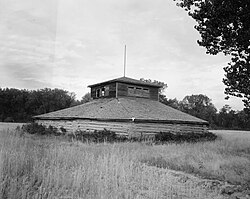
Dance lodge from the Elbowoods area on the Fort Berthold Reservation. Built in 1923, this is a wooden version of the classic Mandan earthwork lodge. This area was flooded in 1951. From the Historic American Engineering Record collection, Library of Congress.
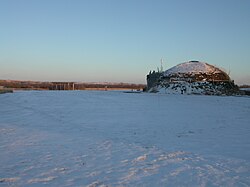
Snow scene of a modern reconstructed earth lodge at the Knife River Indian Villages National Historic Site, North Dakota

言語面では、マンダン語の流暢な話者が極めて少なくなっていますが、地元の学校で言語学習プログラムが導入されるなど、アイデンティティの回復に向けた取り組みが続いています。
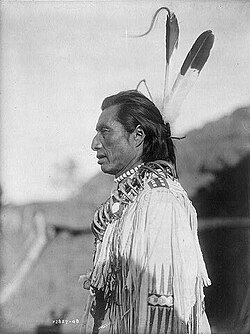
Crow's Heart, a Mandan, wearing a traditional deerhide tunic, photo by Edward Curtis, c. 1908
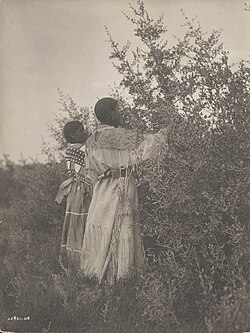
Mandan girls gathering berries, photo by Edward Curtis, c. 1908

マンダン族の概要まとめ

マンダン族の歴史的・文化的特性
項目 詳細
主要居住地 ノースダコタ州(ミズーリ川流域)
社会構造 母系社会(女性が住居を所有・管理)
経済基盤 定住農業および広域交易(仲介貿易)
人口変動 全盛期 約15,000人 → 1838年流行後 約125〜150人
重要儀式 オキパ(Okipa)
現代の形態 三連盟部族(Mandan, Hidatsa, Arikara)

Frequently Asked Questions

マンダン族がかつて繁栄した理由は何ですか?

彼らがミズーリ川という交通の要所に定住し、北米各地の部族や欧州の商人を結ぶ仲介貿易を支配したためです。特に毛皮、馬、農産物の取引において強力な経済的影響力を持っていました。

天然痘の流行はどのようにして広がったと考えられていますか?

18世紀後半の流行はスペイン帝国領内のメキシコシティから北上し、貿易や戦争を通じて伝播しました。また、1837年の流行は、セントルイスからミズーリ川を遡上したアメリカ毛皮会社の蒸気船の乗客や乗組員がウイルスを持ち込んだことが原因とされています。

アースロッジとはどのような住居でしたか?

土と木材で造られた直径約12メートルの大規模な円形住居です。内部は4本の太い柱で屋根を支える構造で、数十人が共同生活を送ることができました。この住居は女性によって設計・所有されていました。

現在のマンダン族の状況はどうなっていますか?

現在はヒダツァ族、アリカラ族と共に「三連盟部族」としてノースダコタ州のフォート・バーソールド保留区などで生活しています。人口は回復傾向にあり、伝統文化の復興や言語の継承活動に力を入れています。

オキパ儀式とはどのようなものでしたか?

マンダン族の最も神聖な年次儀式であり、精神的な成長と部族内での名声を得るための過酷な試練を含む儀礼でした。1889年まで行われ、1983年には異なる形式で復活しました。

References

  1. "2010 Census CPH-T-6. American Indian and Alaska Native Tribes in the United States and Puerto Rico: 2010" (PDF). www.census.gov. Retrieved 18 January 2015.
  2. Bowers, Alfred W. (9 June 2010). "Three Affiliated Tribes". Belonging to the Land. Retrieved 18 May 2025.
  3. Pritzker 335
  4. "Searching for English word(s): mandan". AISRI Dictionary Database Search. Retrieved 2019-08-11.
  5. Elizabeth Fenn: Encounters at the Heart of the World: a History of the Mandan People
  6. Synonymy section written by D. R. Parks in Wood & Irwin, pp. 362–364.
  7. Jahoda p. 174.
  8. Catlin, p. 80, vol. 1 North American Indians.
  9. Ewers, John C.: "Early White Influence Upon Plains Indian Painting: George Catlin and Karl Bodmer Among the Mandans, 1832–34". Indian Life on the Upper Missouri. Norman and London, 1988, pp. 98–109, quote p. 106.
  10. Personal communication from Mauricio Mixco in 1999, reported in Parks & Rankin p. 112.

📸 フォトギャラリー

Offering of the Mandan Indians, aquatint by Karl Bodmer
A pair of Mandan men in a print by Karl Bodmer, 19th century. Yellow Feather at left, "son of a celebrated chief". He was killed by a Sioux around a year after Bodmer painted him.[9]
Buffalo Dance: "Bison-Dance of the Mandan Indians in front of their Medecine Lodge in Mih-Tutta-Hankush": aquatint by Karl Bodmer from the book "Maximilian, Prince of Wied's Travels in the Interior of North America, during the years 1832–1834"
Painting of a Mandan village by George Catlin, c. 1832
Lewis and Clark meeting the Mandan Indians, by Charles Marion Russell, 1897
Painting of Mandan Chief Big White
"Mató-Tope, a Mandan chief": aquatint by Karl Bodmer from the book "Maximilian, Prince of Wied's Travels in the Interior of North America, during the years 1832–1834"
Dance lodge from the Elbowoods area on the Fort Berthold Reservation. Built in 1923, this is a wooden version of the classic Mandan earthwork lodge. This area was flooded in 1951. From the Historic American Engineering Record collection, Library of Congress.
Arikara, Hidatsa and Mandan Indian territory, 1851. Like-a-Fishhook Village, Fort Berthold I and II, and military post Fort Buford, North Dakota.
Arikara, Hidatsa and Mandan 1851 treaty territory. (Area 529, 620 and 621 south of the Missouri). Fort Berthold Indian Reservation included land both south and north of the Missouri (the light pink area). The acreage of the reservation was reduced later.
"Mih-Tutta-Hangkusch, a Mandan village": aquatint by Karl Bodmer from the book Maximilian, Prince of Wied's Travels in the Interior of North America, during the years 1832–1834. The name of the village is usually spelled "Mitutanka" now. Located on the west bank of the Missouri River, it was burned by Yankton Sioux Indians in 1839.
Mandan earth lodge, photographed by Edward S. Curtis, circa 1908
Snow scene of a modern reconstructed earth lodge at the Knife River Indian Villages National Historic Site, North Dakota
"The interior of the hut of a Mandan Chief": aquatint by Karl Bodmer from the book "Maximilian, Prince of Wied's Travels in the Interior of North America, during the years 1832–1834"
Crow's Heart, a Mandan, wearing a traditional deerhide tunic, photo by Edward Curtis, c. 1908
Mandan girls gathering berries, photo by Edward Curtis, c. 1908
The Okipa ceremony as witnessed by George Catlin in 1832.