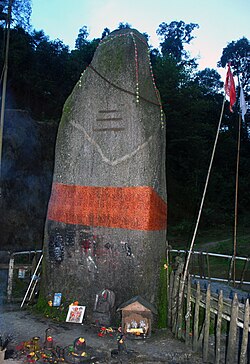
ヒンドゥー教のシヴァ派(シャイヴィズム)において、最も重要かつ普遍的な象徴として崇拝されているのがリンガム(Lingam)です。多くの場合、円筒形の石柱として表現されるこの聖像は、単なる造形物ではなく、宇宙の創造と破壊、そして無限のエネルギーを司るシヴァ神の顕現であると考えられています。
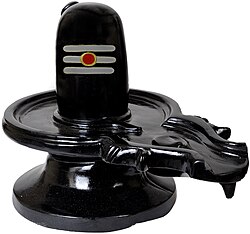
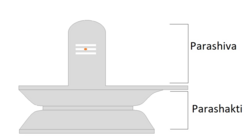
リンガムは、しばしば「ヨニ」と呼ばれる台座と組み合わせて安置されます。この組み合わせは、男性性と女性性の統合、あるいは宇宙的な創造力の調和を象徴しており、精神的な覚醒と宇宙の根源的な一体性を表しています。
Key Facts
- 本質的な意味: シヴァ神の象徴であり、宇宙の無限な柱や創造的なエネルギーを表現している。
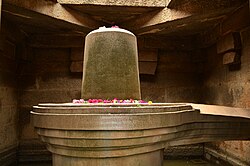
- 構成要素: 垂直な円柱状の「リンガム」と、それを支える台座である「ヨニ」から成ることが多い。
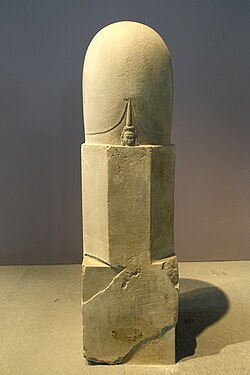
- 多様な形態: 顔が彫られた「ムカリンガ」や、自然の岩石そのままの形態など、地域や伝統により様々である。
- 広範な信仰: インド国内のみならず、カンボジア、ベトナム、インドネシアなど東南アジア全域にまで信仰が広がった。
- 哲学的な位置づけ: 物質的な形を超えた「形なき神」への到達を助ける瞑想の対象とされる。
リンガムの形態と象徴的なバリエーション
リンガムの造形は、信仰される宗派や時代、地域によって多様な進化を遂げてきました。最も一般的なのは滑らかな円柱形ですが、特定の意味を込めた特殊な形式も存在します。
ムカリンガと多面的な表現
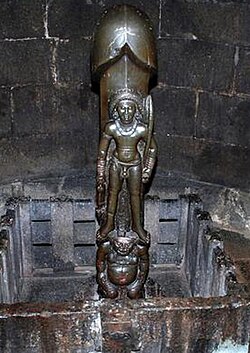
ムカリンガ(Mukhalinga)は、円柱の側面にシヴァ神の顔が彫られた形式です。これにより、形なき無限の存在であるリンガムに、人格神としての側面が付与されます。場合によっては、四方や八方に異なる表情が刻まれ、神の遍在性が強調されます。
自然崇拝と巨大造形
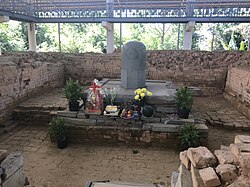
人工的に加工された石像だけでなく、自然に形成された岩石をリンガムとして崇拝する伝統もあります。また、権威や信仰の深さを示すために、極めて巨大なリンガムが建立されることもありました。例えば、ベトナムのカットティエンで発見された高さ2.1メートルの石造リンガムは、東南アジア最大級の遺構として知られています。
リンゴドバヴァ:無限の光柱
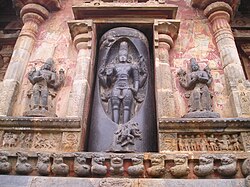
シヴァ派の図像学において、シヴァ神が燃え盛る無限の光の柱(リンガム)から現れる場面は「リンゴドバヴァ」と呼ばれます。これは、創造神ブラフマーと維持神ヴィシュヌが、その柱の始まりと終わりを見つけ出せなかったという神話に基づき、シヴァが最高神であることを示す象徴的な場面です。
歴史的展開と地理的な広がり
リンガムの崇拝は、古代のインダス文明にまで遡る可能性が指摘されており、ヴェーダ時代を経て、プラーナ聖典などの文学作品の中で体系化されました。その後、貿易や宗教的交流を通じて、インド亜大陸の外へと広がりました。
東南アジアでは、カンボジアのアンコール時代やインドネシアのジャワ島などで、独自の様式を持つリンガム・ヨニが数多く建立されました。これらの遺構は、当時の王権がシヴァ神の権威を借りて統治を正当化していた背景も示唆しています。
リンガム崇拝の概要まとめ
| 形態 | 特徴 | 象徴する意味 |
|---|---|---|
| 標準的なリンガム | 滑らかな円柱形 | 無限、形なき絶対者 |
| ムカリンガ | 側面に顔が彫られている | 人格神としてのシヴァ、遍在性 |
| リンガ・ヨニ | 台座(ヨニ)との組み合わせ | 男性性と女性性の統合、創造力 |
| 自然リンガ | 未加工の岩石 | 自然界に宿る神性 |
Frequently Asked Questions
リンガムとヨニはどのような関係にありますか?
リンガムが男性的な原理(意識や精神)を象徴するのに対し、ヨニは女性的な原理(物質やエネルギー)を象徴しています。この二つが組み合わさることで、宇宙の創造に必要な二元性の統合と調和が表現されています。
なぜリンガムには顔がないものが多いのですか?
シヴァ神は究極的には形も属性もない「ニルグナ(属性なき)」存在であると考えられているためです。シンプルな円柱形は、特定の姿に限定されない無限の神性を表現するのに適しています。
リンガム崇拝はインド以外でも行われていたのですか?
はい。特に東南アジアのカンボジア、ベトナム、インドネシアなどで盛んに行われていました。現地の文化と融合し、独自の芸術様式を持つリンガムが数多く作られました。
リンガヤート派におけるリンガムの扱いはどう異なりますか?
リンガヤート(Veerashaivism)の信者は、寺院での崇拝だけでなく、小さなリンガムをペンダントとして身に着け、常に神を身近に感じながら生活するという独特の実践を行っています。
![A necklace with linga-containing pendant is constantly worn by the Lingayats.[133]](/images/98/2a/982a07b0343202b78c2123cf3515fb7ff7291a5254ad917a172b9b951f008aae.jpg)
References
- Examples of this usage include the in Buddhism, and Sukhlalji's bhasya on in Jainism.
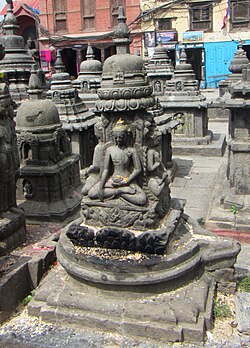
- This view is shared by K.R. Subramanian, who writes that some Buddhist stupas have been worshipped by Tamil Saivites because they believe it is a Shivalinga, and some ancient stupa sculptures from Amaravati and Jaggayyapeta look so much like a linga that anyone would mistake them for one.
- The form of fire, which exists in the kindling stick in a latent form, may not be seen, yet its linga is not destroyed but be seized again by another kindling stick. Fire in its latent condition, unkindled, the potential of fire, its imperceptible essence, is the liūga of fire, in contrast with and indispensable to its visible form ().
- Kramrisch claims that the representation of the phallic shape in the does not represent sexuality. It represents "seminal retention" and practice of () (illustration of Urdhva Retas), and represents Shiva as "he stands for complete control of the senses, and for the supreme carnal renunciation".
- Furthermore, the phallic shape, standing erect, always negates its function as an organ of procreation. Rather, the shape or pictorial representation is conveying that, the seed was channeled upward, not ejected for the sake of generation, but was reversed, retained and absorbed for regeneration as creative energy.
- This linga is likely a dedication memorial stone according to the inscription which states, "The Linga of the sons of Khajahuti, was dedicated by Nagasiri, the son of Vasethi. May the deity be pleased." Bloch objected to "Linga of the sons" interpretation, stating it made no sense. Other scholars maintain that to be a cryptic epigraphic reference to "worshipped by", given the mention of "deity" later in the inscription.
- In the practice of seminal retention through self-discipline and , the mind is stirred, but not by external stimuli, but the result of realisation of true nature of the Self in the path of liberation (moksha). However, due to lack of understanding of the iconography of Lingam, the representation is often misunderstood.
- Although the sages were also , only because they observed established conventions, they failed when Shiva tested them with his outrageous ways. The purpose of Shiva's visit to the hermitage, the place where the sages were living with their wives, was to enlighten the false sages by allowing them to humiliate him. But the sages were lost in anger, but Shiva allowed himself to be humiliated in the image that met the eye of the sages. Even though Shiva excited some of them as the source of their desire, they were unable to see him as the killer of desires. Although Shiva revealed his true nature by his dance (), yet so great was his power of illusion (), the deluded sages did not recognize him. That falling phallus burnt everything in front; wherever it went it began to burn everything there. It went to all three Hindu worlds (, , ). All the worlds and the people were distressed. The sages could not recognise it as Shiva and sought refuge from . answered that they should pray to to assume a form of vaginal passage, and perform a procedure reciting vedic mantras and decorating the penis with flowers etc., so that the penis would become steady. As the phallus was held by Parvati in that form, an auspicion arrow formed. The pedestal shaped as the vagina and the phallus fixed therein are symbolic of the eternal creative forces personified as Śivā and Śiva. After the procedure was completed, the penis became static. This phallus was known as "hatesa" and "Siva Siva". In one version of the story found in , Shiva's visit to the hermitage in was an act of grace at 's request.
📸 フォトギャラリー
![A Buddhist stupa (above) may have influenced the later iconography of the Hindu Shiva-linga, according to Swami Vivekananda.[71][note 2]](/images/e4/f9/e4f96fe1ba16a9bcd513281cd579d73c1ef67de737c919483964a5fd9af83ea1.jpg)
![Linga inside a railing (left), being worshipped by Gandharva winged creatures. Art of Mathura, circa 100 BCE.[90]](/images/ab/0f/ab0f6f7f078f176daed909767c9692140e50215d61288f36205727a9e8817b49.jpg)