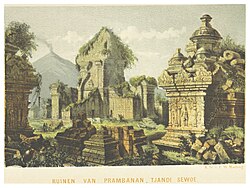
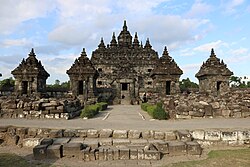
A lithograph of Tjandi Sewoe ruins near Prambanan, circa 1859
← ホームへ戻る
マタラム王国ボロブドゥールプランバナン古代ジャワシャイレーンドラ朝

マタラム王国古代ジャワに咲いたヒンドゥー・仏教文明の黄金時代

🗓 2026年8月12日

インドネシアのジャワ島において、8世紀から11世紀にかけて繁栄したマタラム王国は、東南アジア史上でも類を見ない壮大な建築遺産と高度な文化を築き上げた国家です。中ジャワから東ジャワへとその中心地を移しながら、ヒンドゥー教と仏教という二つの大きな宗教的潮流を融合させ、独自の文明を花開かせました。

主要な事実(Key Facts)

  • 存続期間:西暦732年頃から1016年まで。
  • 宗教的共存:ヒンドゥー教、仏教、および土着のアニミズムが共存していた。
  • 代表的遺産:世界最大級の仏教寺院ボロブドゥールと、壮麗なヒンドゥー寺院プランバナン。
  • 言語:古ジャワ語、古マレー語、サンスクリット語が使用された。
  • 経済基盤:高度な水稲耕作による農業と、金・銀を用いた通貨制度(マサ、タヒル)を確立。
  • 外交と軍事:チャンパ(現ベトナム)やアフリカ東岸にまで影響を及ぼしたとされる強力な海軍力を保有。

王国の成り立ちと権力の変遷

マタラム王国の起源は、732年のチャンガル碑文に記されたサンジャヤ王の即位にまで遡ります。初期の王国は中ジャワの肥沃な平原を拠点とし、サンジャヤ朝とシャイレーンドラ朝という二つの有力な家系が、時に競い合い、時に共存しながら統治を行いました。
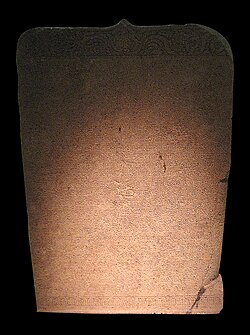
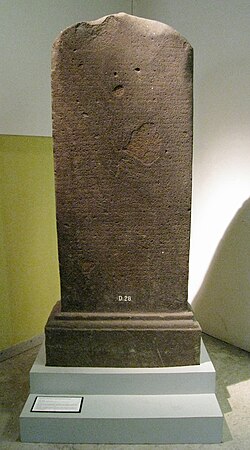
Canggal inscription (732 AD), created by King Sanjaya

特にシャイレーンドラ朝の時代には、仏教文化が飛躍的に発展しました。パナンカラン王などの統治下で、多くの仏教寺院が建立され、その頂点として825年頃に完成したのが、巨大な石造マンダラであるボロブドゥールです。
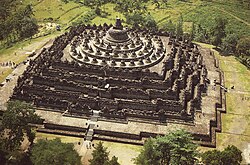
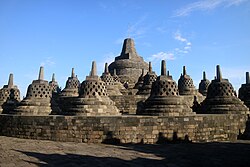
Borobudur, the largest single Buddhist structure in the world, one of the monuments constructed by the Shailendra dynasty of the Mataram kingdom

一方、ヒンドゥー教の権威を象徴するのがプランバナン寺院群です。ピカタン王によって着手され、後の王たちによって拡張されたこの複合施設は、シヴァ神を中心とする三主神(トリムルティ)に捧げられました。
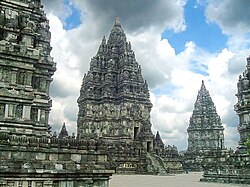
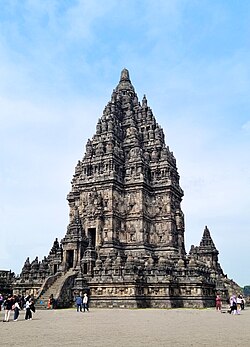
The magnificent 9th-century Hindu temple of Prambanan, Yogyakarta, was a major Hindu monument in the kingdom of Mataram.

Main shrine dedicated to Shiva of Prambanan temple complex, initiated by King Pikatan as mentioned in Shivagrha inscription

政治的混乱と再統合

9世紀後半、王国は一時的な政治的混乱期に入ります。ロカパーラ王の死後、複数の王が短期間で交代し、権力争いが激化しました。しかし、バリトゥン王の登場により王国は再び統合され、行政改革を通じて政治的な安定を取り戻しました。
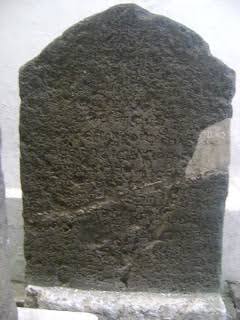
Mantyasih inscription dated 907 AD issued by King Balitung

海洋進出と国際的な影響力

マタラム王国は内陸の農業国家であるだけでなく、強力な海軍力を持つ海洋国家としての側面も持っていました。記録によれば、ジャワの艦隊はチャンパ(現在のベトナム中部)へ何度も遠征を行い、商業的な競争や政治的な影響力を拡大させました。
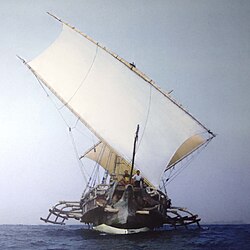
Samudra Raksa ship, a replica of Javanese 8th century double outrigger vessel depicted in Borobudur bas relief, now displayed in Samudra Raksa Museum

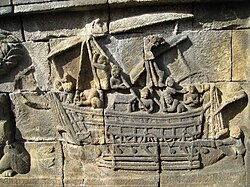
Ancient Javanese vessel depicted in Borobudur. In 990 King Dharmawangsa launched a naval attack against Srivijaya in Sumatra, the hostility between two kingdoms has led to the collapse of Mataram kingdom.

さらに驚くべきことに、10世紀には「ワクワク」と呼ばれる人々がアフリカ東岸(タンガニーカやモザンビーク)に到達し、象牙や黒檀などの交易品を求めて活動していたというアラブ側の記録も残っています。また、パプアやオーストラリア方面からも労働力がもたらされていたことが示唆されています。
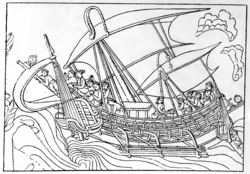
Borobudur ship, a ship used by Javanese people for sailing as far as Ghana

東ジャワへの遷都と王国の終焉

10世紀に入ると、中ジャワの首都は大きな転換期を迎えます。メラピ山の激しい火山噴火が首都を壊滅させたと考えられており、これによりシンドク王は政治の中心を東ジャワのタムランやワトゥガルフへと移しました。
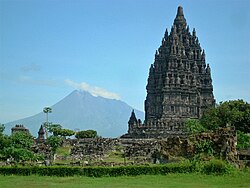
Towering Merapi volcano overlooking Prambanan prasad tower. It was suggested that Merapi volcanic eruption had devastated Mataram capital, forcing them to relocate in the east.

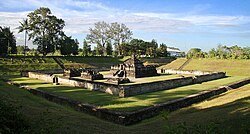
Sambisari temple buried five metres under volcanic debris of Mount Merapi.

東ジャワではイシャナ朝が興り、水稲耕作の拡大とともに新たな権力基盤を構築しました。しかし、11世紀初頭、ダルマワンサ王によるシュリーヴィジャヤ王国への攻撃がきっかけとなり、激しい対立に発展。最終的にウルワリの反乱などの内部崩壊が重なり、1016年頃に王国はその歴史に幕を閉じました。
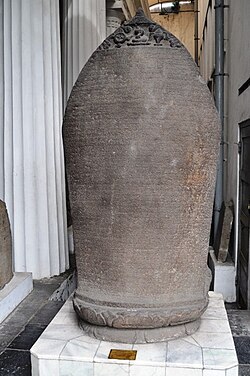
Anjukladang inscription (937), issued by King Sindok during his power consolidation in East Java

芸術・文化と社会構造

マタラム王国の社会は、厳格な階級制度を持ちながらも、宗教的な寛容さに満ちていました。仏教のヴィハーラ(僧院)には免税特権が与えられるなど、宗教施設が社会的に重要な役割を果たしていました。
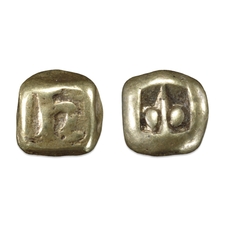
Earliest evidence of a currency system in Java — Javanese gold mas or tahil ingots, circa the 9th century

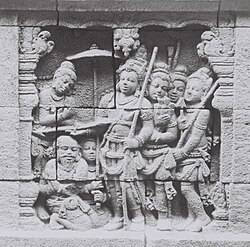
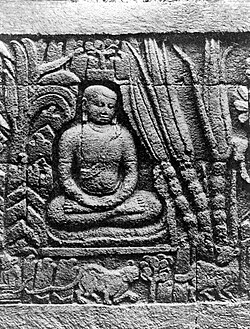
建築面では、精緻なレリーフ(浮き彫り)が特徴的です。ボロブドゥールのレリーフには、当時の宮廷生活、農業風景、そして瞑想にふける修行者の姿が克明に刻まれており、当時の社会状況を知る貴重な資料となっています。
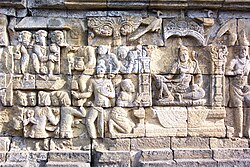
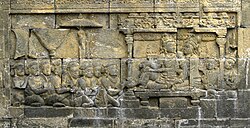
The scene of the Javanese court depicted in Borobudur bas relief

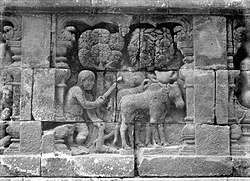
The bas-relief in 8th century Borobudur depicting rice agriculture in ancient Java

A nobleman accompanied by his entourage and servants, a bas-relief of Borobudur

A Buddhist hermit meditating in secluded forest, Borobudur bas-relief

また、インドの叙事詩『ラーマーヤナ』がジャワ語の詩(カカウィン)に翻訳されるなど、インド文化を土台にしつつ、それをジャワ独自の感性で昇華させた高度な文学・芸術が発展しました。
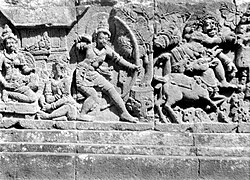
Bas relief in Prambanan depicting a scene taken from Ramayana. The translation of Indian epic into Javanese Kakawin Ramayana took place during Mataram kingdom.

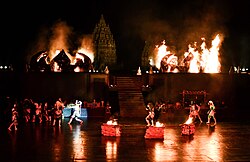
The Javanese Ramayana Ballet perform in Prambanan open air stage. The Mataram kingdom era has left a profound impact in Javanese culture.

その他の重要遺構と遺物

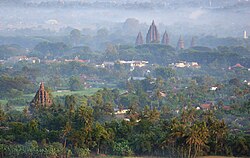
王国の繁栄は、主要寺院以外にも多くの遺跡に現れています。要塞化された丘のラトゥ・ボコや、多くの小寺院が点在するプランバナン平原の景観は、かつての首都の規模を物語っています。
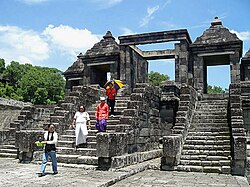
Ratu Boko, a fortified hill, probably referred in Shivagrha inscription as the location of a battle

Prāsāda (towers) of Sajiwan and Prambanan viewed from Ratu Boko hill, the area in Prambanan Plain was the location of the Mataram capital.

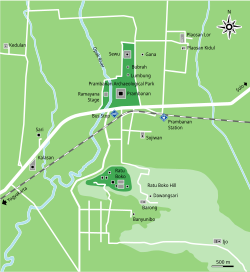
A map of Prambanan Plain shows a high concentration of temples dotted the landscape, which possibly the location of Mataram capital.

A lithograph of Tjandi Sewoe ruins near Prambanan, circa 1859

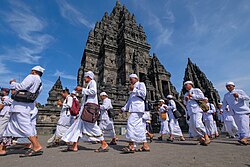
Hindu Parikrama ceremony at Prambanan temple, originally consisted of hundreds of temples, built and expanded in the period between the reign of Saladu and Balitung.

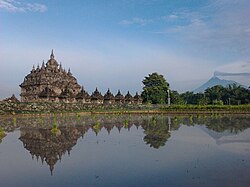
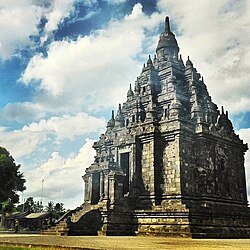
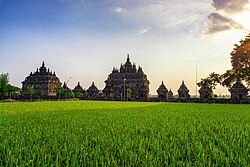
The Plaosan temple with Mount Merapi in the background

Plaosan Buddhist temple, some of the perwara (ancillary) temples and stupas bears the name of Pikatan and Pramodhawardhani as benefactors.

Shivagrha inscription dated 778 Saka (856 AD), one of the historical sources dated from the Mataram kingdom

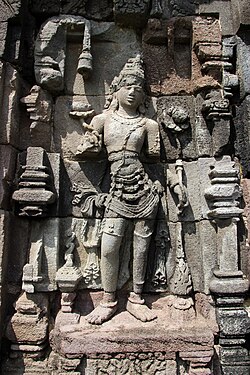
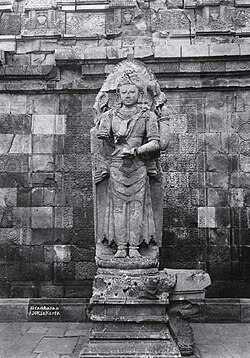
A fine sculpture of Lokapala deity on Shiva temple, Prambanan

Sajiwan Buddhist temple was dedicated as the mortuary temple of Sanjiwana or Queen Mother Pramodhawardhani

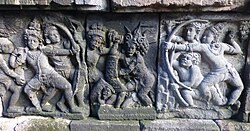
A battle scene depicted on a bas-relief in Prambanan

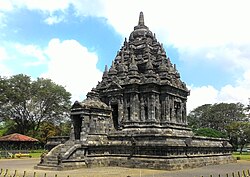
Bubrah temple near Prambanan

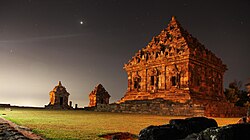
Ijo, a 10th-century AD Hindu temple located on Ijo Hill Southeast from Prambanan

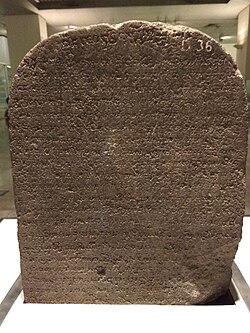
Timbangan Wungkal inscription dated 193 Sanjayavarsa (11 February 913), issued by King Daksha

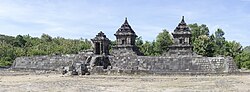
Barong Hindu temple, constructed on large terraces

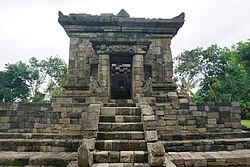
Badut temple near Malang, East Java circa 8th century

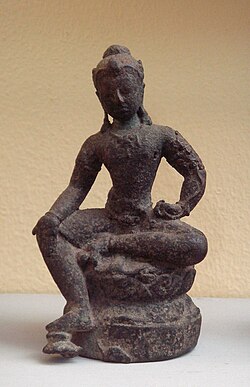
Bodhisattva Manjushri from Goa Gajah cave, Bali, demonstrated the influence of Javanese Mataram Sailendran art.

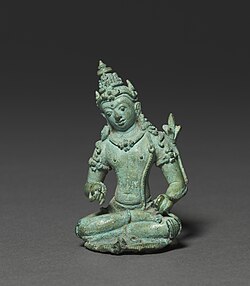
Buddhist bronze figure depicting Boddhisattva Padmapani, 10th-century dated from late period of Mataram kingdom

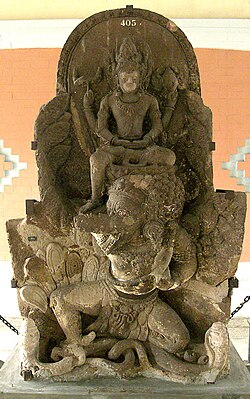
Vishnu mounting Garuda from Belahan temple, believed to be a depiction of Airlangga

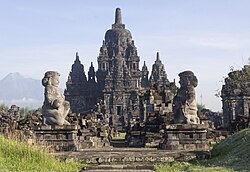
Plaosan twin temples

The bas relief of 8th century Borobudur depicts the scene in royal court.

Image of Boddhisattva on Plaosan temple

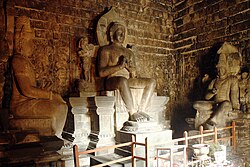
The statue of Dhyani Buddha Vairocana, Avalokitesvara, and Vajrapani inside the Mendut temple

Shiva statue in main chamber of Prambanan

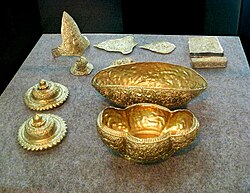
The Wonoboyo hoard displays the immense wealth and artistic achievement of the Mataram kingdom.

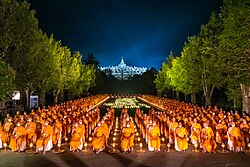
National Vesak ceremony in Borobudur, the Hindu-Buddhist temples dated from the Mataram kingdom are especially important for pilgrimage and ceremony for Indonesian Buddhist and Hindus.

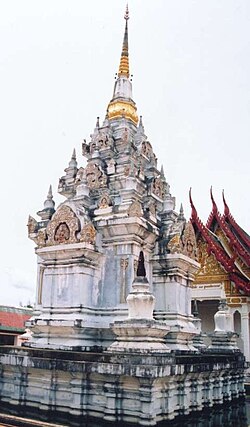
Pagoda in Javanese or Sailendran style in Chaiya, Thailand

また、金銀の工芸品や、フィリピンのラグナ銅版銘文に見られるような他地域との外交関係を示す遺物は、マタラム王国が東南アジアの広範なネットワークの中心であったことを証明しています。
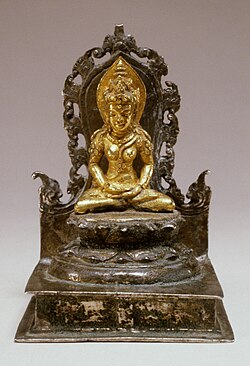
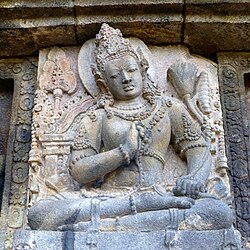
The 9th century Central Javanese gold and silver image of the Mahayana Buddhist goddess Tara

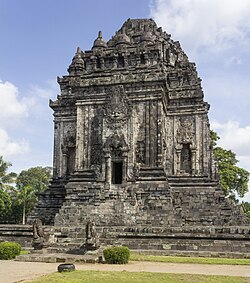
The construction of Kalasan temple was mentioned in Kalasan inscription, under the auspices of King Panangkaran.

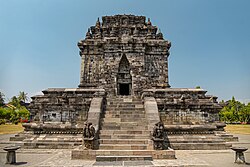
The construction of Manjusrigrha temple was mentioned in Manjusrigrha inscription, under the auspices of King Panangkaran and completed during Dharanindra reign.

The construction of Mendut temple was initiated and completed during the reign of King Indra (r. 780 AD–800 AD), a valiant king of Shailendra dynasty.

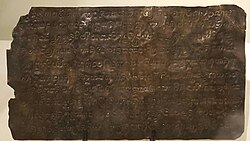
The Laguna Copperplate Inscription (circa 900 AD) from the Laguna de Bay area in Luzon, the Philippines. The inscription invokes the "chief" (pamegat) of "Mdang" as one of the authorities in the clearing of a debt owed to the "chief and commander" (pamegat senapati) of "Tundun".

The massive stone stupa-mandala of Borobudur was completed in 825 AD during the reign of King Samaratungga.

マタラム王国の概要まとめ
項目 詳細
主要王朝 サンジャヤ朝、シャイレーンドラ朝、イシャナ朝
中心地 中ジャワ(初期)→ 東ジャワ(後期)
主要宗教 ヒンドゥー教(シヴァ派)、大乗仏教
代表的建築 ボロブドゥール、プランバナン、メンドゥット
経済的特徴 水稲農業、金・銀貨の使用、広域海洋貿易

よくある質問(Frequently Asked Questions)

マタラム王国とボロブドゥールの関係は何ですか?

ボロブドゥールは、マタラム王国を統治したシャイレーンドラ朝によって建設された世界最大級の仏教寺院です。王国の仏教信仰の頂点を示す記念碑的な建築物であり、当時の高度な石造建築技術と宗教的情熱を象徴しています。

なぜ首都を中ジャワから東ジャワへ移したのですか?

主な原因は、メラピ山の激しい火山噴火による自然災害と考えられています。噴火によって首都機能が麻痺し、多くの寺院が火山灰に埋もれたため、シンドク王がより安全で肥沃な東ジャワへ遷都したとされています。

ヒンドゥー教と仏教の対立はあったのでしょうか?

記録によれば、両宗教は激しく対立することなく、むしろ共存していた傾向が強いです。異なる宗教の寺院が近接して建てられていたり、王族の間で婚姻関係があったりすることから、宗教的な寛容さが社会の基盤にあったと考えられます。

マタラム王国はどのような貿易を行っていましたか?

農業生産物だけでなく、金や銀などの貴金属、そして海路を利用して中国やチャンパ、さらにはアフリカ東岸まで及ぶ広範な貿易ネットワークを持っていました。特に海軍力を背景にした商業的影響力の拡大に積極的でした。

王国の滅亡の直接的な原因は何ですか?

10世紀末から11世紀初頭にかけてのシュリーヴィジャヤ王国との激しい対立と、それに伴う軍事的な消耗、そして内部での反乱(ウルワリの反乱など)が重なったことが、王国の崩壊を招いた直接的な要因とされています。

References

  1. Boechari (2012). "Kerajaan Matarām Sebagaimana Terbayang dari Data Prasasti". Melacak Sejarah Kuno Indonesia Lewat Prasasti, Kumpulan Tulisan Boechari. Jakarta: Kepustakaan Populer Gramedia. pp. 183–196.  .
  2. "Mataram | Define Mātaram at Sanskrit Dictionary". sanskritdictionary.org. Retrieved 26 July 2020.
  3. Rahardjo, Supratikno (2002). Peradaban Jawa, Dinamika Pranata Politik, Agama, dan Ekonomi Jawa Kuno (in Indonesian). Komuntas Bambu, Jakarta. p. 35.  .
  4. Media, Kompas Cyber (18 February 2012). "Kisah Mataram di Poros Kedu-Prambanan - Kompas.com". KOMPAS.com (in Indonesian). Retrieved 8 September 2018.
  5. Coedès, George (1968). Walter F. Vella, ed. The Indianized States of Southeast Asia. trans. Susan Brown Cowing. University of Hawaii Press.  .
  6. (1968). The Indianized states of Southeast Asia. University of Hawaii Press.  .
  7. Antoon, Postma. "The Laguna Copper-Plate Inscription: Text and Commentary". Loyola Heights, Quezon City, the Philippines: Philippine Studies, Ateneo de Manila University. p. 186. Archived from the original on 13 July 2014. Retrieved 24 June 2014.
  8. "Sanskrit Dictionary". sanskritdictionary.org. Retrieved 26 July 2020.

📸 フォトギャラリー

A lithograph of Tjandi Sewoe ruins near Prambanan, circa 1859
Borobudur, the largest single Buddhist structure in the world, one of the monuments constructed by the Shailendra dynasty of the Mataram kingdom
Hindu Parikrama ceremony at Prambanan temple, originally consisted of hundreds of temples, built and expanded in the period between the reign of Saladu and Balitung.
The Plaosan temple with Mount Merapi in the background
Canggal inscription (732 AD), created by King Sanjaya
The 9th century Central Javanese gold and silver image of the Mahayana Buddhist goddess Tara
The construction of Kalasan temple was mentioned in Kalasan inscription, under the auspices of King Panangkaran.
The construction of Manjusrigrha temple was mentioned in Manjusrigrha inscription, under the auspices of King Panangkaran and completed during Dharanindra reign.
The construction of Mendut temple was initiated and completed during the reign of King Indra (r. 780 AD–800 AD), a valiant king of Shailendra dynasty.
The Laguna Copperplate Inscription (circa 900 AD) from the Laguna de Bay area in Luzon, the Philippines. The inscription invokes the "chief" (pamegat) of "Mdang" as one of the authorities in the clearing of a debt owed to the "chief and commander" (pamegat senapati) of "Tundun".
The massive stone stupa-mandala of Borobudur was completed in 825 AD during the reign of King Samaratungga.
Plaosan Buddhist temple, some of the perwara (ancillary) temples and stupas bears the name of Pikatan and Pramodhawardhani as benefactors.
Ratu Boko, a fortified hill, probably referred in Shivagrha inscription as the location of a battle
Shivagrha inscription dated 778 Saka (856 AD), one of the historical sources dated from the Mataram kingdom
Main shrine dedicated to Shiva of Prambanan temple complex, initiated by King Pikatan as mentioned in Shivagrha inscription
A fine sculpture of Lokapala deity on Shiva temple, Prambanan
Sajiwan Buddhist temple was dedicated as the mortuary temple of Sanjiwana or Queen Mother Pramodhawardhani
A battle scene depicted on a bas-relief in Prambanan
Bubrah temple near Prambanan
Mantyasih inscription dated 907 AD issued by King Balitung
Ijo, a 10th-century AD Hindu temple located on Ijo Hill Southeast from Prambanan
Timbangan Wungkal inscription dated 193 Sanjayavarsa (11 February 913), issued by King Daksha
Samudra Raksa ship, a replica of Javanese 8th century double outrigger vessel depicted in Borobudur bas relief, now displayed in Samudra Raksa Museum
Borobudur ship, a ship used by Javanese people for sailing as far as Ghana
Towering Merapi volcano overlooking Prambanan prasad tower. It was suggested that Merapi volcanic eruption had devastated Mataram capital, forcing them to relocate in the east.
Sambisari temple buried five metres under volcanic debris of Mount Merapi.
Barong Hindu temple, constructed on large terraces
Badut temple near Malang, East Java circa 8th century
Anjukladang inscription (937), issued by King Sindok during his power consolidation in East Java
Bodhisattva Manjushri from Goa Gajah cave, Bali, demonstrated the influence of Javanese Mataram Sailendran art.
Ancient Javanese vessel depicted in Borobudur. In 990 King Dharmawangsa launched a naval attack against Srivijaya in Sumatra, the hostility between two kingdoms has led to the collapse of Mataram kingdom.
Buddhist bronze figure depicting Boddhisattva Padmapani, 10th-century dated from late period of Mataram kingdom
Vishnu mounting Garuda from Belahan temple, believed to be a depiction of Airlangga
Plaosan twin temples
The scene of the Javanese court depicted in Borobudur bas relief
Prāsāda (towers) of Sajiwan and Prambanan viewed from Ratu Boko hill, the area in Prambanan Plain was the location of the Mataram capital.
A map of Prambanan Plain shows a high concentration of temples dotted the landscape, which possibly the location of Mataram capital.
The bas relief of 8th century Borobudur depicts the scene in royal court.
Image of Boddhisattva on Plaosan temple
The bas-relief in 8th century Borobudur depicting rice agriculture in ancient Java
Earliest evidence of a currency system in Java — Javanese gold mas or tahil ingots, circa the 9th century
A nobleman accompanied by his entourage and servants, a bas-relief of Borobudur
A Buddhist hermit meditating in secluded forest, Borobudur bas-relief
The statue of Dhyani Buddha Vairocana, Avalokitesvara, and Vajrapani inside the Mendut temple
Shiva statue in main chamber of Prambanan
The Wonoboyo hoard displays the immense wealth and artistic achievement of the Mataram kingdom.
The magnificent 9th-century Hindu temple of Prambanan, Yogyakarta, was a major Hindu monument in the kingdom of Mataram.
Bas relief in Prambanan depicting a scene taken from Ramayana. The translation of Indian epic into Javanese Kakawin Ramayana took place during Mataram kingdom.
National Vesak ceremony in Borobudur, the Hindu-Buddhist temples dated from the Mataram kingdom are especially important for pilgrimage and ceremony for Indonesian Buddhist and Hindus.
The Javanese Ramayana Ballet perform in Prambanan open air stage. The Mataram kingdom era has left a profound impact in Javanese culture.
Pagoda in Javanese or Sailendran style in Chaiya, Thailand