鉛は、人類が極めて早い段階から利用してきた重金属の一つです。その低い融点と加工のしやすさから、古代から現代に至るまで幅広い分野で活用されてきました。しかし、その有用性と同時に、人体や環境に深刻な影響を及ぼす毒性を持つことでも知られています。
Key Facts
- 原子番号82のpブロック元素で、周期表の第6周期・第14族に属します。
- 低い融点(327.46 °C)を持ち、非常に柔らかく加工しやすい金属です。
- 高い密度を誇り、放射線の遮蔽材として極めて有効です。
- 蓄積性の毒性があり、神経系や生殖機能に悪影響を及ぼす危険性があります。
- 地球の年齢を測定するウラン・鉛年代測定法に不可欠な元素です。
鉛の物理的・化学的性質
鉛は外観として金属的な灰色を呈し、常温では固体です。化学的には、主に+2および+4の酸化状態で存在しますが、その他の多様な酸化状態も取り得ます。また、磁性を持たない反磁性という性質を備えています。
分光分析においては、特有のスペクトル線を示し、炎色反応では淡い青色を呈するのが特徴です。

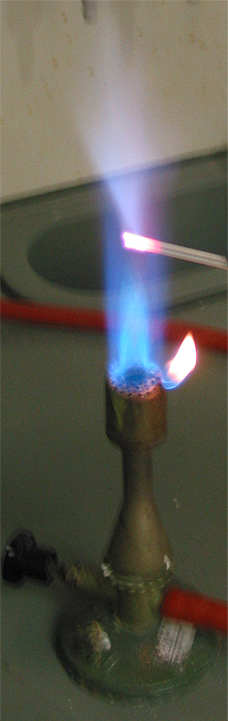
結晶構造は面心立方格子(fcc)であり、モース硬度は1.5と非常に低く、指の爪などで簡単に傷がつくほど柔らかい金属です。
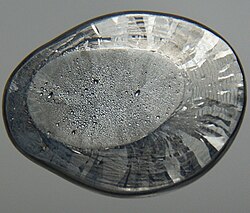
原子レベルの特性と構造
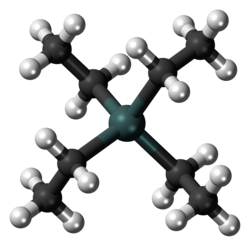
鉛の電子配置は [Xe] 4f 5d 6s 6p であり、原子半径は経験的に175 pmとされています。また、有機鉛化合物(例:テトラエチル鉛)のような複雑な分子構造を形成することもあります。
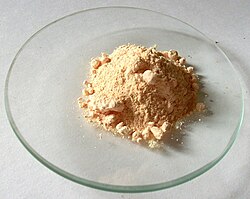
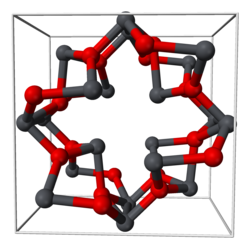
無機化合物としては、酸化鉛(II)や酸化鉛(IV)などが代表的であり、これらは特有の結晶格子構造を持っています。
自然界における存在と起源
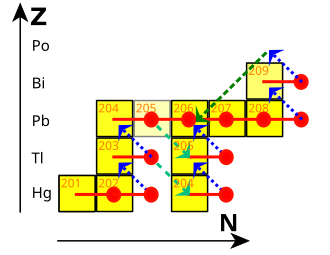
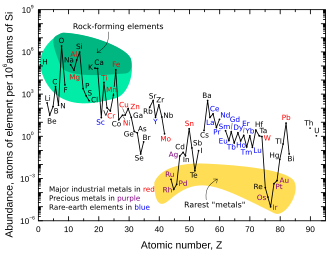
鉛は地球の地殻において、高い原子番号を持つ元素としては比較的一般的です。宇宙的な視点では、s-過程(低速中性子捕獲反応)などの核合成プロセスを経て生成されます。
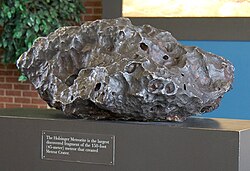
特に注目すべきは、隕石に含まれる鉛の分析です。例えば、キャニオン・ディアブロ隕石の最大破片であるホルシンガー隕石を用いたウラン・鉛年代測定により、地球の年齢が約45.5億年(±7000万年)であることが精緻に導き出されました。
歴史的な利用と現代の生産
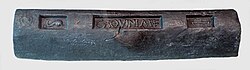
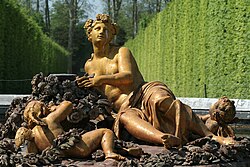
鉛の利用は紀元前7000年頃の中東まで遡ります。その加工性の高さから、古代ローマ時代には水道管や彫刻、インゴットとして大量に使用されていました。
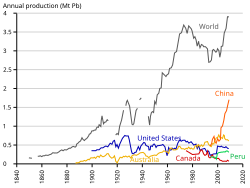
現代における主要な生産国は中国が圧倒的であり、次いでオーストラリア、米国、ペルーなどが続きます。主な抽出プロセスとしては、硫化鉛を空気中で焙焼して酸化鉛とし、それを炭素で還元する二段階法が一般的です。
多様な産業用途
鉛はその物理的特性を活かし、現代社会の至る所で利用されています。
- エネルギー貯蔵:鉛蓄電池の電極材料として不可欠です。
- 放射線防護:高い密度を利用し、X線やガンマ線の遮蔽用レンガとして使用されます。
- 釣具・重量物:比重が重いため、釣り用のシンカー(重り)に利用されます。
- 光学・芸術:鉛ガラス(クリスタルガラス)や、伝統的な顔料(鉛黄、鉛赤)として用いられてきました。
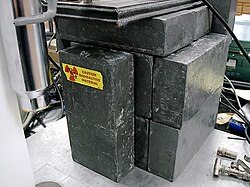
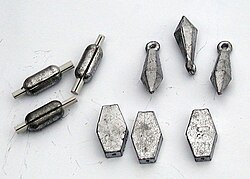
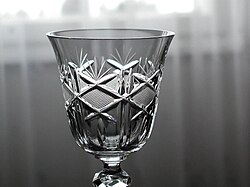
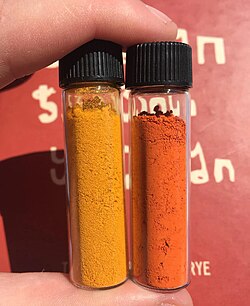
また、ケーブルの被覆材としての利用など、腐食に強い特性を活かした用途も存在します。
健康への影響と環境リスク
鉛は人体にとって極めて有害な物質であり、特に子供への影響が深刻です。鉛中毒は、神経系へのダメージや生殖機能の低下、貧血などを引き起こします。
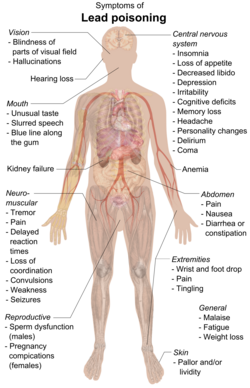
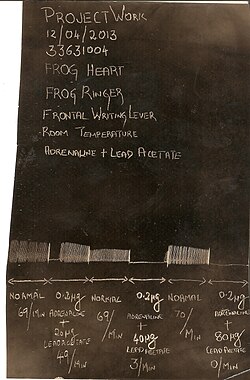
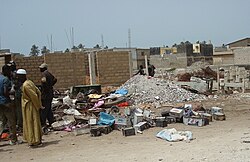
曝露源としては、古い塗料、汚染された土壌、一部の食品(ターメリックやシナモンなどの汚染例)、あるいは不適切に管理されたバッテリー廃棄場などが挙げられます。
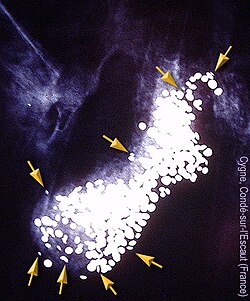
環境面では、鉛製の散弾が野生動物に誤飲されることで、生態系に深刻な汚染を広げる要因となっています。
これらのリスクから、NFPA 704(火災ダイヤモンド)などの危険物表示において適切に管理されており、世界的に使用制限が進んでいます。

鉛の基本データまとめ
| 項目 | 詳細値 / 特徴 |
|---|---|
| 原子番号 | 82 |
| 標準原子量 | 207.2 ± 1.1 |
| 融点 | 327.46 °C |
| 沸点 | 1749 °C |
| 密度 (20 °C) | 11.348 g/cm³ |
| 結晶構造 | 面心立方格子 (fcc) |
| 主な酸化状態 | +2, +4 |
Frequently Asked Questions
鉛が毒であると言われるのはなぜですか?
鉛は生体内に蓄積しやすく、特に神経系に悪影響を及ぼすためです。脳の発達を妨げたり、血液中のヘモグロビン合成を阻害して貧血を引き起こしたりすることが知られています。
放射線遮蔽に鉛が使われる理由は何ですか?
鉛は原子番号が大きく密度が非常に高いため、X線やガンマ線などの電離放射線を効率的に吸収・遮断できる性質を持っているからです。
地球の年齢測定にどのように利用されていますか?
ウランが崩壊して鉛に変わる速度(半減期)が一定であることを利用した「ウラン・鉛年代測定法」により、古い岩石や隕石の年代を特定し、地球の誕生時期を算出しています。
現代でも鉛は使われ続けているのでしょうか?
はい。毒性の懸念から塗料やガソリンへの添加は制限されていますが、自動車の鉛蓄電池や医療用の放射線遮蔽材など、代替困難な用途で依然として重要な役割を果たしています。
環境汚染の主な原因は何ですか?
不適切に廃棄された鉛蓄電池、古い建物の鉛ベース塗料の剥離、および狩猟で使用される鉛製散弾による野生動物への影響などが主な要因です。
References
- The tetrahedral allotrope of tin is called α- or gray tin and is stable only at or below 13.2 °C (55.8 °F). The stable form of tin above this temperature is called β- or white tin and has a distorted face centered cubic (tetragonal) structure which can be derived by compressing the tetrahedra of gray tin along their cubic axes. White tin effectively has a structure intermediate between the regular tetrahedral structure of gray tin, and the regular face centered cubic structure of lead, consistent with the general trend of increasing metallic character going down any representative group.
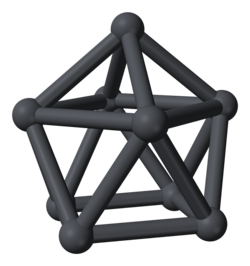
- A allotrope of lead, with pentagonal symmetry, was reported in 2013. The allotrope was obtained by depositing lead atoms on the surface of an silver-- quasicrystal. Its conductivity was not recorded.
- Diamond cubic structures with lattice parameters around the lattice parameter of silicon exists both in thin lead and tin films, and in massive lead and tin, freshly solidified in vacuum of ~5 × 10⁻⁶ Torr. Experimental evidence for almost identical structures of at least three oxide types is presented, demonstrating that lead and tin behave like silicon not only in the initial stages of crystallization, but also in the initial stages of oxidation.
- : to go down like a lead balloon.
- Malleability describes how easily it deforms under compression, whereas ductility means its ability to stretch.
- A (wet) finger can be dipped into molten lead without risk of a burning injury.
- An even number of either protons or neutrons generally increases the nuclear stability of isotopes, compared to isotopes with odd numbers. No elements with odd atomic numbers have more than two stable isotopes; even-numbered elements have multiple stable isotopes, with tin (element 50) having the highest number of isotopes of all elements, ten. See for more details.
- The half-life found in the experiment was 1.9×10¹⁹ years. A kilogram of natural bismuth would have an activity value of approximately 0.003 (decays per second). For comparison, the activity value of natural radiation in the human body is around 65 becquerels per kilogram of body weight (4500 becquerels on average).
- is even more thermally stable, decomposing at 270 °C.
- Abundances in the source are listed relative to silicon rather than in per-particle notation. The sum of all elements per 106 parts of silicon is 2.6682×10¹⁰ parts; lead comprises 3.258 parts.
📸 フォトギャラリー