Japanese marines landing from the Unyo at Yeongjong Island which is near Ganghwa
← ホームへ戻る

朝鮮の植民地時代(1910-1945)歴史的経緯と社会への影響

🗓 2026年8月14日

20世紀前半、朝鮮半島は1910年から1945年まで大日本帝国の統治下にありました。この期間は、政治的な併合から始まり、社会構造の激変、そして第二次世界大戦末期の解放に至るまで、極めて複雑な歴史的プロセスを辿りました。本記事では、この35年間にわたる植民地支配の構造とその影響について詳しく解説します。

主要な事実(Key Facts)

  • 統治期間:1910年8月29日の併合から1945年8月15日の終戦まで。
  • 統治機構:朝鮮総督府が設置され、日本の天皇に直属する総督が最高権限を掌握した。
  • 主要都市:京城(現在のソウル)が行政の中心地として機能した。
  • 言語・文化:日本語が公用語となり、後半期には創氏改名などの同化政策が強まった。
  • 経済的変化:鉄道網の整備や工業化が進む一方で、土地所有構造の変化や資源の徴用が行われた。

併合への道と統治の始まり

日本による朝鮮半島への影響力拡大は、19世紀末からの外交的・軍事的圧力によって加速しました。日清戦争や日露戦争を経て、日本は半島における主導権を確立し、1905年には保護国化を実現します。
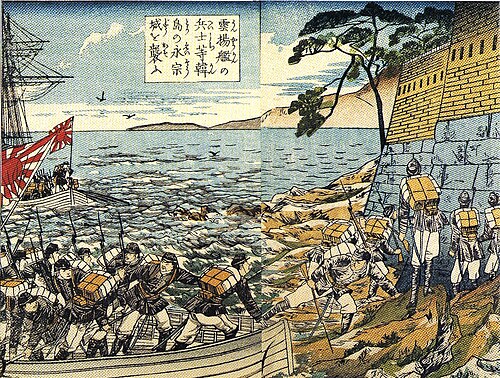
Japanese marines landing from the Unyo at Yeongjong Island which is near Ganghwa
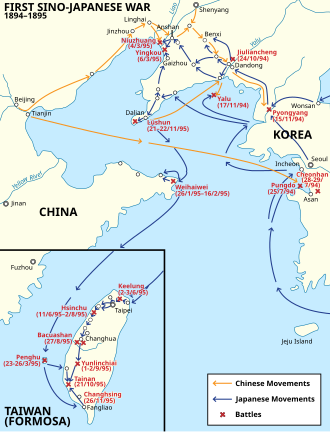
Major battles and troop movements during the First Sino-Japanese War

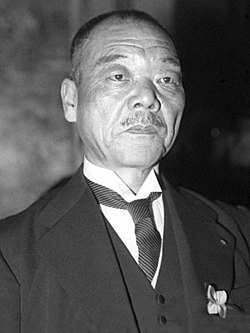
1910年8月22日に調印された併合条約により、朝鮮帝国は消滅し、日本の一部となりました。この統治の象徴として、初代朝鮮総督に寺内正毅が就任し、強力な権限を持つ行政組織が構築されました。
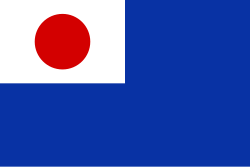
Flag of the Japanese Resident General of Korea (1905–1910)
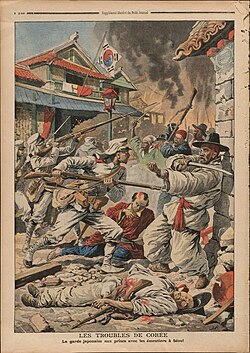
Battle of Namdaemun in 1907 – Le Petit Journal
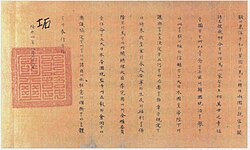
General power of attorney to Lee Wan-yong sealed and signed, by the last emperor, Sunjong on 22 August 1910 (융희4년; 隆熙4年)
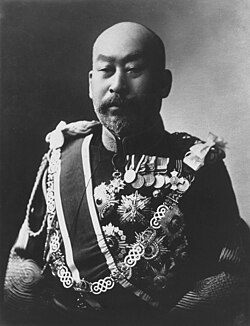
Terauchi Masatake, the first Governor-General

社会構造の変容と経済的開発

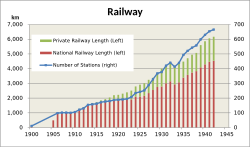
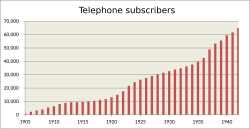
植民地政府は、東洋開発会社などを通じて土地の再編や資源開発を推進しました。インフラ整備の一環として、京城から釜山を結ぶ鉄道などの交通網が急速に拡充され、通信設備(電話など)の普及も進みました。
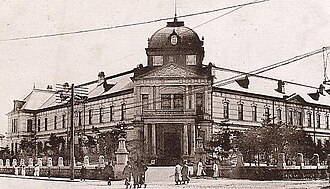
Headquarters of the Oriental Development Company in Keijō
Groundbreaking ceremony for the Keijō–Fuzan railway
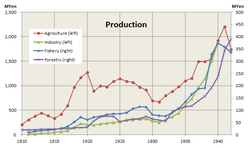
Production in Korea under Japanese rule
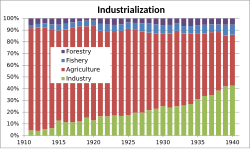
Industrialization of Korea under Japanese rule
Km of railway in Korea under Japanese rule
Telephone subscribers in Korea under Japanese rule

一方で、こうした近代化の恩恵は不平等に分配されました。土地の所有権が日本人入植者に移るケースが多く、朝鮮の人々は小作農へと転落するなどの経済的困窮を経験しました。また、王室の墓地がゴルフ場に転用されるなど、伝統的な文化や尊厳が軽視される事例も見られました。

In 1921, Japan turned a Korean royal cemetery into a golf course, with the graves still directly on the course. This occurred at what is now Hyochang Park.[61][62][63]

同化政策と抵抗運動

統治が進むにつれ、日本は朝鮮の人々を「帝国臣民」として統合しようとする同化政策を強めました。特に1939年以降の「創氏改名」は、朝鮮固有の姓名を日本式に変更させるものであり、文化的なアイデンティティへの強い干渉となりました。

Japan-Korea Cooperative Unity, World Leader. – The notion of racial and imperial unity of Korea and Japan gained widespread following among the literate minority of the middle and upper classes.[83]
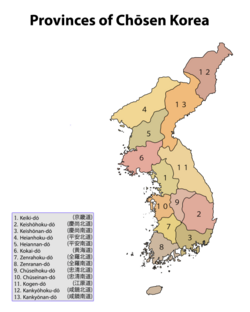
Provinces of Korea during Japanese rule

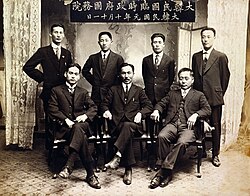
こうした抑圧に対し、朝鮮の人々は激しく抵抗しました。1919年の「三一独立運動」は、非暴力的な独立宣言から始まりましたが、日本当局による激しい弾圧を招き、多くの犠牲者が出ました。この運動を機に、上海などで大韓民国臨時政府が樹立され、国内外で独立闘争が展開されました。
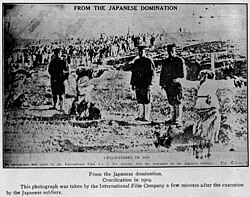
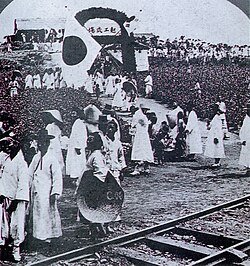
Korean Christians were crucified in the aftermath of the 1 March Movement protests (1919)
Early members of the Provisional Government of the Republic of Korea (1919)

戦時体制と人的被害

第二次世界大戦が激化すると、朝鮮半島は兵站基地としての役割を強要されました。国家総動員法に基づき、多くの朝鮮人が労働力として徴用され、また軍人や軍属として戦地へ送られました。小磯国昭総督の時代には、戦時労働のための徴用がさらに加速しました。
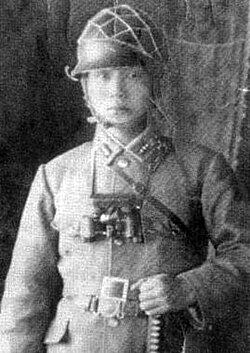
Kuniaki Koiso, Governor-General of Chōsen from 1942 to 1944, implemented a draft of Koreans for wartime labor.
Park Chung Hee, future leader of South Korea, as a soldier of the Manchukuo Imperial Army

特に深刻な人権侵害として、女性を強制的に動員した「慰安婦」問題や、過酷な環境下での強制労働が挙げられます。これらの被害は、解放後も長く続く深い傷跡となりました。
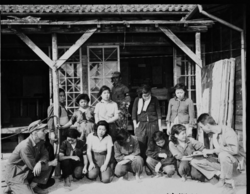
Korean comfort women on Okinawa being interviewed by U.S. marines after liberation

教育と人口統計

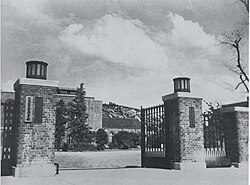
教育面では、公立普通学校の設置により就学率は上昇しましたが、その内容は日本語教育や忠誠心の育成に重点が置かれていました。高等教育においては京城帝国大学が設立されましたが、大学レベルの教育を受けられたのは人口の極めて一部に限られていました。
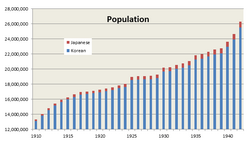
Population of Korea under Japanese rule
Keijō Imperial University
Number of public regular schools (公立普通学校) and students under Japanese rule[190][191][192]
Enrollment rate of public regular schools (公立普通学校) under Japanese rule[193]

朝鮮の王族の一部は日本軍の将校として組み込まれるなど、階級による処遇の差が明確に存在していました。
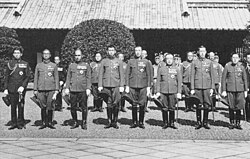
Korean royalty of the House of Yi (front row, right to left): Yi Wu, Yi Geon and Yi Un as officers of the Imperial Japanese Army, together with members of the Japanese imperial family at the Yasukuni Shrine, 1938

解放とその後

1945年8月15日、日本の敗戦により朝鮮半島は解放されました。その後、半島は北緯38度線を境に、ソ連軍とアメリカ軍の軍政下に置かれ、最終的に北朝鮮と韓国という二つの国家に分断されることとなりました。
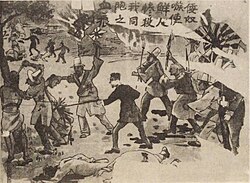
Chinese anti-Japanese poster published after reprisals by Koreans
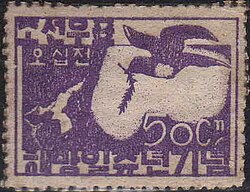
1946 saw the issue of commemorative stamps bearing the dove of peace celebrating the end of Japanese rule.
項目 内容
期間 1910年 〜 1945年
統治機関 朝鮮総督府
主要政策 同化政策(創氏改名)、産業開発、国家総動員
主要抵抗 三一独立運動、大韓民国臨時政府の活動
結果 1945年の解放後、南北に分断

Frequently Asked Questions

創氏改名とは具体的にどのような制度でしたか?

1939年から実施された政策で、朝鮮の人々に日本式の姓名を名乗らせるものでした。これは単なる名前の変更ではなく、日本への忠誠を誓わせ、文化的に統合しようとする同化政策の一環でした。

三一独立運動が歴史的に重要なのはなぜですか?

1919年に起きたこの運動は、朝鮮の人々が組織的に独立を求めて立ち上がった最大規模の抗議活動であり、その後の独立運動の方向性や、海外での臨時政府樹立に決定的な影響を与えたためです。

植民地時代の経済開発は朝鮮に利益をもたらしましたか?

鉄道や工業施設などのインフラは整備されましたが、その多くは日本の軍事的な目的や資源輸送のために設計されていました。経済的な利益の多くは日本人資本家に集中し、多くの朝鮮人は貧困に苦しみました。

朝鮮総督とはどのような権限を持つ人物でしたか?

朝鮮総督は、日本の天皇から直接任命され、朝鮮半島における行政、立法、司法の全権を掌握した最高権力者でした。軍の指揮権も併せ持つことが多く、事実上の独裁的な統治を行いました。

解放後の朝鮮半島はどうなりましたか?

1945年の終戦後、一時的に米ソ両軍の軍政下に置かれました。その後、冷戦構造の影響を受けて、北側は社会主義体制の北朝鮮、南側は資本主義体制の韓国として分断され、現在に至っています。

References

  1. "Chōsen" was recognized as Korea's name internationally until the end of colonial period.

📸 フォトギャラリー

Japanese marines landing from the Unyo at Yeongjong Island which is near Ganghwa
Major battles and troop movements during the First Sino-Japanese War
Flag of the Japanese Resident General of Korea (1905–1910)
Battle of Namdaemun in 1907 – Le Petit Journal
General power of attorney to Lee Wan-yong sealed and signed, by the last emperor, Sunjong on 22 August 1910 (융희4년; 隆熙4年)
Terauchi Masatake, the first Governor-General
Headquarters of the Oriental Development Company in Keijō
In 1921, Japan turned a Korean royal cemetery into a golf course, with the graves still directly on the course. This occurred at what is now Hyochang Park.[61][62][63]
Chinese anti-Japanese poster published after reprisals by Koreans
Japan-Korea Cooperative Unity, World Leader. – The notion of racial and imperial unity of Korea and Japan gained widespread following among the literate minority of the middle and upper classes.[83]
Kuniaki Koiso, Governor-General of Chōsen from 1942 to 1944, implemented a draft of Koreans for wartime labor.
Korean royalty of the House of Yi (front row, right to left): Yi Wu, Yi Geon and Yi Un as officers of the Imperial Japanese Army, together with members of the Japanese imperial family at the Yasukuni Shrine, 1938
Park Chung Hee, future leader of South Korea, as a soldier of the Manchukuo Imperial Army
Korean comfort women on Okinawa being interviewed by U.S. marines after liberation
Korean Christians were crucified in the aftermath of the 1 March Movement protests (1919)
Early members of the Provisional Government of the Republic of Korea (1919)
Provinces of Korea during Japanese rule
Groundbreaking ceremony for the Keijō–Fuzan railway
Production in Korea under Japanese rule
Industrialization of Korea under Japanese rule
Population of Korea under Japanese rule
Km of railway in Korea under Japanese rule
Telephone subscribers in Korea under Japanese rule
1946 saw the issue of commemorative stamps bearing the dove of peace celebrating the end of Japanese rule.
Keijō Imperial University
Number of public regular schools (公立普通学校) and students under Japanese rule[190][191][192]
Enrollment rate of public regular schools (公立普通学校) under Japanese rule[193]