アメリカ合衆国の大平原に深く根ざしたカイオワ族(自称:Ǥáuigú)は、勇猛な戦士としての歴史と、繊細で独創的な芸術文化を併せ持つ先住民族です。かつて広大な領土を駆け巡った彼らは、激動の時代を経て現在はオクラホマ州を中心に、そのアイデンティティを次世代へと継承しています。
彼らの歩みは、単なる生存の記録ではなく、自然への敬意とコミュニティの絆、そして不屈の精神を刻んだ壮大な叙事詩と言えるでしょう。
Key Facts
- 現在の拠点: 主にアメリカ合衆国オクラホマ州に居住。
- 言語: カイオワ語(タノアン語族)を使用するが、現在は絶滅の危機にある。
- 信仰: 伝統的な部族宗教やサンダンスに加え、ネイティブアメリカン教会やキリスト教を信仰。
- 芸術的功績: 「カイオワ・シックス」に代表される絵画や、精巧なビーズ細工で世界的に知られる。
- 歴史的変遷: モタナ州からコロラド、そして南部大平原へと南下し、後に予約区へ移住。
歴史的な移動と領土の変遷
カイオワ族の起源はミズーリ川北部の盆地にあり、17世紀から18世紀にかけて南東方向へ移動を開始しました。彼らはサウスダコタ州やワイオミング州のブラックヒルズ地域に到達し、そこではクロウ族と親密な関係を築きながら、約3,000人、10のバンド(集団)に分かれて生活していました。
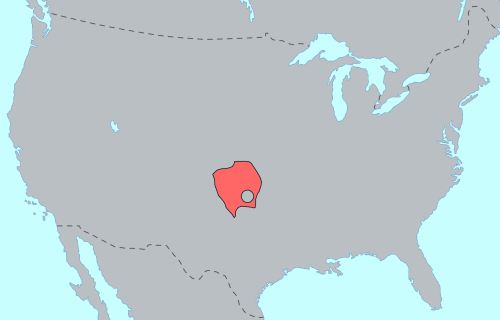
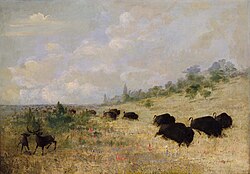
しかし、北方のオジブワ族からの圧力により、シャイアン族やスー族が彼らの領域に押し寄せたことで、カイオワ族はさらに南へと追いやられます。初期の移動では犬に荷物を引かせていましたが、後にスペイン人や他の部族との交易・略奪を通じて馬を手に入れたことで、彼らの機動力と狩猟能力は飛躍的に向上しました。
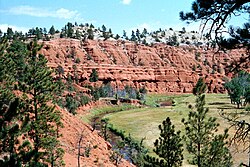
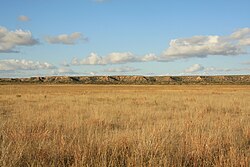
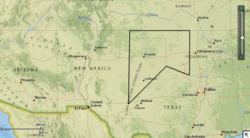
19世紀初頭までには南部大平原に定着し、テキサス州のリャノ・エスタカドなどの広大な地域を拠点とするようになります。
社会構造と精神世界
カイオワ族は、伝統的に高度な社会組織を持っていました。特にコマンチ族との関係において政治的な区分が存在し、年次行事であるサンダンス(K’áu:d̶ó)の際には、ティピー(円錐形テント)の配置によってバンドごとの役割や義務が明確に定められていました。
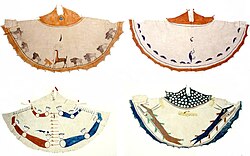
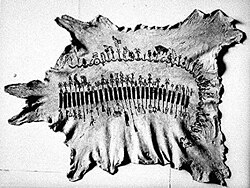
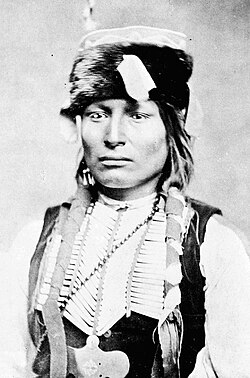
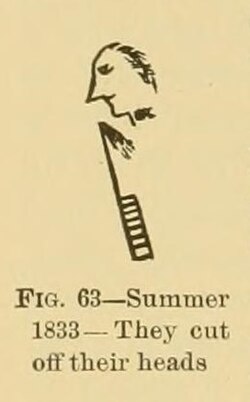
彼らの精神文化において特筆すべきは、独自の暦システムです。1年間に2つの出来事を記録するという緻密な手法を用いており、これにより当時の生活や出来事が詳細に保存されました。特にシルバー・ホーンのような優れた芸術家であり宗教的指導者であった人物が、これらの記録を後世に残しました。
戦いと抵抗の時代
19世紀、カイオワ族は強力な戦士文化を形成していました。ドハサン(Dohasan)のような偉大な指導者が部族を統一し、アメリカ合衆国との間で複数の条約を締結しましたが、領土の浸食は止まりませんでした。
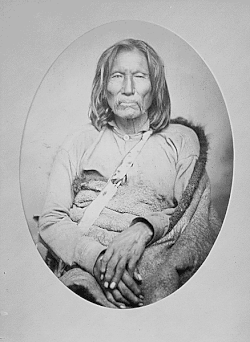
ギパゴ(Guipago)やサタンタ(Satanta)といった指導者たちは、伝統的な生活を守るために激しく抵抗しました。1874年のレッドリバー戦争(バッファロー戦争)では、コマンチ族と同盟して米軍に立ち向かいましたが、パロ・デュロ・キャニオンでの戦いを経て、多くの戦士たちが降伏し、フロリダのフォート・マリオンなどの監獄へ送られるという悲劇に見舞われました。
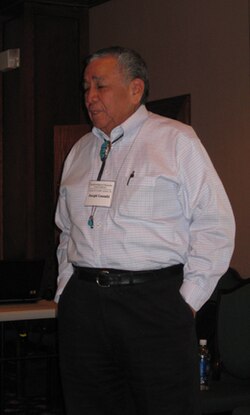
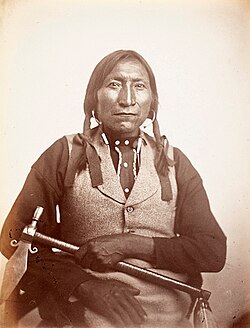
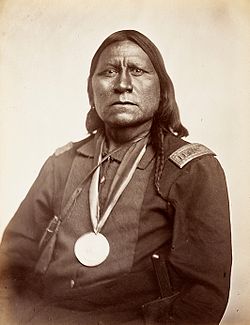
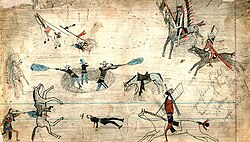
1867年のメディシン・ロッジ条約により、彼らは現在のオクラホマ州南西部の予約区への移住を余儀なくされました。その後も、ローン・ウルフ(Lone Wolf)のような指導者が最高裁判所で権利を訴えましたが、多くの場合、政府側の決定が優先される厳しい時代が続きました。
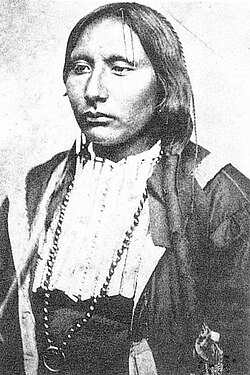
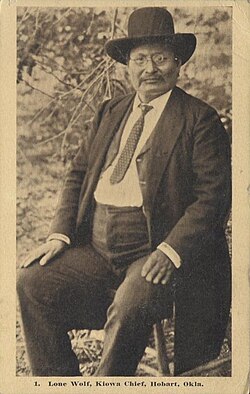
芸術への昇華:レジャーアートと現代の表現
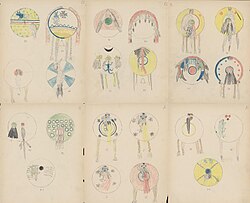
過酷な監禁生活や文化的な転換期の中で、カイオワ族の精神は「芸術」として結実しました。特に、会計帳簿(レジャー)の白紙部分に描かれたレジャーアートは、伝統的な皮絵の技法を継承しつつ、彼らの経験や記憶を視覚的に記録したものです。
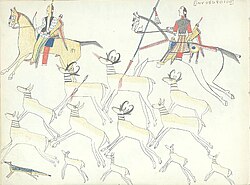
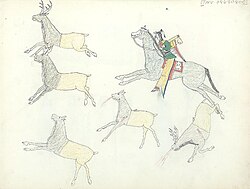
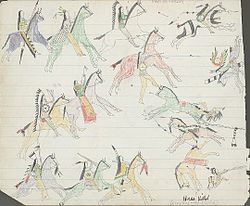
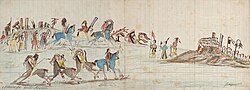
狩猟の様子や戦いの記憶、そして部族の象徴である盾のデザインなどが鮮やかに描かれました。
20世紀に入ると、「カイオワ・シックス」と呼ばれる芸術家集団が登場します。彼らはオクラホマ大学で学び、伝統的なモチーフを現代的な美術へと昇華させ、チェコスロバキアの国際美術会議やヴェネツィア・ビエンナーレに出展するなど、世界的な評価を得ました。
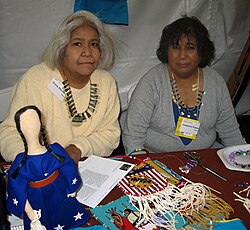
また、写真の分野ではホレス・プーロウが20世紀前半の部族の生活を克明に記録し、その遺志は孫のトーマス・プーロウへと引き継がれています。現代では、ビーズ細工やデジタルアートなど、多様な形態でその創造性は発揮され続けています。
![Micah Wesley, 2008, enrolled Kiowa artist and DJ[74][75]](/images/e0/15/e015ed15e1d4890f2663666ea3c858c44ecacb06435bcb2cad099df5e3fea09e.jpg)
カイオワ族の概要まとめ
| 項目 | 詳細 |
|---|---|
| 人口 | 約12,000人(2011年時点) |
| 主要居住地 | アメリカ合衆国オクラホマ州 |
| 言語 | カイオワ語(絶滅危惧)、英語、平原手話 |
| 主要な芸術形式 | レジャーアート、ビーズ細工、写真、絵画 |
| 歴史的転換点 | 1867年メディシン・ロッジ条約による予約区移住 |
Frequently Asked Questions
カイオワ語の現状はどうなっていますか?
カイオワ語はタノアン語族に属していますが、現在は非常に深刻な絶滅の危機にあります。2012年時点での話者はわずか20人とされており、言語の保存に向けて「カイオワ言語部門」などの取り組みが行われています。
レジャーアートとはどのような芸術ですか?
もともとは大平原の皮絵の伝統に基づいたもので、米軍の捕虜となった人々などが、入手可能な会計帳簿(レジャー)の紙に描いたことから始まりました。部族の歴史、戦い、日常生活などを記録した貴重な視覚資料となっています。
「カイオワ・シックス」とは誰のことですか?
20世紀初頭に活躍した6人の芸術家集団(スペンサー・アサ、ジェームズ・オーチャイア、ジャック・ホケア、スティーブン・モポペ、ロイス・スモーキー、モンロー・ツァトケ)を指します。彼らは伝統的なスタイルを芸術的に昇華させ、国際的な名声を獲得しました。
サンダンスとはどのような儀式ですか?
カイオワ族にとって極めて重要な伝統的な宗教儀式です。この儀式の際には、部族内の各バンドがティピーのリング状の配置に沿って集まり、それぞれの役割や義務を果たすことで、コミュニティの結束と精神的な再生を図りました。
現在のカイオワ族はどのような統治形態をとっていますか?
1970年に制定された憲法(2017年に承認)に基づき、議長(Chairman)を中心とした行政組織によって運営されています。伝統を尊重しつつ、現代的な部族政府として機能しています。
References
- Dane Poolaw (2023) ǥáuiđòᵰ꞉gyà–tʼáukáuidóᵰ꞉gyá : Kiowa–English student glossary.
- 2011 Oklahoma Indian Nations Pocket Pictorial Directory. Archived April 24, 2012, at the Oklahoma Indian Affairs Commission. 2011: 20. Retrieved 4 Jan 2012.
- "Kiowa". . Merriam-Webster. 1032680871.
- "Kiowa". (Online). n.d.
- Pritzker 326
- Kracht, Benjamin R. "Kiowa". The Encyclopedia of Oklahoma History and Culture.
- Hickerson, Nancy P. The Jumanos: Hunters and Traders of the South Plains. University of Texas Press, 1994
- Meadows, William C. Kiowa Ethnogeography, University of Texas Press, 2008
- Ortman, Scott G and Lynda McNeil, The Kiowa Odyssey: Evidence of historical relationships among Pueblo, Fremont, and Northwest Plains peoples, Plains Anthropologist, 2018, Vol. 63, No. 246, pp. 152-174
- Bureau of Indian Affairs, Interior. (January 30, 2026). "Notice Indian Entities Recognized by and Eligible To Receive Services From the United States Bureau of Indian Affairs". Federal Register. 91 (4102): 4102–4106. Retrieved May 6, 2026.
📸 フォトギャラリー