中生代の象徴ともいえるジュラ紀は、約2億140万年前から1億4310万年前まで続いた地質時代です。この時代は、巨大な恐竜たちが地上を支配し、海では巨大な海洋爬虫類が泳ぎ、空には翼竜が舞うという、生命のダイナミズムに満ちた時代でした。また、超大陸パンゲアの分裂が始まり、現在の世界地図へとつながる地殻変動が激しく起きた時期でもあります。
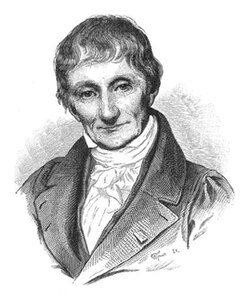
「ジュラ紀」という名称は、フランスの地質学者アレクサンドル・ブロンニャールによって提唱されました。
Key Facts
- 期間: 約201.4 Ma(百万年前)から143.1 Maまで。
- 主要生物: 巨大な竜脚類や獣脚類などの恐竜、始祖鳥、魚竜、首長竜。
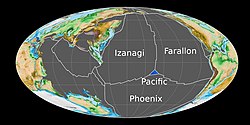
- 地質学的特徴: 超大陸パンゲアの分裂と太平洋プレートの形成。
- 植物相: ソテツ類、イチョウ類、針葉樹が中心の森林。
- 気候: 全体的に温暖で、海洋無酸素事変などの変動があった。
ジュラ紀の地質学的区分と時間軸
ジュラ紀は、地層の特性に基づき「前期」「中期」「後期」の3つの世(Epoch)に分けられます。さらに細かくは、ヘッタンギアンからティトニアンまで11のステージ(Age)に区分されており、それぞれに固有の化石群や地質学的特徴が見られます。
| 区分(世) | 主なステージ(時代) | 開始時期(約) |
|---|---|---|
| 前期(Lower Jurassic) | ヘッタンギアン、シネムリアン、プリエンバッヒアン、トアルシアン | 201.4 Ma |
| 中期(Middle Jurassic) | アーレニアン、バジョシアン、バトニアン、カロビアン | 174.7 Ma |
| 後期(Upper Jurassic) | オックスフォーディアン、キメリジャン、ティトニアン | 161.5 Ma |
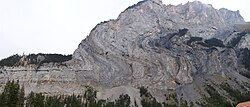
地層の解析では、石灰岩などの堆積岩が重要な手がかりとなります。例えば、スイスのガステレタールに見られる褶曲した石灰岩層は、当時の激しい地殻変動を物語っています。
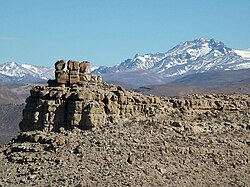
アルゼンチンのネウケン州やコロラド州のモリソン層など、世界各地に中期から後期の地層が分布しており、貴重な化石の宝庫となっています。
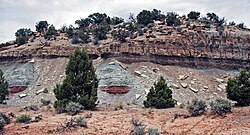
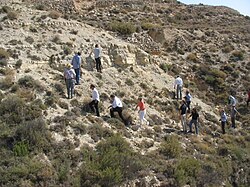
地層の境界を定義する基準(GSSP)として、スペインのフエンテルサスにあるアーレニアン期の基底などが設定されており、地球規模での時間軸の統一が図られています。
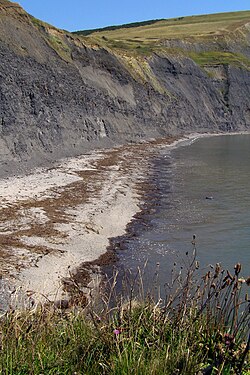
また、イギリス南部のジュラシック・コーストに見られるキメリッジ粘土などの地層は、当時の海洋環境を詳細に伝えています。
地球の姿と環境の変化
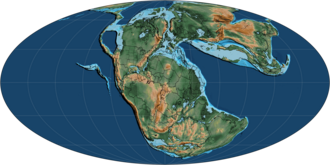
ジュラ紀の始まりにおいて、地球は一つの巨大な大陸「パンゲア」に覆われていましたが、次第に分裂が始まりました。前期には北米やユーラシアの分離が進み、海洋の循環が変化しました。
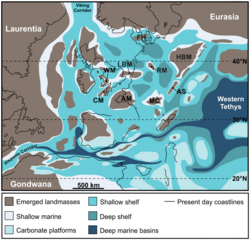
特にトアルシアン期には、ヨーロッパ周辺の地理的配置が大きく変わり、温暖な気候が広がりました。
後期になると、大西洋の原型となる海域が広がり、大陸はさらに分断されていきました。
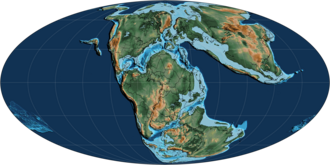
この地殻変動に伴い、太平洋プレートの形成などの大規模なプレート運動が進行し、地球の表面構造が劇的に塗り替えられました。
気候面では、全体的に温暖でしたが、トアルシアン海洋無酸素事変(T-OAE)のような、海洋中の酸素が極端に減少するイベントが発生し、多くの海洋生物に影響を与えました。
多様な生命の進化
植物の世界
ジュラ紀の陸上は、花を咲かせない裸子植物が支配していました。針葉樹やイチョウ類、ソテツ類が広大な森林を形成し、現代の植物の祖先となる種が繁栄しました。
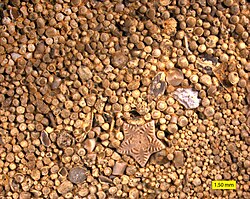
ユタ州のカーメル層に見られるオオイドを含む石灰岩は、当時の浅い海や沿岸環境を示しています。
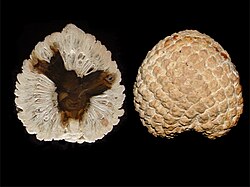
アルゼンチンで発見されたアラウカリア(ナンヨウスギ属)の球果や、イギリスのイチョウ類(Ginkgo huttonii)の葉などは、当時の豊かな植生を証明しています。
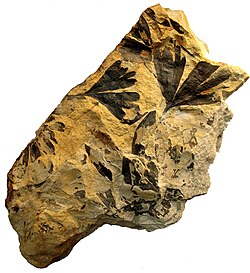
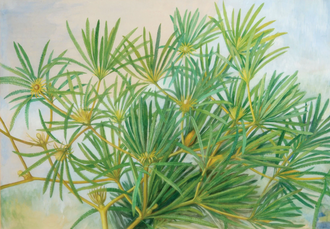
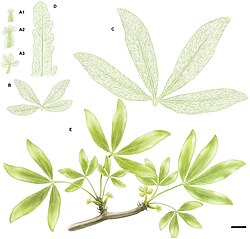
また、ウィリアムソニア類(ベネチテス目)やカイトニアル類といった、現在は絶滅した種子植物も繁栄しており、これらは後の被子植物(花を咲かせる植物)の進化に深く関わっていると考えられています。
恐竜と陸上動物
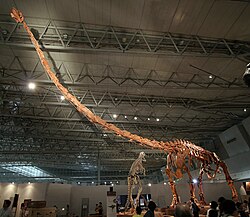
ジュラ紀は、恐竜が多様化した時代です。首の長い竜脚類が巨大化し、肉食の獣脚類が食物連鎖の頂点に立ちました。また、鳥類の直接の祖先である始祖鳥(Archaeopteryx)が登場したことも、この時代の重要な出来事です。
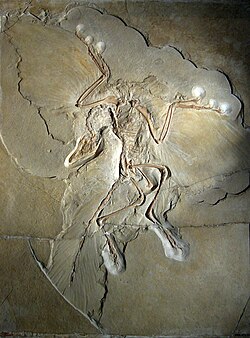
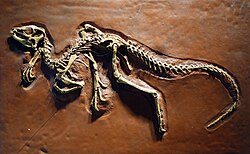
初期の鳥盤類であるヘテロドントサウルスや、中国で発見された巨大なマメンチサウルスなど、形態的に多様な恐竜たちが共存していました。
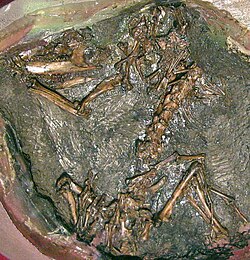
恐竜以外にも、初期の哺乳類形類(Mammaliaformes)が進化し、樹上生活や穴掘り、さらには水泳に適応した種が現れるなど、生態的地位を広げていきました。ポルトガルのヘンケロテリウムのような樹上性の種も知られています。
海洋と空の支配者
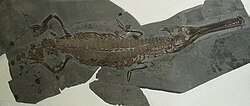
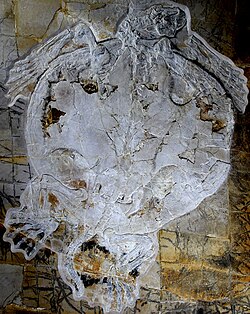
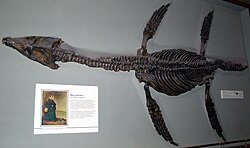
海では、魚竜(Ichthyosaurus)や首長竜(Plesiosaurus)が頂点捕食者として君臨しました。また、海亀の祖先や、ワニに近い海生爬虫類(プラティスクスなど)も繁栄していました。
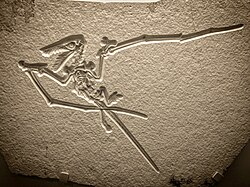
空では、プテロサウルス(翼竜)が進化し、多様なサイズと形態で空を飛び回っていました。
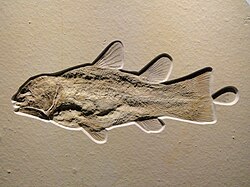
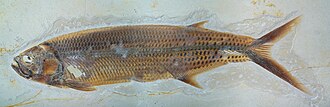
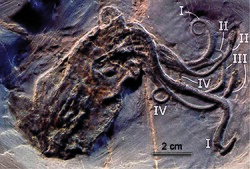
海洋生物は爬虫類だけではありません。シーラカンスのような古魚類や、現代のサメに近い新鰭類、さらにはタコやイカの祖先となる頭足類も多様に進化していました。
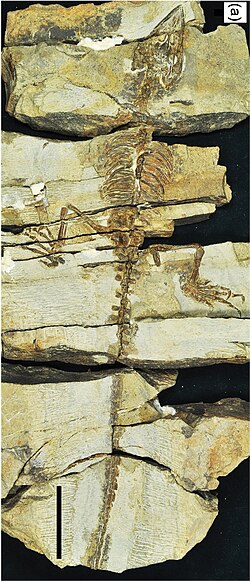
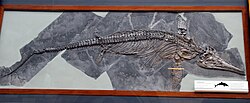
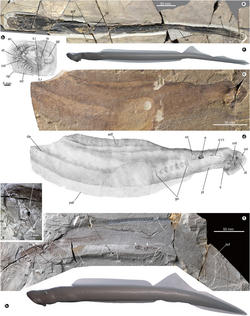
また、無顎類であるヤツメウナギの仲間(Yanliaomyzon)などの魚類も確認されています。
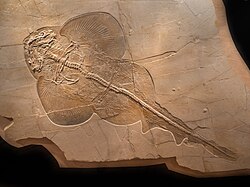
その他の小動物と無脊椎動物
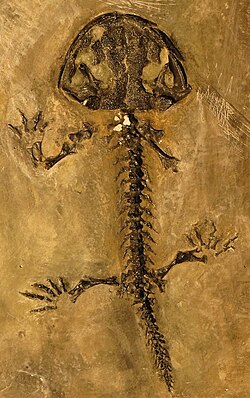
両生類では、サラマンダーの祖先となる種が進化し、カザフスタンのカラウルスなどが知られています。
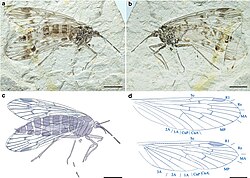
昆虫やクモなどの節足動物も非常に多様で、中国のダオフグー保存層からは、巨大なクモやハエ、甲虫などの精巧な化石が見つかっています。
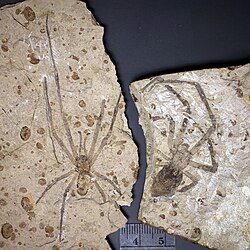
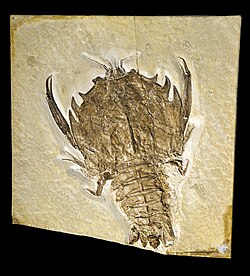
海洋の無脊椎動物では、アンモナイトが指標化石として重要であり、他にも甲殻類(エリオンなど)や腕足動物、サンゴなどが豊かな生態系を構築していました。
Frequently Asked Questions
ジュラ紀に最も特徴的な生物は何ですか?
巨大な竜脚類などの恐竜が代表的ですが、鳥類の祖先である始祖鳥や、海を支配した魚竜、首長竜などの海洋爬虫類もこの時代の象徴的な生物です。
パンゲアの分裂はジュラ紀にどのような影響を与えましたか?
大陸が分断されたことで、海洋の循環が変わり、気候の温暖化や地域的な環境変化が起きました。これにより、生物が地理的に隔離され、独自の進化を遂げる要因となりました。
ジュラ紀の植物はどのような種類が多かったですか?
被子植物(花を咲かせる植物)が現れる前であり、針葉樹、イチョウ類、ソテツ類、そしてシダ植物などの裸子植物が主役の時代でした。
ジュラ紀の終わりはどうなりましたか?
ジュラ紀は白亜紀へと移行しますが、劇的な大量絶滅があったわけではなく、徐々に環境が変化し、生物相が白亜紀の形態へと移行していきました。
始祖鳥はなぜ重要視されるのですか?
恐竜の特徴(歯や長い尾)と鳥類の特徴(羽毛や翼)の両方を併せ持っており、恐竜から鳥類への進化過程を示すミッシングリンクとして極めて重要な化石であるためです。
References
- "International Chronostratigraphic Chart" (PDF). . December 2024. Retrieved October 23, 2025.
- "Dictionary.com | Meanings & Definitions of English Words". Dictionary.com. 2024-04-17. Retrieved 2024-04-18.
- Ogg, J.G.; Hinnov, L.A.; Huang, C. (2012). "Jurassic". The Geologic Time Scale. pp. 731–791. :10.1016/b978-0-444-59425-9.00026-3. .
- (1829). Tableau des terrains qui composent l'écorce du globe ou essai sur la structure de la partie connue de la terre [Description of the Terrains that Constitute the Crust of the Earth or Essay on the Structure of the Known Lands of the Earth] (in French). Strasbourg, France: F.G. Levrault – via Gallica. From p. 221, footnote 2: "Souvent aussi calcaire oolithique moyen ou principal (great oolithe); mais le nom de terrains jurassiques nous paroît préférable […] analogue à celle de la chaîne du Jura." (Often also middle or principal oolitic limestone (great oolithe); but the name of "Jurassic terrains" seems to us preferable, because it is more general, because it indicates a terrain composed of different rocks, being in a geognostic position analogous to that of the Jura chain.)
- von Buch, L., 1839. Über den Jura in Deutschland. Der Königlich Preussischen Akademie der Wissenschaften, Berlin, p. 87.
- Cohen, K.M., Finney, S.C., Gibbard, P.L. & Fan, J.-X. (2013; updated) The ICS International Chronostratigraphic Chart. Episodes 36: 199–204.
- Hillebrandt, A.v.; Krystyn, L.; Kürschner, W.M.; Bonis, N.R.; Ruhl, M.; Richoz, S.; Schobben, M. A. N.; Urlichs, M.; Bown, P.R.; Kment, K.; McRoberts, C.A. (2013-09-01). "The Global Stratotype Sections and Point (GSSP) for the base of the Jurassic System at Kuhjoch (Karwendel Mountains, Northern Calcareous Alps, Tyrol, Austria)". Episodes. 36 (3): 162–198. :2013Episo..36..162H. :10.18814/epiiugs/2013/v36i3/001.
- Bloos, Gert; Page, Kevin N. (2002-03-01). "Global Stratotype Section and Point for base of the Sinemurian Stage (Lower Jurassic)". Episodes. 25 (1): 22–28. :2002Episo..25...22B. :10.18814/epiiugs/2002/v25i1/003.
- Meister, Christian; Aberhan, Martin; Blau, Joachim; Dommergues, Jean-Louis; Feist-Burkhardt, Susanne; Hailwood, Ernie A.; Hart, Malcom; Hesselbo, Stephen P.; Hounslow, Mark W.; Hylton, Mark; Morton, Nicol (2006-06-01). "The Global Boundary Stratotype Section and Point (GSSP) for the base of the Pliensbachian Stage (Lower Jurassic), Wine Haven, Yorkshire, UK". Episodes. 29 (2): 93–106. :2006Episo..29...93M. :10.18814/epiiugs/2006/v29i2/003.
- Rocha, Rogério Bordalo da; Mattioli, Emanuela; Duarte, Luís Vítor; Pittet, Bernard; Elmi, Serge; Mouterde, René; Cabral, Maria Cristina; Comas-Rengifo, Maria José; Gómez, Juan José; Goy, António; Hesselbo, Stephen P. (2016-09-01). "Base of the Toarcian Stage of the Lower Jurassic defined by the Global Boundary Stratotype Section and Point (GSSP) at the Peniche section (Portugal)". Episodes. 39 (3): 460–481. :2016Episo..39..460R. :10.18814/epiiugs/2016/v39i3/99741. :10261/140775.
📸 フォトギャラリー