ある地域に本来生息していなかった種が、人間の活動などを通じて持ち込まれ、その土地の環境に悪影響を及ぼす存在を外来種(インベーシブ・スピーシーズ)と呼びます。これらは単に「新しい種が来た」というレベルに留まらず、地域の生息地やバイオリージョン(生物地域)を破壊し、深刻な生態学的、環境的、そして経済的な損害を引き起こします。
生物が未知の生態系へ侵入すること自体は自然界でも起こり得る現象ですが、20世紀以降、人間による意図的または偶発的な導入が、その速度と規模、そして地理的な範囲を劇的に拡大させました。大航海時代や現代の国際貿易の発展が、このプロセスを加速させる大きな要因となっています。
Key Facts
- 定義:導入された種が新しい環境に害を及ぼす場合を指す。
- 主な要因:人間の移動、国際貿易、船舶のバラスト水などが媒介となる。
- 影響範囲:生物多様性の喪失、在来種の絶滅、農業・漁業への経済的打撃など。
- 代表例:クズ(植物)、セイタカアワダチソウ(植物)、ノネコ(動物)など。
- 対策:検疫の強化、物理的除去、遺伝子ドライブなどの最新技術による制御。
外来種の侵入プロセスと段階
生物が新しい土地に定着し、支配的な種になるまでにはいくつかの段階があると考えられています。最初はごく少数の個体(プロパギュル)が運ばれ、その後、定着し、個体数を増やして広範囲に拡散するというプロセスを辿ります。
| ステージ | 状態・特徴 |
|---|---|
| 0 | 供給源となる地域に個体が存在している状態 |
| I | 移動中(輸送されている状態) |
| II | 新しい環境に導入された直後 |
| III | 定着したが、分布が限定的で個体数も少ない |
| IVa | 広範囲に分布しているが、密度は低い |
| IVb | 分布は限定的だが、その地域で優占している |
| V | 広範囲に分布し、かつ圧倒的に優占している |
多様な外来種の事例と具体的被害
植物による環境改変
植物の外来種は、地表を覆い尽くすことで在来植物の光合成を妨げたり、土壌の性質を変えたりします。例えば、クズは樹木を飲み込むように成長し、森の景観を一変させます。
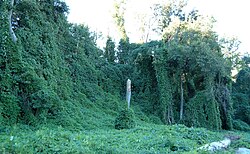
また、ホテイアオイのような水生植物は、河川や湖沼を埋め尽くし、水中の酸素濃度を低下させたり、船舶の航行を妨げたりします。
![Invasive water hyacinths (Pontederia crassipes) clog the Pasig River in Manila, Philippines in October 2020.[131]](/images/65/5b/655bfc5da79b9fe9f8a2351d97d7fc24991c662b2675c137276f360c734013e0.jpg)
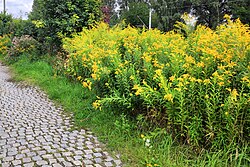
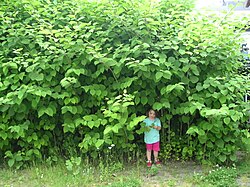
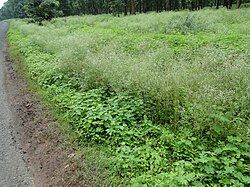
その他、セイタカアワダチソウやイタドリなどは、世界各地で路傍や自然界に浸食し、在来種を駆逐する深刻な問題となっています。
動物による生態系破壊
動物の外来種は、捕食を通じて在来種を絶滅に追い込むことが多くあります。特に島嶼部などの閉鎖的な生態系では、天敵のいない外来種が猛威を振るいます。例えば、グアム島におけるブラウンツリーヘビの侵入は、多くの在来鳥類に壊滅的な打撃を与えました。
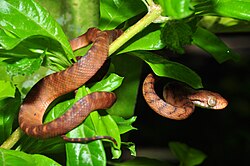
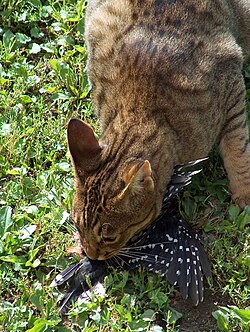
また、家猫などのペット由来の種も、野生化した際に鳥類や小型哺乳類を捕食し、世界的な生物多様性の低下を招いています。
ニュージーランドのカカポのような絶滅危惧種は、ネズミや猫といった外来種の捕食によって、個体数が極めて少ない危機的な状況にあります。
![The Kākāpō is a threatened species partially because of predation by invasive species (mostly rats and cats), there are only ≈240 individuals left worldwide [118]](/images/82/c4/82c448917c0bc4a207b4bb43ed5003907d61c53fcfe60c1db1e0dbc4f573ae97.jpg)
水圏およびその他の事例
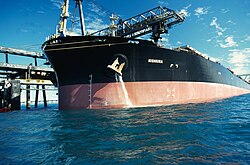
水域では、船舶のバラスト水(船体を安定させるための水)を通じて、意図せず多くの種が世界中に運ばれます。これにより、本来の生息域とは異なる海域に種が導入されます。
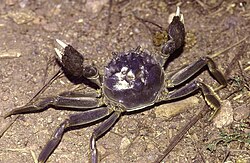
中国 mitten crab(チュウゴクモクズガニ)のように、商業的価値があるために意図的に導入され、結果として在来種に影響を与えた例もあります。
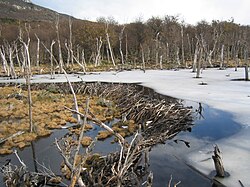
さらに、北米ビーバーが南米のティエラ・デル・フエゴに導入された例や、フロリダでビルマニシキヘビが在来のアリゲーターと競合する例など、大型動物による環境改変も顕著です。
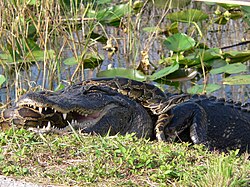
また、アルゼンチンアリのような昆虫は、大陸を越えてスーパーコロニーを形成し、世界最悪の外来種の一つに数えられています。
![Argentine ants (Linepithema humile), which form supercolonies across continents, are ranked among the world's 100 worst invasive animal species.[121]](/images/a3/a2/a3a296cd5dac5b7c61decbb8386a23945dfb710da138b2aed394143cad21e8b4.jpg)
侵入の要因と媒介ルート
外来種の拡散は、主に人間による「ベクトル(媒介物)」を通じて行われます。意図的な導入(農業、園芸、ペット、食料)だけでなく、貨物への混入や衣服への付着といった偶発的なルートが存在します。
特に注意が必要なのが、キャンプなどで薪を移動させる行為です。これにより、目に見えない虫や菌類が別の地域へ運ばれ、森林破壊を招くことがあります。
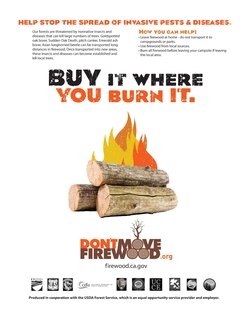
また、森林火災の消火活動に使用される水や機材が、意図せず水生外来種を運ぶ媒介となるケースも報告されており、機材の洗浄などの対策が求められています。
影響と対策:経済的損失から回復へのアプローチ
多角的な悪影響
外来種の問題は、単なる自然保護の視点だけでなく、人間社会にも大きな影響を及ぼします。農業被害やインフラの損壊、さらにはアレルギー疾患などの健康被害まで、その範囲は多岐にわたります。米国や欧州では、これらの管理に膨大な予算が投じられています。
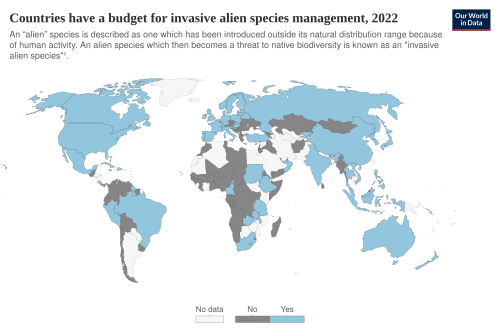
管理と根絶への取り組み
対策としては、まず水際での検疫と貨物検査による「侵入防止」が最優先されます。すでに侵入してしまった場合は、農薬や除草剤による物理的・化学的除去が行われます。最近では、特定の遺伝子を操作して繁殖能力を奪う「遺伝子ドライブ」などの先端技術の研究も進んでいます。
生態系の復元と代替案
失われた生態系を取り戻すため、在来種の再導入や、外来種を除去した島での繁殖プログラムが行われています。例えば、ニュージーランドのタカヘは、外来種が排除された島への移送によって繁殖に成功しました。
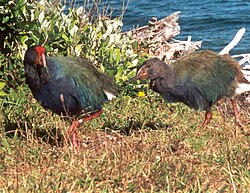
また、興味深いアプローチとして、絶滅した在来種と生態学的役割が似ている種を導入してバランスを取り戻す「タクソン置換(分類群置換)」という考え方もあります。モーリシャスの小島では、アルダブラゾウガメの導入が生態系の均衡回復に寄与した例があります。
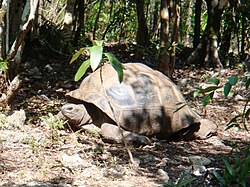
さらに、外来種を食用として利用することで個体数を抑制し、同時に経済的利益を得るという試みも注目されています。
その他の事例
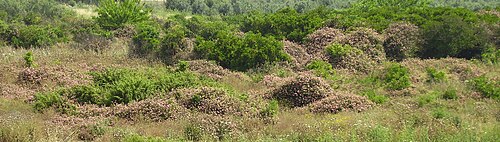
園芸植物として導入されたビンカや、特定の地域で雑草化しているランタナなどの植物も、管理を誤れば周囲の環境を圧迫します。
![Vinca in a garden[1]](/images/14/35/1435d03882e8a4c78d5e4ced5356b1f8fdb67016eed41a76cad4a3dd42d214d4.jpg)
Frequently Asked Questions
外来種と侵入種(インベーシブ・スピーシーズ)の違いは何ですか?
すべての外来種が有害なわけではありません。単に元の生息地以外に導入された種を「外来種」と呼び、その中で、急速に増殖して在来種や環境に実害を及ぼすものを特に「侵入種(インベーシブ・スピーシーズ)」と区別して呼びます。
なぜ外来種はこれほどまでに増えやすいのですか?
新しい環境において、天敵が存在しないことが最大の理由です。これにより、捕食されるリスクが激減し、エネルギーをすべて成長と繁殖に注ぎ込むことができるため、爆発的に個体数が増加します。
外来種を完全に排除することは可能ですか?
完全に排除することは非常に困難です。特に広範囲に拡散した後は、根絶よりも「管理(個体数の抑制)」に重点が置かれます。ただし、隔離された島などでは、徹底的な駆除によって根絶に成功した事例もあります。
人間が外来種を広げないためにできることはありますか?
ペットや観賞用植物を野外に放さないこと、キャンプなどで薪を別の地域へ持ち込まないこと、また、地域のルールに従って外来種の拡散防止に協力することが重要です。
外来種を食べることは本当に効果があるのでしょうか?
一部の種では、食用として需要を高めることで個体数を減らす効果が期待されています。しかし、食欲による消費だけで完全に根絶させることは難しく、他の管理手法と組み合わせた総合的な対策の一環として位置づけられています。
References
- "Challenge". Florida Fish And Wildlife Conservation Commission. Retrieved April 30, 2026.
- Davis, Mark A.; Thompson, Ken (2000). "Eight Ways to be a Colonizer; Two Ways to be an Invader: A Proposed Nomenclature Scheme for Invasion Ecology". Bulletin of the Ecological Society of America. 81 (3): 226–230. 20168448.
- Odd Terje Sandlund; Peter Johan Schei; Åslaug Viken (June 30, 2001). Invasive Species and Biodiversity Management. Springer Science & Business Media. pp. 2–. . Archived from the original on December 18, 2021. Retrieved November 1, 2020.
- Colautti, Robert I.; MacIsaac, Hugh J. (February 24, 2004). "A neutral terminology to define 'invasive' species: Defining invasive species". Diversity and Distributions. 10 (2): 135–141. :10.1111/j.1366-9516.2004.00061.x. 18971654.
- S. Inderjit (January 16, 2006). Invasive Plants: Ecological and Agricultural Aspects. Springer Science & Business Media. pp. 252–. . Archived from the original on December 18, 2021. Retrieved November 1, 2020.
- Luscombe, Richard (February 5, 2026). "Florida euthanizes 5,000 iguanas after cold snap stuns the invasive reptiles". The Guardian. 0261-3077. Retrieved April 30, 2026.
- "Green Iguana". Florida Fish And Wildlife Conservation Commission. Retrieved April 30, 2026.
- Root-Bernstein, Meredith; Ladle, Richard (2019). "Ecology of a widespread large omnivore, Homo sapiens, and its impacts on ecosystem processes". . 9 (19): 10874–94. :2019EcoEv...910874R. :10.1002/ece3.5049. 6802023. 31641442. 203370925.
- Kinsey, John (2020). "Nuisance Wildlife in Texas: Wild Pigs". tpwd.texas.gov. Retrieved April 30, 2026.
- Lockwood, Julie L.; Hoopes, Martha F.; Marchetti, Michael P. (2007). Invasion Ecology (PDF). Blackwell Publishing. p. 7. Archived from the original (PDF) on September 24, 2015. Retrieved January 21, 2014.
📸 フォトギャラリー