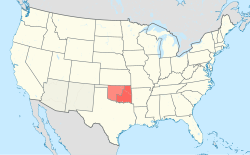
かつてアメリカ合衆国の中央部には、インディアン準州(Indian Territory)と呼ばれる広大な地域が存在しました。ここは単なる行政区画ではなく、米国政府によって先住民国家の移住先として設定された、複雑な政治的・社会的背景を持つ土地でした。19世紀を通じて、この地は独立した部族政府が統治する領域から、最終的にオクラホマ州へと統合されるまでの激動の時代を歩みました。
もともとこの地域は、米国政府が推進した「先住民移住政策」の目的地として機能していました。18世紀から19世紀にかけて、東部に住んでいた先住民を西側へ強制的に移動させることで、白人入植者のための土地を確保しようとした結果です。しかし、南北戦争後には政策が「同化」へと転換し、部族の独立性は次第に失われていきました。
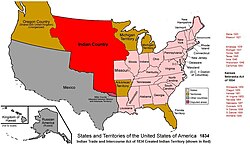
主要な事実(Key Facts)
- 期間: 1834年から1906年まで存在し、その後オクラホマ州へと統合された。
- 目的: 米国政府による先住民の強制移住(Indian Removal)の受け入れ先として設定。
- 統治: 当初は各部族が独立した政府を持つ「委任独立部族政府」の形態をとっていた。
- 地理的変遷: ルイジアナ買収地の一部から始まり、後にカンザスやネブラスカなどの州が分離し、現在のオクラホマ州の大部分となった。
- 政策転換: 南北戦争後、独立した国家としての承認から、米国社会への「同化」政策へと移行した。
領土の形成と地理的変遷
インディアン準州のルーツは、1803年のルイジアナ買収にまで遡ります。この広大な土地の取得により、米国は西への拡大を加速させました。
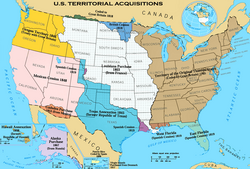
1812年にルイジアナが州となった後、残りの地域はミズーリ準州と呼ばれ、さらに1819年にはその南部からアーカンソー準州が分離しました。この過程で、チョクトー族との条約交渉などの影響により、現在のオクラホマ州からアーカンソー州東部にかけての地域が先住民の居住区として定義されました。その後、境界線の再定義を経て、現在のオクラホマ、カンザス、ネブラスカ、およびアイオワの一部を含む広大な「インディアン・ゾーン」が形成されました。
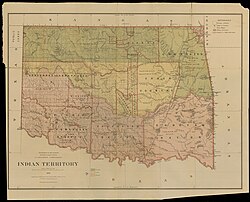
時代が進むにつれ、この広大な地域は細分化されていきます。1861年にカンザス州、1867年にネブラスカ州がそれぞれ州として独立し、準州の面積は縮小しました。
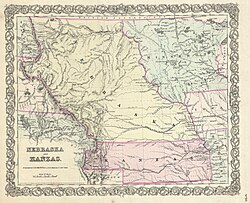
1890年には「オクラホマ有機法」が制定され、インディアン準州の西部が「オクラホマ準州」として分離されました。これは、将来的に両者を統合して一つの「オクラホマ州」を創設するための準備段階でした。
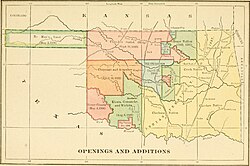
また、南北戦争後の1890年頃には、連邦政府がかつての西部土地を没収し、さらに「ノーマンズランド(無主地)」と呼ばれる、どの部族の統治も及ばない地域が存在していました。
多様な先住民部族とその文化
インディアン準州には、もともとこの地に住んでいた人々(土着部族)と、外部から移住させられた人々が共存していました。
土着の文化と部族
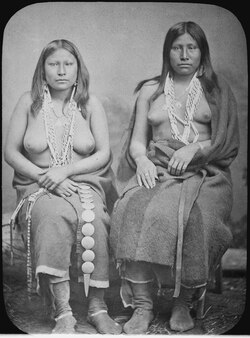
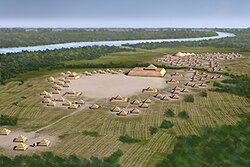
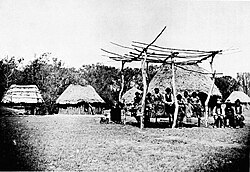
紀元800年から1500年頃にかけて、この地ではサザンプレーンズ・ヴィレジャーズと呼ばれる文化が栄えていました。彼らはトウモロコシの栽培とバッファロー狩りを組み合わせた半定住生活を送っており、現在のウィチタ族などの先祖と考えられています。
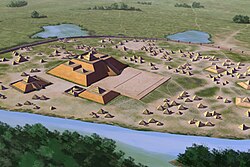
また、カドー族の連合体は東部で活動し、ミシシッピ文化の影響を受けたマウンド(古墳のような盛り土)を築く文化を持っていました。
移住させられた「五つの文明部族」
米国東部から強制的に移住させられた部族の中で、欧米の政治・社会制度を積極的に取り入れたグループは「五つの文明部族」と呼ばれます。彼らは準州内に独自の首都を築き、高度な統治機構を整備しました。
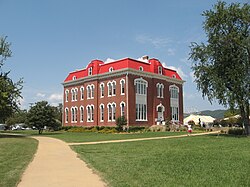
- チェロキー族: 首都タレクア。1849年に建設された歴史的な裁判所が現存しています。
- チョクトー族: 首都タスコホマ。
- クリーク族(マスコーギー): 首都オクマルギー。
- チカソー族: 首都ティショミンゴ。
- セミノール族: 首都ウェウォカ。
![Cherokee Nation Historic Courthouse in Tahlequah, Oklahoma, built in 1849, the oldest public building standing in Oklahoma[36]](/images/78/86/7886b717d309eddd8fcb3e9654dd57fe6e56d6967c5cdd3fb20d268f1d7a05d7.jpg)
その他の移住部族と平原部族
五つの文明部族以外にも、五大湖周辺や北東部から多くの部族が移住しました。例えば、デラウェア族の人々は独自のコミュニティを維持し、伝統的な工芸や文化を継承しました。
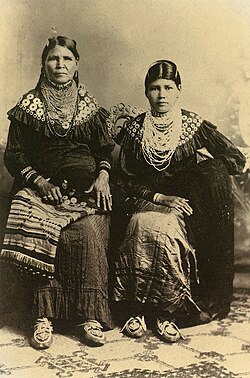
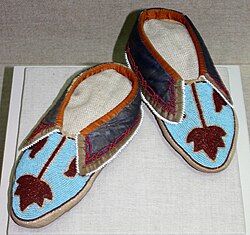
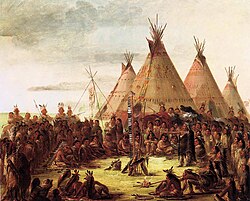
また、ポンカ族やポーニー族などの平原部族も、条約による土地割譲や誤った境界設定、感染症の流行などの困難を経て、この地へ移住することとなりました。彼らの多くは伝統的にティピー(円錐形テント)で生活していました。
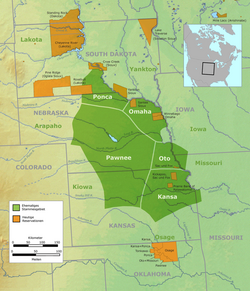
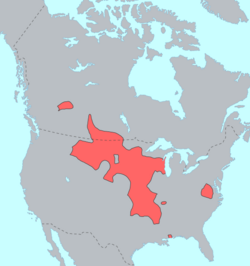
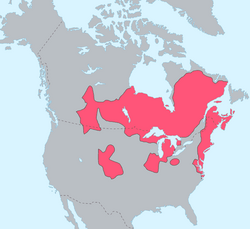
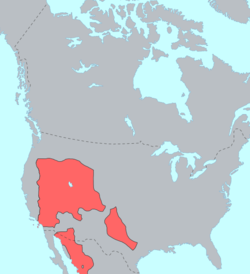
言語的な分布を見ると、シウー語族、アルゴンキン語族、ユト・アステカ語族など、多様な言語グループがこの地域に集まったことがわかります。
政治体制と社会の変容
インディアン準州の統治は、当初は各部族の主権に基づいた独立した形式でした。部族議会は構成員500人以上の部族から比例代表で選出され、独自の法律を制定していました。ただし、これらの法律は米国憲法や連邦法、および締結された条約に抵触してはならず、内務長官や大統領による停止権限が設けられていました。
しかし、南北戦争(1861-1865年)が大きな転換点となります。南部連合側に付いた部族は、戦後、米国政府から条約の破棄を突きつけられました。ここから、部族を独立国家として扱うのではなく、米国社会へ組み込む「同化政策」へと舵が切られました。この過程で、奴隷制の廃止や、戦時中の行動に対する恩赦などの再編が行われました。
まとめ:インディアン準州の概要
以下の表に、インディアン準州の主要な変遷をまとめます。
| 項目 | 詳細 |
|---|---|
| 存続期間 | 1834年 〜 1906年 |
| 主な目的 | 先住民の強制移住先の確保 |
| 統治形態 | 独立部族政府(後に米国による同化政策へ) |
| 主要部族 | チェロキー、チョクトー、クリーク、チカソー、セミノール、カドー、ウィチタ等 |
| 最終的な結末 | 1907年にオクラホマ州として昇格・統合 |
Frequently Asked Questions
インディアン準州とは具体的にどのような場所でしたか?
米国政府が先住民の移住先として設定した地域で、現在のオクラホマ州の大部分を含んでいました。当初は独立した先住民国家が統治する領域でしたが、次第に米国の行政管理下に置かれ、最終的に州へと統合されました。
「五つの文明部族」とは誰を指しますか?
チェロキー、チョクトー、クリーク、チカソー、セミノールの5つの部族を指します。彼らは米国東部から強制移住させられましたが、欧米風の政治制度や教育、法律などを取り入れたため、このように呼ばれました。
なぜ独立した準州からオクラホマ州になったのですか?
米国政府の政策が、先住民を独立した国家として認めることから、米国市民として同化させる方向へ変わったためです。1890年のオクラホマ有機法により、白人入植者が多い地域と先住民地域が整理され、1907年に一つの州として統合されました。
南北戦争は先住民にどのような影響を与えましたか?
多くの部族が南部連合側と結んだため、戦後、米国政府はこれを理由に既存の条約を破棄し、新たな条件での再契約を強いました。これにより、部族の主権が弱まり、同化政策が加速することとなりました。
この地域に元々住んでいた人々はいたのですか?
はい。移住させられた部族以外に、ウィチタ族やカドー族など、古くからこの地に根付いていた土着の部族が存在していました。彼らは農業や狩猟を行い、独自の文化(マウンド建築など)を築いていました。
References
- Everett, Dianna. "Indian Territory Archived 2012-02-25 at the ," Encyclopedia of Oklahoma History and Culture, published by the Oklahoma Historical Society (accessed October 17, 2013).
- Pennington, William D. Encyclopedia of Oklahoma History and Culture. "Reconstruction Treaties." Retrieved February 16, 2012. Archived 2014-02-20 at the
- "Acquisition of the Public Domain, 1781–1867, Table 1.1" (PDF). Archived from the original (PDF) on July 23, 2011. Retrieved 2012-03-02.
- "Downes v. Bidwell, 182 U.S. 244 (1901)". Retrieved 2012-03-02.
- "Encyclopedia of Arkansas". Encyclopedia of Arkansas. Retrieved 2020-07-09.
- Stein, Mark (2008). How the States got Their Shapes (First ed.). New York: HarperCollins. . 137324984.
- "Everett, Dianna. Encyclopedia of Oklahoma History and Culture. "Indian Territory."". Archived from the original on 2012-02-25. Retrieved 2012-02-15.
- "Subchapter I – Treaties". 25 USC Chapter 3 – Agreements with Indians. uscode – house.gov. Archived from the original on March 17, 2012. Retrieved 27 February 2011.
- 25 U.S.C. § 71. Indian Appropriation Act of March 3, 1871, 16 Stat. 544, 566
- Congress' plenary authority to "override treaty provisions and legislate for the protection of the Native Americans." United States v. City of McAlester, 604 F.2d 42, 47 (10th Cir. 1979)
📸 フォトギャラリー