アイスランド:火と氷が織りなす北欧の島国
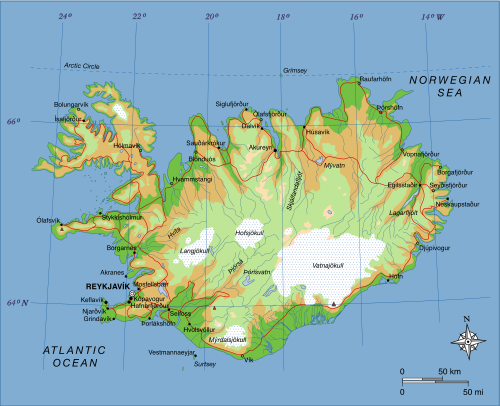
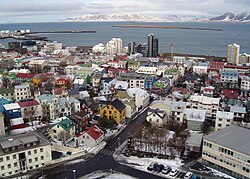
北大西洋に浮かぶアイスランドは、ダイナミックな火山活動と広大な氷河が共存する、世界でも類を見ない自然環境を持つ国です。北欧のアイデンティティを色濃く持ちながら、独自の言語と文化を育んできたこの島国は、現代では高い生活水準と持続可能なエネルギー利用の先駆者として知られています。
主要な事実(Key Facts)
- 首都: レイキャビク(人口の約64%が首都圏に集中)
- 政治体制: 単一議会制共和国(立法府は世界最古の議会の一つであるアルシング)
- 経済的特徴: 1人当たりGDPが非常に高く、漁業と再生可能エネルギーが基幹産業
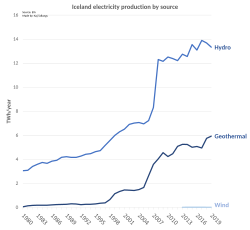
- 自然環境: 地熱および水力発電による再生可能エネルギーへの依存度が極めて高い
- 社会指標: 人間開発指数(HDI)で世界トップクラスの評価を得ている
歴史の変遷:入植から共和国へ
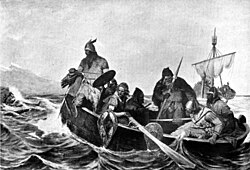
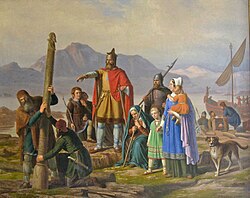
アイスランドの歴史は9世紀、スカンジナビアからの入植に始まります。最初の定住者とされるインゴルフル・アルナルソンらによって開拓が進み、その後、独自の共同体であるコモンウェルス(共和国)時代を迎えました。
中世以降、ノルウェーやデンマークの支配下に置かれた時期が長く続きましたが、19世紀から20世紀にかけて独立運動が激化しました。1918年にデンマークとの個人同君連合を経て、1944年6月17日に正式に共和国として独立を果たしました。
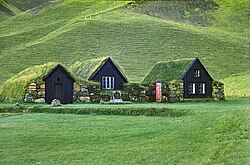
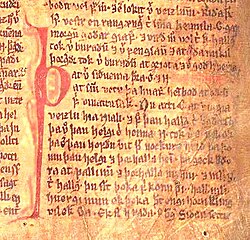
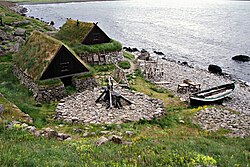
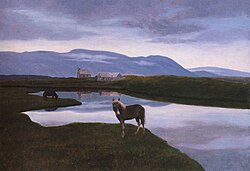
歴史的な住居形態としては、厳しい気候に適応した「芝屋根の家(ターフハウス)」が長く利用されていました。また、中世の歴史や伝説を記した「サガ」は、現代に至るまでアイスランドの精神的な遺産として大切にされています。
地理と自然:極限の環境が生む美
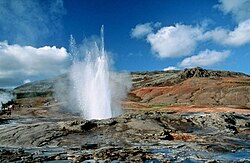
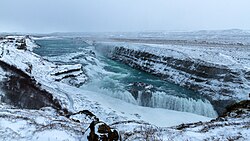
アイスランドの地形は、プレートの境界に位置することによる激しい地質活動によって形成されています。世界最古の間欠泉であるゲイシールや、圧倒的な水量を持つグトルフォスの滝など、地球の鼓動を感じさせる景勝地が点在しています。
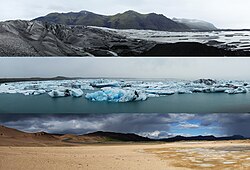
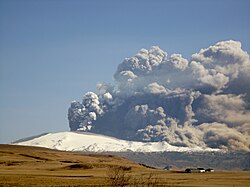
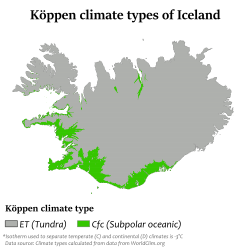
一方で、エイヤフィヤトラヨークトルのような活火山の噴火は、航空網に影響を与えるほどの規模となり、この国の自然の猛威を世界に知らしめました。気候はケッペンの気候区分に基づき、北極圏に近い寒冷な環境にあります。
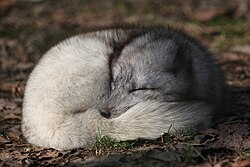
野生動物に関しては、人間が入植する前から唯一の陸上哺乳類であったホッキョクギツネが象徴的な存在です。
経済とインフラ:持続可能な発展
アイスランド経済は、伝統的に漁業に強く、輸出の約40%を漁業が占めています。しかし、近年では観光業の急成長や、地熱・水力を活用したエネルギー産業が大きな柱となっています。特に電力のほぼすべてを再生可能エネルギーで賄っている点は、世界的に高く評価されています。
![The Nesjavellir Geothermal Power Station services the Capital Region's hot water and electricity needs. Virtually all of Iceland's electricity comes from renewable resources.[200]](/images/68/1f/681f2c1fa7273cc624960eaf21ad9e3aa62a11e109d308500223a54ec24eaf2d.jpg)
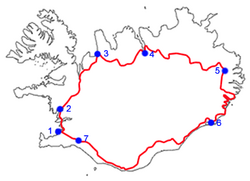
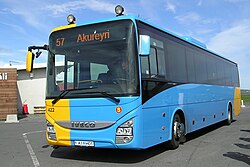
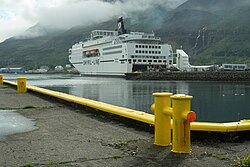
交通インフラとしては、島を一周する「リングロード」が主要な幹線道路となっており、公共バスのStrætóやフェリーが地域間の移動を支えています。
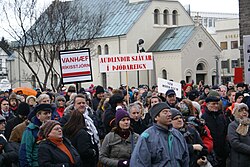
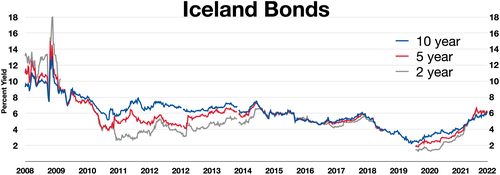
経済面では、2008年の金融危機という深刻な打撃を受けましたが、その後は構造改革を経て回復を遂げました。格差が少なく、高いHDI(人間開発指数)を維持しているのが特徴です。
社会と文化:伝統と現代の融合
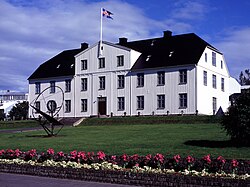
アイスランド社会は、ジェンダー平等への意識が非常に高く、女性の権利保障が進んでいます。また、教育水準も高く、レイキャビクにある最古のギムナジウム(中等教育学校)などがその伝統を象徴しています。
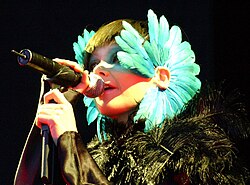
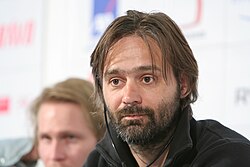
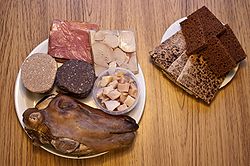
文化面では、音楽家のビョークや映画監督のバルタザール・コルマクールなど、世界的に活躍するアーティストを輩出しています。また、伝統的な食文化である「ソッラマトゥル(冬の伝統食)」や、国民的スポーツであるハンドボールへの情熱も深く根付いています。
![The Iceland men's national handball team (pictured) won the silver medal at the 2008 Summer Olympics. Handball is considered to be Iceland's national sport.[315]](/images/e6/ec/e6ecf7996012f75c7f010b45338c437c4313a79bc613df894665ca8fe85a20d8.jpg)
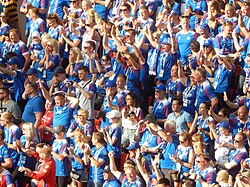
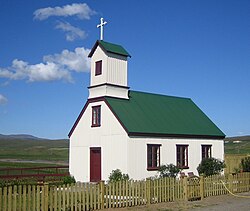
宗教面ではキリスト教(アイスランド国教会)が主流ですが、近年では多様な信仰や無宗教の割合も増加しています。
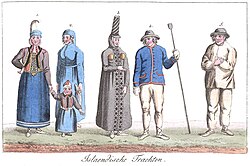
アイスランド基本データまとめ
| 項目 | 詳細 |
|---|---|
| 人口 | 約394,324人(2026年推計) |
| 公用語 | アイスランド語 |
| 通貨 | アイスランド・クローナ (ISK) |
| 主要産業 | 漁業、再生可能エネルギー、観光業 |
| 政府形態 | 単一議会制共和国 |
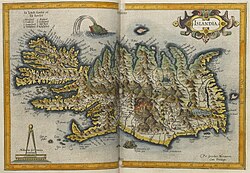
かつての地図製作者メルカトルが描いた時代から、現代の高度なデジタル社会に至るまで、アイスランドは常にその特異な環境と共に歩んできました。
Frequently Asked Questions
アイスランドの主な産業は何ですか?
伝統的に漁業が非常に重要であり、輸出の約40%を占めています。また、豊富な地熱と水力を利用した再生可能エネルギー産業や、近年急増している観光業が経済を支えています。
エネルギー事情はどうなっていますか?
電力のほぼすべてを再生可能エネルギーで賄っています。特に地熱発電が盛んであり、家庭への給湯や暖房にも地熱が広く利用されています。
どのような歴史を経て独立しましたか?
9世紀の入植後、ノルウェーやデンマークの支配を経験しました。1918年にデンマークとの個人同君連合となり、最終的に1944年に共和国として完全な独立を達成しました。
社会的な特徴や価値観は?
世界的に見てもジェンダー平等が進んでおり、女性の権利が強く保障されています。また、人間開発指数(HDI)が非常に高く、生活の質が高い社会です。
自然環境で特に注意すべき点は?
活発な火山活動があるため、噴火による影響を受けることがあります。また、北極圏に近いため気候が寒冷であり、厳しい自然環境への適応が不可欠な国です。
📸 フォトギャラリー