広大な海洋の中には、植物プランクトンの成長に必要な栄養分が豊富にあるにもかかわらず、なぜかプランクトンの密度が低く抑えられている不思議な海域が存在します。これをHNLC(High-Nutrient, Low-Chlorophyll:高栄養・低クロロフィル)海域と呼びます。通常、プランクトンの増殖は窒素やリンなどの栄養素に制限されますが、HNLC海域ではこれらの「主栄養素」が十分にあるため、別の要因が成長を妨げていると考えられています。
この現象の解明は、単なる生物学的な好奇心に留まらず、地球全体の気候変動や二酸化炭素(CO2)の吸収メカニズムを理解する上で極めて重要な意味を持っています。
Key Facts
- HNLC海域の定義:主栄養素(硝酸塩、リン酸塩など)が豊富であるにもかかわらず、クロロフィル(プランクトンの指標)濃度が低い海域。
- 主要な3海域:北太平洋、赤道太平洋、および南大洋。
- 制限要因:多くのHNLC海域では、酵素触媒や電子伝達に不可欠な微量元素である鉄の不足が成長のボトルネックとなっている。
- 炭素固定:プランクトンの増殖を促すことで、光合成によるCO2吸収量を増やし、深海へ炭素を隔離できる可能性がある。
海洋の一次生産と栄養素のバランス
海洋における一次生産とは、植物プランクトンなどの自栄養生物が太陽光エネルギーを利用して、水中の二酸化炭素を糖などの有機物に変換するプロセスです。この反応には、特定の比率で栄養素が必要となります。
特に重要なのが「レッドフィールド比(RKR比)」と呼ばれる概念で、炭素(C)106:窒素(N)16:リン(P)1の分子比率で栄養が消費されることが分かっています。通常、海洋では窒素が不足しがちですが、HNLC海域ではこの比率を満たす十分な主栄養素が存在しています。
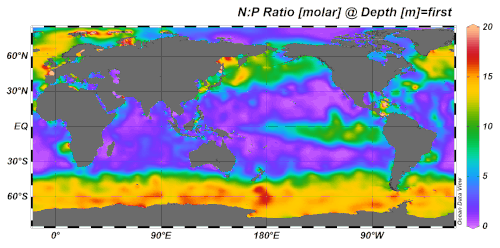
主栄養素と微量栄養素の違い
プランクトンの生存には、肥料の主成分となるような「主栄養素(硝酸塩、リン酸塩、珪酸など)」と、ごく少量で機能する「微量栄養素(鉄、亜鉛、コバルトなどの微量金属)」の両方が必要です。主栄養素がミリモル単位で存在するのに対し、微量栄養素はマイクロ〜ナノモル単位という極めて低い濃度でしか存在しません。
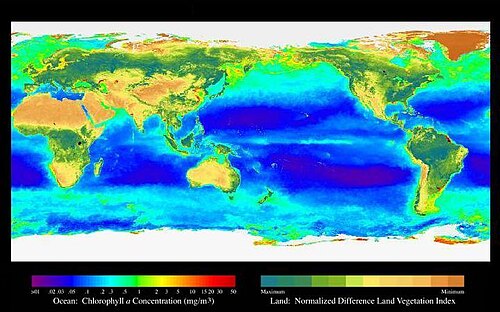
HNLC海域の分布と地域的特性
世界には主に3つの大きなHNLCゾーンが存在し、それぞれ異なる環境要因が影響しています。
北太平洋
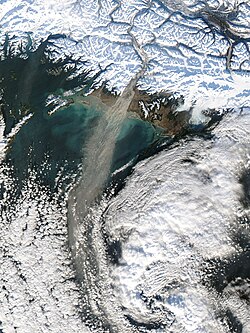
1988年の研究により、北太平洋東部の表層水では主栄養素が豊富であるにもかかわらず、珪藻のような大型プランクトンではなく、ピコプランクトンやナノプランクトンといった小型の種が支配的であることが判明しました。この不自然な構成の要因として、鉄分の不足が強く疑われています。
赤道太平洋
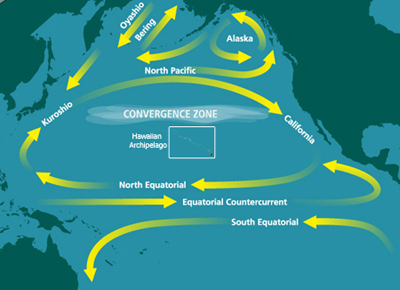
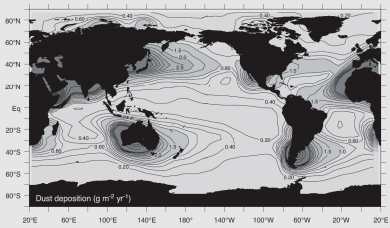
この海域では、大気から降る塵(ダスト)よりも、赤道潜流(EUC)による湧昇(深層からの水の上昇)によって供給される鉄分への依存度が高いことが分かっています。古海洋学の研究によれば、氷河期には現在の2.5倍の生産力があったとされており、これはダストの増加よりも湧昇の強化が影響していたという説が有力視されています。
南大洋
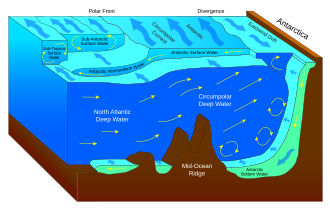
南極周辺の南大洋でも同様に鉄不足が見られます。ここでは、大陸から離れた表層水が移動することで深層から水が引き上げられる湧昇現象が起きていますが、それでもプランクトンの爆発的な増殖を維持するほどの鉄分は供給されていません。
鉄仮説とプランクトン制御のメカニズム
ジョン・マーティン博士らが提唱した鉄仮説は、鉄分を供給することでHNLC海域のプランクトンを増殖させ、大気中のCO2を減少させられるというものです。実際に鉄分を添加する実験(IronExなど)では、プランクトンの活性が高まり、表層の栄養塩濃度が低下することが確認されました。
一方で、栄養分や鉄分だけでなく、捕食者による制御が影響しているという「摂食制御仮説」も存在します。これは、原生動物などの小型生物がプランクトンを効率的に食べることで、個体数が低く抑えられているという考え方です。
地球工学としての鉄分添加と課題
人為的に鉄分を散布してCO2を吸収させる「海洋ジオエンジニアリング」というアイデアがあります。プランクトンが死滅して海底に沈降することで、炭素を長期的に隔離(セクエストレーション)することを狙ったものです。
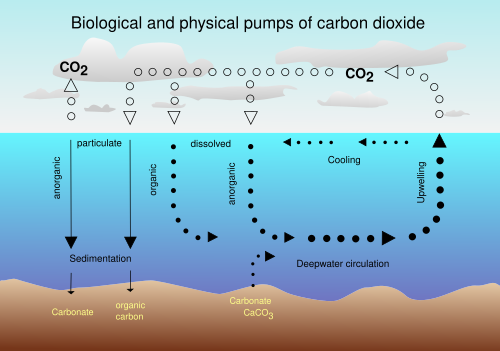
しかし、この手法には大きな課題があります。研究によれば、増殖したプランクトンのうち深海まで運ばれる炭素は7〜10%に過ぎず、大気中のCO2削減効果は限定的(15〜25ppm程度)であると推定されています。また、鉄分の輸送コストや燃料消費によるCO2排出が、吸収量を相殺してしまう可能性も指摘されています。
代替案として、捕食者の影響を受けない「浮遊式農場」で藻類を栽培し、収穫することで効率的に炭素を回収し、資源として利用するアプローチも検討されています。
まとめ:HNLC海域の特性比較
| 項目 | 北太平洋 | 赤道太平洋 | 南大洋 |
|---|---|---|---|
| 主な制限要因 | 鉄分不足 | 鉄分不足(湧昇に依存) | 鉄分不足 |
| プランクトンの特徴 | 小型種(ピコ・ナノ)が支配的 | 湧昇による供給に左右される | 鉄添加による反応が顕著 |
| 鉄の供給源 | 沿岸堆積物・ダスト | 赤道潜流(EUC)の湧昇 | 限定的なダスト・湧昇 |
Frequently Asked Questions
なぜ栄養があるのにプランクトンが増えないのですか?
窒素やリンなどの主栄養素が十分にあっても、光合成や酵素反応に不可欠な「鉄」などの微量栄養素が不足しているためです。人間でいうところの、主食は十分にあるが特定のビタミンが欠乏して成長できない状態に似ています。
鉄分を海にまけば地球温暖化は止まりますか?
理論上はCO2吸収量が増えますが、実際には捕食者に食べられたり、分解されて再びCO2に戻ったりするため、深海まで届く炭素量はごくわずかです。また、生態系への予期せぬ影響やコスト面などの課題が多く、単純な解決策とはなっていません。
レッドフィールド比とは何ですか?
海洋プランクトンが成長する際に消費する炭素、窒素、リンの標準的な比率(106:16:1)のことです。この比率を基準にすることで、どの栄養素が不足して成長が止まっているかを判断できます。
HNLC海域はどこにありますか?
主に北太平洋、赤道太平洋、そして南極を取り囲む南大洋の3つの広大なエリアが該当します。
鉄分はどのようにして海に供給されますか?
主に2つのルートがあります。一つは陸地から風で運ばれてくる「大気ダスト」による供給、もう一つは深海から栄養豊富な水が上がってくる「湧昇」による供給です。
References
- Lalli, C.M.; Parsons, T.R. (2004) Biological Oceanography: An Introduction (2nd Ed.) Elsevier Butterworth Heinemann, Burlington, MA, p. 55.
- Pitchford, J.W.; Brindley, J. (1999). "Iron limitation, grazing pressure and oceanic high-nutrient-low chlorophyll (HNLC) regions". Journal of Plankton Research. 21 (3): 525–547. :10.1093/plankt/21.3.525.
- Venables, Hugh; Moore, C. Mark (2010). "Phytoplankton and light limitation in the Southern Ocean: Learning from high-nutrient, high-chlorophyll areas". Journal of Geophysical Research: Oceans. 115 (C2) 2009JC005361. :2010JGRC..115.2015V. :10.1029/2009JC005361.
- Hassler, C. S.; Sinoir, M.; Clementson, L. A.; Butler, E. C. V. (2012). "Exploring the Link between Micronutrients and Phytoplankton in the Southern Ocean during the 2007 Austral Summer". Frontiers in Microbiology. 3: 202. :10.3389/fmicb.2012.00202. 3392650. 22787456.
- Martin, John (1992). Primary productivity and biogeochemical cycles in the sea. Springer US. pp. 122–137.
- Martin, John; Gordon, Michael; Fitzwater, Steve; Broenkow, William W. (1989). "VERTEX: phytoplankton/iron studies in the Gulf of Alaska". Deep Sea Research Part A. Oceanographic Research Papers. 35 (6): 649–680. :1989DSRA...36..649M. :10.1016/0198-0149(89)90144-1.
- Miller, Charles B.; Wheeler, Patricia A. (2012). Biological oceanography (2nd ed.). Chichester, West Sussex: John Wiley and Sons, Ltd. pp. 49–62. . 794619582.
- Redfield, A.C.; Ketchum, G.H.; Richards, F.A. (1963). "The influence of organisms on the composition of sea water". In Hill, M.N. (ed.). The Sea. New York: Wiley-Interscience. pp. 26–77.
- Werner, Stumm (2013). Aquatic Chemistry : Chemical Equilibria and Rates in Natural Waters. Morgan, James J. (3rd ed.). Hoboken: Wiley. . 863203908.
- "Iron and zinc effects on silicic acid and nitrate uptake kinetics in three high-nutrient, low-chlorophyll (HNLC) regions (PDF Download Available)". ResearchGate. Retrieved 2017-11-03.
📸 フォトギャラリー