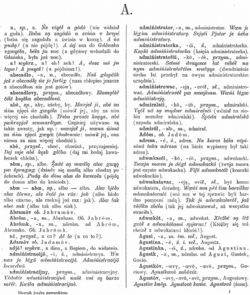
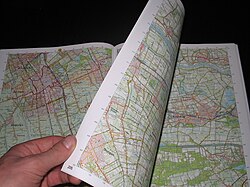
The Gutenberg Bible, published in the mid-15th century, was one of the first books to be printed using the printing press.
← ホームへ戻る

本の歴史と進化粘土板からデジタルデバイスまで

🗓 2026年8月13日

人類は古くから、記憶を留め、知識を次世代へ継承するためにさまざまな手段を用いてきました。口承文学から始まり、物理的な記録媒体へと移行した「本」の歴史は、単なる技術の進歩ではなく、人類の思考と文化の拡張の歴史でもあります。

Key Facts

  • 初期の記録: メソポタミアの粘土板や中国の甲骨文字などが、書き言葉の先駆けとなった。
  • 形式の変遷: 巻物(スクロール)から、ページをめくる形式の「コーデックス(冊子本)」へと進化した。
  • 印刷革命: 活版印刷の登場により、知識の普及速度が飛躍的に向上し、社会構造に大きな影響を与えた。
  • 現代の多様性: 電子書籍やオーディオブックの普及により、読書体験は物理的な制約から解放されている。

記録媒体の黎明期と古代の形式

文字による記録の始まりは、地域によって多様な形態をとっていました。中国では亀の甲羅や動物の骨に刻まれた記号が初期の書き言葉(プロト書き込み)とされており、情報の固定化が始まりました。

Jiahu symbols written on tortoise shells, such as the eye symbol in the bottom-right, are regarded as a form of proto-writing[11]

メソポタミア地方では、湿った粘土に楔形の文字を刻む「粘土板」が主流でした。これらは行政記録や文学作品の保存に利用され、アッシュルバニパルの図書館のような大規模な収集例も見られます。
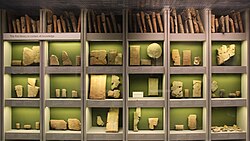
Clay tablets from the library of Ashurbanipal

一方、古代エジプトではパピルスという植物を用いた紙のような素材が開発されました。これにより、長い文章を記述できる「巻物(スクロール)」形式が普及し、死者の書などの宗教的文書が作成されました。
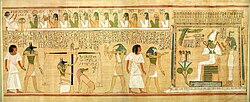
Book of the Dead of Hunefer; c. 1275 BC; ink and pigments on papyrus; 45 × 90.5 cm; British Museum (London)

アジア圏では、竹や木製の板を紐で綴じた「竹簡」などが用いられ、孫子の兵法のような重要な思想が記録されました。
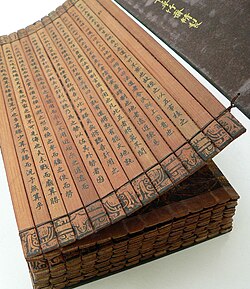
A Chinese bamboo book, The Art of War

冊子本(コーデックス)の誕生と写本の時代

巻物形式は、特定の箇所を探すのに時間がかかるという欠点がありました。そこで登場したのが、紙や羊皮紙を重ねて綴じる「コーデックス(冊子本)」形式です。これにより、ランダムアクセス(任意のページをすぐに開くこと)が可能になりました。
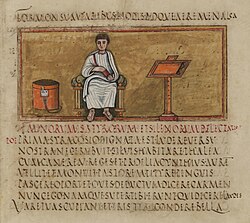
Folio 14 recto of the 5th-century Vergilius Romanus contains an author portrait of Virgil. Note the bookcase (capsa), reading stand, and the text written without word spacing in rustic capitals.

印刷技術が普及する前は、すべての本が手書きの「写本」でした。修道士や専門の書記が時間をかけて書き写し、時には豪華な装飾が施された「彩色写本」として芸術的な価値を持つものも作られました。
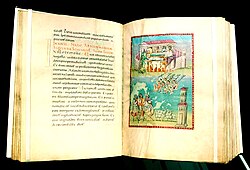
Tenth-century Codex Egberti

また、地域によってはヤシの葉に刻む形式の写本も用いられ、宗教的な教えや学術的な知識が保存されてきました。
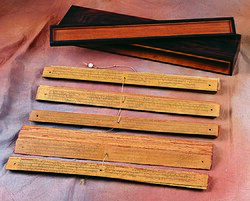
Palm leaf manuscript

印刷技術の革命と出版の近代化

本の歴史における最大の転換点は、印刷技術の導入です。中国では早くから木版印刷が行われており、世界最古の印刷本の一つとされる『金剛経』などが現存しています。
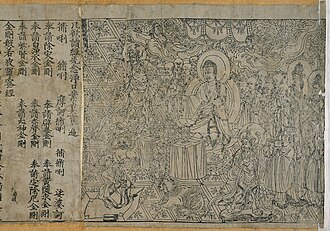
The intricate frontispiece of the Diamond Sutra from Tang dynasty China, 868 AD, the oldest known dated printed book in the world (British Library)

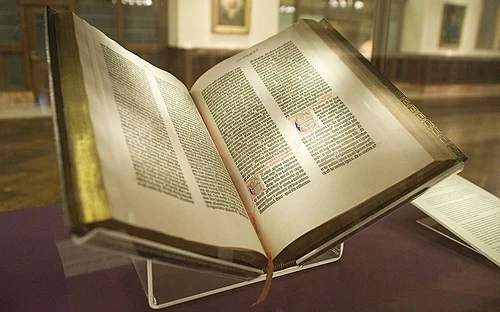
その後、金属活字による印刷が韓国で発展し、さらに15世紀半ばのヨーロッパでグーテンベルクが活版印刷機を実用化しました。これにより、聖書などの書籍が大量に生産され、知識が特権階級から一般市民へと開放されました。
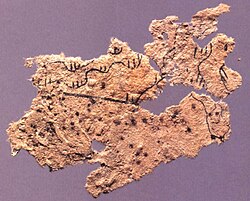
Paper fragment from 200 BC
The Gutenberg Bible, published in the mid-15th century, was one of the first books to be printed using the printing press.

近代に入ると、製本技術の向上とともに、ハードカバーだけでなく安価なペーパーバックが登場し、書籍はより身近な消費財となりました。ISBN(国際標準書籍番号)の導入により、世界規模での書籍管理と流通が可能になりました。
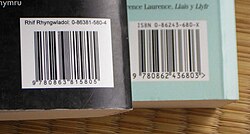
ISBN with barcode

現代の読書形態:デジタルとオーディオ

20世紀後半から21世紀にかけて、本は物理的な形態を脱ぎ捨て始めました。電子書籍(eBook)の登場により、一つのデバイスに数千冊の本を保存できるようになり、PDFやePubといったフォーマットが標準化されました。
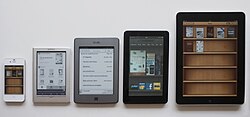
Ebooks on a range of devices

また、テキストを音声で提供するオーディオブックの普及により、「読む」だけでなく「聴く」という新しい読書体験が定着しています。これにより、視覚障害を持つ人々へのアクセシビリティも向上しました。
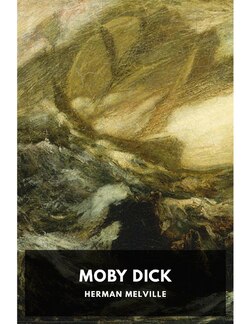
A PDF ebook of Moby Dick by Herman Melville

本の構造と分類

本は単なる内容の集合体ではなく、物理的な構造を持っています。表紙、見返し、本文、そして索引や後書きといった構成要素が組み合わさって一冊の書籍を形作っています。
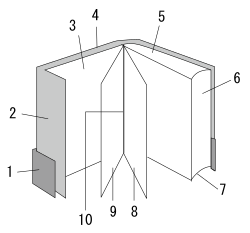
Diagram of a book Belly bandFlapEndpaperCoverHeadFore edgeTailRight page (recto if printing is left to right, verso if right to left)Left page (verso if printing is left to right, recto if right to left)Gutter

また、内容は大きく分けて「フィクション(虚構)」と「ノンフィクション(事実)」に分類されます。フィクションには小説、短編、寓話などがあり、ノンフィクションには学術書、伝記、エッセイなどが含まれます。

書籍の管理においては、図書館などで利用される請求記号や分類法が重要であり、これにより膨大な蔵書の中から目的の情報を効率的に探し出すことができます。
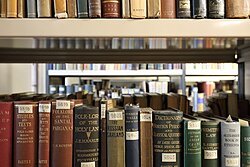
Books on library shelves and call numbers visible on the spines

さらに、貴重な古書や美術品としての本を後世に残すため、保存修復の専門家による科学的なメンテナンスが行われています。
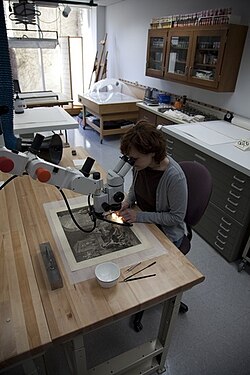
A conservation technician examining an artwork under a microscope at the Indianapolis Museum of Art

文学の多様な形式

本に記録される文学は、その形式によって多岐にわたります。口承文学(民話、神話、伝説)から始まり、詩、戯曲、そして現代の長編小説に至るまで、表現手法は進化し続けています。

特に児童書においては、挿絵と物語が融合した絵本などの形式が発展し、視覚的な物語体験を提供しています。
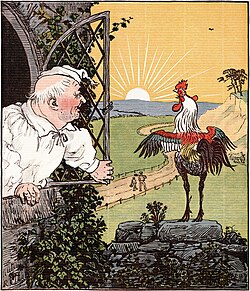
illustration of crowing rooster facing the rising sun with a man, dressed in a nightcap and a sleeping gown, leaning out the window. Background shows two small figures walking along a fenced road.

また、辞書や地図帳(アトラス)のように、特定の目的のために情報を整理した参照用書籍も、知識の体系化に大きく寄与してきました。
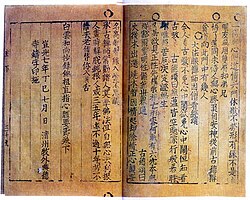
Selected Teachings of Buddhist Sages and Son Masters, the earliest known book printed with movable metal type, printed in Korea, in 1377, Bibliothèque nationale de France
A page from a dictionary
An atlas

個人の内面を記録する日記やノートも、一種の書籍形式であり、歴史的な一次資料として重要な役割を果たします。
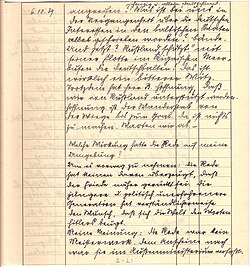
A page from a notebook used as handwritten diary

かつては、家庭内で親が子供に読み聞かせをすることが、リテラシー(読み書き能力)の向上と情操教育の重要な手段となっていました。
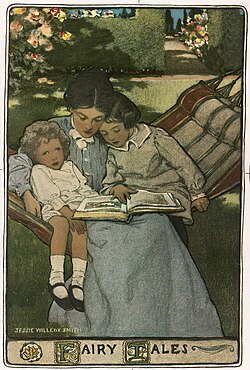
A mother reads to her children in a mid- to late 19th century lithograph by Jessie Willcox Smith.

知識の集積地としての図書館

本を収集し、保存し、提供する場所として図書館が存在します。古代のエフェソスにあるケルスス図書館のように、古くから知識の殿堂として機能してきました。
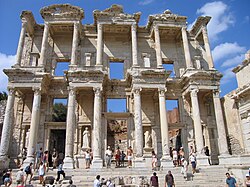
The Library of Celsus in Ephesus, Turkey, was built in 135 AD, and could house around 12,000 scrolls.

現代では、古本屋やブキニスト(古書販売商)を通じて、絶版となった書籍や希少な古書が取引され、文化的な遺産が受け継がれています。
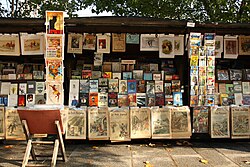
A Bouquiniste in Paris selling secondhand and antiquarian books

しかし、歴史の中には検閲や思想統制により、特定の書籍が禁止されたり、焚書(本を焼くこと)が行われたりした悲劇的な側面も存在します。
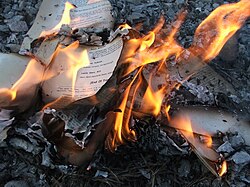
A copy of House of Leaves being burned

これらの歴史を振り返ることは、表現の自由と知識へのアクセスの重要性を再認識することに繋がります。

また、現代の出版統計を見ると、人口あたりの新刊発行数などのデータから、国や地域による読書文化の違いを分析することが可能です。
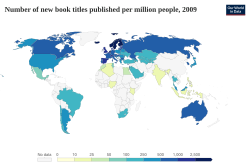
New books titles per million people
書籍形式の変遷まとめ
時代・形式 主な素材 特徴
粘土板・甲骨 粘土、骨、甲羅 初期の記録、耐久性が高いが重量がある
巻物(スクロール) パピルス、羊皮紙 長い文章を記述可能、検索性に欠ける
コーデックス(冊子) 羊皮紙、紙 ページめくりが可能、効率的な参照ができる
印刷本 大量生産が可能、知識の民主化を促進
デジタル書籍 電子ディスプレイ 携帯性が極めて高く、検索・更新が容易

Frequently Asked Questions

世界で最初の「本」とは何ですか?

「本」の定義によりますが、メソポタミアの粘土板や中国の甲骨文字などが初期の記録媒体とされます。冊子形式(コーデックス)としては、初期のキリスト教文書などが先駆けとなりました。

コーデックスと巻物の最大の違いは何ですか?

最大の違いは「情報のアクセス方法」です。巻物は端から順に展開する必要がありますが、コーデックスはページを直接開くことができるため、特定の情報を素早く見つけることが可能です。

活版印刷が社会に与えた影響は何ですか?

書籍の製造コストが劇的に低下し、大量生産が可能になったことで、それまで一部の特権階級しか持てなかった知識が一般市民にまで普及しました。これが宗教改革や科学革命の基盤となりました。

電子書籍の普及で紙の本はなくなりますか?

デジタル化が進んでいますが、物理的な質感や所有感、視覚的な疲労の少なさから、依然として紙の本には強い需要があります。現在は用途に応じて使い分ける共存の時代と言えます。

ISBNとはどのような役割を持つ番号ですか?

ISBN(国際標準書籍番号)は、世界中の書籍を一意に識別するための番号です。これにより、書店の在庫管理や図書館の蔵書管理、出版流通が世界的に効率化されています。

References

  1. The oldest surviving papyrus with hieroglyphic writing is the , a logbook recording the transport of stone used to build the .

📸 フォトギャラリー

The Gutenberg Bible, published in the mid-15th century, was one of the first books to be printed using the printing press.
Jiahu symbols written on tortoise shells, such as the eye symbol in the bottom-right, are regarded as a form of proto-writing[11]
Clay tablets from the library of Ashurbanipal
Book of the Dead of Hunefer; c. 1275 BC; ink and pigments on papyrus; 45 × 90.5 cm; British Museum (London)
Tenth-century Codex Egberti
Folio 14 recto of the 5th-century Vergilius Romanus contains an author portrait of Virgil. Note the bookcase (capsa), reading stand, and the text written without word spacing in rustic capitals.
Palm leaf manuscript
A Chinese bamboo book, The Art of War
Paper fragment from 200 BC
The intricate frontispiece of the Diamond Sutra from Tang dynasty China, 868 AD, the oldest known dated printed book in the world (British Library)
Selected Teachings of Buddhist Sages and Son Masters, the earliest known book printed with movable metal type, printed in Korea, in 1377, Bibliothèque nationale de France
Ebooks on a range of devices
A PDF ebook of Moby Dick by Herman Melville
New books titles per million people
Diagram of a book Belly bandFlapEndpaperCoverHeadFore edgeTailRight page (recto if printing is left to right, verso if right to left)Left page (verso if printing is left to right, recto if right to left)Gutter
illustration of crowing rooster facing the rising sun with a man, dressed in a nightcap and a sleeping gown, leaning out the window. Background shows two small figures walking along a fenced road.
A Bouquiniste in Paris selling secondhand and antiquarian books
A page from a dictionary
An atlas
A page from a notebook used as handwritten diary
A mother reads to her children in a mid- to late 19th century lithograph by Jessie Willcox Smith.
The Library of Celsus in Ephesus, Turkey, was built in 135 AD, and could house around 12,000 scrolls.
ISBN with barcode
Books on library shelves and call numbers visible on the spines
A conservation technician examining an artwork under a microscope at the Indianapolis Museum of Art
A copy of House of Leaves being burned