古代ギリシャの世界において、夜の闇や魔法、そして人生の転換点となる「境界」を司る強力な女神がいました。それがヘカテです。彼女は単なる冥界の住人ではなく、天、地、海のすべてにおいて権能を持つ稀有な存在として崇められてきました。十字路に立ち、松明を掲げて闇を照らす彼女の姿は、未知なる世界への案内人であり、同時に恐ろしい魔術の源泉でもありました。
Key Facts
- 主な権能: 魔法、呪文、月、夜、そして十字路(境界)の支配。
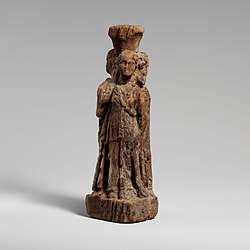
- 象徴的な姿: 三つの身体や頭を持つ「三面女神」として描かれることが多い。
- 聖なる動物: 犬やイタチが彼女に結び付けられている。
- 家族構成: ティタン神族のペルセウスとアステリアの娘。
- 役割: 冥界の住人でありながら、地上や天界にも影響力を持つ多面的な神。
ヘカテの多面的な役割と権能
境界と十字路の守護者
ヘカテの最も象徴的な役割は、境界(リミナリティ)の女神であることです。特に三叉路や十字路は、異なる世界が交差する不安定な場所とされ、彼女の聖域となりました。人々は人生の岐路や物理的な境界線において、彼女の加護を求め、あるいはその怒りを鎮めるための供物を捧げました。
魔法と薬草の知識
彼女は魔術と呪術の最高権威であり、多くの魔女や魔法使いのパトロンと見なされていました。特に薬草学に精通しており、イチイなどの植物を用いた治癒や呪いの知識を司っていたとされます。夜の闇に紛れて行われる秘儀や、精神を揺さぶる呪文はすべて彼女の領域に属していました。

冥界と夜の支配
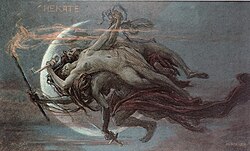
ヘカテは冥界の女神ペルセポネと共に活動し、死者の魂を導く役割を担うこともありました。夜の女神として、幽霊や悪霊を率いて行進する恐ろしい側面も持っています。しかし、同時に月に関連付けられ、暗闇の中で道を照らす松明を持つ慈悲深い案内人としての顔も併せ持っていました。
視覚的象徴と図像学
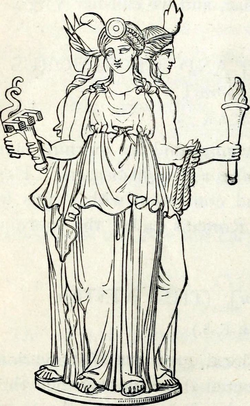
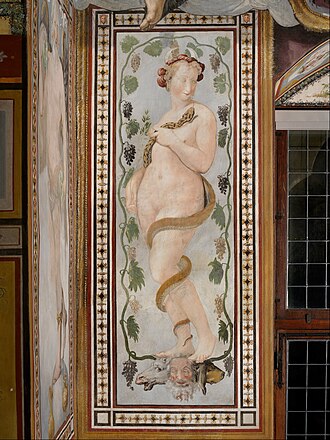
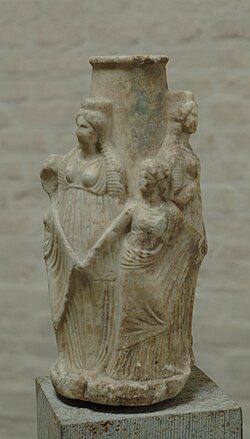
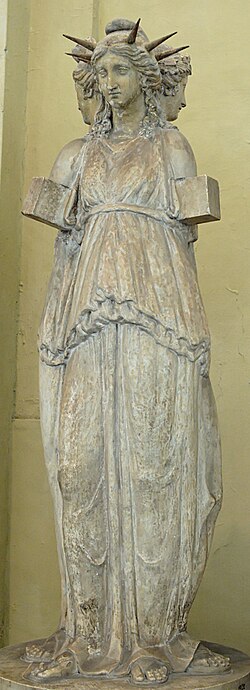
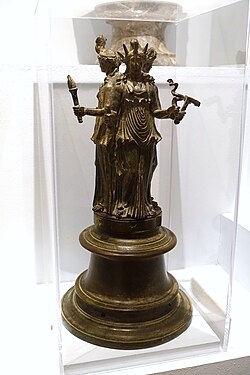
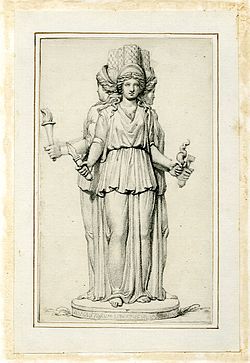
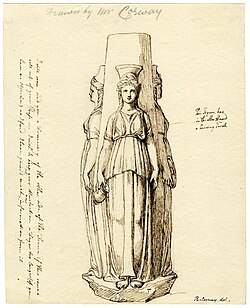
芸術作品において、ヘカテはしばしば三つの身体を持つ姿で表現されます。これは彼女が天・地・冥界の三つの世界を同時に見渡せる能力を持っていること、あるいは十字路のあらゆる方向を監視していることを象徴しています。
彼女が手に持つ「二本の松明」は、闇を切り裂き真実を照らす知恵の象徴です。また、弓や犬を伴う姿で描かれることもあり、これは狩猟の女神アルテミスとの密接な関係を示唆しています。
古代の彫像やレリーフでは、金色のブロンズや石材を用いて、その威厳ある姿が刻まれました。これらの作品は、彼女が単なる地方神ではなく、広範な地域で信仰されていたことを物語っています。
信仰の歴史と儀式
ヘカテへの信仰は、小アジアのカリア地方に起源を持つという説が有力です。その後、ギリシャ全土に広まり、特にアイギナ島やビザンティウムなどで熱狂的に崇拝されました。彼女に捧げられた聖域(ヘカタイオン)は、都市の入り口や家の門前など、境界となる場所に設置されました。
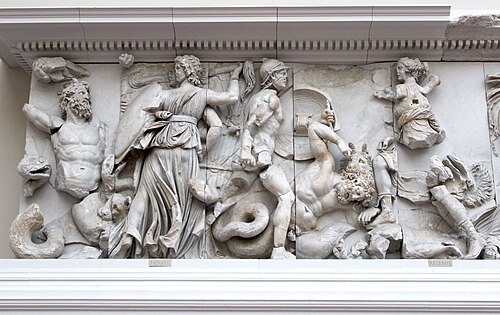
特筆すべきは「デイプノン」と呼ばれる月例の儀式です。新月の夜に十字路で供物を捧げることで、家や街を浄化し、悪霊の侵入を防ごうとした信仰がありました。また、彼女は巨人族との戦い(ギガントマキア)においても、アルテミスと共に戦った勇敢な戦士として記録されています。
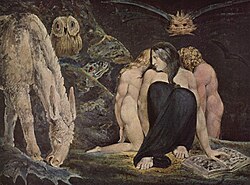
後世の芸術家たち、例えばウィリアム・ブレイクやステファン・マラルメなども、彼女の神秘的なイメージに惹かれ、独自の解釈で作品に残しています。
![The coins of Agathocles of Bactria (ruled 190–180 BCE) show Zeus holding Hecate in his hand.[126]](/images/05/e3/05e308dd6463a3158018bef0597d0a3a0ff3ead6b2c5cfc86ad28b49d70103c5.jpg)
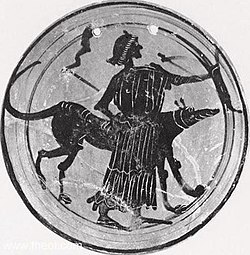
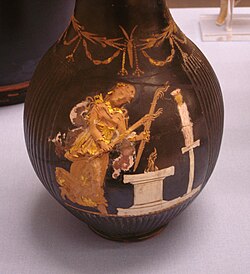
また、古代の陶器には、祭壇の前で踊りながら松明を掲げるヘカテの姿が描かれており、彼女の崇拝が静的な祈りだけでなく、動的な儀式を伴っていたことが分かります。
ヘカテに関するまとめ
| 項目 | 詳細内容 |
|---|---|
| 主な役割 | 魔法、境界、夜、月の女神 |
| 象徴的なアイテム | 松明、鍵、短剣 |
| 聖なる動物 | 犬、イタチ |
| 代表的な姿 | 三面女神(トリプル・ボディ) |
| 関連する場所 | 十字路、門、冥界の入り口 |
Frequently Asked Questions
ヘカテはなぜ「三つの顔」を持っているのですか?
これは彼女が天・地・冥界という三つの異なる領域すべてに権限を持っていることを示すためです。また、十字路のあらゆる方向を同時に監視し、導くことができるという全知的な能力を象徴しています。
ヘカテと魔女の関係は何ですか?
ヘカテは魔法と呪術の女神であるため、古代から魔女や魔法使いの守護神とされてきました。薬草の知識や精神的な儀式を司る彼女は、オカルト的な実践における最高権威と見なされています。
彼女は恐ろしい女神なのですか?
側面によります。幽霊を率いて夜を行く姿は恐怖の対象でしたが、一方で迷える魂に道を照らす案内人であり、境界を守る守護神としての側面もありました。恐ろしさと慈悲深さを併せ持つ複雑な神格です。
ヘカテの信仰はどこで盛んでしたか?
起源は小アジアのカリア地方にあると考えられていますが、その後ギリシャ全土に普及しました。特にアイギナ島やビザンティウムなどの都市で重要な崇拝対象となっていました。
ヘカテとアルテミスの関係は?
図像学的に非常に似ており、どちらも弓や犬を伴うことがあります。神話の中では、ギガントマキア(巨人戦)などで共闘しており、密接な協力関係にある女神として描かれています。
References
- Older form Hecat ; : Ἑκάτη, : Hekátē, pronunciation: , pronunciation: ; : Ἑκάτᾱ, romanized: Hekátā, pronounced ; : Hecatē or Hecata .
- Berg 1974, p. 128: Berg comments on Hecate's endorsement of Roman hegemony in her representation on the pediment at Lagina solemnising a pact between a warrior (Rome) and an (Asia).
- This statue is in the as inventory number 816 in Catalogue of Greek Sculpture in the British Museum by A.H. Smith.
-
"In 340 B.C., however, the Byzantines, with the aid of the Athenians, withstood a siege successfully, an occurrence the more remarkable as they were attacked by the greatest general of the age, Philip of Macedon. In the course of this beleaguerment, it is related, on a certain wet and moonless night the enemy attempted a surprise, but were foiled by reason of a bright light which, appearing suddenly in the heavens, startled all the dogs in the town and thus roused the garrison to a sense of their danger. To commemorate this timely phenomenon, which was attributed to Hecate, they erected a public statue to that goddess [...]".
- The ancient text is corrupted; an alternative correction of the name into 'Phoebus' (that is, Apollo) has been also suggested. It could also be that the fragment reads 'Phorcys', agreeing with Acusilaus' version.
📸 フォトギャラリー