1929年から1939年にかけて世界を襲った世界大恐慌は、近代経済史上、最も深刻な経済的危機の一つです。米国での株価暴落を起点としたこの危機は、単なる金融パニックに留まらず、貿易の停滞、銀行の連鎖破綻、そして記録的な失業率という形で世界中に波及しました。本記事では、この未曾有の危機の原因から、各国への影響、そしてそこからどのように脱却したのかを詳しく解説します。
Key Facts
- 起点: 1929年のウォール街大暴落(ブラック・サーズデー/チューズデー)が引き金となった。
- 経済的打撃: 米国の工業生産は約46%減少、失業率は劇的に上昇した。
- 世界的波及: 金本位制や保護貿易(スムート・ホーレイ法)が、危機を世界規模に拡大させた。
- 回復の鍵: 米国のニューディール政策や、第二次世界大戦による軍需拡大が経済回復を後押しした。
- 理論的対立: 原因を貨幣供給量の減少とする「マネタリスト」と、有効需要の不足とする「ケインズ主義」の視点がある。
危機の始まりと拡大のメカニズム
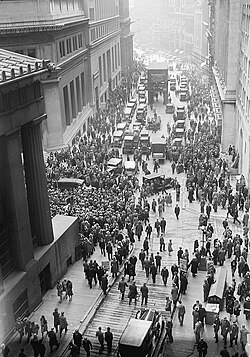
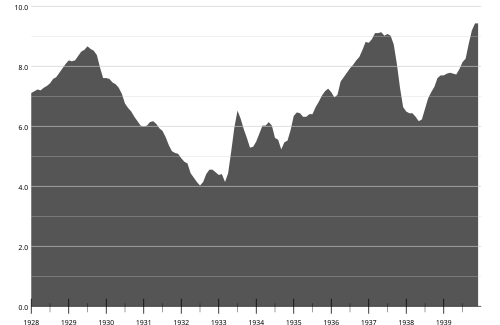
恐慌の直接的なトリガーとなったのは、1929年にニューヨークのウォール街で起きた株価の暴落です。これにより投資家は莫大な資産を失い、消費と投資が急激に冷え込みました。
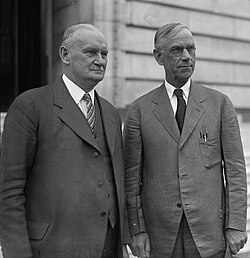
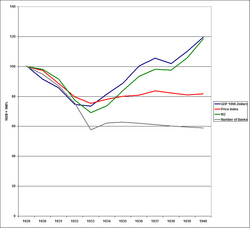
さらに事態を悪化させたのが、米国のスムート・ホーレイ法です。この法律による高関税政策は、他国の報復関税を招き、国際貿易を壊滅的な状況に追い込みました。世界的な貿易量の減少は、輸出に頼る国々の経済を直撃しました。
また、当時の主要国が採用していた金本位制(通貨価値を金に結びつける制度)が、危機の伝播を加速させました。各国が金準備を維持しようとしたため、柔軟な金融政策が打てず、結果として世界的なデフレと不況が固定化されることとなりました。
![The Depression in international perspective[36]](/images/65/6b/656b924171d38d17728e830e178c007e0d24ba7fba6f9ee3570a8f0ece879c91.webp)
経済崩壊がもたらした社会的影響
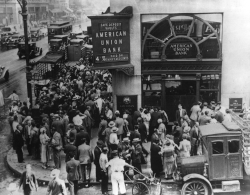
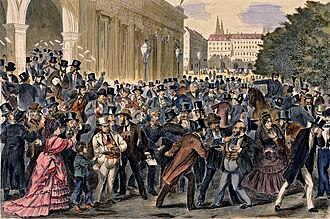
経済の崩壊は、人々の生活を根底から破壊しました。特に銀行への不安から預金者が一斉に資金を引き出す「バンクラン(取り付け騒ぎ)」が発生し、多くの金融機関が破綻しました。
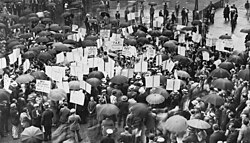
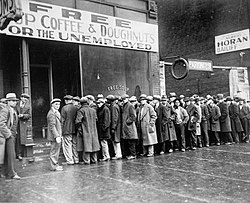
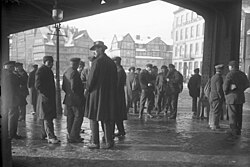
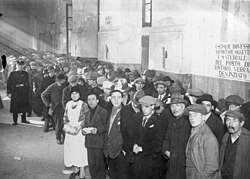
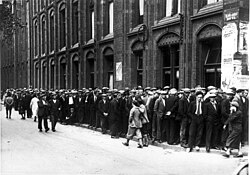
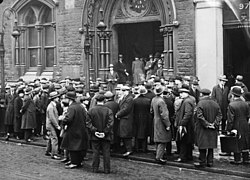
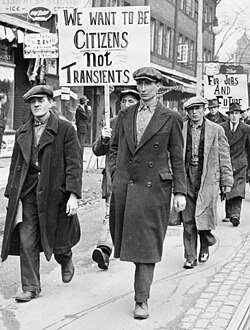
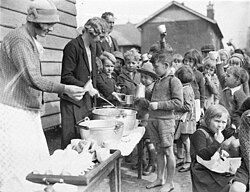
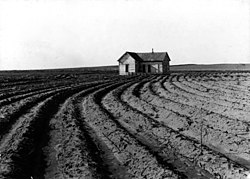
産業生産の激減は、深刻な失業問題を引き起こしました。都市部では炊き出し(スープキッチン)に並ぶ人々が溢れ、農村部では干ばつなどの自然災害(ダストボウル)が重なり、多くの農民が土地を追われました。
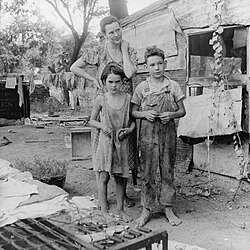
![Buried machinery in a barn lot; South Dakota, May 1936. The Dust Bowl on the Great Plains coincided with the Great Depression.[212]](/images/08/98/089814ef32be6175eefe0684eee306138058e29d4090fd06331ea0a6fc2bcd0d.jpg)
この苦境は米国のみならず、英国、フランス、ドイツなど世界各国に広がりました。特にドイツでは経済的混乱が政治的不安を増幅させ、後の全体主義的な体制への移行を後押しする要因となりました。
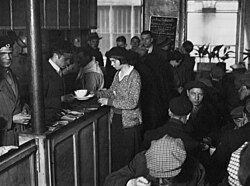
回復への道のりと政策的転換
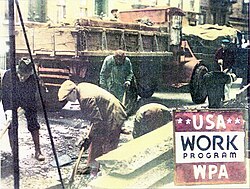
絶望的な状況を打破するため、米国ではフランクリン・ルーズベルト大統領によるニューディール政策が導入されました。これは政府が積極的に市場に介入し、公共事業を通じて雇用を創出する画期的な試みでした。
![CCC workers constructing drainage culvert, 1933. Over 3 million unemployed young men were taken out of the cities and placed into 2,600+ work camps managed by the CCC.[213]](/images/a8/a5/a8a54923b88fed758a45bfd5a09e5a8d7f80e2296e698d8e213ac181ee15f9a7.jpg)
また、金本位制からの離脱や通貨の切り下げを行うことで、各国は自国の経済状況に合わせた柔軟な金融政策を取り戻し、徐々に回復の兆しを見せ始めました。
| 国名 | 工業生産の変化 | 卸売価格の変化 | 貿易額の変化 | 失業率の変化 |
|---|---|---|---|---|
| アメリカ合衆国 | −46% | −32% | −70% | +607% |
| イギリス | −23% | −33% | −60% | +129% |
| フランス | −24% | −34% | −54% | +214% |
| ドイツ | −41% | −29% | −61% | +232% |
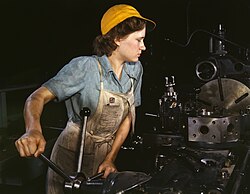
最終的に、世界経済を完全に底上げしたのは第二次世界大戦でした。軍需産業の爆発的な拡大により、失業者は吸収され、工業生産はかつてない水準まで回復しました。この過程で、女性が労働力として工場などで重要な役割を果たすなど、社会構造にも変化が現れました。
経済学的な視点:なぜ恐慌は起きたのか
後世の経済学者は、この危機の原因について異なる解釈を提示しています。
マネタリストの視点
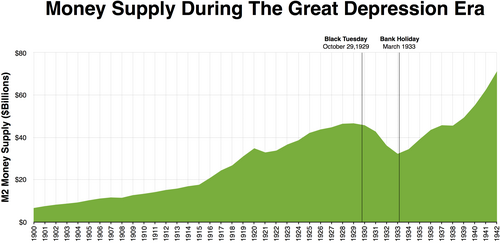
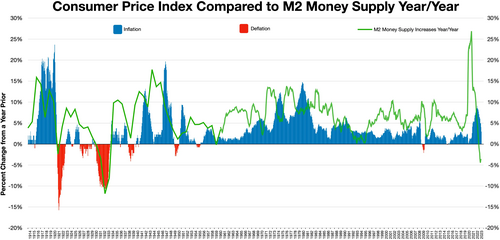
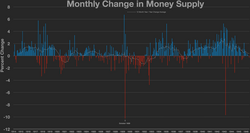
ベン・バーナンキなどのマネタリストは、中央銀行による貨幣供給量(マネーストック)の管理失敗を重視します。銀行破綻による通貨供給の急減が、デフレを加速させ、不況を深刻化させたという考え方です。
ケインズ主義の視点
一方、ジョン・メイナード・ケインズに端を発する視点では、消費や投資といった有効需要の不足が根本原因であるとされます。民間部門が消費を控えるため、政府が財政出動によって需要を創出する必要があることを説きました。
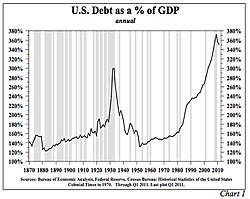
また、債務の切り下げ(デット・デフレーション)という概念もあり、資産価格の下落が企業の純資産を減少させ、さらなる倒産と不況を招く悪循環が起きたと分析されています。
![The overall course of the Depression in the United States, as reflected in per-capita GDP (average income per person) shown in constant year 2000 dollars, plus some of the key events of the period. Dotted red line = long-term trend 1920–1970.[46]](/images/31/25/312502ce6c8438cf9ca583729106c555c477c269989da2fe08189af1903a7f8b.webp)
その他の歴史的背景と視点
恐慌の時代には、経済的な側面以外にも多くの出来事が重なっていました。テキサス州でのオイルブームのような局所的な好況もありましたが、全体的な傾向としては困窮が支配的でした。

また、カナダやオーストラリア、ラテンアメリカなど、資源輸出に依存していた国々も激しい打撃を受け、世界的な経済ネットワークの脆弱性が露呈しました。
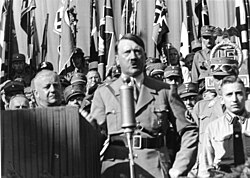
さらに、政治的な混乱は極端な形で現れ、ドイツではアドルフ・ヒトラーのような指導者が経済的困窮を背景に支持を広げ、権力を掌握することとなりました。

米国では、第一次世界大戦の退役軍人たちが権利を求めて行進した「ボーナス軍」の事件など、社会的な緊張が高まった時期もありました。
![Burning shacks on the Anacostia flats, Washington, D.C., put up by the Bonus Army (World War I veterans) after the marchers with their wives and children were driven out by the regular Army by order of President Hoover, 1932[207]](/images/9b/30/9b30f6473b02a7a84ce3a6594ad498b2f09e1ca0d2ef4ca8cf8e5ffe33b6f9c7.jpg)
このように、世界大恐慌は単なる数字上の経済危機ではなく、政治、社会、そして個人の人生を劇的に変えた歴史的転換点であったと言えます。
Frequently Asked Questions
世界大恐慌の最大の原因は何だったのでしょうか?
単一の原因ではなく、1929年の株価暴落、銀行の連鎖破綻による貨幣供給の減少、そしてスムート・ホーレイ法などの保護貿易政策が複合的に作用したと考えられています。
金本位制はどのように影響したのですか?
金本位制の下では、通貨価値を金に固定しなければならなかったため、不況時に通貨供給量を増やして景気を刺激する柔軟な金融政策が制限され、結果として世界的なデフレを悪化させました。
ニューディール政策とは具体的にどのようなものでしたか?
ルーズベルト大統領が主導した政策で、公共事業(CCCやWPAなど)による雇用の創出、農業調整法による農産物価格の安定、金融制度の改革など、政府が積極的に経済に介入して回復を図る取り組みです。
世界大恐慌から完全に脱却したのはいつですか?
多くの国で1930年代半ばから回復が始まりましたが、決定的な脱却は第二次世界大戦の勃発による軍需産業の拡大によってもたらされました。
現代の経済危機(リーマンショックなど)との違いは何ですか?
どちらも金融システムの崩壊を伴いますが、世界大恐慌時は金本位制という制約があったことや、中央銀行による救済策が不十分であったため、回復までに10年近い歳月を要した点が特徴的です。
References
- Friedman, Milton; Schwartz, Anna Jacobson (2008). A monetary history of the United States 1867–1960. Princeton paperbacks (9th pbk. printing, 22nd printing ed.). Princeton: Princeton University Press. .
- Lewis, William Arthur (2003). Economic survey: 1919–1939. International economics (Reprint [der Ausg.] 1949 ed.). London [u.a.]: Routledge. .
- Frank, Robert H.; Bernanke, Ben S. (2007). Principles of Macroeconomics (3rd ed.). Boston: McGraw-Hill/Irwin. p. 98. .
- "Commodity Data". U.S. Bureau of Labor Statistics. Archived from the original on 3 June 2019. Retrieved 30 November 2008.
- (1958). Farm Prices, Myth and Reality. p. 15.
- "World Economic Survey 1932–33". : 43.
- Mitchell, Depression Decade
- "Great Depression" Archived 9 May 2015 at the , Encyclopædia Britannica
- Thomas S. Coleman (2019). Milton Friedman, Anna Schwartz, and A Monetary History of the US. Draft Lecture, Harris School of Public Policy, University of Chicago.
- "1998/99 Prognosis Based Upon 1929 Market Autopsy". Gold Eagle. Archived from the original on 17 May 2008. Retrieved 22 May 2008.
📸 フォトギャラリー