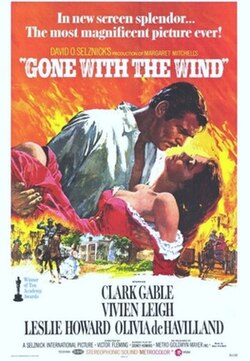
1939年に公開された映画『風と共に去りぬ』は、単なる娯楽作品の枠を超え、世界的な文化現象となった歴史的な大作です。マーガレット・ミッチェルのベストセラー小説を基にしたこの作品は、アメリカ南北戦争という激動の時代を背景に、強靭な精神を持つ女性スカーレット・オハラと、謎めいた紳士レット・バトラーの愛憎劇を描き出しました。
圧倒的なスケールで描かれる物語は、ジョージア州のプランテーション「タラ」を舞台に、戦争による社会の崩壊と、その中での生存、そして再生という普遍的なテーマを追求しています。公開から数十年が経過した今なお、その映像美とドラマチックな展開は多くの人々を魅了し続けています。
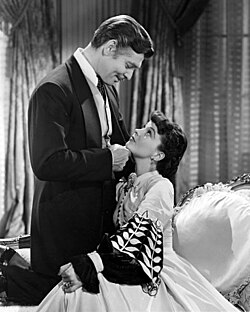
Key Facts
- 公開日: 1939年12月15日(アトランタにてプレミア公開)
- 製作: デヴィッド・O・セルズニックによる大規模プロジェクト
- 興行収入: インフレ調整後、世界で最も成功した映画の一つ(3億9,000万ドル以上)
- 受賞歴: アカデミー賞で作品賞、監督賞、主演女優賞など多数の部門を制覇
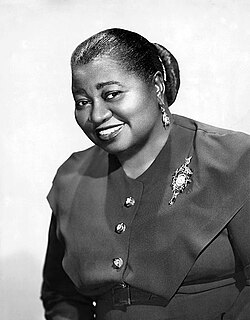
- 歴史的快挙: ハッティ・マクダニエルがアフリカ系アメリカ人として初めてオスカーを受賞
製作の舞台裏と豪華なキャスト
本作の製作を主導したのは、完璧主義者として知られるプロデューサーのデヴィッド・O・セルズニックでした。彼は妥協のないキャスティングと演出にこだわり、映画史に残る豪華な布陣を揃えました。
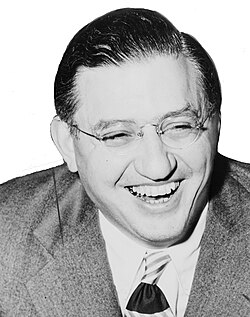
主演のスカーレット役にはヴィヴィアン・リーが、レット役にはクラーク・ゲーブルが起用され、二人の化学反応が物語に強烈な生命力を吹き込みました。また、メラニー役のオリヴィア・デ・ハヴィランドや、忠実な乳母マミーを演じたハッティ・マクダニエルなど、脇を固める俳優陣の演技も高く評価されています。
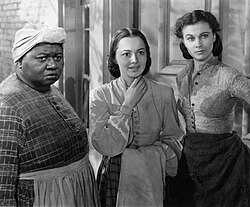
特にハッティ・マクダニエルの功績は大きく、人種差別の激しい時代にありながら、その卓越した演技で映画界に歴史的な足跡を残しました。
社会現象となった公開と反響
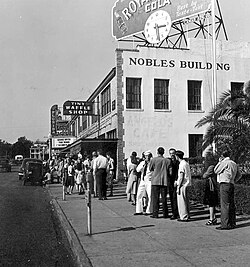
アトランタでのプレミア公開から始まった本作は、瞬く間に全米、そして世界中へと広がりました。当時の観客にとって、この映画を観ることは一つの社会的なイベントであり、劇場には長い行列ができました。
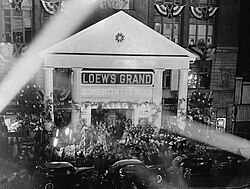
映画の長さは約221分(音楽や休憩を含めると230分超)という大作でしたが、その没入感のある物語展開により、観客を虜にしました。その後も数回にわたる再上映が行われ、世代を超えて愛される作品となりました。
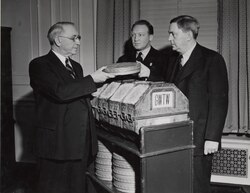
また、本作は単なる商業的成功に留まらず、アメリカ合衆国国立公文書館に寄贈されるなど、国家的な文化遺産としても扱われることとなりました。
評価の変遷と現代的な視点
公開当時、本作はその豪華絢爛な演出とドラマ性で絶賛されました。アメリカ映画協会(AFI)のランキングでも、名作映画や名セリフのトップクラスに常に名を連ねています。特に「 Frankly, my dear, I don't give a damn(まあいいじゃないか、私にはどうでもいいことだ)」というセリフは、映画史上最も有名なフレーズの一つとして記憶されています。
しかし、21世紀に入ると、作中の人種描写や奴隷制の描き方について、現代的な視点からの再評価と議論が巻き起こりました。一部のストリーミングサービスでは、歴史的背景を解説する導入部を追加して配信するなど、作品を単に消費するのではなく、歴史的な文脈の中で理解しようとする試みがなされています。
作品概要まとめ
| 項目 | 詳細 |
|---|---|
| 監督 | ヴィクター・フレミング |
| 脚本 | シドニー・ハワード |
| 製作予算 | 385万ドル |
| 上映時間 | 221分(基本) |
| 主な受賞 | アカデミー作品賞、監督賞、主演女優賞、脚本賞、美術賞、撮影賞、編集賞 |
Frequently Asked Questions
この映画が歴史的に重要とされる理由は何ですか?
圧倒的な製作規模と芸術的な完成度に加え、アフリカ系アメリカ人として初めてのアカデミー賞受賞者を輩出したこと、そしてインフレ調整後の興行収入で驚異的な記録を保持しているためです。
物語の舞台となっている時代と場所はどこですか?
アメリカ南北戦争期からその後の再建期にかけての、ジョージア州を中心とした南部地域が舞台となっています。
現代において議論になっている点は何ですか?
主に、当時の南部社会や奴隷制の描き方が美化されているという点や、人種的なステレオタイプが含まれている点について、批判的な再評価が行われています。
映画の中で最も有名なセリフは何ですか?
レット・バトラーが最後に放つ「Frankly, my dear, I don't give a damn」や、スカーレットの「After all, tomorrow is another day!(明日があるわ)」などが非常に有名です。
アカデミー賞ではどのような評価を受けましたか?
作品賞、監督賞、主演女優賞(ヴィヴィアン・リー)、助演女優賞(ハッティ・マクダニエル)、脚本賞など、主要な部門で多くの賞を獲得し、映画史に残る快挙を成し遂げました。
References
- Loews was the parent company of MGM.
- The credits at the start of the film contain an error: George Reeves is listed "as Brent Tarleton", but plays Stuart, while Fred Crane is listed "as Stuart Tarleton", but plays Brent.
- Hattie McDaniel, Oscar Polk and Butterfly McQueen's characters are enslaved until .
- In this section, only the actors' names are given in the film's credits; no roles are credited.
- From a private letter from journalist and on-set technical advisor Susan Myrick to Margaret Mitchell in February 1939:
George [Cukor] finally told me all about it ... He hated [leaving the production] very much he said but he could not do otherwise. In effect he said he is an honest craftsman and he cannot do a job unless he knows it is a good job and he feels the present job is not right. For days, he told me, he has looked at the rushes and felt he was failing ... the thing did not click as it should. Gradually he became convinced that the script was the trouble ... David [Selznick], himself, thinks HE is writing the script.... And George has continually taken script from day to day, compared the [Oliver] Garrett-Selznick version with the [Sidney] Howard, groaned and tried to change some parts back to the Howard script. But he seldom could do much with the scene.... So George just told David he would not work any longer if the script was not better and he wanted the Howard script back. David told George he was a director—not an author and he (David) was the producer and the judge of what is a good script.... George said he was a director and a damn good one and he would not let his name go out over a lousy picture.... And bull-headed David said "OK get out!"
Selznick had already been unhappy with Cukor, "a very expensive luxury", for not being more receptive to directing other Selznick assignments, even though Cukor had remained on salary since early 1937. In a confidential memo written in September 1938, Selznick flirted with the idea of replacing him with Victor Fleming. had been trying to have Cukor replaced with an MGM director since negotiations between the two studios began in May 1938. In December 1938, Selznick wrote to his wife about a phone call he had with Mayer: "During the same conversation, your father made another stab at getting George off of Gone With the Wind." - Time also reports that Hell's Angels (1930)—directed by —cost more, but this was later revealed to be incorrect; the accounts for Hell's Angels show it cost $2.8 million, but Hughes publicized it as costing $4 million, selling it to the media as the most expensive film ever made up to that point.
- In this respect, Lee's appraisal is incorrect as the film does not change the race of the attackers. As in the novel, the attack is instigated by a white man, assisted by a black man. However, in the film Scarlett is sexually assaulted by the white man, whereas in the novel it is the black man who gropes her.
📸 フォトギャラリー