2008年に発生した世界金融危機は、単なる一企業の破綻ではなく、現代資本主義の構造的な脆弱性が露呈した歴史的な経済イベントでした。米国での住宅バブル崩壊を起点とし、複雑な金融商品を通じてリスクが世界中に拡散したことで、実体経済に深刻な打撃を与えました。本記事では、この危機の発生原因から世界的な波及、そしてその後の対策までを詳しく解説します。
Key Facts
- 危機の起点: 米国のサブプライムローン(低所得者向け住宅ローン)の債務不履行の急増。
- 象徴的出来事: 2008年9月15日のリーマン・ブラザーズ破綻。
- 波及経路: 住宅ローンを組み込んだ証券化商品(MBSやCDO)が世界中の金融機関に保有されていたこと。
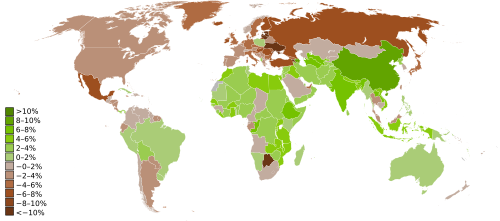
- 経済的影響: 世界的なGDP成長率の低下と、多くの大手金融機関や自動車メーカーの経営危機。
- 主な対策: 各国政府による大規模な経済刺激策と、ドッド=フランク法などの金融規制の強化。
住宅バブルの形成とサブプライムローンの拡大
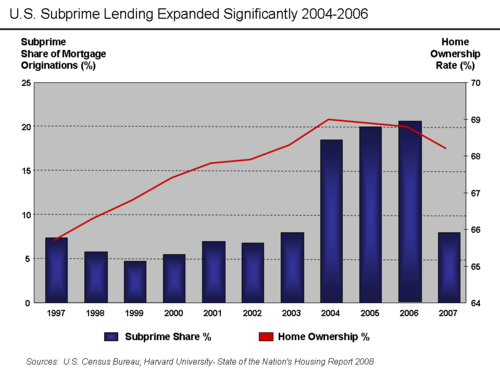
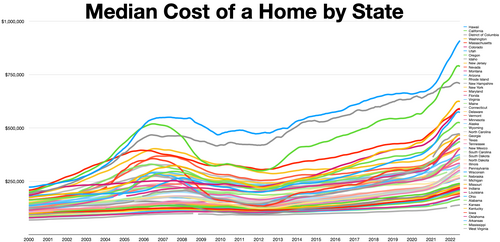
危機の根源は、2000年代半ばの米国における住宅価格の異常な上昇にありました。低金利政策と住宅需要の増加により、本来であれば融資基準を満たさない低所得者層に対しても、サブプライムローン(信用力の低い借り手向けのローン)が大量に提供されました。
金融機関は、審査を簡略化した「略式審査」や、当初は低金利だが後に上昇する変動金利プランを導入し、借入を促進しました。これにより、住宅価格が上がり続ける限りは問題ないという楽観的な見通しのもと、過剰な貸付が行われました。
![A graph showing the median and average sales prices of new homes sold in the United States between 1963 and 2016 (not adjusted for inflation)[80]](/images/ed/9f/ed9feb48d98fb31bd2614ac334ced9a9268d65d13327580f49227dd0cffc7d7a.webp)
リスクの証券化という罠
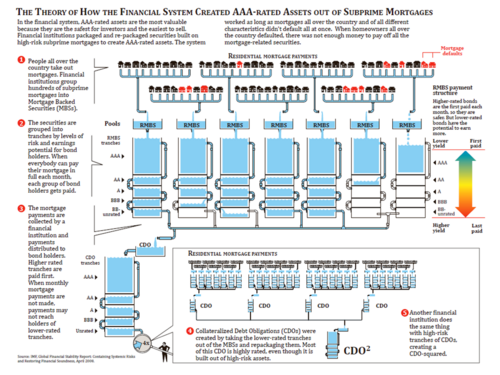
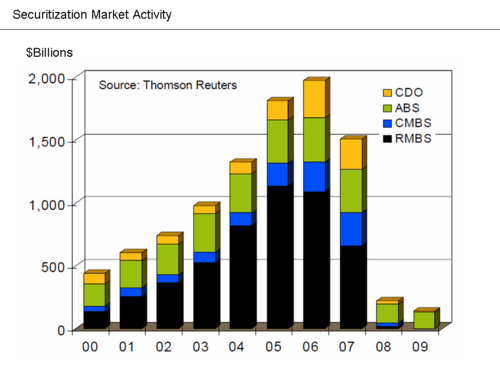
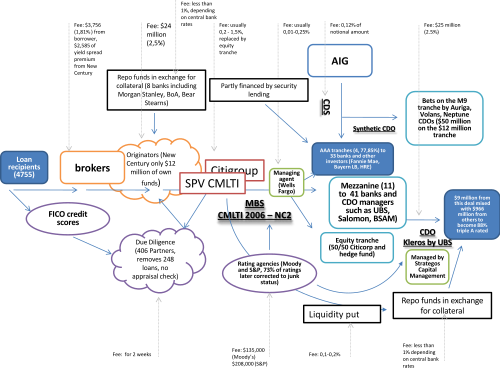
金融業界では、これらの住宅ローンをまとめて証券化し、MBS(住宅ローン担保証券)やCDO(債務担保証券)という複雑な金融商品として投資家に販売しました。これにより、銀行はローン債権を売却して資金を回収し、さらに新たな貸付を行うというサイクルを加速させました。
しかし、格付け機関がこれらの高リスク商品に不適切に高い格付けを与えたため、世界中の投資家や銀行が「安全な資産」としてこれらを保有してしまいました。
金融システムの崩壊と世界的な連鎖
2006年頃から住宅価格がピークを迎え、下落に転じると、状況は一変しました。金利上昇に伴い、サブプライムローンの債務者が支払不能に陥り、住宅の差し押さえが急増しました。これにより、それらを裏付けとしていた証券の価値が暴落しました。
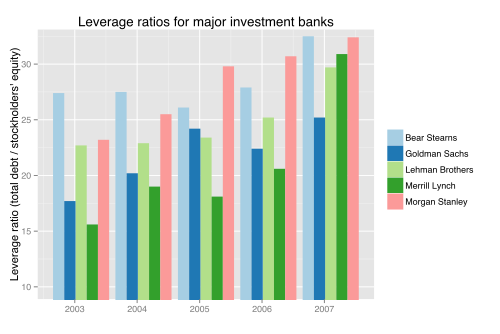
多くの投資銀行は、自己資本を大幅に上回る借入で運用するレバレッジを高く設定していたため、資産価値のわずかな下落が致命的な損失へと繋がりました。
![Share in GDP of U.S. financial sector since 1860[9]](/images/46/b5/46b595b8cff19e299e665c3fbebed40362ecfb3b08099c2ef218fc70552eb960.jpg)
リーマン・ショックと信用収縮
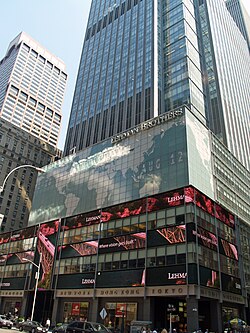
2008年9月15日、米国第4位の投資銀行であったリーマン・ブラザーズが破綻しました。この出来事は、市場に「どの金融機関がどの程度のリスクを抱えているか分からない」という極度の不信感を植え付けました。
その結果、金融機関同士がお金を貸し借りしなくなるクレジット・クランチ(信用収縮)が発生しました。信用リスクを示す指標であるTEDスプレッドが急上昇し、金融システムは機能不全に陥りました。
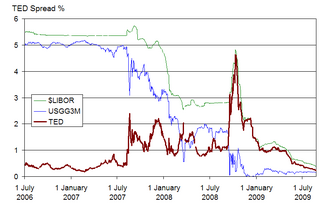
実体経済への波及
金融危機はすぐに実体経済へと波及しました。企業は資金調達ができなくなり、設備投資や消費が冷え込みました。米国のみならず、欧州では北ロック銀行などの取り付け騒ぎが発生し、世界的な景気後退(グレート・リセッション)へと発展しました。
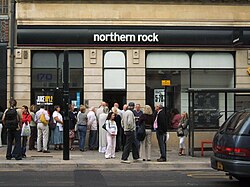
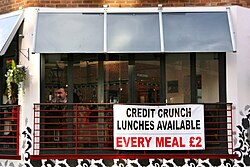
また、この影響は新興国にも及び、インドのBSE SENSEXなどの株価指数が急落するなど、世界的な資産価値の喪失を招きました。
![During the 2008 global financial crisis, the BSE SENSEX experienced a sharp decline. It dropped from over 21,000 points in January 2008 to below 8,000 points in October 2008.[153]](/images/e5/78/e57890ab0a07078d5fde542a2a8f357f2d9784812f83b25e1526562e9420b102.webp)
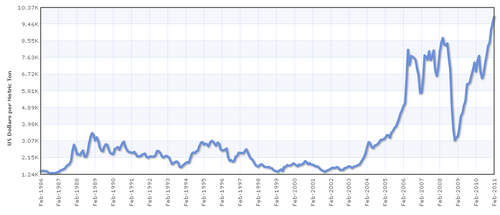
政府の介入と経済回復への道のり
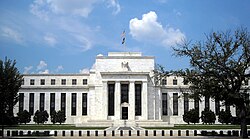
壊滅的な状況を避けるため、米国政府や連邦準備制度理事会(FRB)は異例の措置を講じました。TARP(不良資産救済プログラム)などの公的資金注入を行い、破綻しかけていた大手金融機関や、GM、クライスラーといった自動車産業を救済しました。
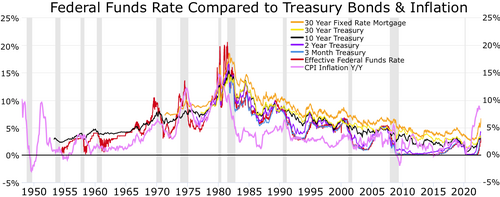
また、金利をほぼゼロにするゼロ金利政策や、市場に大量の資金を供給する量的緩和策が導入されました。同時に、2009年の米国回復再投資法などの大規模な財政出動が行われ、景気の底打ちが図られました。
構造的な改革:ドッド=フランク法
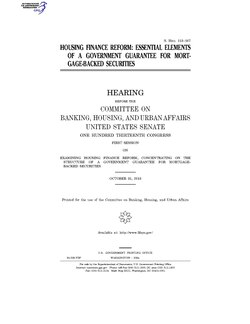
再発防止のため、金融機関のリスク管理を厳格化するドッド=フランク・ウォール街改革および消費者保護法が制定されました。これにより、銀行による過度な投機的取引の制限や、消費者保護の強化が図られました。
世界経済への影響まとめ
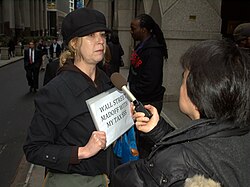
この危機は、単なる金融上の問題に留まらず、所得格差の拡大や社会的な不満を増幅させ、後の「ウォール街を占拠せよ(Occupy Wall Street)」などの抗議運動に繋がりました。

| 項目 | 詳細 | 結果 |
|---|---|---|
| 根本原因 | サブプライムローンの乱発と住宅バブル | 債務不履行の急増と資産価値暴落 |
| 増幅要因 | 証券化商品(MBS/CDO)と高レバレッジ | リスクのグローバルな拡散と連鎖破綻 |
| 象徴的事件 | リーマン・ブラザーズの破綻(2008年) | 世界的な信用収縮(クレジット・クランチ) |
| 政府対応 | 公的資金注入、量的緩和、財政刺激策 | 金融システムの安定化と緩やかな回復 |
| 制度改革 | ドッド=フランク法などの規制導入 | 金融機関の自己資本規制と監視の強化 |
Frequently Asked Questions
サブプライムローンとは具体的に何ですか?
信用力の低い(所得が不安定な、あるいは債務が多い)借り手向けに提供された住宅ローンのことです。通常よりも高い金利が設定されますが、住宅価格が上昇し続けることを前提に、審査を緩めて貸し出されました。
なぜ一企業の破綻が世界中に影響したのですか?
住宅ローンを組み込んだ証券化商品が、世界中の銀行や投資信託に販売されていたためです。リーマン・ブラザーズの破綻により、これらの商品の価値が不透明になり、世界中の金融機関が同時に損失を抱え、資金繰りが悪化したためです。
「レバレッジ」がどのように危機を悪化させたのですか?
レバレッジとは、少ない自己資本で多額の借入を行い、投資効率を高める手法です。しかし、資産価値がわずかに下落しただけで、自己資本を上回る損失が発生し、瞬時に債務超過に陥るリスクを孕んでいました。
この危機によって得られた教訓は何ですか?
金融商品の複雑化がリスクを不可視にすること、そして市場の自己調節機能だけに頼る規制緩和(デレギュレーション)がシステム全体の崩壊を招く可能性があることが明確になりました。これにより、より厳格な資本規制と監視の重要性が認識されました。
実体経済への影響はどのようなものでしたか?
金融機関が貸し出しを絞ったため、企業は運転資金を確保できず、倒産や人員削減が相次ぎました。また、住宅価格の下落で資産を失った消費者が支出を減らしたため、世界的な需要減少と深刻な不況(大不況)となりました。
References
- Williams, Mark (2010). Uncontrolled Risk. . .
- Maverick, J.B. (October 22, 2019). "Consequences of The Glass-Steagall Act Repeal". Investopedia. Archived from the original on February 14, 2025. Retrieved August 5, 2021.
- "Predatory Lending Practices Prior to the Global Financial Crisis". Predatory Lending and the Destruction of the African-American Dream. 2020. pp. 23–68. :10.1017/9781108865715.004. .
- "Predatory lending: A decade of warnings". Center for Public Integrity. May 6, 2009. Archived from the original on January 17, 2025. Retrieved August 5, 2021.
- Sakelaris, Nicholas (February 5, 2014). "Paulson: Why I bailed out the banks and what would have happened if I hadn't". Dallas Business Journal. Archived from the original on February 7, 2014. Retrieved April 27, 2021.
- Dodd-Frank Wall Street Reform and Consumer Protection Act (Act of Congress 111–203). The United States Congress. July 21, 2010.
- James, Margaret. "Basel III". Investopedia. Archived from the original on February 5, 2025. Retrieved April 27, 2021.
- "RCAP on timeliness: monitoring reports". . October 18, 2017. Archived from the original on May 23, 2017.
- Confer Thomas Philippon: "The future of the financial industry", Finance Department of the at , link to blog
- Gopinath, Gita (April 14, 2020). "The Great Lockdown: Worst Economic Downturn Since the Great Depression". . Archived from the original on February 13, 2025.
📸 フォトギャラリー