2008年、北欧の島国アイスランドは、世界を震撼させる劇的な経済崩壊に見舞われました。かつては急速な経済成長を遂げ、北欧諸国の中でも際立った発展を見せていたこの国が、なぜ短期間で国家破綻の危機に直面したのでしょうか。本記事では、金融バブルの崩壊から、通貨価値の暴落、そして困難な復興への道のりを詳しく解説します。
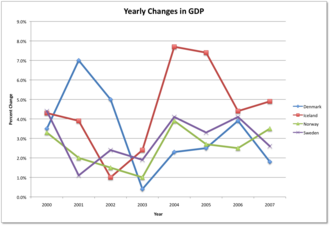
危機の前兆は、アイスランドの経済成長率がデンマークやノルウェー、スウェーデンといった近隣諸国を大きく上回っていたことにありました。しかし、その繁栄の裏側では、銀行部門の肥大化という深刻なリスクが蓄積されていました。
Key Facts
- 主要銀行の崩壊: グリットニル、ランズバンキ、カウプシングの3大銀行が相次いで破綻または国有化されました。
- 通貨の暴落: アイスランド・クローナの価値が急落し、対ユーロなどの為替レートが激しく変動しました。
- 国際的な紛争: 特に英国との間で、預金保護を巡る「アイスセーブ(Icesave)」問題が発生し、外交関係が悪化しました。
- IMFの介入: 自力での解決が不可能となり、国際通貨基金(IMF)による救済融資を受けました。
- 政治的激変: 経済混乱への怒りから大規模な抗議デモが発生し、政府の退陣へと繋がりました。
金融バブルの崩壊と銀行システムの機能不全
危機の核心は、国内の経済規模を遥かに超えて膨れ上がった銀行資産にありました。特に大手銀行は海外での積極的な資金調達を行い、リスクの高い投資を拡大させていました。しかし、世界的な金融不安(サブプライムローン問題など)が波及すると、資金調達が困難になり、システムは一気に崩壊へと向かいました。
2008年9月、政府はまずグリットニル銀行の株式75%を取得し国有化を試みましたが、連鎖的に他の大手行も危機に陥りました。その後、ランズバンキやカウプシング銀行も管理下に置かれ、国内の金融機能は完全に麻痺しました。

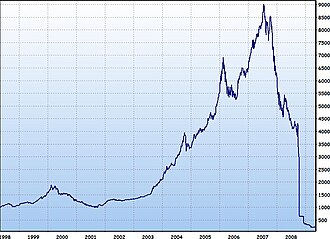
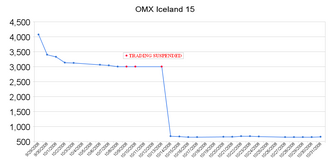
この混乱は株式市場にも直撃し、OMXアイスランド15指数は記録的な暴落を経験しました。投資家は一斉に資産を売却し、市場は一時的に取引停止に追い込まれるほどのパニック状態となりました。
通貨クローナの暴落と経済的衝撃
銀行システムの崩壊に伴い、法定通貨であるアイスランド・クローナへの信頼が失墜しました。為替市場ではクローナ売りが加速し、対ユーロレートは急激に下落。これにより輸入物価が高騰し、国内では記録的なインフレが発生しました。
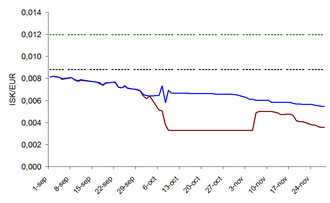
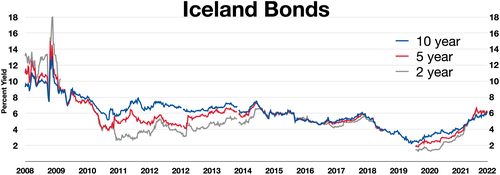
また、債券市場では「逆イールド(短期金利が長期金利を上回る現象)」が見られ、市場が将来的な経済の深刻な後退を予見していたことが分かります。政府は通貨流出を防ぐために厳しい資本規制を導入せざるを得ませんでした。
政治的混乱と国際的な対立
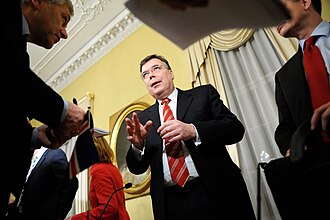
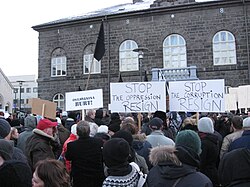
経済的な困窮は国民の怒りを買い、議会前では数千人規模の抗議デモが発生しました。国民は政府と金融エリートの不手際を激しく非難し、この圧力はやがてゲイル・H・ハルデ首相率いる連立政権の辞任へと発展しました。
国際的には、ランズバンキのオンライン預金口座「アイスセーブ」の預金者を巡り、英国政府がテロ対策法を適用してアイスランドの資産を凍結するという異例の措置に出ました。これにより、両国間の外交関係は極めて冷え込むこととなりました。
危機のまとめと回復への道
アイスランドはIMFからの融資や、ロシア、オランダなどの他国からの支援を受け、徐々に経済の立て直しを図りました。2011年頃から回復の兆しが見え始め、その後、資本規制の解除や経済構造の多様化を進めることで、再び安定した経済を取り戻しました。
| 項目 | 危機前(〜2007年) | 危機ピーク時(2008-2009年) | 回復期(2011年〜) |
|---|---|---|---|
| 銀行の状態 | 急速な拡大・海外進出 | 3大銀行の破綻・国有化 | 新銀行への再編・安定化 |
| 通貨クローナ | 比較的安定 | 価値の急落・激しい変動 | 緩やかな安定と資本規制解除 |
| 政府の対応 | 自由放任的な金融政策 | IMF救済要請・資本規制導入 | 経済構造の改革・債務処理 |
| 社会状況 | 経済的繁栄への期待 | 大規模デモ・政権交代 | 経済的信頼の回復 |
Frequently Asked Questions
なぜアイスランドの銀行はこれほど簡単に崩壊したのですか?
国内のGDPを遥かに上回る規模まで銀行資産を拡大させ、海外からの短期資金に過度に依存していたためです。世界的な信用収縮が起きた際、資金調達ができなくなり、連鎖的に破綻しました。
「アイスセーブ問題」とは具体的に何だったのでしょうか?
ランズバンキが提供していた高金利の預金口座「アイスセーブ」の預金者が、銀行破綻時に預金を回収できなくなった問題です。特に英国政府が預金者保護のために強硬な手段に出たことで、外交問題へと発展しました。
国民はどのような影響を受けたのですか?
通貨クローナの暴落による猛烈なインフレで生活コストが急増し、多くの人々が資産価値の減少やローン返済の困難に直面しました。これが大規模な抗議デモの原動力となりました。
アイスランドはどうやって経済を回復させたのですか?
IMFの支援を受けて財政を再建し、資本規制によって通貨の流出を阻止しました。また、銀行システムの再編を行い、観光業などの他産業を育成することで経済の多角化を図りました。
この危機で政治はどう変わりましたか?
国民の激しい抗議により、当時の連立政権が辞任に追い込まれました。その後、金融規制の強化や責任者の追及など、政治的な浄化作用が働きました。
References
- "Cracks in the crust". . . 11 December 2008. Retrieved 4 February 2013.(subscription required)
- "Iceland. Selected issues" (PDF). . March 2015. Retrieved 9 May 2015.
- Önnudóttir, Eva H.; Helgason, Agnar Freyr; Hardarson, Ólafur Th; Thórisdóttir, Hulda (2021). Electoral Politics in Crisis After the Great Recession: Politics Transformed?. Routledge. :10.4324/9780429436345. . 239677572.
- "External debt". . 4 September 2008. Archived from the original on 21 October 2008. Retrieved 11 October 2008.
- "Gross domestic product 2007– Revision". Statistics Iceland. 11 September 2008. Retrieved 13 October 2008.
- Glitnir ISK 3,863 bn "Interim Financial Statement 2008Q2" (PDF). . Archived from the original (PDF) on 5 February 2009. Retrieved 16 October 2008.; Landsbanki ISK 3,970 bn "Condensed Consolidated Interim Financial Statements:1 January - 30 June 2008" (PDF). . Retrieved 7 November 2019.; Kaupthing ISK 6,604 bn "Interim Financial Statement 2008Q2". . 14 November 2008. Archived from the original on 14 November 2008.. The borrowings of the three banks at the same date were: Glitnir ISK 2,242 bn; Landsbanki ISK 1,220 bn; Kaupthing ISK 2,883 bn.
- Alderman, Liz (14 March 2017). "Iceland, Symbol of Financial Crisis, Finally Lifts Capital Controls". . Retrieved 7 November 2019.
- "Seasonally adjusted quarterly volume growth in GDP 1980–2014". Statistics Iceland. Retrieved 9 May 2015.
- "Hagstofa Íslands. Helstu hagstærðir hins opinbera 1980–2014" (in Icelandic). Statistics Iceland. Retrieved 25 May 2015.
- "Stefna í lánamálum ríkisins 2015–2018" (PDF) (in Icelandic). . Retrieved 25 May 2015.
📸 フォトギャラリー