夜空を明るく照らす満月は、古来より人々の想像力を刺激し、信仰や生活習慣に深く根ざしてきました。天文学的な視点で見れば、満月とは地球が太陽と月の間に位置し、地球から見て月の表面が完全に太陽光に照らされている状態を指します。このとき、月と太陽の黄経の差はちょうど180度になります。
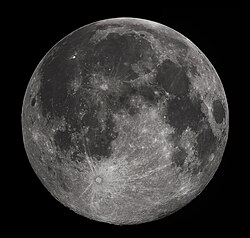
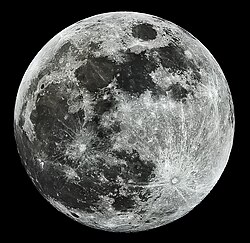
私たちは満月を「一晩中続く現象」と考えがちですが、実際には月は常に満ち欠けを繰り返しています。厳密な意味での満月は、満ちる過程(waxing)が終わり、欠ける過程(waning)が始まる一瞬のタイミングのみを指します。また、月の公転軌道が黄道(地球の公転面)に対して約5.145度傾いているため、月食が起こる夜を除いて、完全な円形に見えることは稀です。
Key Facts
- 発生周期: 次の満月までの平均期間(朔望月)は約29.53日。
- 視覚的特徴: 地球から見て太陽光が月の表面(near side)を完全に照らした状態。
- 月食の条件: 満月かつ月が軌道の節(ノード)付近にある場合にのみ発生する。
- 文化的な呼称: 季節や農耕に関連して「ハーベストムーン」などの固有名称が付けられることがある。
- 科学的根拠: 満月が人間の行動や精神状態に影響を与えるという説に、一貫した科学的証拠は見つかっていない。
満月のメカニズムと周期
月相のサイクル
月は新月から始まり、以下の8つの段階を経て再び新月へと戻ります。満月はこのサイクルのちょうど中間に位置します。
- 新月
- 上弦の三日月(waxing crescent)
- 上弦の月(first quarter)
- 上弦の凸月(waxing gibbous)
- 満月
- 下弦の凸月(waning gibbous)
- 下弦の月(last quarter)
- 下弦の三日月(waning crescent)
時間的な変動
月の軌道は完全な円ではないため、満月のタイミングには最大で13時間程度の変動が生じます。また、タイムゾーンや、一日の始まりをいつとするか(深夜か夕方か)という定義によって、カレンダー上の日付が前後することもあります。一般的に、新月から数えて14日目か15日目に満月が訪れます。
月食と天文学的現象
満月の夜にのみ起こりうるのが月食です。これは月が地球の影に入り込むことで発生します。月食の際、月が完全に真っ暗にならずに赤みを帯びて見えることがありますが、これは地球の大気で青い光が散乱し、赤い光だけが屈折して月に届く「レイリー散乱」という現象によるものです。
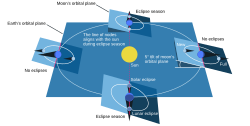
月食が毎月の満月に起こらないのは、前述の通り月の軌道が傾いているためです。月が黄道を横切る「節(ノード)」付近で満月を迎えたときのみ、地球の影と重なります。このため、月食は約6ヶ月に一度の周期で発生する傾向にあります。
文化・伝統における満月
季節に合わせた名称
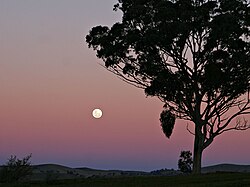
英語圏の伝統では、満月に季節的な名前を付ける習慣があります。例えば、秋分(9月22日または23日)に最も近い満月はハーベストムーン(収穫月)と呼ばれます。この時期の満月は、日没直後に昇るため、農作業の時間を延ばすのに役立ったと言われています。
![A harvest moon. Its orange color is due to greater Rayleigh scattering as the Moon appears close above the horizon, rather than being unique to harvest moons.[14]](/images/06/b6/06b6ff4bc64cf436d48eb78e2c524081273799d9322f0814830c481ec9ac2f82.jpg)
また、その次の満月はハンターズムーン(狩人の月)と呼ばれます。こうした名称は、かつての農耕社会や、後のアメリカの伝承、あるいはネイティブアメリカンの文化に由来するとされていますが、記録によって名称のリストは多様です。
精神性と信仰
多くの文化で満月は特別な意味を持ちます。仏教のヴェサク祭や、ヒンドゥー教のプルニマ(満月の日)の儀式などがその例です。また、西洋の伝承では「三柱の女神」の象徴として描かれることもあります。
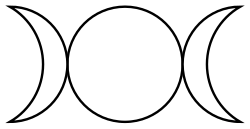
一方で、満月が不眠や狂気(lunacyの語源)を引き起こすという迷信も根強く残っています。しかし、現代の心理学的な研究では、満月が人間の行動に有意な影響を与えるという一貫した証拠は得られていません。
暦への影響
多くの古代暦は、太陽の周期と月の周期を組み合わせた太陰太陽暦を採用していました。ユダヤ暦や中国暦がその代表例です。月の周期(約29.5日)と太陽暦の1ヶ月(30〜31日)のズレを調整するため、「閏月(うるうづき)」を挿入する仕組みが取り入れられています。
![The December 2015 full moon coincided with Christmas.[44] This last occurred in 1977 (for the American time zones). A small horizontal libration is visible comparing their appearances. By the 19-year metonic cycle the full moon will repeat on Christmas Day in 2034, 2053, 2072, and 2091.[45]](/images/10/c4/10c49271890941113da0314b2fc6f5e2fcde00283b78dd5ac6325709f1af2057.gif)
満月の概要まとめ
| 項目 | 詳細 |
|---|---|
| 天文学的条件 | 太陽ー地球ー月の順に並び、太陽と月の黄経差が180°の状態 |
| 平均周期(朔望月) | 約29.53日 |
| 月食の発生条件 | 満月かつ月が軌道の節(ノード)を通過しているとき |
| 代表的な呼称 | ハーベストムーン、ハンターズムーン、ブルームーンなど |
| 主な影響 | 潮汐への影響、太陰太陽暦の基準 |
Frequently Asked Questions
なぜ満月は毎日同じ時間に昇らないのですか?
月は星々の間を東方向に移動しており、太陽よりも速く動いています。そのため、月が南中する時間は毎日平均して約50.47分ずつ遅くなり、結果として月が昇る時間も毎日遅くなります。
「ブルームーン」とは具体的にどのような現象ですか?
一般的に、1ヶ月に2回満月がある場合の2回目の満月を指します。天文学的な必然性というよりは、暦上の偶然によって発生する稀な現象です。
満月の夜に人が興奮したり、事件が増えたりするのは本当ですか?
俗説として語られますが、科学的な根拠はありません。過去に行われた統計調査でも、結果に一貫性がなく、満月が人間の行動や精神状態に直接的な影響を与えるとは結論づけられていません。
月食のときに月が赤く見えるのはなぜですか?
地球の大気が太陽光のうち青い波長の光を散乱させ、赤い波長の光だけを屈折させて月へと届けるためです。これをレイリー散乱と呼びます。
ハーベストムーンがオレンジ色に見えるのはなぜですか?
これは満月特有の性質ではなく、月が地平線に近い低い位置にあるときに起こる現象です。光が厚い大気層を通過するため、青い光がより多く散乱し、オレンジ色や赤色に見えます。
References
- [P. Kenneth Seidelmann (ed.), "Phases of the Moon", Explanatory Supplement to the Astronomical Almanac: A Revision to the Explanatory Supplement to the Astronomical Ephemeris and the American Ephemeris and Nautical Almanac, (Mill Valley: University Science Books, 1992), p. 478.
- "意外と違う満月の日と十五夜の日(満月の月齢変化) (No.0534)".
- "What are the names of full moons throughout the year? | Royal Museums Greenwich". www.rmg.co.uk. Retrieved 2023-11-28.
- Meeus, Jean (1998). "Phases of the Moon". Astronomical Algorithms (2nd ed.). Richmond, Virginia: Willmann-Bell. pp. 349–354. .
- Meeus, Jean (2002). "The Duration of the Lunation". More Mathematical Astronomy Morsels. Richmond, Virginia: Willmann-Bell. pp. 19–31. .
- Seidelmann, P. Kenneth (2005). "Phases of the Moon". Explanatory Supplement to the Astronomical Almanac. University Science Books. p. 478. .
They are the times when the excess of the Moon's apparent geocentric ecliptic longitude λM over the Sun's apparent geocentric ecliptic longitude is 0, 90, 180, or 270 ...
- "Celestial Alignment without Lunar Eclipse; from google (full moon earth block sunlight) result 2". Archived from the original on 7 October 2016. Retrieved 19 September 2016.
- "tilted from the ecliptic by about 5 degrees; from google (full moon earth block sunlight) result 3". Archived from the original on 28 June 2017. Retrieved 19 September 2016.
- "Vesak 2023: What is it and how do Buddhists celebrate Buddha Day or Wesak?". BBC Newsround. May 15, 2019.
- "Full Moon Effect On Behavior Minimal, Studies Say". National Geographic News. 6 February 2004. Archived from the original on 24 July 2017. Retrieved 3 December 2005.
📸 フォトギャラリー