夜空に現れる日食や月食は、一見すると不規則に起こっているように見えます。しかし、古代から天文学者たちは、これらの現象が非常に精緻な周期性を持っていることを突き止めていました。その鍵となるのがサロス周期(Saros cycle)です。これは太陽、地球、月の相対的な位置関係がほぼ同じ状態に戻る期間であり、過去の食のデータから未来の食を高い精度で予測することを可能にします。
Key Facts
- 周期の長さ:約18年11日8時間(6,585.3211日)。
- 構成要素:223回の朔望月、約242回の交点月、約239回の近点月がほぼ同期している。
- 予測の仕組み:1サロス経過すると、天体の配置がほぼ再現され、似た形式の食が発生する。
- 観測地点の変化:周期に約8時間の端数があるため、次回の食は地球上で約120度西にずれた場所で観測される。
- トリプルサロス:3サロス(約54年)経つと、ほぼ同じ現地時間に食が起こる。
サロス周期を形作る3つの天体リズム
日食や月食が発生するためには、単に月が新月や満月であるだけでは不十分です。月の公転面は地球の公転面(黄道面)に対してわずかに傾いているため、月がこの2つの面が交わる点、すなわち交点(ノード)付近に位置している必要があります。サロス周期は、以下の3つの異なる周期がほぼ同時に一致することで成立しています。
- 朔望月(Synodic Month):新月から次の新月までの期間(約29.53日)。月の位相を決定します。
- 交点月(Draconic Month):月が同じ交点を通過するまでの期間(約27.21日)。食が起こるための位置条件を決定します。
- 近点月(Anomalistic Month):月が地球に最も近い点(近地点)を通過するまでの期間(約27.55日)。月の見かけの大きさと食の持続時間を決定します。
これら3つの周期が約18年後にほぼ完璧に同期するため、1サロス後の食は、前回の食と非常に似た外観や持続時間を持つことになります。
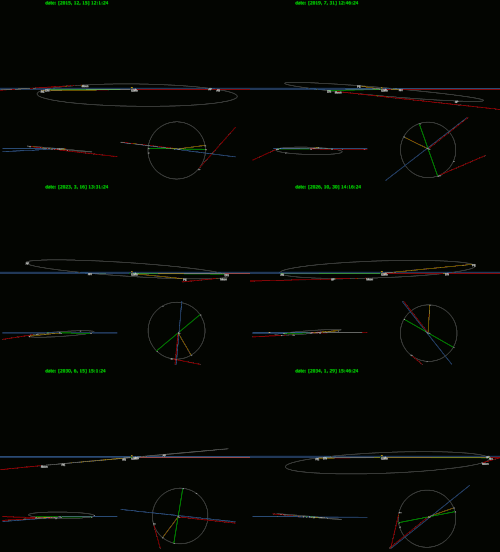
サロス系列と食の変遷
すべての食は、特定のサロス系列(Saros series)に属しています。一つの系列は、数百年から千年以上かけてゆっくりと進化します。例えば、ある系列の始まりは地球の影の端をかすめる部分食から始まり、次第に皆既食へと移行し、最後には再び部分食となって消えていきます。
日食と月食では系列の番号付けや特性が異なります。太陽が昇交点(月が南から北へ黄道を横切る点)付近にあるか、降交点(北から南へ横切る点)付近にあるかによって、系列の番号(奇数か偶数か)が割り当てられます。
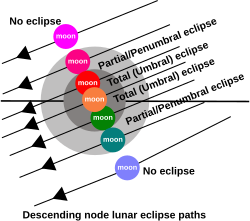
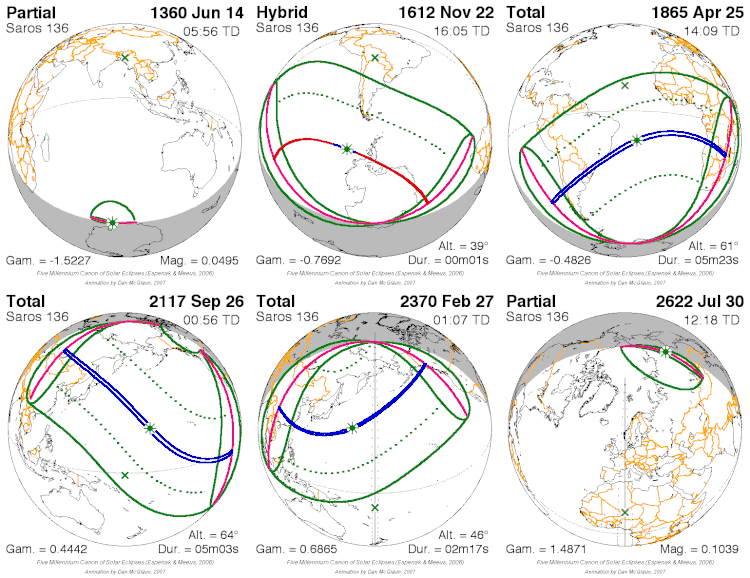
サロス系列の具体例:月食系列131
月食のサロス系列131を例に挙げると、この系列は西暦1427年に始まりました。当初は地球の影の南端をかすめる部分食でしたが、サロスを重ねるごとに月の軌道が北へシフトしていきました。1950年には初の皆既食となり、2078年には中心付近を通過する皆既食を迎えます。その後、再び部分食へと移行し、2707年にこの系列は終了します。このように、一つの系列の寿命は1,200年以上に及ぶことがあります。
観測上の注意点:8時間のズレとエクセリグモス
サロス周期は正確には整数日ではなく、約6,585.32日です。この「0.32日(約8時間)」という端数が重要です。1サロス後の食は、前回の食よりも8時間遅れて発生するため、地球が自転して約120度西に移動した地域でしか観測できません。
この問題を解決するのがエクセリグモス(Exeligmos)と呼ばれるトリプルサロス周期です。3回分のサロス(約54年と1ヶ月)を合わせると、端数の8時間が3回分で24時間となり、ちょうど1日に戻ります。これにより、ほぼ同じ地域で、ほぼ同じ時刻に同様の食を観測することが可能になります。
サロス周期のまとめ
| 項目 | 数値・詳細 | 天文学的意味 |
|---|---|---|
| 期間(日数) | 約6,585.32日 | 日食・月食の再現周期 |
| 期間(年) | 約18年11日 | 季節的な位置の近似的な一致 |
| 朔望月数 | 223回 | 月の位相(新月/満月)の一致 |
| 交点月数 | 約242回 | 黄道面との交差位置の一致 |
| 近点月数 | 約239回 | 地球から月までの距離の一致 |
| 観測地の移動 | 西へ約120度 | 0.32日の端数による自転の影響 |
サロスと「サール(Sar)」の関係
日食と月食の間には、さらに短いサール(Sar)という関係性があります。これは約9年5.5日の期間を指します。例えば、ある日食が発生してから約9年半後には、同様の幾何学的条件を備えた月食が発生します。この周期は111.5回の朔望月に相当し、0.5回分(約2週間)のズレが「日食」と「月食」の切り替えを担っています。
Frequently Asked Questions
サロス周期を使えば、いつでも同じ場所で食が見られるのですか?
いいえ。1サロス(約18年)ごとの食は、地球の自転の影響で観測地点が約120度西にずれます。同じ場所で再び似た食を見るには、3サロス分(約54年)待つ必要があります。
なぜ「18年」という中途半端な期間になるのですか?
それは、月の「満ち欠け(朔望月)」、「軌道の傾き(交点月)」、「地球との距離(近点月)」という3つの異なるリズムが、偶然にも約18年という期間でほぼ同時に一致するためです。
サロス系列とは具体的に何を指しますか?
同じサロス周期(18年11日)の間隔で発生する食のグループのことです。一つの系列は数百年かけて、部分食から皆既食へ、そして再び部分食へと変化しながら続いていきます。
サロスという名前の由来は何ですか?
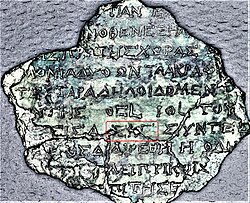
1686年にエドモンド・ハレーが、ビザンツ帝国の辞書『スーダ』から引用して名付けました。語源はバビロニア語で3600を意味する「sāru」か、ギリシャ語で「空を掃く」を意味する「saro」であると考えられています。
References
- 6585.3223 days (.3223 representing 7 hours and 43 minutes)
📸 フォトギャラリー