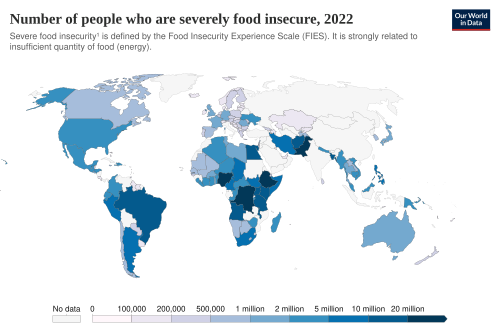
現代社会において、誰もが健康的で活動的な生活を送るために必要な、手頃な価格の栄養価の高い食品に安定してアクセスできる状態を食料安全保障(Food Security)と呼びます。これは単に空腹を満たすことではなく、人種、宗教、性別、社会的地位に関わらず、あらゆる人々が平等に食料を確保できる権利を含んでいます。また、干ばつや紛争、経済不安といった予期せぬ事態が発生しても、食料供給が途絶えない「回復力(レジリエンス)」を備えていることが不可欠です。
一方で、この状態が損なわれた「食料不安(Food Insecurity)」の状態にある人々は、常に飢えの恐怖にさらされるか、あるいは十分な栄養を摂取できない不安定な生活を強いられています。

Key Facts
- 世界的な現状: 2024年の推計では、世界人口の約28%(22.8億人)が中程度または深刻な食料不安を経験しています。
- 格差の存在: 食料不安は、都市部よりも農村部で、また男性よりも女性において顕著に高い傾向があります。
- 主要な要因: 食料価格の高騰、戦争による供給網の分断、気候変動、パンデミックなどが複雑に絡み合っています。
- 解決への方向性: FAO(国連食糧農業機関)は、気候変動への適応や貧困対策を含む6つの変革経路を提示しています。
食料安全保障を構成する6つの次元
食料安全保障は、単一の指標ではなく、以下の6つの重要な要素(ピラー)によって成り立っています。これらは相互に影響し合い、人々の「食への権利」を保障する基盤となります。
- 可用性(Availability): 物理的に十分な量の食料が供給されていること。
- アクセス(Access): 経済的・物理的に食料を入手できる手段があること。
- 利用(Utilization): 体内で適切に栄養として吸収・活用できること。
- 安定性(Stability): 時期や状況に左右されず、常に上記3つが維持されること。
- 主体性(Agency): 自らの食生活を決定し、改善する能力を持つこと。
- 持続可能性(Sustainability): 将来の世代のニーズを損なわずに食料を確保し続けられること。
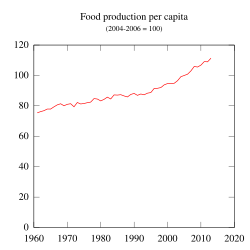
食料不安を引き起こす複合的な要因
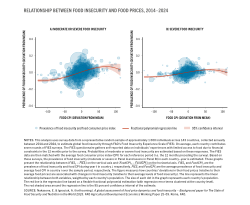
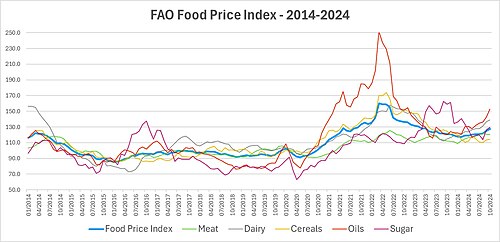
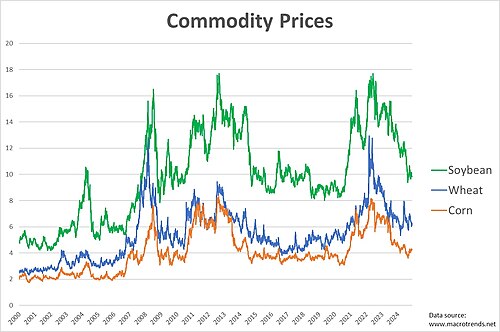
食料不安は、単なる食料不足ではなく、社会的な構造問題や環境変化によって引き起こされます。特に、化石燃料への依存は肥料価格に影響し、それが間接的に食料価格を押し上げる要因となります。
経済的・政治的要因
戦争などの紛争は、世界的な供給ルートを遮断し、急激な価格高騰を招きます。また、失業による所得減少は貧困率を高め、個人の食料アクセスを著しく制限します。
環境的・生物学的要因
気候変動に伴う水不足や土地の劣化、深刻な干ばつや洪水は、農業生産に壊滅的な打撃を与えます。また、家畜や作物の病害、パンデミックなどの感染症の流行も、供給体制を不安定にする大きなリスクです。
![Bengali famine of 1943: The Japanese conquest of Burma cut off India's main supply of rice imports.[66]](/images/4b/41/4b41cbcd5caa58f63180f317eaded601698f07e82b87e4b47adfab8bfe203f65.png)
![World population supported with and without synthetic nitrogen fertilizers[100]](/images/84/5d/845dcfd6cb7db79da1340476a17e7e353c3eb89473a32537b1791d3376c45b3a.webp)
資源の浪費と管理不足
過剰な漁獲による海洋資源の枯渇や、生産された食料が消費者に届く前に廃棄される「フードロス」の問題も、食料安全保障を脅かす深刻な要因です。
![Food recovered by food waste critic Robin Greenfield in Madison, Wisconsin, from two days of recovery from dumpsters[120]](/images/3c/26/3c26337c42315564bf801c47dc68df61181d514bd2008c15e24e6c25ecea7e28.jpg)
特に影響を受けやすい脆弱なグループ
食料不安の影響は均等ではなく、特定の属性を持つ人々により深刻に現れます。
ジェンダー格差
世界的に見て、女性の食料不安率は男性よりも一貫して高く、地域を問わずこの傾向が見られます。2019年から2021年にかけて、男女間の格差は1.7ポイントから4.3ポイントへと拡大しました。
![The gender gap narrowed at the global level from 2021 to 2023, but increased slightly in 2024, with the prevalence of food insecurity remaining consistently higher among women than among men, globally and in all regions[25]](/images/d0/c6/d0c60b3cb9a3757d669b05c4fd91dd966a1842a5acd363bdb8721147358a2ba5.png)
![Food insecurity levels by region and sex (2024)[45]](/images/42/df/42dfcc26f80a71fbd181f75fa1ce897e3841e195bf3a33344cf1a44f503356f5.webp)
子供と社会的弱者
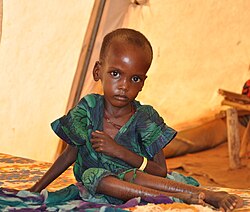
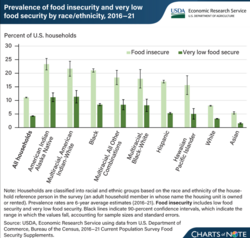
栄養不足は子供の身体的成長を妨げる「発育阻害(スタインティング)」や慢性的な栄養欠乏を招き、将来的な健康リスクや精神的健康への悪影響を及ぼします。また、人種や民族による経済的格差も、食料アクセスの不平等に直結しています。

食料安全保障へのアプローチと解決策
飢餓を撲滅し、持続可能な食料システムを構築するために、世界中でさまざまな取り組みが進められています。
食料システムの変革
FAOは、紛争地域での平和構築と開発政策の統合、気候変動への耐性強化、経済的弱者の保護、栄養価の高い食品の低コスト化、そして構造的な不平等の解消という6つの経路を推奨しています。
![Food insecurity levels based on the food insecurity experience scale by region (2015–2024)[32]](/images/7b/6c/7b6c2262913062cce79f59e9633297bdca046dd5f5c73831f1c8eb57c2a68b77.webp)
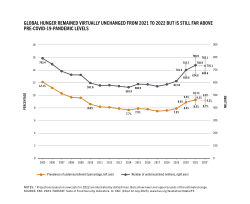
![Updated global estimates point to a decrease in world hunger in recent years following the sharp increase from 2019 to 2021[43]](/images/bd/f0/bdf0e635299e2625e5b8b5d727cd79a20f4f344d17817eb07330119e32694f21.webp)
![Global food insecurity levels declined gradually from 2021 to 2024, with Latin America and the Caribbean showing notable progress[44]](/images/85/1b/851bbf8e39aa35b0b2becde1606ea880cea24f0c00d3063aa7260217a0ae524c.webp)
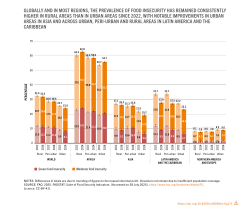
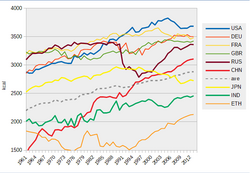
革新的な生産手法と代替食
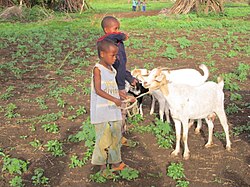
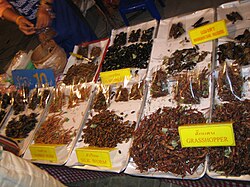
デジタル技術の導入や、環境制御農業(CEA)による効率的な生産、さらには昆虫食などの代替タンパク質の活用が検討されています。また、飼育が容易なヤギなどの家畜の導入は、農村部の食料安全保障を高める有効な手段となります。
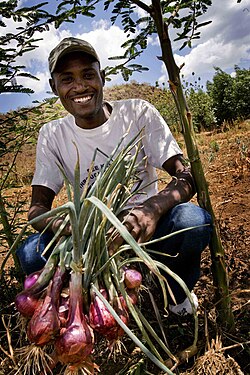
国際的な連携と支援
国連世界食糧計画(WFP)の「Fight Hunger: Walk the World」キャンペーンのような啓発活動や、開発援助を通じた教育・保健の向上、土地所有権の確立などが、農村部の貧困層を救う鍵となります。

食料安全保障の概要まとめ
| カテゴリー | 詳細内容 | 主なリスク/課題 |
|---|---|---|
| 構成要素 | 可用性、アクセス、利用、安定性、主体性、持続可能性 | 供給網の分断、経済的困窮 |
| 環境要因 | 気候変動、水不足、土地劣化、病害虫 | 異常気象による不作、生態系破壊 |
| 社会的要因 | ジェンダー格差、人種・民族的不平等、貧困 | 女性や子供への影響の集中 |
| 解決策 | 農業生産性向上、代替食、デジタル農業、国際援助 | インフラ整備の遅れ、政治的不安定 |
Frequently Asked Questions
食料安全保障と「飢餓」はどう違うのですか?
飢餓は極端な食料不足による身体的な飢えを指しますが、食料安全保障はより広い概念です。たとえ今すぐ飢えていなくても、栄養価の高い食品に安定してアクセスできず、将来的な供給不安を抱えている状態も「食料不安」に含まれます。
なぜ女性の方が食料不安に陥りやすいのでしょうか?
世界的に、女性は男性に比べて経済的な資源や土地所有権へのアクセスが制限されており、社会経済的な地位が低い傾向にあるためです。これにより、家庭内や社会的な食料分配において不利な状況に置かれやすくなります。
気候変動はどのように食料供給に影響しますか?
干ばつや洪水などの異常気象は作物を破壊し、水不足は灌漑を困難にします。また、気温上昇による病害虫の拡大や土地の劣化が進むことで、農業生産量が減少し、結果として食料価格の上昇を招きます。
食料安全保障を高めるために個人でできることはありますか?
フードロスの削減や、持続可能な方法で生産された食品を選択することが間接的に貢献します。また、世界的な飢餓問題への関心を持ち、国際的な支援団体をサポートすることも重要です。
代替食(昆虫食など)は本当に解決策になりますか?
昆虫は従来の家畜に比べて飼料や水の消費量が少なく、環境負荷が低いため、効率的なタンパク質源として期待されています。文化的な受容性は課題ですが、資源の有効活用という点では有力な選択肢の一つです。
References
- "Food Security in the United States: Measuring Household Food Security". USDA. Archived from the original on 22 November 2019. Retrieved 23 February 2008.
- "Food Security". FAO Agricultural and Development Economics Division. June 2006. Archived from the original on 15 May 2012. Retrieved 8 June 2012.[]
- Li, Zhi; Rosa, Lorenzo; (14 November 2025). "Severe floods significantly reduce global rice yields". Science Advances. 11 (46): –7799. :2025SciA...11x7799L. :10.1126/sciadv.adx7799. 12617518. 41237228.
- "The State of Food Insecurity in the World 2013. The multiple dimensions of food security" (PDF). FAO. Archived (PDF) from the original on 22 December 2018. Retrieved 26 November 2013.
- FAO (2009). Declaration of the World Food Summit on Food Security (PDF). Rome: Food and Agriculture Organization of the United Nations. Archived (PDF) from the original on 19 October 2018. Retrieved 15 October 2013.
- The State of Food Security and Nutrition in the World 2021: Transforming food systems for food security, improved nutrition and affordable healthy diets for all. In brief (2021 ed.). Rome: Food and Agriculture Organization of the United Nations. 2021. p. 5. :10.4060/cb5409en. .
- "Food security and nutrition: building a global narrative towards 2030" (PDF). High Level Panel of Experts Report 15: 7–11. 2020. Archived (PDF) from the original on 20 December 2022. Retrieved 15 January 2023.
- Food and Agriculture Organization (November 1996). "Rome Declaration on Food Security and World Food Summit Plan of Action". Archived from the original on 8 February 2019. Retrieved 26 October 2013.
- "1996 Summit on World Food Security Report". 1996 Summit on World Food Security Report.
- FAO (2025). World Food and Agriculture – Statistical Yearbook 2025. FAO. :10.4060/cd4313en. .
📸 フォトギャラリー