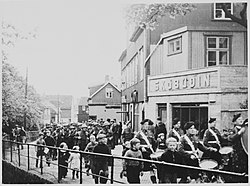
Everyday life in the Viking Age
← ホームへ戻る
フェロー諸島デンマーク王国北欧トースハウン自治領

フェロー諸島の歴史・地理・文化デンマーク王国自治領の全貌

🗓 2026年8月10日

北大西洋の荒波に囲まれ、ノルウェー、アイスランド、イギリスの中間に位置するフェロー諸島は、切り立った断崖と深いフィヨルドが織りなす絶景の群島です。デンマーク王国の一部でありながら高度な自治権を持つこの地は、独自の言語と伝統を大切にしながら、現代的な社会を築いています。

かつてバイキングが定住し、厳しい自然環境の中で生き抜いてきた人々は、今もなお海と共に生きる文化を継承しています。本記事では、この神秘的な諸島の地理的特徴から、複雑な歴史、そして現代の政治・経済までを詳しく解説します。
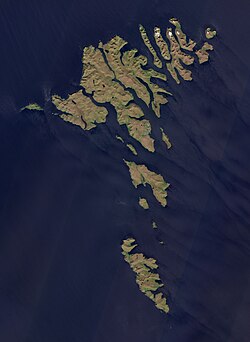
Satellite image of the Faroe Islands

Key Facts

  • 政治的地位: デンマーク王国に属する自治領。
  • 首都: トースハウン(Tórshavn)。
  • 公用語: フェロー語およびデンマーク語。
  • 主要産業: 漁業を中心とした経済構造。
  • 地理: 18の島々からなり、最高峰はスレッタラティンドゥル(880m)。
  • 人口: 約56,210人(2025年推計)。

地理と自然環境

フェロー諸島は、イギリス本土から約320km、アイスランドから約450kmという遠隔地に位置しています。地形は火山活動によって形成された玄武岩質の急峻な山々が特徴で、多くのフィヨルドが海岸線を複雑に切り裂いています。
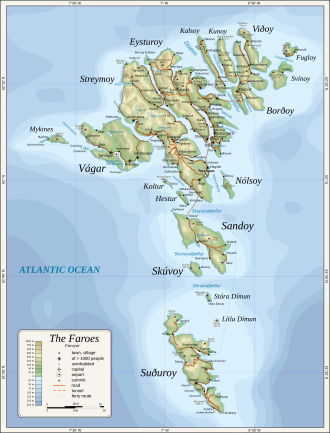
Relief map of the Faroe Islands

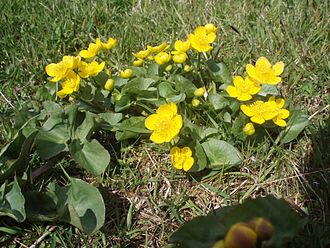
気候は北大西洋海流の影響を強く受け、高緯度でありながら冬でも極端な低温にはなりにくい海洋性気候です。しかし、天候の変化が非常に激しく、霧や雨が多いことで知られています。5月から6月にかけては、キンポウゲ(Caltha palustris)などの高山植物が咲き誇ります。
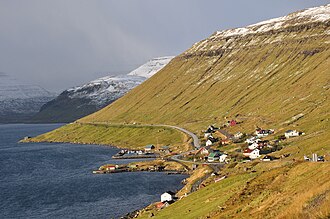
The village of Skipanes on Eysturoy, with murkier weather in the distance
Marsh marigold (Caltha palustris) is common in the Faroe Islands during May and June.

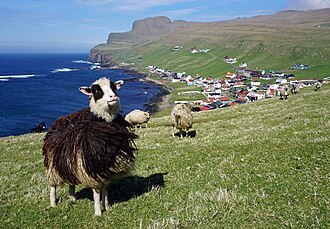
野生動物も豊富で、特にパフィン(ニシツノメドリ)などの海鳥が多く生息しており、これらは地域の生態系だけでなく、伝統的な食文化の一部にもなっています。また、島々の至る所でフェロー羊が放牧されており、風景の一部となっています。
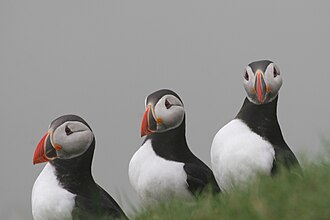
Atlantic puffins are very common and a part of the local cuisine: Faroese puffin.
Faroe sheep with the town of Sumba in the background

主要な山岳地帯

諸島内には標高800mを超える峰がいくつか存在し、特にアイストロイ島にあるスレッタラティンドゥル(880m)は最高峰として知られています。その他、グラーフェリやヴィリンガダルスフィヤルなどが険しい地形を形成しています。
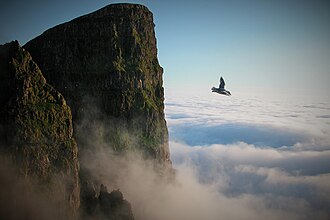
Beinisvørð, on the west coast of Suðuroy

歴史的変遷と政治体制

この地の歴史は9世紀初頭のバイキングによる定住から始まります。その後、11世紀頃にノルウェーとの連合体制に入り、14世紀末からはカルマル同盟を経てデンマーク・ノルウェー連合王国の一部となりました。1814年には正式にデンマークに統合されました。
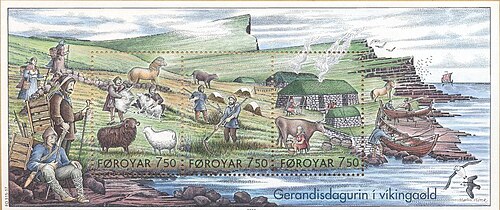
Everyday life in the Viking Age

20世紀に入ると自治への機運が高まり、1946年の住民投票を経て、1948年に「ホームルール(地方自治)」が確立されました。2005年にはさらに権限が拡大され、現在は外交や国防を除いた大部分の国内事項を自ら決定できる高度な自治権を有しています。
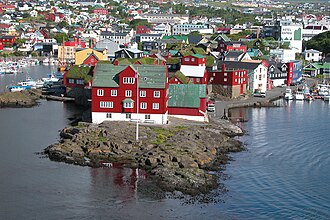
Tinganes in Tórshavn, seat of a part of the Faroese government

政治体制は立憲君主制の下にあり、デンマーク国王フレデリク10世を君主としつつ、地元ではロクティング(Løgting)と呼ばれる議会が立法を担っています。行政のトップはフェロー諸島首相が務めています。
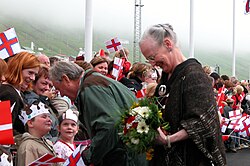
Queen Margrethe II during a visit to Vágur in 2005
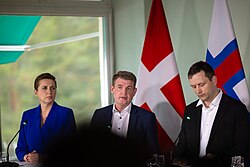
V. Johannesen meeting with Mette Frederiksen and Jens-Frederik Nielsen, 2025

社会と文化のアイデンティティ

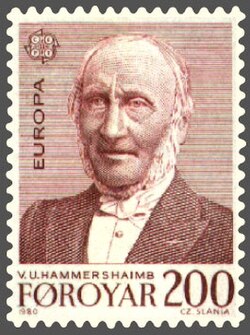
フェロー諸島の人々は、独自の言語であるフェロー語に強い誇りを持っています。19世紀には言語学者V.U.ハマーシャイムらによって言語の体系化が進められ、文学や詩の発展に寄与しました。また、キリスト教(フェロー諸島教会)が深く浸透しており、地域の精神的な支柱となっています。
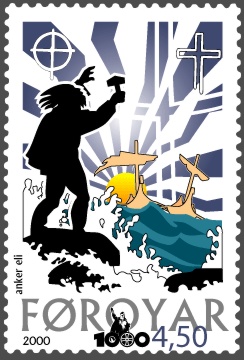
Faroese stamp by Anker Eli Petersen commemorating the arrival of Christianity in the islands
A stamp commemorating V. U. Hammershaimb, a 19th-century Faroese linguist and theologian
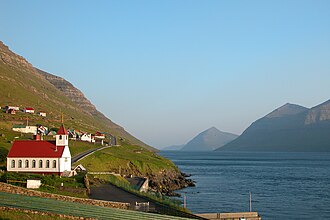
Church on the island of Kunoy

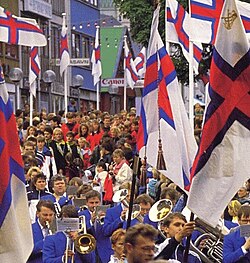
文化的な行事としては、毎年7月28日に行われる「オーラヴソーカ(Ólavsøka)」という祝祭が最大規模であり、伝統衣装を身にまとった人々によるパレードや民族舞踊が披露されます。
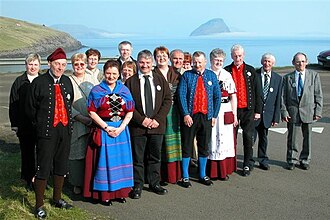
Faroese folk dancers, some of them in national costume
The annual Ólavsøka parade on 28 July 2005

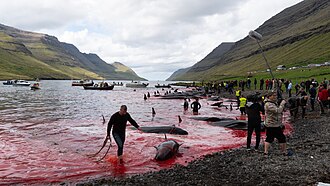
また、伝統的な鯨猟(グリンナドラップ)は、地域コミュニティの結束を強める伝統行事として今も行われていますが、国際的な議論の対象となることもあります。
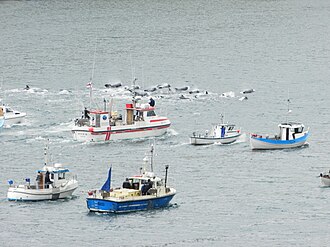
Boats driving a pod of pilot whales into a bay of Suðuroy in 2012
Whaling in Grindadráp, 2018

経済とインフラ

経済の基盤は伝統的に漁業にあり、高度な加工技術と輸出ルートを確立しています。近年では観光業の発展や、デジタルインフラの整備が進んでおり、生活水準は非常に高い水準(高い人間開発指数)を維持しています。

交通インフラにおいては、島々を繋ぐトンネルやフェリー網が整備されており、険しい地形を克服して物流と移動を確保しています。特に海底トンネルの建設は、地域間の結びつきを劇的に向上させました。
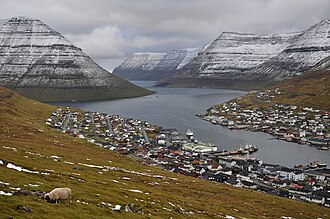
Klaksvík, on the island of Borðoy, is the Faroe Islands' second-largest town.
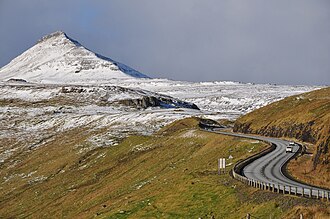
The road from Skipanes to Syðrugøta, on the island of Eysturoy
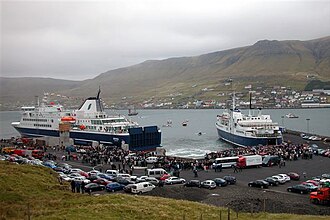
The ferry MS Smyril enters the Faroe Islands at Krambatangi ferry port in Suðuroy.
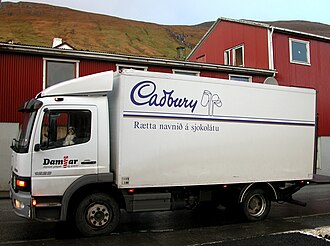
Truck delivering chocolate in the Faroe Islands

スポーツ面では、サッカーなどのチームスポーツが盛んであり、小規模な人口ながら国際大会で驚異的な結果を残すこともあります。また、水泳などの個人競技でも活躍する選手を輩出しています。
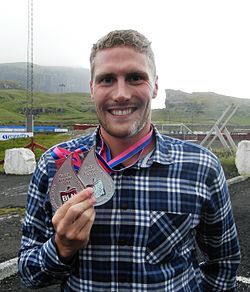
Pál Joensen, Faroese swimmer

基本データまとめ

フェロー諸島の概要
項目 詳細
総面積 1,393 km²
人口 56,210人(2025年推計)
GDP(名目) 約40.52億米ドル(2024年推計)
一人当たりGDP 74,119米ドル(2024年推計)
通貨 フェロー・クローネ / デンマーク・クローネ
主要都市 トースハウン、クラクスヴィーク
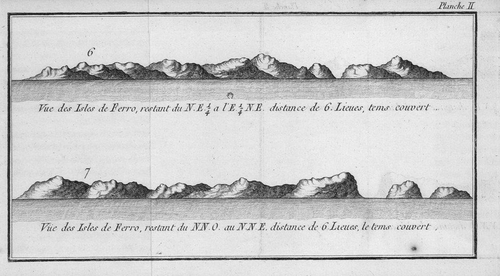
The Faroe Islands as seen by the Breton navigator Yves-Joseph de Kerguelen-Trémarec in 1767
British troops arrive in Tórshavn, 1940
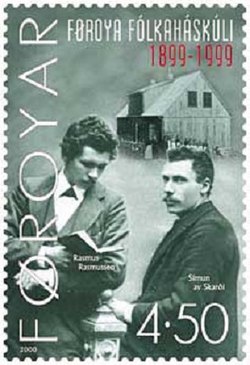
Rasmus Rasmussen, the writer who wrote the first novel in the Faroese language (poetical name: Regin í Líð), and Símun av Skarði, the poet who wrote the Faroese national anthem

Frequently Asked Questions

フェロー諸島は独立国ですか?

いいえ、独立国ではありません。デンマーク王国に属する自治領であり、外交や国防などの一部の権限はデンマーク政府が保持していますが、内政に関しては広範な自治権を持っています。

どのような言語が話されていますか?

公用語はフェロー語とデンマーク語です。日常的にはフェロー語が広く使われており、独自のアイデンティティの象徴となっています。

気候はどのような感じですか?

海洋性気候で、一年を通じて気温の変化が少なく、冬は比較的温暖ですが、夏も涼しいのが特徴です。非常に雨が多く、天候が変わりやすいため、防水対策が不可欠な地域です。

主要な産業は何ですか?

漁業が経済の中心です。魚介類の捕獲と加工、輸出が主要な収入源となっており、近年では自然景観を活かした観光業も成長しています。

どのような宗教が信仰されていますか?

主にキリスト教が信仰されており、フェロー諸島教会が地域の宗教的中心となっています。

References

  1. The national language of the Faroe Islands is Faroese. Danish is the official second language.
  2. (: Føroyar, pronounced ; : Færøerne )

📸 フォトギャラリー

Everyday life in the Viking Age
The Faroe Islands as seen by the Breton navigator Yves-Joseph de Kerguelen-Trémarec in 1767
British troops arrive in Tórshavn, 1940
Satellite image of the Faroe Islands
The village of Skipanes on Eysturoy, with murkier weather in the distance
Marsh marigold (Caltha palustris) is common in the Faroe Islands during May and June.
Atlantic puffins are very common and a part of the local cuisine: Faroese puffin.
Faroe sheep with the town of Sumba in the background
Beinisvørð, on the west coast of Suðuroy
Tinganes in Tórshavn, seat of a part of the Faroese government
Relief map of the Faroe Islands
Queen Margrethe II during a visit to Vágur in 2005
V. Johannesen meeting with Mette Frederiksen and Jens-Frederik Nielsen, 2025
Faroese stamp by Anker Eli Petersen commemorating the arrival of Christianity in the islands
A stamp commemorating V. U. Hammershaimb, a 19th-century Faroese linguist and theologian
Church on the island of Kunoy
Klaksvík, on the island of Borðoy, is the Faroe Islands' second-largest town.
The road from Skipanes to Syðrugøta, on the island of Eysturoy
The ferry MS Smyril enters the Faroe Islands at Krambatangi ferry port in Suðuroy.
Rasmus Rasmussen, the writer who wrote the first novel in the Faroese language (poetical name: Regin í Líð), and Símun av Skarði, the poet who wrote the Faroese national anthem
Truck delivering chocolate in the Faroe Islands
Boats driving a pod of pilot whales into a bay of Suðuroy in 2012
Whaling in Grindadráp, 2018
Pál Joensen, Faroese swimmer
Faroese folk dancers, some of them in national costume
The annual Ólavsøka parade on 28 July 2005