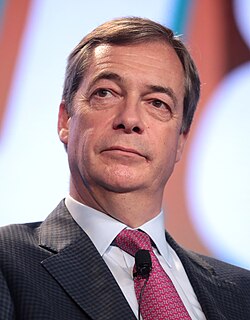
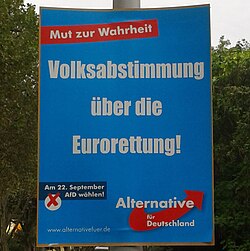
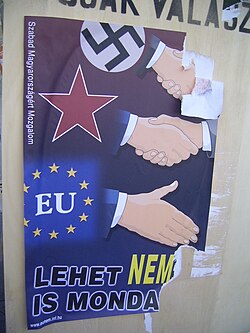
欧州連合(EU)という巨大な超国家組織に対し、そのあり方や統合の進展に疑問を投げかける視点があります。これが欧州懐疑主義(ユーロスセプティシズム)です。単なる反対運動ではなく、国家のあり方や民主主義の定義を巡る深い議論を含んでおり、欧州の政治情勢に多大な影響を与え続けています。
欧州懐疑主義の核心となる主な要因
EUへの不信感や懐疑的な見方は、主に以下のような懸念から生じています。
- 国家主権の侵害:統合が進むことで、個々の国が持つ独自の決定権や国家としての主権が損なわれるという懸念。
- 民主的正当性の欠如:EUの意思決定プロセスが不透明であり、エリート主導で進められているため、一般市民の意思が反映されにくいという批判。
- 官僚主義とコスト:膨大な事務手続きを伴う官僚的な組織構造や、EUへの拠出金などの財政的負担に対する不満。
- 移民問題:EUの開放的な政策が、高い水準の移民流入を促進しているという視点。
- 経済的格差と緊縮策:新自由主義的な組織として大企業の利益を優先し、労働者階級を軽視しているという主張や、経済危機時の緊縮財政への反発。
EUに対する肯定的な評価と現状
懐疑的な声がある一方で、多くの市民はEU加盟による恩恵を実感しています。ユーロバロメーター(Eurobarometer)の調査では、加盟国によって差はあるものの、多くの国でEU加盟が自国に利益をもたらしたと回答しています。
| 国名 | 肯定的な回答(%) | 肯定的評価と否定的評価の差 |
|---|---|---|
| ポルトガル | 68% | +61 |
| アイルランド | 66% | +56 |
| リトアニア | 58% | +52 |
| デンマーク | 59% | +50 |
| ドイツ | 42% | +25 |
| フランス | 33% | +5 |
EUを構成する多様な枠組み
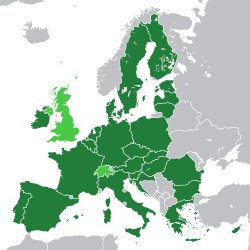
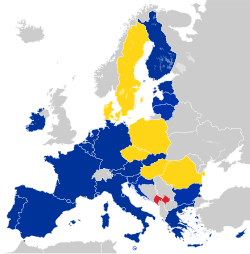
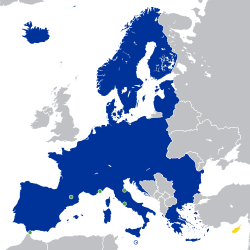
EUは単一の組織ではなく、目的や合意内容に応じて複数の異なる枠組みが重なり合って運用されています。これにより、加盟国は自国の状況に応じた関わり方を選択しています。
経済と通貨の統合
共通通貨ユーロを導入しているユーロ圏(Eurozone)があり、金融政策の統合が進んでいます。一方で、デンマークのようにユーロ導入を選択しない(オプトアウト)国も存在します。
移動の自由と国境管理
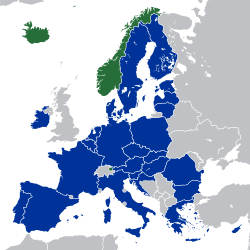
国境検問を廃止し、域内の自由な移動を実現しているのがシェンゲン協定(Schengen Area)です。これにはEU非加盟国(ノルウェーやスイスなど)も参加しています。
経済圏の拡大
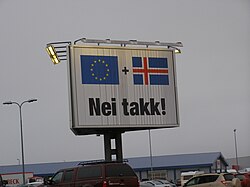
EU加盟国以外にも、単一市場へのアクセスを可能にする欧州経済領域(EEA)という枠組みがあり、アイスランドやノルウェーなどが含まれます。
Key Facts
- 欧州懐疑主義は、主権の喪失、民主主義の欠如、官僚主義、移民問題などを主な理由としている。
- EU加盟の利益については、ポルトガルやアイルランドなどで非常に高い肯定率が見られる。
- ユーロ圏、シェンゲン協定、EEAなど、統合のレベルに応じた複数の異なる枠組みが併存している。
- 欧州議会選挙などを通じて、懐疑派の政治勢力が各国の国内政治およびEUレベルの政治に影響を与えている。
Frequently Asked Questions
欧州懐疑主義(ユーロスセプティシズム)とは何ですか?
EUの統合プロセスや、EUという組織そのものに対して批判的、あるいは懐疑的な見方を持つ政治的・社会的な傾向のことです。
なぜEUに反対する人々がいるのですか?
主な理由は、自国の主権がEUに奪われることへの不安や、EUの意思決定が市民から離れたエリートによって行われているという不満、また移民増加や経済的な緊縮策への反発などが挙げられます。
すべてのEU加盟国がユーロを使っていますか?
いいえ。ユーロを導入しているのは「ユーロ圏」と呼ばれる国々のみです。デンマークのように、あえて導入しない選択をした国もあります。
シェンゲン協定とEUの違いは何ですか?
EUは政治・経済的な包括的な統合組織ですが、シェンゲン協定は主に「国境検問の廃止」という移動の自由に特化した合意です。そのため、EUに加盟していなくてもシェンゲン協定に参加している国があります。
EUから脱退することは可能ですか?
はい。リスボン条約の第50条に基づいた手続きを行うことで脱退が可能です。実際にイギリスがこの手続きを経てEUを離脱(ブレグジット)しました。
References
- "EU-Scepticism vs. Euroscepticism. Re-assessing the Party Positions in the Accession Countries towards EU Membership" in Laursen, Finn (ed.) EU Enlargement: Current Challenges and Strategic Choices, Bruxelles: Peter Lang.
- Kirk, Lisbeth (22 June 2011). "EU scepticism threatens European integration". EU Observer. Retrieved 1 February 2016.
- Therése Hultén "Swedish EU-Scepticism: How is it Compatible with the Support for Enlargement?"
- "Marine Le Pen's Real Victory". , 7 May 2017.
- Erkanor Saka (2009). Mediating the EU: Deciphering the Transformation of Turkish Elites (PhD Thesis). Rice University. p. 202. . Retrieved 9 March 2016.[]
- Matthew (26 October 2011). "Why anti-EUism is not left-wing". Workers' Liberty. Alliance for Workers' Liberty. Retrieved 31 January 2016.
- , pp. 4–6.
- .
- Kopel, David, Silencing opposition in the EU, Davekopel.org, archived from the original on 29 December 2016, retrieved 18 February 2015
- Hannan, Daniel (14 November 2007). "Why aren't we shocked by a corrupt EU?". The Daily Telegraph. London. Archived from the original on 12 January 2022. Retrieved 2 May 2010.(
📸 フォトギャラリー
![Percentage responding that their country on balance benefited from being a member of the EU at Eurobarometer 2023:[51] 91–100% 81–90% 71–80% 61–70% 51–60%](/images/66/e6/66e63a89bbaf38315e83f62314469995961e31a7a9c13be16015ff218cc1fde4.png)




![Geert Wilders, leader of the Party for Freedom, a hardline Dutch Eurosceptic party that has been criticised as anti-Polish and Islamophobic[185][186]](/images/6f/ae/6faecbdf6b31199d753a4f318e38eb83255de452a0346c3a9cd24560c2d41d80.jpg)