ヨーロッパは、広大な大地と多様な文化、そして複雑な歴史が交錯する地域です。単なる地理的な区分を超え、政治、経済、文化的なアイデンティティとして定義されてきたこの地は、人類の歴史に計り知れない影響を与えてきました。本記事では、ヨーロッパの概念的な定義から、古代から現代に至る激動の歴史、そして特有の自然環境について詳しく解説します。
ヨーロッパという概念の定義
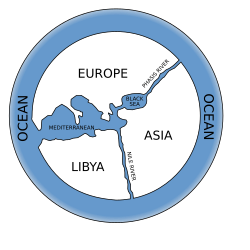
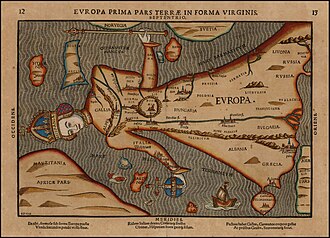
「ヨーロッパ」という言葉の定義は、時代とともに変遷してきました。紀元前6世紀のアナクシマンドロスによる初期の世界地図では、既知の世界を3つの大きな陸地に分けており、その一つがヨーロッパと呼ばれていました。
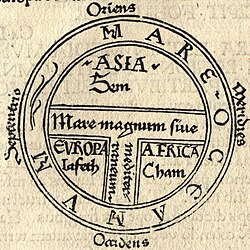
中世には、ノアの息子たちがそれぞれアジア、ヨーロッパ、アフリカを統治したという宗教的な世界観に基づく「T-Oマップ」が普及しました。
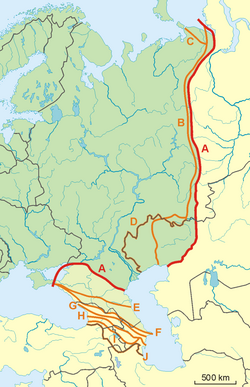
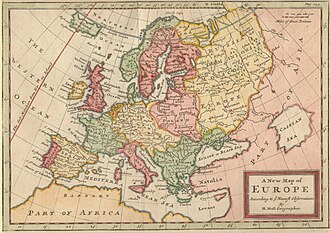
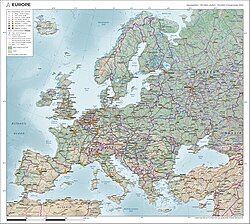
現代におけるアジアとの境界線は、主にウラル山脈とコーカサス山脈によって定義されていますが、歴史的にはドン川やオビ川などの河川を境界とする考え方も存在しました。このように、ヨーロッパの範囲は物理的な地形だけでなく、文化的な合意によって形作られてきたといえます。
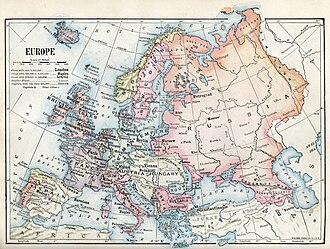
ヨーロッパの歴史的変遷
先史時代から古典古代まで
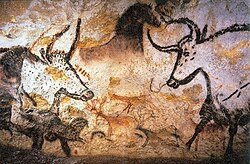
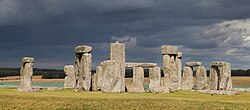
ヨーロッパの歴史は、氷河期の避難所(レフュジア)に生き延びた人類から始まります。その後、ラスコーの洞窟壁画に代表される旧石器時代の芸術や、ストーンヘンジのような新石器時代の巨石文化が花開きました。
![Last Glacial Maximum refugia, c. 20,000 years ago Solutrean culture Epigravettian culture[52]](/images/c8/14/c814c15f38ec4989f3b16fcc63d60f9ae83a395e794b1a6b83030b9505336885.png)
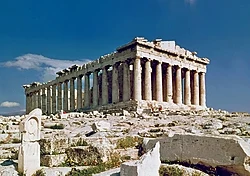
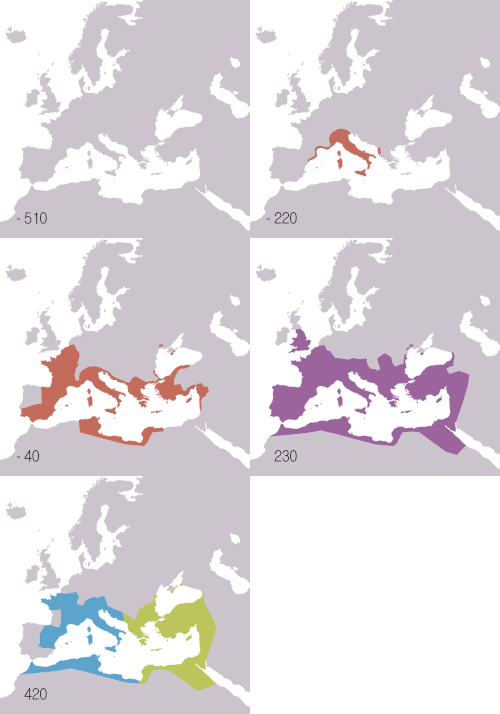
古典古代に入ると、アテネのパルテノン神殿に象徴されるギリシャ文明や、地中海世界を席巻したローマ帝国が登場します。ローマの拡大と分裂は、後のヨーロッパの国家形成に決定的な影響を与えました。
中世から近世へ
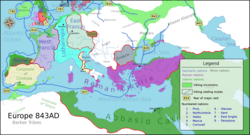
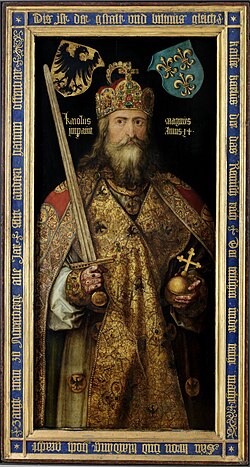
中世初期には、フランク王国のカール大帝が広大な領土を統治し、「ヨーロッパの父」として後の国家の基礎を築きました。その後、バイキングの侵攻やヴェルダン条約による帝国の分割を経て、封建社会へと移行します。
中世後期には、イタリアの海事共和国が地中海貿易を支配し、アジアやアフリカとの接触を再開させました。また、十字軍遠征などの宗教的・軍事的衝突も頻発しました。
![The maritime republics of medieval Italy reestablished contacts between Europe, Asia and Africa with extensive trade networks and colonies across the Mediterranean, and had an essential role in the Crusades.[97][98]](/images/5d/70/5d70b2a891597ab1b9f0eb58f12b4660180f9a6d2a425a893a5f648a1c5b0ade.png)
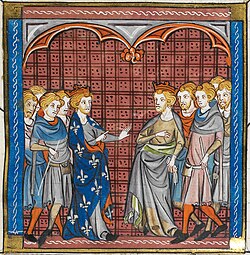
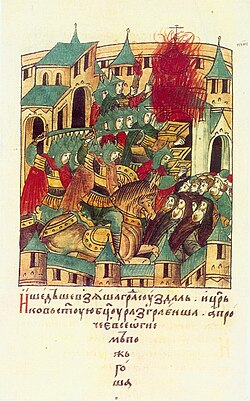
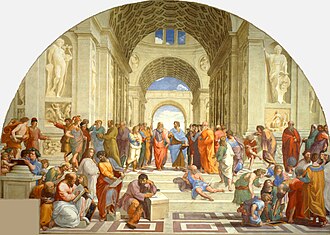
13世紀にはモンゴル帝国の侵攻を受け、東欧地域は甚大な被害を受けました。その後、ルネサンス期に入ると、人間中心主義(ヒューマニズム)に基づいた芸術や科学が飛躍的に発展しました。
近代から現代まで
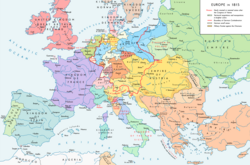
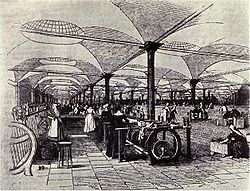
近世にはハプスブルク家が強大な権力を握り、ヨーロッパの政治地図を塗り替えました。19世紀にはウィーン会議によって国境が再編され、同時にイギリスで始まった産業革命が社会構造を根本から変えました。
![Habsburg dominions in the centuries following their partition by Charles V, Holy Roman Emperor. The principal military base of Philip II in Europe was the Spanish road stretching from the Netherlands to the Duchy of Milan.[148]](/images/6b/75/6b75e5635968f5c450ff6d10508d61e6be39125b8a77079e7772c21421b6570c.png)
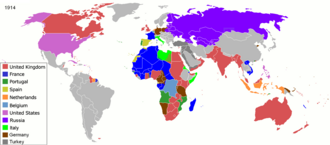
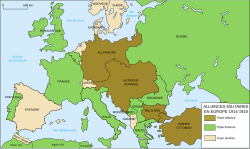
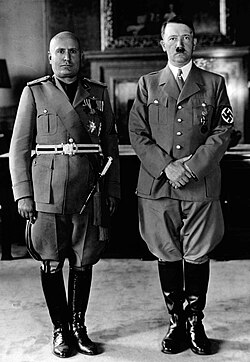
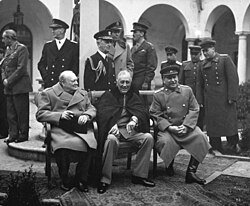
20世紀は、二度の世界大戦という未曾有の悲劇に見舞われた時代です。植民地帝国の拡大から、第一次世界大戦による崩壊、そしてナチス・ドイツによる第二次世界大戦へと突き進みました。戦後はヤルタ会談などを経て冷戦構造へと移行し、ベルリンの壁の崩壊によって再び統合への道が開かれました。
![Serbian war efforts (1914–1918) cost the country one quarter of its population.[196][197][198][199][200]](/images/0a/84/0a84ee72ad4e208ef51db8a773749df8bb63ca283453ef2711adf55fc4933996.jpg)
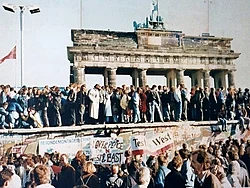
現代では、欧州評議会や欧州連合(EU)などの組織を通じて、政治的・経済的な統合が進んでいます。
![Flag of Europe, adopted by the Council of Europe in 1955 as the flag for the whole of Europe[223]](/images/cc/30/cc30ec5871768a2ce28172f077df4577f58e6548dc207ef54adec4c432d6060e.webp)
自然環境と地理的特徴
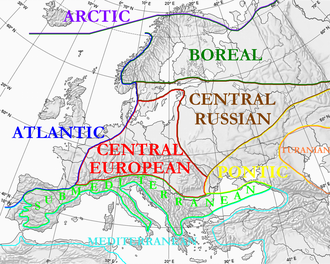
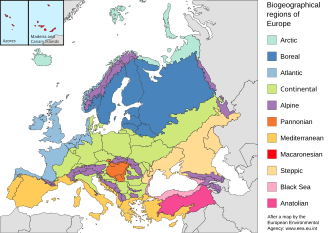
ヨーロッパの地形は非常に多様で、北部のツンドラから南部の地中海沿岸まで幅広い環境が存在します。気候は一般的に温帯に属しますが、地域によって大きな差があります。
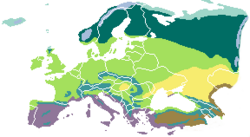
![Köppen-Geiger climate classification map for Europe[242]](/images/b8/94/b894faff2d4883ffa05ac2848d31c0f8134b3dd54daa4c1fd0d4619a9b370180.webp)
近年では、気候変動による平均気温の上昇が顕著であり、多くの都市で20世紀平均を上回る気温が記録されています。
![Increase of average yearly temperature (2000–2017) above the 20th century average in selected cities in Europe [244]](/images/c1/11/c11135272ec25dad99416f2534631f94a50c980061fd6d52d08a83eec7b2cdfa.png)
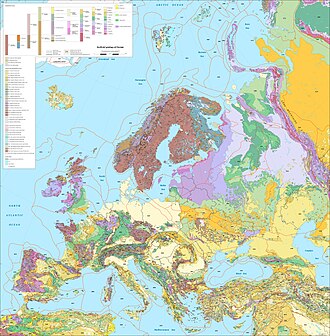
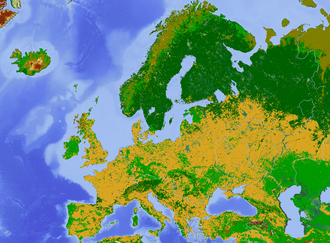
地質学的には複雑な構造を持ち、土地利用は耕作地、森林、牧草地、そして北部の湿地帯やツンドラに分かれています。また、かつてユーラシアの森林を闊歩していたヨーロッパバイソンなどの野生動物は、現在では保護区でのみ生存しています。
![Once roaming the great temperate forests of Eurasia, European bison now live in nature preserves in Białowieża Forest, on the border between Poland and Belarus.[254][255]](/images/f1/04/f104e5ee8ad4ce3344c4d1f4f178d8ae79c146b1c1035eb5fc42ad16b6b1a6e3.jpg)
政治・経済と社会構造
ヨーロッパには多くの主権国家が存在し、EU加盟国を中心に緊密な連携を図っています。経済的には、ドイツ、イギリス、フランスなどが高いGDPを誇り、世界的に強力な経済圏を形成しています。特にユーロ圏の導入は、経済統合の象徴となっています。
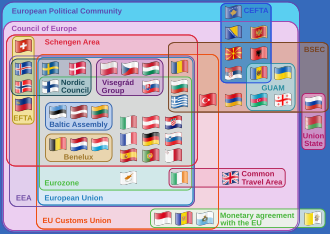
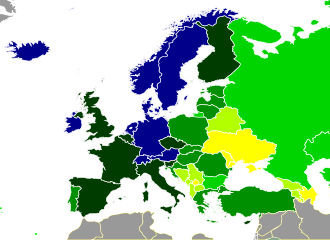
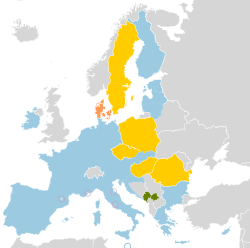
社会面では、民主主義が深く根付いていますが、地域によってその成熟度には差があります。また、鉱業などの資源産業が経済の柱となっている地域(コソボなど)も存在します。
![Democracy in Europe according to 2026 V-Dem Electoral Democracy Index with dark blue more democratic and dark red less democratic[257]](/images/8d/2a/8d2a364450e4dc98b38433c23dbbf485f665e49f929bed247caac171ac19f8e9.webp)
![One of Kosovo's main economical sources is mining, because it has large reserves of lead, zinc, silver, nickel, cobalt, copper, iron and bauxite.[276] Miners at the Trepča Mines in Mitrovica, Kosovo in 2011.](/images/77/8e/778e1a5c977f54711e501d1b9813636a20d07dcebd9f2288f49cfe86016bfbc6.jpg)
人口動態としては、緩やかな増加傾向にある地域がある一方で、高齢化や移民の流入といった課題に直面しています。
![Population growth in and around Europe in 2021[283]](/images/44/e4/44e4c6b5cb23606085e2e4a4f021521ef257de2c6ae3b19ddb61be5bc76e4294.webp)
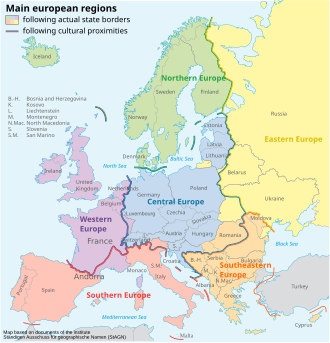
文化的な境界線は、国家の枠組みとは必ずしも一致せず、言語や宗教、歴史的背景に基づいた複雑な区分が存在します。
Key Facts
- 面積: 約1,018万平方キロメートル(世界第6位)
- 人口: 約7億4,500万人(2021年時点、世界第3位)
- 主要宗教: キリスト教(76.2%)が主流だが、無宗教(18.3%)やイスラム教(4.9%)も存在する
- 経済規模: GDP (PPP) では世界第2位の経済圏を形成
- 主要言語: ロシア語、ドイツ語、フランス語、英語、イタリア語、スペイン語などが広く話されている
ヨーロッパの基本データまとめ
| 項目 | 数値・詳細 | 世界順位/備考 |
|---|---|---|
| 総面積 | 約10,186,000 km² | 第6位 |
| 総人口 | 745,173,774人 | 第3位 |
| 人口密度 | 72.9人/km² | 第2位 |
| 名目GDP | 28.22兆ドル (2025年予測) | 第3位 |
| 人間開発指数 (HDI) | 0.845 | 高水準 |
Frequently Asked Questions
ヨーロッパとアジアの境界はどこですか?
現代の一般的な定義では、東側の境界線はウラル山脈とコーカサス山脈によって分けられています。ただし、歴史的には河川(ドン川など)を境界とする考え方もありました。
ヨーロッパで最も影響力のあった歴史的人物の一人は誰ですか?
多くの歴史家がカール大帝を挙げています。彼は中世ヨーロッパの領土拡大と文化形成に寄与し、「ヨーロッパの父」と呼ばれています。
ヨーロッパの経済的な統合はどうなっていますか?
欧州連合(EU)という枠組みを通じて政治・経済的な統合が進んでおり、特に「ユーロ」という共通通貨を導入したユーロ圏の存在が大きな特徴です。
ヨーロッパの気候の特徴は何ですか?
北部の寒冷なツンドラやタイガから、南部の温暖な地中海性気候まで非常に多様です。しかし、近年は地球温暖化の影響で平均気温が上昇傾向にあります。
ヨーロッパの主要な宗教は何ですか?
キリスト教が人口の約76.2%を占め、圧倒的に主流です。次いで無宗教者が多く、イスラム教などの他宗教も共存しています。
📸 フォトギャラリー