Eos by Evelyn De Morgan (1895)
← ホームへ戻る
エオスギリシャ神話暁の女神オーロラティトノス

エオスギリシャ神話における暁の女神

🗓 2026年8月11日

夜が明け、世界に光が戻る瞬間を司るのが、ギリシャ神話の暁の女神エオスです。彼女は単なる自然現象の擬人化ではなく、情熱的な愛と悲劇的な別れを繰り返す、非常に人間味あふれる神として描かれています。空を住処とし、黄金の光とともに一日の始まりを告げる彼女の存在は、古代の人々にとって希望と再生の象徴でした。

エオスは、ローマ神話ではオーロラとして知られており、インド・ヨーロッパ語族の共通のルーツを持つ暁の女神(H₂éwsōs)や、ヒンドゥー教のウシャスとも深く結びついています。
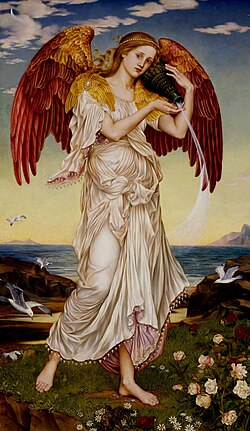
Eos by Evelyn De Morgan (1895)

Key Facts

  • 役割: 暁(夜明け)の擬人化であり、新しい一日の到来を告げる神。
  • 家族: ティタン神族のヒュペリオンとテイアの娘。太陽神ヘリオスと月神セレネの姉妹。
  • 象徴: サフラン色の衣、バラ、ティアラ。
  • 移動手段: 2頭または4頭の馬が引く戦車で空を駆ける。
  • 主な物語: ティトノスやケパロスといった人間への激しい恋心と、それに伴う悲劇。

神聖なる血統と属性

エオスは、光のティタンであるヒュペリオンとテイアの間に生まれました。彼女の兄弟であるヘリオス(太陽)とセレネ(月)とともに、天界の光を司る三柱の神として君臨しています。彼女のイメージカラーは、夜明けの空を象徴する赤、白、ピンク、そしてサフラン色やゴールドです。

彼女はしばしば、星が散りばめられたローブを身にまとい、地上に朝露を振りまく姿で描かれます。その美しさと輝きは、あらゆる神々の中でも際立っており、芸術作品では優雅な戦車に乗る姿が一般的です。
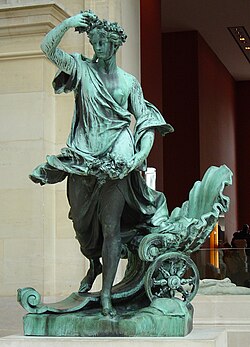
L' Aurore, 1693 bronze statue of Eos by Philippe Magnier (1647–1715), on display at Louvre Museum, France.

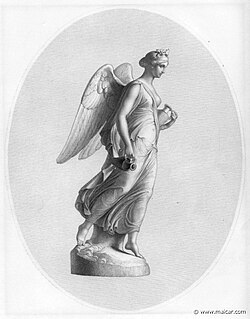
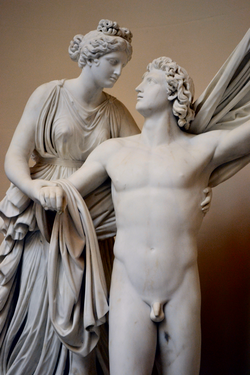
Eos, Sig. Guglielmi's drawing of a statue of Aurora by John Gibson (1790–1866).

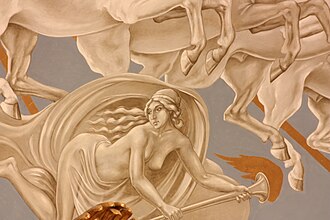
Eos in front of the chariot of the Sun, Wiesbaden Kurhaus.

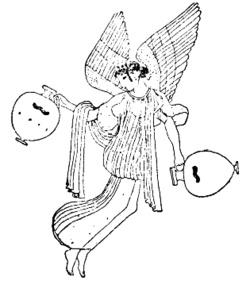
Eos pouring the morning dew dressed in a starsprinkled robe, from an antique vase

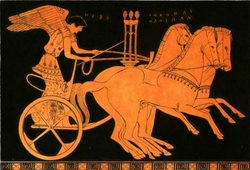
Eos in her chariot, red-figure pot

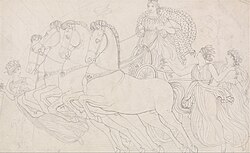
Eos the Morn, engraving by John Flaxman.

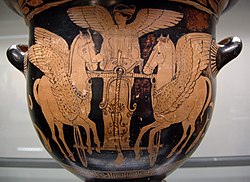
Eos in her chariot flying over the sea, red-figure krater from Southern Italy, 430–420 BC, Staatliche Antikensammlungen

情熱的な愛と悲劇の物語

エオスは、神としての威厳を持ちながらも、地上の美しい若者に心を奪われる情熱的な一面を持っていました。彼女の物語の多くは、抗えない愛による「略奪」と、その後の切ない結末に彩られています。

ティトノスとの永遠の孤独

エオスが最も深く愛したのが、トロイアの王子ティトノスでした。彼女はゼウスに願い出て、彼に「永遠の命」を与えさせましたが、重要な点である「永遠の若さ」を求めることを忘れました。その結果、ティトノスは老い続けるだけで死ぬことができなくなり、最終的には限りなく小さく衰え、悲劇的な運命を辿ることとなりました。
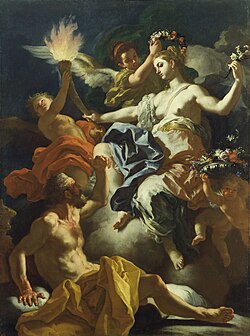
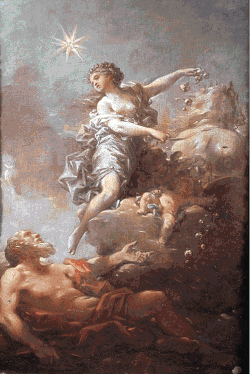
Aurora Taking Leave of Tithonus by Francesco Solimena, oil on canvas, 1704, J. Paul Getty Museum.

Eos and Tithonus, by Julien Simon, 1783, Musée des Beaux-Arts de Caen.

ケパロスへの執着

また、エオスは美しい青年ケパロスにも心を奪われ、彼を強引に連れ去りました。このエピソードは、彼女の愛が時に強制的で、相手の意思を無視したものであることを示しています。
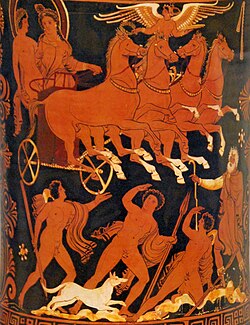
The rape of Cephalus by Eos, Apulian red-figure Loutrophoros, ca. 330 BC

Cephalus and Aurora, John Flaxman, 1789–90, Lady Lever Art Gallery.

戦いと喪失における役割

エオスは恋愛物語だけでなく、神々の大きな戦いであるギガントマキア(神々と巨人の戦い)にも参加しました。また、トロイア戦争においては、息子であるエチオピアの王メムノンがアキレウスに敗れて戦死した際、深い悲しみに暮れて涙を流したと伝えられています。この母としての深い情愛は、多くの芸術作品で「メムノンのピエタ」として表現されています。
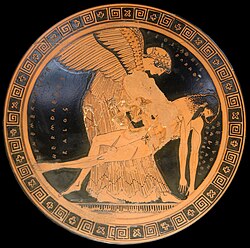
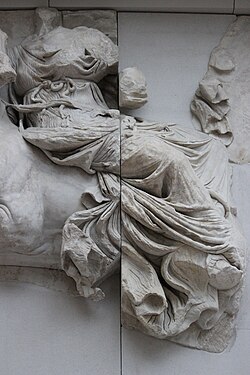
Eos and the slain Memnon on an Attic red-figure cup, ca. 490–480 BCE, the so-called "Memnon Pietà" found at Capua (Louvre).

Eos riding sidesaddle, detail of the Gigantomachy frieze, Pergamon Altar, Pergamon museum, Berlin

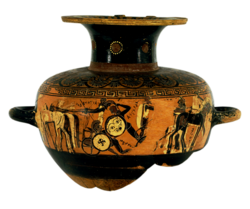
The fight of Achilles and Memnon, in the presence of their mothers Thetis and Eos, late Corinthian Black-Figure hydria, circa 575-550 BC, now in the Walters Art Museum.

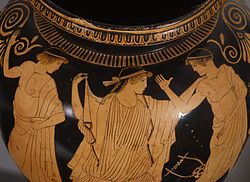
Eos with two young men, red-figure stamnos, ca 470–460 BC, now in the Walters Art Museum.

エオスの基本データまとめ

エオスの属性一覧
項目 詳細
ヒュペリオン、テイア
兄弟 ヘリオス(太陽)、セレネ(月)
配偶者・恋人 アストラエオス、オリオン、ケパロス、ティトノス、アレスなど
象徴物 サフラン色のマント、バラ、ティアラ
聖なる動物 馬、セミ
ローマ名 オーロラ (Aurora)

Frequently Asked Questions

エオスとオーロラの違いは何ですか?

本質的に同じ神です。エオスは古代ギリシャ神話における名称であり、オーロラはそれを継承したローマ神話における名称です。

なぜティトノスは不幸な結末を迎えたのですか?

エオスがゼウスに願った際、「不死(死なないこと)」のみを求め、「不老(老いないこと)」を願い忘れたため、彼は永遠に老い続けるという残酷な運命を背負いました。

エオスの象徴である「サフラン色」にはどのような意味がありますか?

サフラン色は、夜明けの空に広がる黄金色やオレンジ色の光を表現しており、彼女がもたらす新しい一日の始まりと輝きを象徴しています。

エオスはどのような神々と親戚関係にありますか?

彼女はティタン神族の出身で、太陽神ヘリオスと月神セレネの姉妹です。また、風の神アストラエオスとの間には星々が生まれました。

エオスに捧げられた神殿は多かったのでしょうか?

彼女自身が語っているように、他の主要な神々に比べると、彼女に捧げられた神殿や聖域は世界的に見ても非常に稀であるとされています。

References

  1. Foreign scholars interpret this name as "matinal", "matutino", "mañanero", meaning "of the early morning", "of the dawn".
  2. Also found on the KN Dv 1462 tablet from .
  3. and both give their birth order as first /, then / and lastly Eos/. makes her the oldest child (with Selene as the youngest) as does the author of Helios's (with Helios as the youngest).
  4. The first modern printing of the complete poem was published in two sections by Michael Gronewald and Robert W. Daniel in Zeitschrift für Papyrologie und Epigraphik vol. 147, pp. 1–8, and vol. 149, pp. 1–4 (2004); an English translation by is printed in the Times Literary Supplement, 21 or 24 June 2005. The right half of this poem was previously found in fragment 58 L-P. The fully restored version can be found in M. L. West, "The New Sappho", in Zeitschrift für Papyrologie und Epigraphik, vol. 151, pp. 1–9 (2005).

📸 フォトギャラリー

Eos by Evelyn De Morgan (1895)
L' Aurore, 1693 bronze statue of Eos by Philippe Magnier (1647–1715), on display at Louvre Museum, France.
Eos, Sig. Guglielmi's drawing of a statue of Aurora by John Gibson (1790–1866).
Eos in front of the chariot of the Sun, Wiesbaden Kurhaus.
Aurora Taking Leave of Tithonus by Francesco Solimena, oil on canvas, 1704, J. Paul Getty Museum.
Eos pouring the morning dew dressed in a starsprinkled robe, from an antique vase
Eos and Tithonus, by Julien Simon, 1783, Musée des Beaux-Arts de Caen.
The rape of Cephalus by Eos, Apulian red-figure Loutrophoros, ca. 330 BC
Cephalus and Aurora, John Flaxman, 1789–90, Lady Lever Art Gallery.
Eos and the slain Memnon on an Attic red-figure cup, ca. 490–480 BCE, the so-called "Memnon Pietà" found at Capua (Louvre).
Eos riding sidesaddle, detail of the Gigantomachy frieze, Pergamon Altar, Pergamon museum, Berlin
The fight of Achilles and Memnon, in the presence of their mothers Thetis and Eos, late Corinthian Black-Figure hydria, circa 575-550 BC, now in the Walters Art Museum.
Eos in her chariot, red-figure pot
Eos with two young men, red-figure stamnos, ca 470–460 BC, now in the Walters Art Museum.
Eos the Morn, engraving by John Flaxman.
Eos in her chariot flying over the sea, red-figure krater from Southern Italy, 430–420 BC, Staatliche Antikensammlungen