古代ギリシャ文学の金字塔であり、西洋文化の根源とも言われるオデュッセイアは、紀元前8世紀頃に詩人ホメロスによって編まれたとされる壮大な叙事詩です。トロイア戦争という未曾有の大戦を終えた英雄オデュッセウスが、故郷イタカへと戻るまでの10年にわたる困難な旅路と、彼を待ち続ける家族の葛藤が描かれています。
この作品は単なる冒険物語ではなく、人間の知恵、忍耐、そして「家への帰還(ノストス)」という普遍的なテーマを深く掘り下げており、現代に至るまで映画や小説、音楽などあらゆる芸術形式に影響を与え続けています。
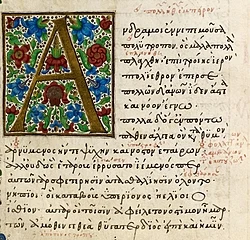
Key Facts
- 作者: ホメロス(伝承による)
- 成立時期: 紀元前8世紀頃
- 形式: ダクティロス六歩格を用いた叙事詩(全12,109行)
- 言語: ホメロス風ギリシャ語
- 主要テーマ: 帰還、知恵、客人のもてなし(クセニア)、家族の絆
物語の構造と展開
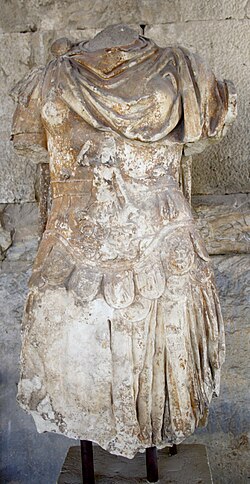
物語は、トロイア戦争終結から10年が経過した時点から始まります。主人公オデュッセウスは、海神ポセイドンの怒りを買い、未知の海域をさまよっています。一方、イタカでは妻のペネロペと息子テラマコスが、オデュッセウスの生存を信じながらも、財産と妻を狙う求婚者たちに悩まされていました。
知恵と勇気による試練
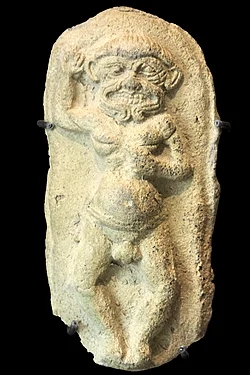
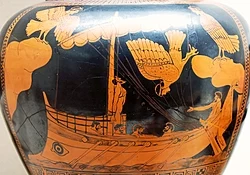
オデュッセウスの旅は、超自然的な存在との遭遇の連続でした。彼は、単眼の巨人ポリュペモスを機転で欺き、甘い歌声で船乗りを惑わすセイレーンを退け、魔女キルケの術に抗いました。これらのエピソードは、武力よりも知略が困難を乗り越える鍵となることを示しています。
故郷への帰還と正義の執行
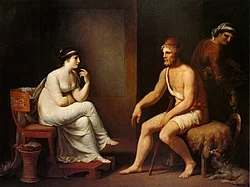
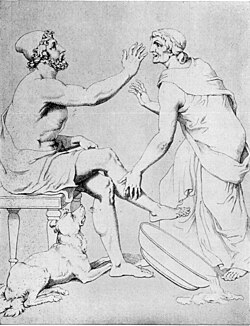
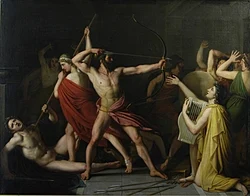
数々の苦難を経てイタカに辿り着いたオデュッセウスは、正体を隠して自らの家に戻ります。彼は忠実な僕や息子と協力し、家を乗っ取ろうとしていた求婚者たちを一人残らず排除するという劇的な復讐を果たしました。最終的に、妻ペネロペとの再会によって、崩壊しかけていた家庭の秩序が回復します。
文学的特徴と歴史的背景
オデュッセイアは、物語の途中で過去を回想する「イン・メディアス・レス(物語の途中から開始)」という手法を用いており、読者を一気に物語の世界へ引き込みます。また、登場人物に添えられる定型的な形容詞(エピセット)などの口承文学的な特徴が色濃く残っています。
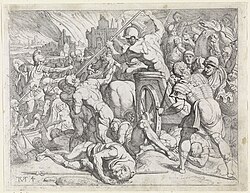
歴史的な視点からは、この作品が描く世界観は後期青銅器時代のマイケーネ文明の記憶を反映していると考えられています。トロイアの遺跡(ヒサルリク)の発見など、考古学的な研究によって、物語の背景にある歴史的事実の検証が続けられています。
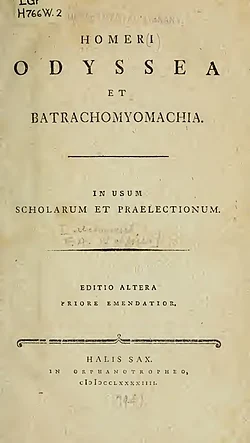
後世への影響とレガシー
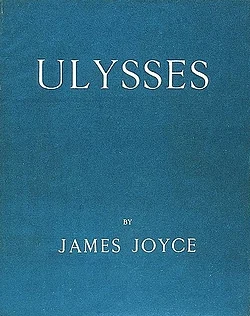
本作は、ジェイムズ・ジョイスの小説『ユリシーズ』に代表されるように、近代文学においても「精神的な旅」や「アイデンティティの探求」の象徴として再解釈され続けています。また、映画やオペラ、ビデオゲームなど、メディアを問わずそのプロットは引用され、世界中で愛されています。
作品概要まとめ
| 項目 | 詳細 |
|---|---|
| ジャンル | 叙事詩(エピック) |
| 主要登場人物 | オデュッセウス、ペネロペ、テラマコス、アテナ、ポセイドン |
| 物語の舞台 | 地中海各地、イタカ島 |
| 先行作品 | 『イリアス』 |
| 重要な概念 | クセニア(客人のもてなし)、ノストス(帰還) |
Frequently Asked Questions
オデュッセイアとイリアスの違いは何ですか?
『イリアス』がトロイア戦争中の激しい戦闘と英雄たちの怒りを描いた「戦争の物語」であるのに対し、『オデュッセイア』は戦争後の帰還と個人の生存、そして家庭の回復を描いた「旅と再生の物語」です。
「ホメロスの問題」とは何のことですか?
ホメロスという一人の人物が本当にこの膨大な叙事詩をすべて執筆したのか、あるいは口承で伝えられてきた多くの物語を後世の編集者がまとめたものなのかという、作者の正体に関する学術的な論争のことです。
物語に登場する「クセニア」とはどのような習慣ですか?
古代ギリシャにおける「客人とホストの間の相互的な礼儀」を指します。見知らぬ旅人を温かく迎え入れることは神聖な義務とされており、このルールを破ることは物語の中でしばしば破滅の原因として描かれます。
オデュッセウスは実在した人物なのでしょうか?
歴史的な実在を証明することは困難ですが、トロイア戦争自体は実際に起きたと考えられており、オデュッセウスのような指導者が存在した可能性は十分にあります。彼は神話化された英雄としての側面が強い人物です。
References
- Inscribed on a clay cup found in , Italy, are the words "Nestor's cup, good to drink from".. Some scholars, such as , have tied this cup to a description of King Nestor's golden cup in the Iliad. If the cup is an allusion to the Iliad, that poem's composition can be dated to at least 700–750 BC.
- Papyri containing fragments of the Odyssey have been discovered in Egypt, preserved by the dry climate; these date to the 3rd century BC and differ from medieval versions.
- These include the pairing of with adjectival ; , and .
- Calling these parts 'books' is .
- The ranged from 20 to 26 letters during the Homeric period.
- This observation is known as "Monro's law" after .
- During the , the Moderns found long Homeric similes so displeasing that they named them comparisons à longue queuë ("long-tailed similes").
- These libraries were rivals in the early second century BC. Alexandria saw a scholarly exodus due to internal political disagreements. The took control of the Pergamon in 133 BC.
- This interpretative principle was notably employed by ; whether the actual maxim used by Porphyry, Hómēron ex Homḗrou saphēnízein (to explain Homer from Homer—namely, do not look elsewhere for explanation), can also be attributed to Aristarchus is the subject of ongoing debate.
- City editions were variously called ekdoseis kata poleis, apo tōn poleōn, or politikai; individual editions were ekdoseis kat'andra.
📸 フォトギャラリー