17世紀から18世紀にかけての英国において、天文学、数学、物理学の境界を切り拓いた人物がエドモンド・ハレーです。彼は単に自身の名を冠した彗星の周期性を予言しただけでなく、近代科学の金字塔であるアイザック・ニュートンの研究を世に送り出す重要な役割を果たしました。また、第2代王立天文官として英国の天文学を牽引し、地球物理学や地図作成など多岐にわたる分野で足跡を残しています。
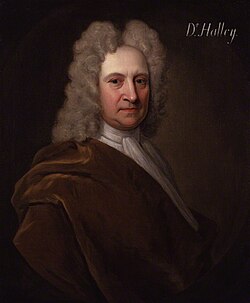
Key Facts
- ハレー彗星の予言:ニュートンの万有引力の法則を用い、彗星が周期的に回帰することを数学的に証明した。
- ニュートンへの貢献:名著『プリンキピア』の出版を資金面と精神面で支援した。
- 王立天文官:1720年から没するまで、英国の第2代王立天文官を務めた。
- 多才な研究:南天の星図作成、地磁気の研究、気象学的な風の分析など、広範な科学的業績を持つ。
若き日の探究心と南天への旅
1656年、ミドルセックスのハガーストンに生まれたハレーは、幼少期から数学に強い関心を持っていました。セント・ポール校での学びを経て、1673年にオックスフォード大学クイーンズ・カレッジに入学します。学生時代から太陽系や太陽黒点に関する論文を発表するなど、その才能は早くから開花していました。
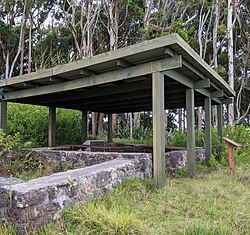
ハレーのキャリアにおける大きな転換点は、南大西洋のセントヘレナ島への遠征です。彼はそこで南半球の星々を詳細に観測し、後に341個の星を記録した『南天星表(Catalogus Stellarum Australium)』を出版しました。この業績は当時の天文学に大きな衝撃を与え、22歳という若さで王立協会のフェローに選出される要因となりました。
ニュートンとの出会いと『プリンキピア』の誕生
ハレーの人生において最も重要な出来事の一つが、アイザック・ニュートンとの出会いです。1684年、ケブリウスの彗星の軌道について議論するためケンブリッジを訪れたハレーは、ニュートンがすでに重力に関する問題を解決していたことを知ります。しかし、ニュートンはそれを公表していませんでした。
ハレーはニュートンの計算の重要性を即座に理解し、出版を強く勧めました。結果として、ハレーの私費による支援によって1687年に出版されたのが、近代物理学の基礎となる『自然哲学の数学的諸原理(プリンキピア)』です。この協力関係がなければ、科学の歴史は大きく変わっていたかもしれません。
彗星の周期性と科学的予言
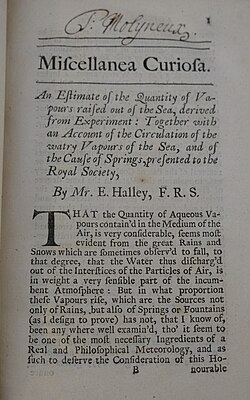
ハレーは、カッシーニが提唱した「彗星は軌道を持つ天体である」という説に着目しました。1682年の観測データとニュートンの万有引力の法則を組み合わせ、1456年、1531年、1607年、そして1682年に現れた彗星がすべて同一の天体であると結論付けました。
1705年に発表した論文の中で、彼はこの彗星が1758年に再び戻ってくることを予言しました。ハレー自身はこの再来を目にする前に世を去りましたが、実際に彗星が戻ってきたことで、この天体は彼の名を取って「ハレー彗星」と呼ばれるようになりました。
天文学を超えた多角的な研究
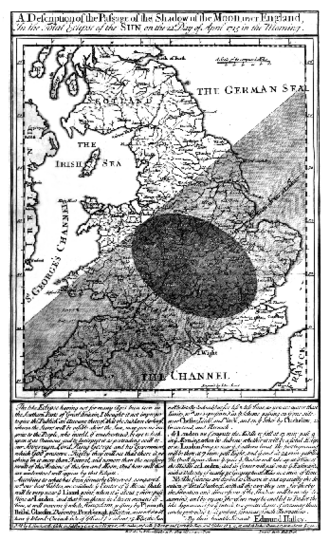
ハレーの好奇心は宇宙だけにとどまりませんでした。彼は地球の磁場や気象現象にも深い関心を寄せ、大西洋における磁気偏角(真北と磁北のズレ)を示す等角線図を作成しました。これは情報の視覚化という観点からも先駆的な試みでした。
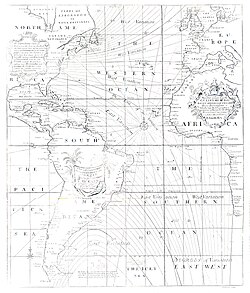
また、貿易風や季節風の原因が太陽による加熱にあることを突き止め、気圧と高度の関係を明らかにしました。さらに、地球内部が同心円状の殻で構成されているという「地球空洞説」を提唱したり、聖書に記された大洪水に科学的な説明を試みたりするなど、常に既存の概念に挑戦し続けました。
晩年と後世への遺産
1703年にはオックスフォード大学のサヴィリア幾何学教授に就任し、1720年にはジョン・フラムスティードの後を継いで第2代王立天文官となりました。晩年も精力的に活動し、金星の日面通過を利用した地球・太陽間距離の測定法を提案したり、恒星が固定されておらず固有の運動を持っていることを発見したりしました。
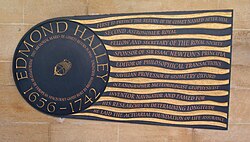
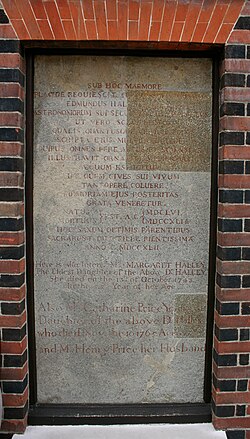
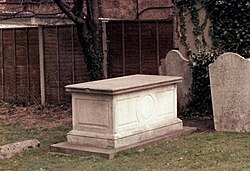
1742年、85歳で没したハレーは、リーの聖マーガレット教会に埋葬されました。彼の功績を称え、ウェストミンスター寺院には彗星を模した記念プレートが設置されています。
| 項目 | 詳細 |
|---|---|
| 生没年 | 1656年11月8日 - 1742年1月25日 |
| 主な肩書き | 第2代王立天文官、サヴィリア幾何学教授 |
| 専門分野 | 天文学、数学、物理学、地図作成学 |
| 最大の業績 | ハレー彗星の周期性の予言、『プリンキピア』の出版支援 |
| 出身校 | オックスフォード大学クイーンズ・カレッジ |
Frequently Asked Questions
ハレー彗星はなぜ彼の名前がついたのですか?
ハレー自身が彗星を発見したわけではありませんが、過去の観測記録を分析し、ニュートンの理論を用いてその彗星が周期的に戻ってくることを数学的に予言したため、その功績を称えて名付けられました。
アイザック・ニュートンとの関係はどのようなものでしたか?
ハレーはニュートンの天才性をいち早く見抜き、彼が研究成果を公表するよう促しました。特に『プリンキピア』の出版に際しては、資金を提供し、編集面でも多大なサポートを行いました。
天文学以外にどのような研究を行っていましたか?
地磁気の研究による等角線図の作成や、貿易風のメカニズムの解明、気圧と高度の関係の特定など、地球物理学や気象学の分野でも先駆的な研究を行いました。
「地球空洞説」とはどのような考えでしたか?
地球が厚さ約800kmの殻でできており、その内部にさらに2つの同心円状の殻と核が存在するという説です。これは当時の異常なコンパスの読み取り結果を説明するために提案されました。
ハレーはどこに埋葬されていますか?
ロンドンのブラックヒースにあるリーの聖マーガレット教会に埋葬されています。なお、彼の墓石は後にグリニッジ王立天文台に移設されました。
References
- This was perhaps the first astronomical mystery solved using Newton's laws by a scientist other than Newton.
- He wrote as late as 1716 in hopes of a future expedition to make these observations.
- This contribution caused Flamsteed to nickname Halley "the southern Tycho". Tycho had catalogued the stars observed by .
- For his payment, he was given 75 unsold copies of the society's unsuccessful book , which it had depleted its funds on.
- Halley asked Newton to obtain Flamsteed's observations for him, as his own relationship with the older astronomer had deteriorated.
- "To what extent Halley's failure was due the animosity of John Flamsteed or to his stout defence [] of his religious belief that not every iota of scripture was necessarily divinely inspired is still a matter of some argument. All Oxford appointees had to assent to the Articles of Religion and be approved by the . Halley's religious views could not have been too outlandish because the University was happy to grant him another chair 12 years later. ... Halley held liberal religious views and was very outspoken. He believed in having a reverent but questioning attitude towards the eternal problems and had little sympathy for those who unquestioningly accepted dogma. He was certainly not an atheist." , pp. 198, 201.
- Halley had noticed that observable geological processes take much longer than implied by the . In attempt to the biblical account, Halley had theorized that the gravity of a passing comet could have suddenly raised the oceans in a certain area. Following his failure to obtain the professorship, he investigated ocean as an indicator of the Earth's age, since salt is carried to the ocean by rivers. He estimated the Earth to be over 100 million years old.
- Halley argued that marine remains found far from and above the sea showed that such places had once been underwater or raised from the sea. He proposed that a cometary close approach or "choc" could alter the Earth's axis or rotation, agitate the oceans, displace the seabed, heap earth into mountains, and help explain remains of earlier animal life found in the Earth.
📸 フォトギャラリー