自然環境が直面する課題が複雑化する中で、単なる資源の採取や個別の種を保護するだけではない、包括的なアプローチが求められています。生態系管理(エコシステムマネジメント)とは、生態系が持つ機能やサービスを長期的に維持しながら、人間社会の経済的、政治的、文化的なニーズを同時に満たすことを目的とした自然資源管理の手法です。
この概念は1990年代に形式化されましたが、その根底にある「自然と共生する」考え方は、古くから先住民族などのコミュニティによって実践されてきました。現代の生態系管理は、生態学的な知見に社会経済的な視点を統合し、多様な関係者の合意形成を通じて、変化し続ける環境への適応を目指しています。
Key Facts
- 包括的視点: 特定の種だけでなく、生態系全体の機能と構造を重視する。
- 適応的プロセス: 新しい科学的知見に基づき、管理手法を継続的に改善する。
- ステークホルダーの参画: 地域住民から政府機関まで、影響を受ける多様な主体の参加を必須とする。
- レジリエンスの重視: 外部からの攪乱(かくらん)に対する回復力(レジリエンス)を高めることを優先する。
- 気候変動への対応: 近年では、温室効果ガスを産業革命前の水準に戻す「気候復元」などの視点も取り入れられている。
生態系管理の基本原則とアプローチ
生態系管理は、従来の「指令と制御(コマンド&コントロール)」型管理とは一線を画します。後者は自然の変動を抑え込み、予測可能な結果を得ようとしますが、これは結果的に生態系のレジリエンスを低下させ、予期せぬ副作用を招くリスクがあります。
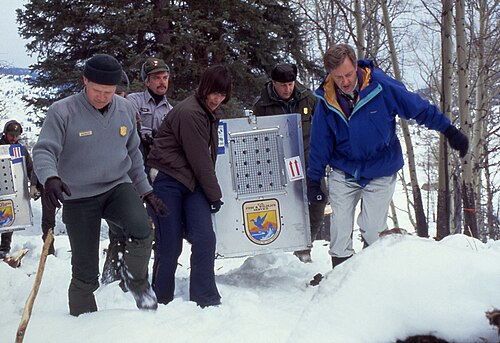
例えば、イエローストーン国立公園では、かつてエルクの捕食を減らすためにオオカミが駆除されましたが、1995年の再導入後、生態系全体のバランスが回復し、樹木の再生が進むなどの好影響が観察されました。これは、自然なプロセスを回復させることが、結果としてシステム全体の安定につながることを示しています。
管理を支える核心的な原則
- システム思考: 生物学的階層の特定の部分ではなく、全体的な視点から管理を行う。
- 生態学的境界の定義: 行政区画ではなく、実際の生態学的な境界に基づいた地域ベースの管理を行う。
- 生態学的整合性の維持: 在来種の多様性を維持し、自然な攪乱サイクルを保存する。
- 継続的なモニタリングとデータ収集: 科学的なデータに基づき、管理策の効果を検証し、必要に応じて修正する。
- 人間と自然の不可分性: 人間を生態系の一部として捉え、相互に影響し合う関係として管理する。
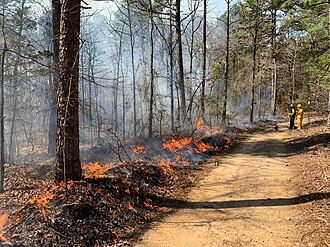
具体的な手法としては、計画的な火入れによって大規模な森林火災を防ぎつつ生態系サービスを維持する「処方火焼」などが挙げられます。
ステークホルダーの役割と参画戦略
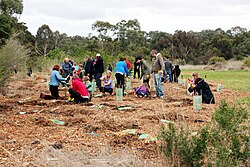
生態系管理の成功には、ステークホルダー(管理決定によって影響を受ける、あるいは関心を持つ個人や団体)の積極的な参加が不可欠です。ステークホルダーは、生活基盤を置く地域住民から、環境NGO、資金提供者、公務員まで多岐にわたります。
効果的な参画を実現するためには、単に意見を聞くだけでなく、早い段階からの関与、適切な代表者の選定、熟練したファシリテーターによる合意形成、そして制度的な定着化が必要です。
参画による成功事例
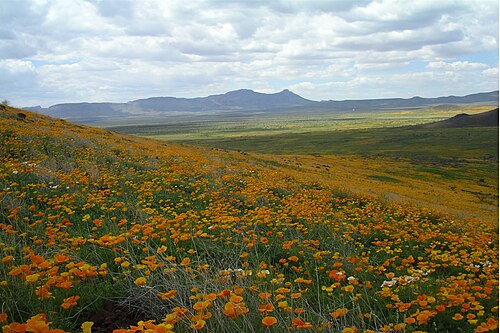
アメリカのマルパイ・ボーダーランズでは、牧畜業者と環境保護団体の間で激しい対立がありましたが、共同で放牧地の保全と復元に取り組むことで合意に至りました。また、スウェーデンのクリスチャンスタッド・ヴァッテンリケ生物圏保存地域では、多様な主体が協力して水系生態系の悪化を食い止め、社会生態学的なサービスの保存を実現しています。
多様な管理戦略の分類
生態系管理は、状況に応じて以下のような異なるアプローチを組み合わせて実施されます。
| 戦略名 | 主な特徴 | 目的・アプローチ |
|---|---|---|
| 適応的管理 (Adaptive Management) | 反復的な評価と修正 | 実験的な手法を導入し、得られた知見で管理策を更新し続ける。 |
| 戦略的管理 (Strategic Management) | 目標設定と政策の統合 | 社会経済的な要因を考慮し、ステークホルダーの意向を反映した目標を策定する。 |
| 景観レベルの保全 (Landscape-level Conservation) | 広域的な視点での保護 | 個別の種ではなく、生息地全体のネットワークや回廊(コリドー)を維持する。 |
| 自然資源管理 (Natural Resource Management) | 利用と保全のバランス | 資源の持続可能な採取と、長期的な生態系維持の両立を図る。 |
景観レベルの保全の例として、2016年に指定されたゴールドバット国立記念碑は、異なる保護区を繋ぐ野生動物の回廊を確立し、種の移動と生存を支援しています。

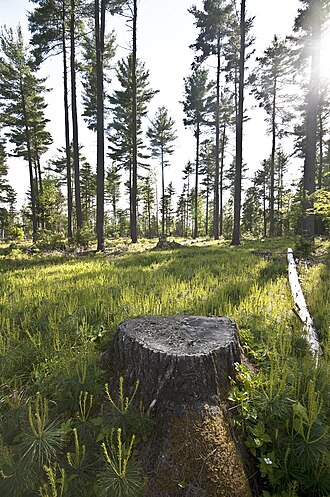
また、林業においては、完全に伐採するのではなく、次世代の森林再生に必要な構造を維持しながら木材を抽出する「シェルターウッド伐採」のような手法が、生態系管理の視点から取り入れられています。
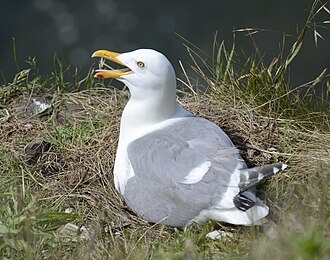
さらに、伝統的な慣習と科学的な管理を融合させた例として、フナ・トリンギット族によるカモメの卵の持続可能な採取が挙げられます。これは文化的な伝統を守りつつ、個体群サイズを維持する優れた事例です。
Frequently Asked Questions
生態系管理と従来の自然資源管理の最大の違いは何ですか?
最大の違いは、視点の「包括性」と「柔軟性」にあります。従来の管理は特定の資源の最大収穫や単一の種の保護に集中しがちでしたが、生態系管理はシステム全体の機能、レジリエンス、そして人間社会との相互作用を重視し、状況に応じて手法を修正する適応的なアプローチを取ります。
「適応的管理」とは具体的にどのようなプロセスですか?
適応的管理とは、「計画 → 実行 → モニタリング → 評価 → 計画の修正」というサイクルを繰り返すプロセスです。自然環境は複雑で予測困難であるため、最初から完璧な計画を立てるのではなく、管理自体を一つの実験と捉え、得られたデータに基づいて絶えず最適化を図ります。
ステークホルダーの参画がなぜそれほど重要視されるのですか?
生態系管理の決定は、地域住民の生計や文化、政府の政策など、多様な価値観が衝突する領域であるためです。多様な視点を取り入れることで、より現実的で持続可能な合意形成が可能になり、結果として管理計画の実行力と正当性が高まります。
生態系管理は未開発の原生地域にしか適用できないのでしょうか?
いいえ、そのようなことはありません。生態系管理は野生生物保護区のような自然地域だけでなく、農場などの農業生態系や、持続可能な林業が行われている管理林など、人間が深く関与している環境(人為的生態系)にも適用可能です。
「レジリエンス」とは何を指し、なぜ管理において重要なのですか?
レジリエンスとは、火災や病害虫の発生などの攪乱を受けた後でも、生態系が元の構造や機能を維持し、回復できる能力のことです。レジリエンスが高い生態系は、環境変化による崩壊のリスクが低いため、長期的な持続可能性を確保する上で最優先される指標となります。
References
- Szaro, R.; Sexton, W.T.; Malone, C.R. (1998). "The emergence of ecosystem management as a tool for meeting people's needs and sustaining ecosystems". Landscape and Urban Planning. 40 (1–3): 1–7. :1998LUrbP..40....1S. :10.1016/s0169-2046(97)00093-5.
- Brussard Peter, F; Reed Michael, J; Richard, Tracy C (1998). "Ecosystem Management: What is it really?". Landscape and Urban Planning. 40 (1–3): 9–20. :1998LUrbP..40....9B. :10.1016/s0169-2046(97)00094-7.
- Meffe, Gary; Nielsen, Larry; Knight, Richard; Schenborn, Dennis, eds. (2013). Ecosystem Management: Adaptive, Community-Based Conservation. Island Press. .
- Berkes, Fikret; Colding, Johan; Folke, Carl (2000). "Rediscovery of Traditional Ecological Knowledge as Adaptive Management". Ecological Applications. 10 (5): 1251–1262. :10.1890/1051-0761(2000)010[1251:roteka]2.0.co;2. 1051-0761.
- DeFries, Ruth; Nagendra, Harini (2017-04-20). "Ecosystem management as a wicked problem". Science. 356 (6335): 265–270. :2017Sci...356..265D. :10.1126/science.aal1950. 0036-8075. 28428392. 11224600.
- Keough, Heather L.; Blahna, Dale J. (2006). "Achieving Integrative, Collaborative Ecosystem Management". Conservation Biology. 20 (5): 1373–1382. :10.1111/j.1523-1739.2006.00445.x. 1523-1739. 17002755. 8910111.
- Lackey, R.T. (1998). "Seven pillars of ecosystem management". Landscape and Urban Planning. 40 (1–3): 21–30. :10.1016/S0169-2046(97)00095-9.
- Kaufmann, M. R.; Graham, R. T.; Boyce, D. A.; Moir, W. H.; Perry, L.; Reynolds, R. T.; Bassett, R. L.; Mehlhop, P.; Edminster, C. B.; Block, W. M.; Corn, P. S. (1994). An ecological basis for ecosystem management (Technical report). Ft. Collins, CO: U.S. Department of Agriculture, Forest Service, Rocky Mountain Forest and Range Experiment Station. Gen. Tech. Rep. RM-GTR-246.
- Chapin, F. Stuart; Pamela A. Matson; Harold A. Mooney (2002). Principles of Terrestrial Ecosystem Ecology. New York: Springer. pp. 362–365. .
- Christensen, Norman L.; Bartuska, Ann M.; Brown, James H.; Carpenter, Stephen; D'Antonio, Carla; Francis, Robert; Franklin, Jerry F.; MacMahon, James A.; Noss, Reed F.; Parsons, David J.; Peterson, Charles H.; Turner, Monica G.; Woodmansee, Robert G. (1996). "The Report of the Ecological Society of America Committee on the Scientific Basis for Ecosystem Management". Ecological Applications. 6 (3): 665–691. :1996EcoAp...6..665C. 10.1.1.404.4909. :10.2307/2269460. 2269460. 53461068.
{{}}: Cite uses deprecated parameter|citeseerx=()
📸 フォトギャラリー