地球上のあらゆる生命は、生物と非生物的な環境が互いに影響し合う生態系(エコシステム)の中で生きています。本来、生態系は常に変動しながらも、外部からの衝撃を吸収し、元の状態に戻ろうとする安定化プロセスを備えています。しかし、この回復力(レジリエンス)を超えるほどの急激な変化や持続的な負荷が加わると、ある一点を境にシステムが劇的に変化し、元の姿に戻れなくなることがあります。これが「生態系崩壊」と呼ばれる現象です。
Key Facts
- 生態系崩壊とは、生命が完全に消滅することではなく、その生態系を定義づけていた固有の特性や機能(生態系サービス)が失われることを指す。
- ティッピングポイント(臨界点)を超えると、崩壊は不可逆的になる傾向があり、回復には極めて長い時間と困難が伴う。
- 現代の崩壊の主因は人間活動による生息地の断片化や気候変動であり、陸地の77%、海洋の87%が既に人間によって変えられている。
- サンゴ礁やアマゾンの熱帯雨林など、地球規模の重要拠点においてレジリエンスの低下が観測されている。
崩壊に至るプロセスと要因
生態系が崩壊する際、単なる緩やかな衰退ではなく、ある閾値を超えた瞬間に急速な状態変化が起こります。これをレジームシフトと呼びます。安定した生態系であっても、環境変化のスピードが速すぎれば耐えきれず、よりレジリエンスの高い別のシステムへと置き換わることがあります。
![A diagram of the typical drivers of ecosystem collapse.[1]](/images/7c/5f/7c5fe4f30c2d1f85d5bc6f87580efc6f44b6bc31c682bf4edc6d7d8fb134efa6.png)
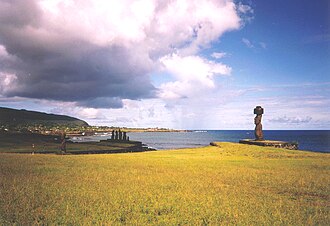
地質学的な記録を紐解くと、過去にも大規模な崩壊は起きてきました。例えば、石炭紀の熱帯雨林の崩壊や、最終氷期極大期におけるバイカル湖およびホブスゴル湖の生態系崩壊などが挙げられます。また、イースター島では亜熱帯広葉樹林が消失し、現在は主に草原へと姿を変えています。
崩壊の規模と速度の相関
近年の研究では、生態系の空間的な規模が大きいほど、レジームシフトが不釣り合いに速く起こる可能性が示唆されています。これは、大規模なシステムほど複雑な相互依存関係にあるため、一度崩壊が始まると連鎖的に加速するためと考えられています。
![Log–log linear relationship between the spatial area and the temporal duration of 42 observed Earth system regime shifts[32]](/images/2a/41/2a41589ca85ce8ce765c2aa1cebb801c8a2c0e61b809ed3dddcf5e2b01fb9b59.png)
歴史的および現代的な崩壊事例
人間活動が直接的な引き金となった崩壊例は数多く存在します。代表的なのが、カザフスタンとウズベキスタンにまたがるアラル海です。灌漑目的で流入河川が転用された結果、湖面積の90%が消失し、かつての湖底は砂漠へと変貌しました。
![Image of the Aral Sea in 1989 (left) and 2014. The Aral Sea is an example of a collapsed ecosystem.[1] (image source: NASA)](/images/0b/cf/0bcf348a59895b3f3826cce26293c4d54ea42f000230c1a291e65864aaa2dfbf.jpg)
海洋環境においても、過剰漁獲と気候変動が重なり、特定の種が支配的だった状態から崩壊する事例が見られます。北西大西洋のタラ漁業の崩壊や、ベンゲラ湧昇流生態系におけるイワシからクラゲ・ハゼ主体の系への移行などがその例です。
現在進行中の危機的な状況
- オーストラリア北部サバンナ:外来種の雑草による火災の増加や過放牧により、森林から草原への転換が進んでいます。
- グレートバリアリーフ:海水温上昇による白化現象が深刻化し、2023年までにサンゴの約50%が失われたとされています。
- グレートソルトレイク(ユタ州):1850年以降、水量の73%、表面積の60%を喪失し、完全な乾燥の危機に瀕しています。
地球規模のホットスポットが抱えるリスク
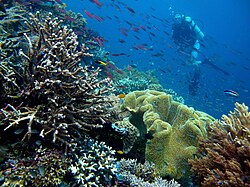
特に深刻なのが、生物多様性の宝庫である熱帯雨林とサンゴ礁です。これらは気候変動に対して極めて脆弱であり、すでに「戻れない地点(ポイント・オブ・ノーリターン)」に近づいているとの警告があります。
アマゾン熱帯雨林のレジリエンス低下
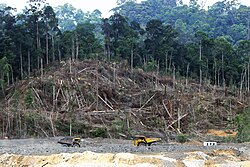
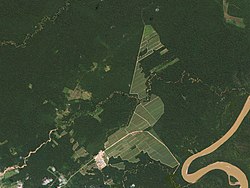
森林伐採と気候変動の相乗効果により、アマゾンの4分の3以上で回復力が低下していることが判明しています。このままでは、今後50年以内に熱帯雨林がサバンナのような疎林へと移行する恐れがあります。
![Emerging signals of declining forest resilience under climate change.[34]](/images/2d/54/2d544b701aade82a9cd83779f5a35bbc100f27ebf480817be715bb3d1699b77e.png)
サンゴ礁の絶滅リスク
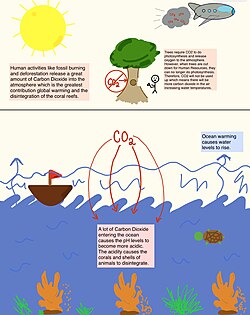
サンゴ礁は、地球温暖化による海洋熱波の影響を最も強く受けます。産業革命前からの気温上昇が1.5℃に達した場合、耐えられるサンゴ礁はわずか0.2%にまで減少すると予測されており、2℃上昇すればほぼ完全に消失すると考えられています。
まとめ:生態系崩壊の現状
| 対象生態系 | 主な崩壊要因 | 現状・予測される結果 |
|---|---|---|
| 熱帯雨林(アマゾン等) | 森林伐採、気候変動 | サバンナ化への移行、レジリエンスの喪失 |
| サンゴ礁 | 海洋温暖化、汚染 | 大規模な白化、生態系機能の完全停止 |
| 内陸湖(アラル海等) | 水資源の転用、乾燥化 | 湖の消失、砂漠化への転換 |
| 海洋漁場(タラ等) | 過剰漁獲、環境変動 | 資源量の激減、種組成の劇的変化 |
Frequently Asked Questions
生態系崩壊が起きると、その地域の生命はすべて絶滅するのですか?
いいえ、すべての生命が消えるわけではありません。しかし、その場所を特徴づけていた固有の生物相や、人間が享受していた自然の恵み(生態系サービス)が失われ、全く別の、多くの場合して生物多様性の低い単純なシステムに置き換わります。
一度崩壊した生態系を元に戻すことは可能ですか?
多くの場合、崩壊は不可逆的であるか、あるいは回復に極めて長い時間がかかります。元の状態に完全に復元することは非常に困難であり、現実的には別の安定した状態への移行として定着することが一般的です。
「ティッピングポイント」とは具体的にどのような状態を指しますか?
ある一定の負荷(温度上昇や森林減少率など)を超えたとき、それまで耐えていたシステムが急激に崩壊し始める「臨界点」のことです。この点を超えると、たとえ負荷を止めたとしても、崩壊のプロセスが自律的に進んでしまう特性があります。
気候変動以外に生態系崩壊を招く要因は何がありますか?
過剰な資源採取(乱獲)、生息地の分断(道路建設や都市化)、外来種の侵入、および化学物質による汚染などが挙げられます。これらが単独で、あるいは複合的に作用することで、生態系のレジリエンスが削り取られていきます。
References
- Keith, DA; Rodríguez, J.P.; Rodríguez-Clark, K.M.; Aapala, K.; Alonso, A.; Asmussen, M.; Bachman, S.; Bassett, A.; Barrow, E.G.; Benson, J.S.; Bishop, M.J.; Bonifacio, R.; Brooks, T.M.; Burgman, M.A.; Comer, P.; Comín, F.A.; Essl, F.; Faber-Langendoen, D.; Fairweather, P.G.; Holdaway, R.J.; Jennings, M.; Kingsford, R.T.; Lester, R.E.; Mac Nally, R.; McCarthy, M.A.; Moat, J.; Nicholson, E.; Oliveira-Miranda, M.A.; Pisanu, P.; Poulin, B.; Riecken, U.; Spalding, M.D.; Zambrano-Martínez, S. (2013). "Scientific Foundations for an IUCN Red List of Ecosystems". PLOS ONE. 8 (5) e62111. :2013PLoSO...862111K. :10.1371/journal.pone.0062111. 3648534. 23667454. Archived from the original on 28 October 2020. Retrieved 8 September 2018.
- Chapin, F. Stuart III (2011). "Glossary". Principles of terrestrial ecosystem ecology. P. A. Matson, Peter Morrison Vitousek, Melissa C. Chapin (2nd ed.). New York: Springer. . 755081405.
- Allesina, Stefano; Tang, Si (19 February 2012). "Stability criteria for complex ecosystems". Nature. 483 (7388): 205–208. :1105.2071. :10.1038/nature10832. 22343894.
- "Ecological collapse". The Global Challenges Foundation. Retrieved 2021-12-03.
- Canadell, Josep G.; Jackson, Robert B. (2021). "Ecosystem Collapse and Climate Change: An Introduction". Ecosystem Collapse and Climate Change. Ecological Studies. Vol. 241. Cham: Springer International Publishing. pp. 1–9. :10.1007/978-3-030-71330-0_1. . 237994459.
- Bergstrom, Dana M.; Wienecke, Barbara C.; van den Hoff, John; Hughes, Lesley; Lindenmayer, David B.; Ainsworth, Tracy D.; Baker, Christopher M.; Bland, Lucie; Bowman, David M. J. S.; Brooks, Shaun T.; Canadell, Josep G.; Constable, Andrew J.; Dafforn, Katherine A.; Depledge, Michael H.; Dickson, Catherine R.; Duke, Norman C.; Helmstedt, Kate J.; Holz, Andrés; Johnson, Craig R.; McGeoch, Melodie A.; Melbourne-Thomas, Jessica; Morgain, Rachel; Nicholson, Emily; Prober, Suzanne M.; Raymond, Ben; Ritchie, Euan G.; Robinson, Sharon A.; Ruthrof, Katinka X.; Setterfield, Samantha A.; Sgrò, Carla M.; Stark, Jonathan S.; Travers, Toby; Trebilco, Rowan; Ward, Delphi F. L.; Wardle, Glenda M.; Williams, Kristen J.; Zylstra, Phillip J.; Shaw, Justine D. (25 February 2021). "Combating ecosystem collapse from the tropics to the Antarctic". Global Change Biology. 27 (9): 1692–1703. :10.1111/gcb.15539. :10536/DRO/DU:30148368. 33629799.
- Karabanov, Eugene; Williams, Douglas; Kuzmin, Mikhail; Sideleva, Valentina; Khursevich, Galina; Prokopenko, Alexander; Solotchina, Emilia; Tkachenko, Lilia; Fedenya, Svetlana (2004-07-06). "Ecological collapse of Lake Baikal and Lake Hovsgol ecosystems during the Last Glacial and consequences for aquatic species diversity". Palaeogeography, Palaeoclimatology, Palaeoecology. High Latitude Eurasian Palaeoenvironments. 209 (1–4): 227–243. :2004PPP...209..227K. :10.1016/j.palaeo.2004.02.017.
- Sahney, S.; Benton, M.J.; Falcon-Lang, H.J. (2010). "Rainforest collapse triggered Pennsylvanian tetrapod diversification in Euramerica" (PDF). Geology. 38 (12): 1079–1082. :2010Geo....38.1079S. :10.1130/G31182.1.
- "Living Planet Report". World Wildlife Fund.
- Hamilton, Lawrence C.; Butler, M. J. (January 2001). "Outport adaptations: Social indicators through Newfoundland's Cod crisis". Human Ecology Review. 8 (2): 1–11.
📸 フォトギャラリー