1968年12月24日、月周回軌道上にいたアポロ8号の乗組員ウィリアム・アンダースは、漆黒の宇宙空間に青く輝く地球が昇る瞬間をカメラに収めました。この「アースライズ(地球の出)」と呼ばれる写真は、単なる記録写真を超え、人類が自分たちの故郷を客観的に捉えた最初の一枚として、世界中に衝撃を与えました。
自然写真家のガレン・ロウエルが「史上最も影響力のある環境写真」と評したように、この画像は地球の脆さと美しさを同時に突きつけ、後の環境保護運動の火付け役になったと言われています。
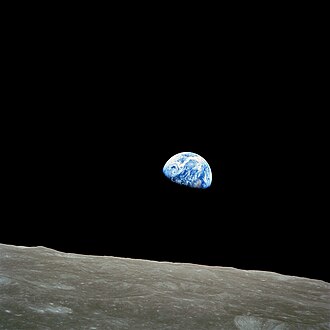
Key Facts
- 撮影者:アポロ8号の乗組員、ウィリアム・アンダース。
- 撮影日:1968年12月24日(UTC 16:39:39.3)。
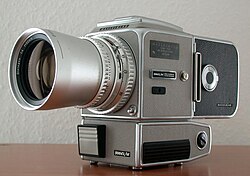
- 使用機材:改造されたハッセルブラッド 500 EL(70mmカラーフィルム使用)。
- 歴史的意義:人間が月から地球を撮影した最初の一枚であり、環境意識の向上に寄与した。
- 後世への影響:アルテミス計画のパッチや、月面のクレーター名にその名が冠されている。
撮影の舞台裏と機材の秘密
アポロ8号は、人類として初めて月を周回したミッションでした。撮影当時、アンダースは250mmのレンズを用いて月面を撮影していましたが、ふとした瞬間に地平線から昇る地球に気づきました。機長だったフランク・ボーマンは当初「予定にない」と冗談を言いましたが、すぐにカラーフィルムへの切り替えを指示し、決定的な瞬間が記録されました。
使用されたカメラは、電気駆動を備えた高度にカスタマイズされたハッセルブラッド 500 ELです。通常の反射式ファインダーではなく、シンプルな照準リングが装着されており、コダック社製の特製エクタクローム・カラーフィルムが装填されていました。
撮影後の現像プロセスも困難を極めました。NASAの技術者は、通常の処理を待てず、テキサス州コーパスクリスティにあるR&Rフォトスタジオへ急行しました。当時、プロ用220サイズフィルムの4時間急ぎ現像が可能な設備を持つのは、南テキサスでそこだけだったためです。オーナーのラウル・ロドリゲス氏の手により、約80万キロの旅を終えたフィルムが、ついに鮮やかな写真として結実しました。
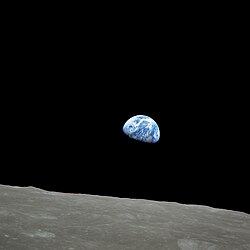
構図の調整とオリジナルの姿
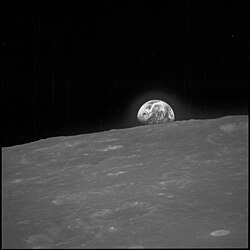
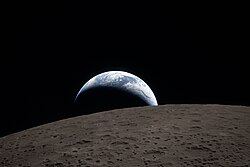
私たちがよく目にする「地球の出」の構図は、実は後から時計回りに95度回転させたものです。これは、月面から地球が昇ってくる感覚をより強調するための編集でした。元の向きでは、月の北側が上になる構成となっていました。
![AS08-14-2383 (21713574299), from which Earthrise was cropped. The photo is displayed here in its original orientation as seen by the crew of Apollo 8. Lunar north is up.[13]](/images/0b/db/0bdb47529c040d5de889a030ac9f573f5a85e6ae57ac774dff56fa633d1c94ef.jpg)
文化的な遺産と科学的影響
この写真は、1969年の「ホールアースカタログ」の表紙を飾り、ジョニ・ミッチェルの楽曲にまで影響を与えました。また、米国郵便局が発行した記念切手にも採用され、宇宙から見た地球の尊さを象徴するアイコンとなりました。
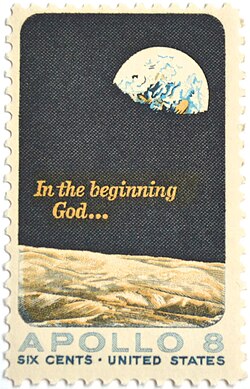
科学的な側面では、この写真に写っていた2つのクレーターが、後に「アンダース・アースライズ」および「ホームワード」と命名されました。さらに、1998年12月24日に発見された小惑星(79871)にも「Earthrise」の名が付けられています。
次世代へ:アルテミス計画と「地球の入り」
アースライズの精神は、現代の月探査計画であるアルテミス計画にも受け継がれています。アルテミスIIのミッションパッチには、この写真の雲のパターンまで再現されており、無重力指標(Rise)のデザインのベースにもなりました。

そして2026年4月6日、アルテミスIIの乗組員クリスティーナ・コクは、ニコン D5を用いて「アースセット(地球の入り)」という新たな視点の写真を撮影し、歴史的な系譜に新たな1ページを加えました。
月面から見た「地球の出」のメカニズム
宇宙船が移動していたため「出」が見えましたが、月面に静止している観測者の場合、状況は異なります。月は地球に対して潮汐ロック(常に同じ面を向けている状態)されているため、基本的には地球の位置は固定されています。しかし、月のわずかな「秤動(ひょうどう)」により、地球は空中でゆっくりと揺れ動いて見えます。そのため、月の縁に近い地域では、非常にゆっくりとした「地球の出」を観察することが可能です。
まとめ:アースライズの概要
| 項目 | 詳細 |
|---|---|
| 撮影ミッション | アポロ8号(月周回飛行) |
| 撮影者 | ウィリアム・アンダース |
| 撮影機材 | ハッセルブラッド 500 EL / 250mmレンズ |
| フィルム | コダック製 エクタクローム(70mm) |
| 主な影響 | 環境保護運動の促進、宇宙視点の確立 |
Frequently Asked Questions
この写真は誰が撮影したのですか?
アポロ8号の乗組員であるウィリアム・アンダースが撮影しました。一時期、ミッション指揮官のフランク・ボーマンが撮影したという説もありましたが、後の検証によりアンダースによる撮影であることが確定しています。
なぜこの写真が「環境写真」と言われるのですか?
漆黒の宇宙に浮かぶ小さく、壊れやすく、しかし美しい地球の姿を捉えたことで、国境のない一つの惑星として地球を守るべきだという意識を世界中に植え付けたためです。
月面に立っていても「地球の出」は見えますか?
はい、見えます。ただし、月は地球に常に同じ面を向けているため、月の縁(地球が見える範囲の端)にいる場合に限り、月の秤動(揺れ)によって非常にゆっくりとした速度で地球が昇る様子を観察できます。
写真はどのようにして現像されたのですか?
NASAの技術者がテキサス州のR&Rフォトスタジオへ持ち込み、当時の最新設備であるドイツ製Merz S2A現像機やChromega D4拡大機などを用いて、急ぎで現像・プリントされました。
アルテミス計画との関係はありますか?
アルテミスIIのミッションパッチのデザインや、無重力指標「Rise」の設計にアースライズの写真が活用されており、その象徴的な意味が継承されています。
References
- "Chasing the Moon: Transcript, Part Two". American Experience. PBS. July 10, 2019. Archived from the original on August 31, 2023. Retrieved July 24, 2019.
- (December 21, 2018). "Apollo 8's Earthrise: The Shot Seen Round the World – Half a century ago today, a photograph from the moon helped humans rediscover Earth". . Archived from the original on January 1, 2022. Retrieved December 24, 2018.
- Boulton, Matthew Myer; Heithaus, Joseph (December 24, 2018). "We Are All Riders on the Same Planet – Seen from space 50 years ago, Earth appeared as a gift to preserve and cherish. What happened?". . Archived from the original on January 1, 2022. Retrieved December 25, 2018.
- Rowell, Galen. "The Earthrise Photograph". . Archived from the original on August 26, 2013. Retrieved November 2, 2006.
- Nemiroff, R.; Bonnell, J., eds. (December 14, 2005). "Earthrise". . .
- Chaikin, Andrew (January–February 2018). "Who Took the Legendary Earthrise Photo From Apollo 8?". Smithsonian. Archived from the original on July 28, 2018. Retrieved July 27, 2018.
- Poole, Robert (2008). Earthrise: How Man First Saw the Earth. New Haven, Connecticut, US: . .
- Wright, Ernie; Kaplan, Eytan (October 15, 2018). "SVS: Earthrise: The 45th Anniversary". NASA’s Scientific Visualization Studio. Goddard Space Flight Center. Archived from the original on June 3, 2023. Retrieved August 26, 2023.
- The mission transcript (day 4, p. 114) shows the shot taken at 03 03 49 (mission time 3d3h49), and the launch was on 1968-12-21 12:51 UTC. However, the 2013 reconstruction by Ernie Wright mentioned below as well as in the previous reference yielded a mission time of 3d3h48m39.3s, meaning 16:39:39.3 UTC.
- "Transcript of Earthrise in 4K". NASA SVS.
📸 フォトギャラリー