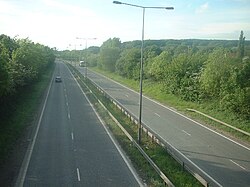
現代の交通インフラにおいて、対向車線を物理的に分離した道路形式は、走行効率の向上と事故リスクの低減に不可欠な役割を果たしています。イギリス英語でデュアル・キャリッジウェイ(Dual Carriageway)、アメリカ英語でディバイディッド・ハイウェイ(Divided Highway)と呼ばれるこの形式は、中央分離帯(メディアンストリップ)によって反対方向の交通流を完全に分けることで、正面衝突などの重大事故を防ぐ設計となっています。
一般的に、アクセス制限が厳格に管理され、より高度な設計基準を持つものは「モーターウェイ」や「フリーウェイ」に分類されますが、それ以外の分断された幹線道路がこのカテゴリーに該当します。一部の地域では、長距離走行用の「急行車線」と地域的な「集散車線」を組み合わせたシステムを採用し、交通流の最適化を図っています。
Key Facts
- 基本構造:中央分離帯によって対向車線が物理的に分離されている。
- 安全性:単一車線道路(シングル・キャリッジウェイ)に比べ、正面衝突のリスクが低く、速度制限が高く設定される傾向にある。
- 分類:完全なアクセス制御があるものはモーターウェイ等と呼ばれ、それ以外が二車線道路(分断道路)とされる。
- 多様な形式:2+2形式や2+1形式など、地域のニーズに合わせた車線構成が存在する。
二車線道路の歴史的変遷
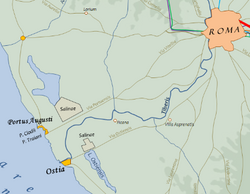
分断道路の概念は、意外にも古くから存在していました。古代ローマのヴィア・ポルトゥエンシス(Via Portuensis)では、都市近郊で車線が分かれる非常に初期の例が見られます。
近代的な事例としては、1860年にアメリカのマサチューセッツ州カーバーに建設されたセーバリー・アベニューが挙げられます。ここでは道路の中央に細い樹木帯が設けられていました。その後、20世紀初頭にはニューヨークのベルト・パークウェイなどで、芝生ではなくコンクリートやレンガの柵を用いた分離設計が導入されました。
![Savery Avenue in Carver, Massachusetts was the first divided highway in the U.S.[12]](/images/d6/a4/d6a4e2ce14920b4727a7de2bc6f64129a1bcf4e4914d9455cfbc68a411017959.jpg)
ヨーロッパでは、1924年にイタリアで初のオートストラーダ(ミラノ〜ヴァレーゼ間)が開通し、1925年にはイギリスでジョージ5世によりグレート・ウェスト・ロードが開通しました。1930年代に入ると、ドイツ、イタリア、ソ連などでネットワーク化が進み、ドイツのオートバーン(1932年開通)は後の高速道路建設のモデルとなりました。
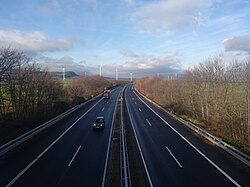
北米では、1939年にカナダのクイーン・エリザベス・ウェイが都市間を結ぶ初期の分断道路として整備され、1940年にはアメリカで初の地方分断道路となるペンシルベニア・ターンパイクが開通しました。これが1957年からの州間高速道路システム構築への布石となりました。
地域別の実装と設計基準
イギリスとアイルランド
イギリスでは、交差点を立体交差化し基準を満たした道路をモーターウェイ(M)に格上げします。また、2015年からは特に高品質なルートを「エクスプレスウェイ」と定義しています。

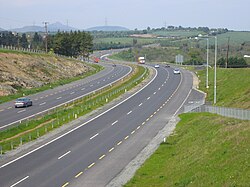
アイルランドでは、路肩の表示(破線か実線か)でモーターウェイと二車線道路を区別しています。また、車線構成に特徴があり、両方向2車線の「2+2道路」や、追い越し車線が交互に現れる「2+1道路」といった形式が採用されてきました。
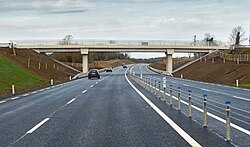
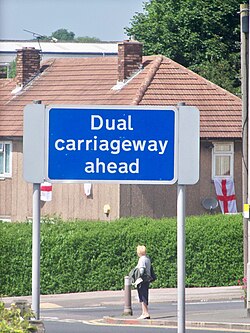
イギリスの速度制限は車両の種類によって異なります。例えば、2トンまでの乗用車やバイクは時速70マイル(約113km/h)ですが、トレーラー牽引車やバス、大型貨物車は時速60マイル(約97km/h)に制限されています。市街地では原則時速30マイル(約48km/h)となります。
欧州大陸(ドイツ・イタリア・スペイン)
ドイツでは、オートバーンと同等の基準を持ちながら、標識が黄色(黒文字)である道路を俗に「黄色いオートバーン(gelbe Autobahn)」と呼びます。これらは主に都市内の幹線道路や州内の重要道路に適用されます。
イタリアでは、道路を「タイプA(オートストラーダ)」、「タイプB(主要郊外道路)」、「タイプC(二次郊外道路)」に分類しています。タイプBは中央分離帯を持ち、歩行者や自転車の進入が禁止されていますが、通行料は無料です。
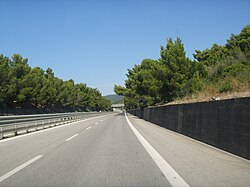
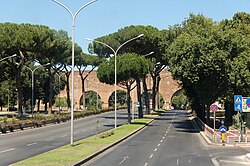
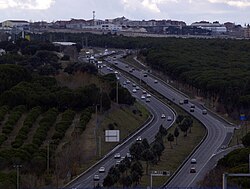
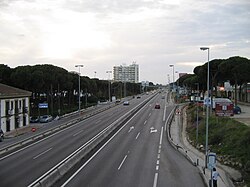
スペインでは、既存道路を並行して拡張した「第一世代オートヴィア」と、ゼロから建設された現代的なオートヴィアが存在します。後者は旧道を歩行者や自転車用に残す設計となっています。また、民間運営で通行料が発生する「アウトピスタ」とは明確に区別されています。
その他の地域(北米・オセアニア・南米・アジア)
アメリカでは、地方の分断道路の速度制限は時速65〜75マイルが一般的ですが、テキサス州のSH 130のように時速85マイル(約137km/h)という極めて高い制限速度を持つ有料道路も存在します。
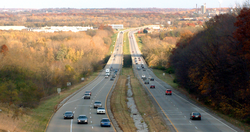
カナダでは、右折進入のみを許可し、反対方向への転回には専用のオーバーパス(ターンアバウト)を利用する「RIRO(Right-In Right-Out)」形式の道路が見られます。
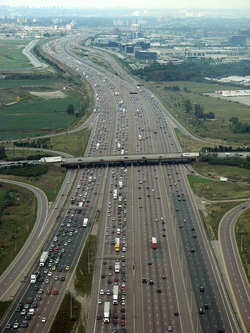
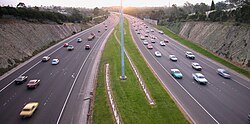
オーストラリアでは、シドニーとメルボルンの間を連続した分断道路で結ぶヒューム・ハイウェイの複線化など、州間ネットワークの整備が進んでいます。
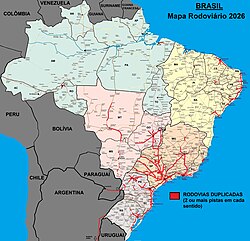
南米ではブラジルが最大規模のネットワークを誇り、約17,000kmの分断道路を有しています。チリでもパンアメリカン・ハイウェイ(ルート5)を中心に整備が進んでいます。
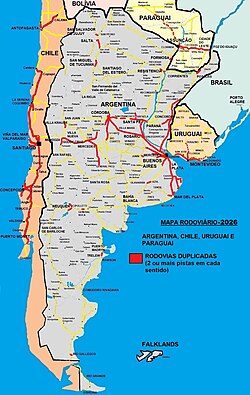
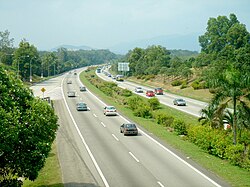
アジア圏では、マレーシアの南北高速道路やシンガポールのパンアイランド高速道路、トルコの広大な国家道路網(D100など)が代表的です。トルコでは、国家道路の制限速度は通常110km/hに設定されています。
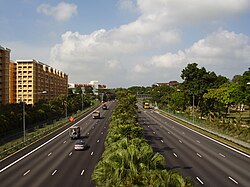
また、タイでは単一車線に路肩を持つ形式と、Uターン箇所を設けた二車線道路(ハイウェイ22など)が混在しています。



その他の道路例
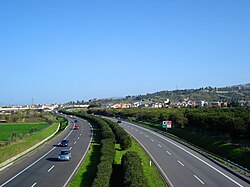
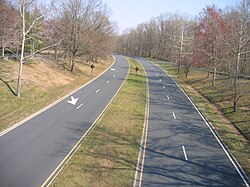
イタリアのシチリア島を走るA20号線や、ワシントンD.C.近郊のクララ・バートン・パークウェイなども、それぞれの地域の交通需要に応じた分断道路の形態を示しています。
道路形式の比較まとめ
| 形式 | 中央分離帯 | アクセス制限 | 主な特徴 |
|---|---|---|---|
| シングル・キャリッジウェイ | なし | 低〜中 | 対向車線が同一路面上にあり、正面衝突リスクが高い。 |
| 二車線道路(分断道路) | あり | 中 | 物理的に車線が分離されており、安全性が高く速度制限も上がりやすい。 |
| モーターウェイ / フリーウェイ | あり | 高(完全制御) | 立体交差のみで接続し、歩行者や低速車を完全に排除した最高規格。 |
Frequently Asked Questions
二車線道路とモーターウェイの決定的な違いは何ですか?
最大の違いは「アクセスの制御レベル」です。モーターウェイはすべての交差点が立体交差であり、許可されていない車両(歩行者や自転車など)の進入が厳格に禁止されています。一方、二車線道路は中央分離帯こそありますが、平面交差点や私有地への直接アクセスが許可されている場合があります。
「2+1道路」とはどのような構造ですか?
走行方向によって車線数が異なる形式で、例えばある区間は片側2車線(追い越し可能)で反対側が1車線となり、数キロごとにその構成が入れ替わる設計です。これにより、限られた道路幅で安全な追い越し機会を提供できます。
なぜ二車線道路は速度制限が高くなる傾向にあるのですか?
中央分離帯によって対向車線と物理的に切り離されているため、最も危険な事故の一つである正面衝突の可能性が極めて低くなるからです。この構造的な安全性が、より高い法定速度の設定を可能にしています。
「RIRO」形式の道路とは何ですか?
Right-In Right-Out(右折進入・右折退出)の略で、中央分離帯があるため左折(右側通行地域では右折)による対向車線への横断が禁止されている道路です。反対方向の出口へ向かうには、専用の転回用オーバーパス(ターンアバウト)を利用する必要があります。
世界で最も速度制限が高い分断道路はどこですか?
ソースに基づくと、アメリカ・テキサス州の民間有料道路であるSH 130が、時速85マイル(約137km/h)という全米最高レベルの速度制限を設けています。
References
- "Leaving Rome". www.ostia-antica.org. Retrieved 27 August 2024.
- Henry S. Griffith, History of the Town of Carver, Massachusetts: Historical Review, 1637-1910, New Bedford, Massachusetts: E. Anthony & Sons, 1913.
- "German Myth 8: Hitler's Autobahn?". Archived from the original on 8 May 2006. Retrieved 3 April 2006.
- "1924 Mile Posts". Archived from the original on 12 March 2008. Retrieved 3 April 2006.
- Smith, Mike. "Roads and Roadworks". International Good Guys. Retrieved 31 July 2009.[]
- "Highway Code rule 137". Retrieved 30 October 2014.
- "Driving forward: a new era for England's major roads". . Retrieved 15 May 2015.
- "The Highway Code: Rule 124". GOV.UK. Retrieved 10 June 2019.
- "The Highway Code for Northern Ireland: Rule 124". nidirect. 19 February 2016. Retrieved 10 June 2019.
- O'Neill, Sean (1 July 2008). "Pilot Programme Launched – Ireland's First 2+2 Road Type Opens in Dromod Roosky" (Press release). National Roads Authority. Archived from the original on 26 July 2009. Retrieved 31 July 2009.
📸 フォトギャラリー