かつては肥沃だった土地が、徐々に乾燥し、最終的に砂漠のような不毛の地へと変わっていく現象を砂漠化と呼びます。これは単なる自然現象ではなく、地球規模の気候変動と、人間による土地の過剰利用が複雑に絡み合って引き起こされる深刻な環境問題です。
砂漠化の核心にあるのは、地表を覆う植生の喪失です。植物が失われると、土壌を保持する力が弱まり、風や雨によって表土が容易に流出します。その結果、太陽光にさらされた下層の土壌は硬く焼きつき、植物が根を張れない「ハードパン」と呼ばれる不毛な層へと変化し、土地の生産性は絶望的に低下します。
![Global distribution of dryland areas based on the aridity index computed over a 30-year average during 1981 to 2010. Typical deserts are indicated by the hyper-arid category (light yellow).[1]](/images/77/89/7789b1495db9ce429589cc840bd6820d48b28e39f192537aa3ad923d4901383a.png)
Key Facts
- 主因: 植生の喪失が直接的な引き金となり、気候変動や過放牧、森林破壊などがそれを加速させる。
- 社会的影響: 乾燥地帯に住む人々の約90%が開発途上国に集中しており、貧困と食料不安の悪循環に陥っている。
- 地域的特徴: アフリカのサヘル地域やアフリカの角など、気候サイクルと人間活動の両面から深刻な影響を受けている。
- 対策: 植林(グリーンウォール計画)や持続可能な放牧管理、土壌質の改善などが進行中である。
砂漠化を加速させる要因
人間活動による負荷
農業のための過度な耕作や、燃料・建築資材を得るための森林破壊は、地表の保護膜である植物を奪い去ります。また、家畜による過放牧は、草地の再生能力を超えて植生を消費させ、土壌をむき出しにします。
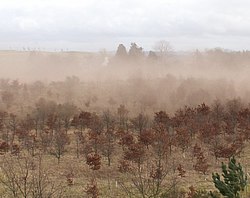
自然変動と気候変動
長期的な干ばつや急激な気候シフトなどの自然要因も大きな役割を果たします。特に近年の地球温暖化に伴う降水パターンの変化は、乾燥地帯の脆弱性をさらに高めています。
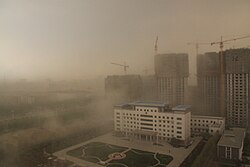
砂漠化がもたらす連鎖的影響
土地の劣化は単なる環境問題に留まらず、社会的な危機へと発展します。生産性の低下は直接的に食料不安を招き、生活基盤を失った人々はさらなる貧困に直面します。また、むき出しになった土壌は大規模な砂塵嵐(ダストストーム)の原因となり、遠く離れた都市の環境や健康にも影響を及ぼします。
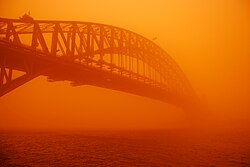
地域別ケーススタディ:アフリカの危機
サヘル地域
アフリカ大陸を横断するサヘル地域は、年降水量が100〜600mmという極めて乾燥した気候にあります。ここでは過去50年間で約65万平方キロメートルもの農地が失われました。人口圧力による集約的な農業や過放牧が、気候変動と相まって劣化を加速させています。
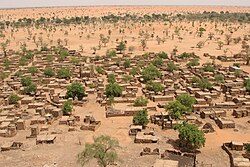
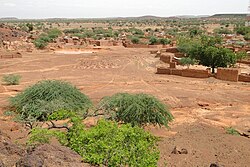
アフリカの角
ソマリアを含むこの地域では、ラニーニャ現象などの激しい気候サイクルによる数年単位の深刻な干ばつが主因となっています。特にソマリアでは、土地の30%が深刻な劣化状態にあると報告されています。
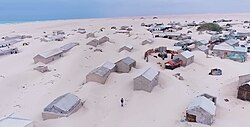
地域的な要因と影響の比較
| 比較項目 | サヘル地域 | アフリカの角 |
|---|---|---|
| 主な要因 | 人間活動(過放牧、集約農業、人口圧) | 深刻な気候サイクル(長期干ばつ、ラニーニャ) |
| 劣化の指標 | 農地の約80%が劣化 | ソマリアで約30%が深刻な劣化 |
| 主な影響 | 広範囲な生産性低下 | 極端な気象変動による生存危機 |
砂漠化への対抗策と回復への道
国際社会は、国連砂漠化対処条約(UNCCD)などを通じて、土地の回復に取り組んでいます。具体的な手法としては、砂の浸食を防ぐ防砂壁の設置や、乾燥に強い植物の植樹が挙げられます。
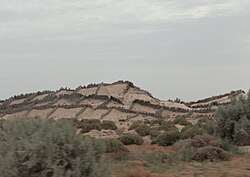
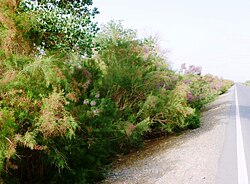
例えば、インドのタール砂漠ではジョジョバのプランテーションが砂漠化の縁辺効果を抑える役割を果たしており、中国の新疆ウイグル自治区では道路沿いにサクサウル(砂漠植物)を植えることで砂の移動を抑制しています。
![Jojoba plantations, such as those shown, have played a role in combating edge effects of desertification in the Thar Desert, India.[93]](/images/09/2a/092ad16eb2fd4351fae0749339954164f9c6d7926dbe5e52d51c6778769895df.jpg)
また、アフリカでは「グレートグリーンウォール(巨大緑の壁)」という壮大なプロジェクトが進められています。これはサヘル地域に帯状の植林帯を築くことで砂漠の拡大を阻止しようとする試みですが、2020年時点での達成率は計画の4%に留まっており、依然として困難な道のりが続いています。
![The Great Green Wall, participating countries and Sahel. In September 2020, it was reported that the GGW had covered only 4% of the planned area.[114]](/images/98/8d/988df8bdf508b49d641f67953830d2695619376b704d341dda05c855c008d4b2.webp)
Frequently Asked Questions
砂漠化と乾燥化(Aridification)の違いは何ですか?
乾燥化は気候の変化によって地域全体の水分量が減少する現象を指しますが、砂漠化は気候要因に加えて、人間活動による土地の劣化が組み合わさり、肥沃な土地が不毛な砂漠へと変わるプロセスを指します。
なぜ植生を回復させることが重要なのですか?
植物の根は土壌を固定し、葉は雨や風による直接的な衝撃を和らげるためです。植生密度が高まるほど、土壌の浸食率や表面流出量は指数関数的に減少することが研究で示されています。
砂漠化は先進国では起こらないのでしょうか?
砂漠化の影響は開発途上国でより顕著ですが、不適切な土地管理や気候変動があれば、どの地域でも土地劣化は起こり得ます。ただし、経済的基盤がある地域では、対策を講じるリソースが確保しやすい傾向にあります。
グレートグリーンウォールのような植林だけで砂漠化は止まりますか?
植林は有効な手段の一つですが、それだけでは不十分です。持続可能な放牧管理、土壌の炭素回復、アグリボルタイクス(営農型太陽光発電)の導入など、多角的なアプローチと地域住民の生活改善が不可欠です。
References
- European Commission. Joint Research Centre. (2018). World atlas of desertification :rethinking land degradation and sustainable land management. LU: Publications Office. :10.2760/9205. .
- Geeson, Nichola; et al. (2002). Mediterranean desertification: a mosaic of processes and responses. John Wiley & Sons. p. 58. . Archived from the original on 30 July 2023. Retrieved 16 May 2016.
- "Sustainable development of drylands and combating desertification". Archived from the original on 4 August 2017. Retrieved 21 June 2016.
- Zeng, Ning; Yoon, Jinho (1 September 2009). "Expansion of the world's deserts due to vegetation-albedo feedback under global warming". Geophysical Research Letters. 36 (17): L17401. :2009GeoRL..3617401Z. :10.1029/2009GL039699. 1944-8007. 1708267.
- "2010–2020: UN Decade for Deserts and the Fight against Desertification". www.un.org. Retrieved 11 September 2023.
- Poverty and the Drylands undp.org
- Global Drylands Report unemg.org 2018
- Carvalho, Keegan (3 December 2024). "What Is Desertification? Causes, Effects, And Solutions". Earth.Org. Retrieved 23 June 2026.
- N.V, GREEN EARTH GROUP. "Green Earth | How to combat desertification". www.green.earth. Retrieved 23 June 2026.
- "Desertification". pubs.usgs.gov. Retrieved 11 September 2023.
📸 フォトギャラリー