北米の東海岸にルーツを持つデラウェア族(自称:レナペ族 / Lënapeyok)は、豊かな文化と困難な歴史を持つアルゴンキン語族の一派です。彼らはかつて現在のニュージャージー州、ニューヨーク州南部、ペンシルベニア州東部を含む広大な地域を拠点としていました。植民地時代の激動を経て、彼らは大陸を横断する過酷な移住を強いられましたが、その精神とアイデンティティを現代まで受け継いでいます。
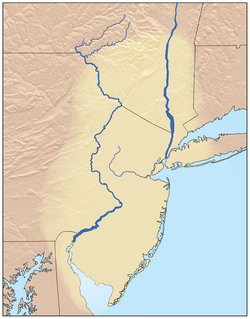
彼らの伝統的な故郷は「レナペホキング(Lenapehoking)」と呼ばれ、そこではムンシー語(北部)、ウナラクティゴ語(中部)、ウナミ語(南部)という3つの主要な言語が話されていました。
![The Lenape territory, known as Lenapehoking, as of the 16th and 17th centuries, with speakers of Munsee (north), Unalachtigo (center), and Unami (south). Inset: The location of the region in the present-day United States.[15][17][18]](/images/57/d3/57d3e37a169bdb7e50a6a39ed1d2860f3b83042cbdf4de05534caa812eb41211.png)
Key Facts
- 自称:レナペ(Lënape)、人々を指す場合はレナペヨク(Lënapeyok)と呼ぶ。
- 伝統的領土:現在のニュージャージー州、ニューヨーク州南部、ペンシルベニア州東部(レナペホキング)。
- 言語:ムンシー語とウナミ語(現在は英語が主流)。
- 人口:総人口は約16,000人と推定され、主に米国オクラホマ州とカナダオンタリオ州に居住。
- 宗教:伝統的な部族宗教に加え、キリスト教やネイティブ・アメリカン教会を信仰。
レナペホキングからの追放と苦難の歴史
17世紀から18世紀にかけて、ヨーロッパからの入植者が急増したことで、レナペ族は深刻な土地紛争に巻き込まれました。特に有名なのが、ウィリアム・ペンとその後継者たちとの関係です。当初は平和的な協定が結ばれていましたが、ペンの死後、後継者たちは不当な土地譲渡文書(ウォーキング・パーチェス)を利用して、レナペ族から広大な土地を奪い取りました。
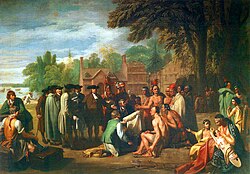
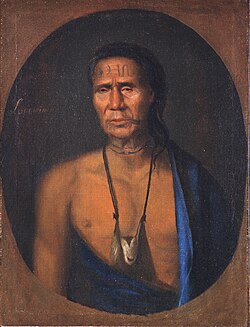
18世紀半ばには、ニュージャージー州のムンシー・レナペの人々が強制的に「ブラザートン」と呼ばれる、州初の先住民保留地へと移住させられました。その後も彼らは、ニューヨーク州のワンニダ郡やウィスコンシン州のグリーンベイなど、数千キロに及ぶ強制的な移動を繰り返すことになります。
西進とテキサスへの到達
18世紀末から19世紀初頭にかけて、一部のグループはミズーリ州を経てテキサスへと移住しました。彼らはスペイン統治下のテキサスにおいて、カド族などの他の部族やスペイン人、アメリカ人と平和的に共存していたことで知られています。
保留地での生活と法的闘争
1829年のジェームズ・フォーク条約により、レナペ族はミズーリ州の土地を放棄し、現在のカンザス州にあたるインディアン準州への移住を余儀なくされました。ここでは約100万エーカーの保留地が与えられ、農業などの生活基盤を築こうと努めました。
その後、彼らはオクラホマ州へとさらに移動し、チェロキー族から土地を購入して定住しました。しかし、1898年のカーティス法によって部族政府が解散させられ、共同所有地が個人に割り当てられるという体制変更が行われ、多くの土地が非先住民に売却される結果となりました。
21世紀に入っても法的困難は続きました。2004年に一度は連邦政府による承認を失いましたが、2009年7月28日に正式に再承認され、オクラホマ先住民福祉法に基づき、新たな憲法と法典を制定して部族の再編を果たしました。
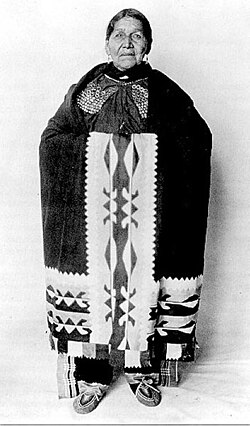
![Two Delaware Nation citizens, Jennie Bobb and her daughter Nellie Longhat, in Oklahoma, in 1915[3]](/images/18/65/1865de8364d7d6700b60d1d92973469bb0ee0b7e98a31893c5c2b4f98b6d95bf.jpg)
現代のコミュニティと組織
現在、レナペ族の末裔は米国とカナダの両国に分かれて生活しており、それぞれが独自の法的地位を持っています。
| 区分 | 組織名・地域 | 法的地位 |
|---|---|---|
| 米国(連邦承認) | デラウェア・ネイション(オクラホマ州アナダルコ) | 連邦政府承認 |
| デラウェア・トライブ・オブ・インディアンズ(オクラホマ州バートルズビル) | 連邦政府承認 | |
| カナダ(ファースト・ネーション) | ムンシー・デラウェア・ネイション(オンタリオ州) | カナダ政府承認 |
| モラヴィアン・オブ・ザ・テムズ(オンタリオ州) | カナダ政府承認 | |
| デラウェア・オブ・シックス・ネイションズ(オンタリオ州) | カナダ政府承認 | |
| その他 | ペンシルベニア州やニュージャージー州の諸グループ | 州承認または未承認 |
Frequently Asked Questions
デラウェア族とレナペ族の違いは何ですか?
「デラウェア」は外部(主にヨーロッパ人)から付けられた名称であり、「レナペ(Lënape)」は彼らが自称する名称です。現代ではどちらの呼称も使われますが、アイデンティティを重視してレナペと呼ぶ傾向があります。
彼らが話していた言語は今でも使われていますか?
伝統的なムンシー語やウナミ語は、現在は英語が主流となっており、日常的に話す人は非常に少なくなっています。しかし、言語の復興活動やデジタル辞書の作成など、文化継承の取り組みが行われています。
なぜ彼らは何度も移住しなければならなかったのですか?
植民地時代の土地強奪や、米国政府による先住民移住政策(強制移住)が主な原因です。東海岸から中西部、そして南西部のオクラホマへと、生存をかけて移動を繰り返しました。
現在、彼らはどこに住んでいますか?
主にアメリカ合衆国のオクラホマ州と、カナダのオンタリオ州に大きなコミュニティがあります。また、元々の故郷である東海岸地域にも、州政府に承認されたグループや未承認のコミュニティが点在しています。
References
- The Lenape's historic territories inside the divides of the frequently mountainous landforms flanking the 's include (from south to north and then counter-clockwise):
- The shores from the river's eastern mouth and the to western , including both and ;
- Portions of up to present-day ;
- Regions west of there from to the side of the ;
- Regions south of there through the eastern outside the rival lands through the present-day of , south through west of the , and further south along a stretch of in northern .
📸 フォトギャラリー