かつてのスペイン植民地帝国において、社会構造の頂点に君臨しながらも、複雑な葛藤を抱えていた人々がいました。それがクリオーリョ(Criollos)です。彼らはスペイン系移民の血を引きながらも、スペイン本国ではなくアメリカ大陸で生まれた人々を指します。本国生まれのスペイン人と、現地生まれの彼らの間には、単なる出生地の違いを超えた深い社会的な断絶が存在していました。
植民地時代のアメリカにおいて、スペイン人とその子孫は社会の最上位層を形成していました。彼らは経済的・政治的な権力を握っていましたが、その内部では厳格な階級意識が働いていました。
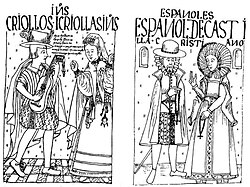
Key Facts
- 定義: スペイン植民地時代に、アメリカ大陸で生まれたスペイン系の人々。
- 社会的位置: 植民地社会の最高位に属したが、本国生まれの「ペニンスラレス」より低く見なされていた。
- 文化: スペインのバロック音楽や宗教、言語を継承しつつ、現地固有の要素を融合させた。
- 政治的役割: 本国による差別的な政策への反発から、19世紀の独立運動を主導した。
- 分布: メキシコ、中米、南米(アルゼンチン、チリ、ペルー、コロンビア等)に広く分布。
植民地社会におけるクリオーリョの実像
一般的にクリオーリョは、少数の強力なエリート層として描かれがちです。しかし実際には、植民地都市においてスペイン系は最も人口の多いグループの一つであり、富裕層だけでなく、貧困層や単純労働に従事する人々も多く含まれていました。また、当時の記録によれば、スペイン系男性の多くがスペイン系女性と結婚しており、血統の純粋性を維持しようとする傾向がありました。
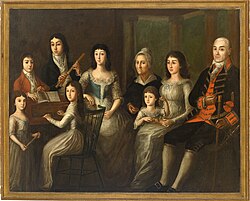
![The Fagoaga Arozqueta family. A colonial Mexican criollo couple of Spanish [basque] ancestry with their ten children in Mexico City, New Spain, anonymous painter, ca. 1735. Museo Nacional de San Carlos of Mexico City.[26]](/images/25/cd/25cd3143e9d02e929608c4aa697ae601dae49aaa68691cdbcb6100210a330307.jpg)
彼らの生活は華やかであり、庭園での夜会や舞踏会などの社交行事が盛んでした。こうした文化的な集いは、彼らのアイデンティティを形成する重要な場となっていました。
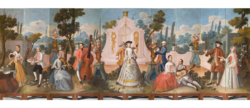
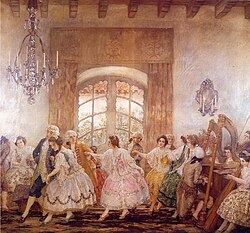
多様なルーツと地域的な広がり
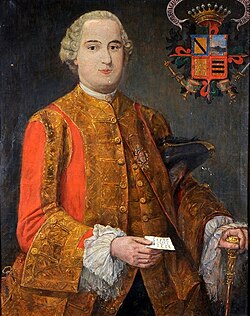
クリオーリョのルーツは、カスティーリャ、アンダルシア、バスク、カタロニアなど、スペインの多様な地域にまで及びます。彼らはメキシコ(新スペイン)だけでなく、チリやアルゼンチンなど、帝国全域に広がっていました。
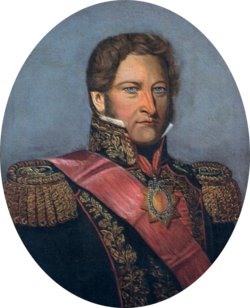
文化の融合と社会的なダイナミズム
クリオーリョが築いた文化は、スペインから持ち込まれたものと、現地のアメリカ先住民やアフリカ系の人々の影響が混ざり合ったものでした。特に音楽面では、スペインのバロック音楽にアフリカ由来のドラムやコンガが加わり、独自の音楽スケールや詩的なレパートリーが発展しました。
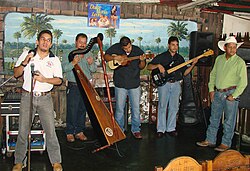
また、宗教的な行事においても、キリスト教の祭礼に先住民の伝統的な祝祭が融合する現象が見られました。イエズス会などは、演劇的な手法を用いて先住民や黒人を教会へ惹きつけ、ヨーロッパの楽器を教えることで文化的な統合を図りました。
奴隷制と自由への道
当時の社会には厳しい奴隷制が存在しましたが、「コアルタシオン(Coartación)」という奴隷法が存在していました。これにより、黒人奴隷が主人に定期的な支払いをすることで自らの自由を買い取ることが可能となり、都市部を中心に多くの自由黒人が誕生しました。また、洗礼を受けることや、白人による私生児としての承認によって自由を得るケースもありました。
独立への道:特権から反逆へ
18世紀後半、スペイン王室による「ブルボン改革」が導入されると、クリオーリョの立場は悪化しました。スペイン本国は戦争費用を捻出するために植民地からの搾取を強め、行政職の多くを本国生まれのペニンスラレスに割り当てました。これにより、クリオーリョは政治的な実権を奪われ、教会内での地位も低下しました。
この差別的な政策に加え、アメリカ独立戦争やフランス革命の思想が流入したことで、クリオーリョの間で反抗心が高まりました。彼らは他のカスタ(人種階級)の支持を取り付け、1809年から1826年にかけてスペインに対する独立戦争を展開しました。
メキシコと中米における展開
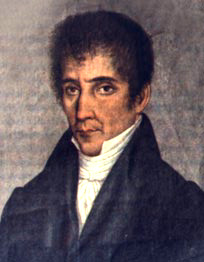
メキシコでは、当初は本国への不満を抱いていたクリオーリョたちが、自身の財産権や教会の権力が脅かされたタイミングで独立運動に合流しました。1821年、保守派や元王党派、クリオーリョによる連合が「イグアラ計画」を策定し、アグスティン・デ・イトゥルビデの下で独立を達成しました。
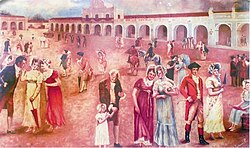
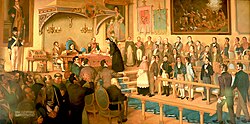
中米においても同様に、1821年までに独立が固まりました。一時的にメキシコ帝国に組み込まれたものの、1823年には独立共和国となりました。その後、自由主義派と保守派の対立による内戦を経て、1841年に連邦体制は崩壊しました。
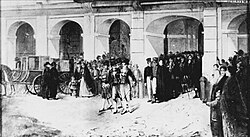
独立後の混乱と統治
独立後、メキシコなどの国々ではクリオーリョが実権を握りました。本国生まれのスペイン人は追放されましたが、依然としてヨーロッパ系の子孫が国家を支配する構造は変わりませんでした。しかし、統治経験の不足から政治的な混乱が続き、指導者が頻繁に交代する不安定な時代が続きました。その後、ベニート・フアレスのような非クリオーリョの指導者が現れることで、ようやく相対的な安定期に入ることとなります。
また、北米のスペイン領だった地域(現在の米国南西部やフロリダ)においても、カリフォルニオスやテハノといった独自の呼称を持つクリオーリョ集団が、地域のアイデンティティを形成していました。
| 階級名 | 出生地 | 主な特徴・地位 |
|---|---|---|
| ペニンスラレス | スペイン本国 | 最高権力者。行政・教会の高位職を独占。 |
| クリオーリョ | アメリカ大陸 | スペイン系。経済的に富裕だが、政治的権利が制限されていた。 |
| メスティーソ | アメリカ大陸 | スペイン人と先住民の混血。中間層。 |
| 先住民・黒人 | 現地 / アフリカ | 社会の最下層。労働力として利用された。 |
Frequently Asked Questions
クリオーリョとペニンスラレスの決定的な違いは何ですか?
どちらもスペイン系の血を引いていますが、出生地が異なります。ペニンスラレスはスペイン本国で生まれ、クリオーリョはアメリカ大陸の植民地で生まれました。この違いにより、本国政府はペニンスラレスをより信頼し、重要な官職に就かせたため、クリオーリョとの間に激しい対立が生じました。
クリオーリョはなぜ独立運動を主導したのですか?
主にブルボン改革による差別的な政策への不満が原因です。行政や教会の要職から排除され、本国による経済的搾取が強まったため、自らの権益を守るために本国からの分離・独立を目指しました。
当時の音楽や文化にはどのような特徴がありましたか?
スペインから導入されたバロック音楽や楽器(ギター、バイオリン、オルガンなど)に、先住民の五音音階やアフリカ系の打楽器が融合しました。これにより、ヨーロッパ、アフリカ、アメリカの三者が混ざり合った独自のハイブリッド文化が形成されました。
奴隷だった人々が自由になる方法はありましたか?
はい。「コアルタシオン」という制度により、奴隷が自ら代金を支払って自由を買い取ることができました。また、白人の主人によって認められた私生児であることや、カトリックへの改宗(特にフロリダなどの地域)によって自由を得る道もありました。
独立後のクリオーリョ統治はどうなったのでしょうか?
多くの国でクリオーリョが権力を握りましたが、統治経験の不足から政治的な不安定さが続きました。メキシコでは短期間に何度も政権が交代し、領土の喪失などの困難に直面しました。その後、より多様な背景を持つ指導者が登場することで社会の安定が進みました。
References
- Donghi, Tulio Halperín (1993). The Contemporary History of Latin America. Duke University Press. p. 49. .
- Carrera, Magali M. (2003). Imagining Identity in New Spain: Race, Lineage, and the Colonial Body in Portraiture and Casta Paintings (Joe R. and Teresa Lozano Long Series in Latin American and Latino Art and Culture). University of Texas Press. p. 12. .
- Mike Duncan (12 June 2016). "Revolutions Podcast" (Podcast). Mike Duncan. Retrieved 28 August 2016.
- "Criollo, criolla | Diccionario de la lengua española".
- Peter A. Roberts (2006). "The odyssey of criollo". In Linda A. Thornburg; Janet M. Miller (eds.). Studies in Contact Linguistics: Essays in Honor of Glenn G. Gilbert. Peter Lang. p. 5. .
- Genealogical historical guide to Latin America – Page 52
- Byrd, Steven (June 2012). "The Afro-Brazilian Speech Of Calunga: Historical, Sociolinguistic, And Linguistic Considerations". University of New England. Retrieved 19 November 2024.
- San Miguel, G. (November 2000). "Ser mestizo en la nueva España a fines del siglo XVIII: Acatzingo, 1792" [Being a mestizo in New Spain at the end of the 18th century: Acatzingo, 1792]. Cuadernos de la Facultad de Humanidades y Ciencias Sociales. Universidad Nacional de Jujuy (in Spanish) (13): 325–342.
- Sherburne Friend Cook; Woodrow Borah (1998). Ensayos sobre historia de la población. México y el Caribe 2. Siglo XXI. p. 223. . Retrieved 12 September 2017.
📸 フォトギャラリー