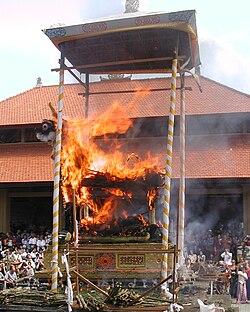
火葬とは、遺体を燃焼させることで最終的な処置を行う方法です。これは埋葬に代わる選択肢として、あるいは葬儀の一環としての儀式として世界中で行われています。インドやネパールなどの地域では、屋外の火葬炉(パイル)を用いる伝統が古くから根付いていますが、現代の多くの国では、火葬場にある密閉された専用の炉(火葬炉)が一般的に利用されています。
Key Facts
- 遺骨の組成: 火葬後の遺灰は完全な灰ではなく、燃え残った骨の無機質(骨片)であり、通常は粉末状に粉砕されます。
- 平均重量: 成人の遺骨の重量は概ね876gから3,784gの間であり、一般的に男性の方が女性よりも重くなる傾向があります。
- 現代の技術: 現代の火葬炉は871〜982°Cの高熱を発生させ、成人の遺体を処理するのに平均して約90分を要します。
- 世界的な傾向: 日本のように火葬率が極めて高い(99.97%)国がある一方で、宗教的理由から伝統的に埋葬を重視する国々でも、コストや土地不足により火葬への移行が進んでいます。
火葬の歴史的変遷
古代から中世まで
火葬の習慣は非常に古く、ヒンドゥー教やジャイナ教では推奨される儀式となっています。インドでは紀元前1900年頃の「墓地H文化」において火葬の痕跡が確認されており、ヴェーダ文明の初期段階からこの習慣が存在していたことが分かっています。
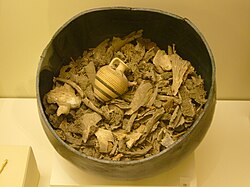
中世以降のヨーロッパでは、宗教的な制約から火葬は避けられてきました。しかし、17世紀には医師のサー・トーマス・ブラウンが、時間の経過による忘却の手段として火葬を提唱しました。また、1769年にはロンドンのハノーバー広場で、記録に残る近代ヨーロッパ初の火葬(違法な形での実施)が行われた事例があります。
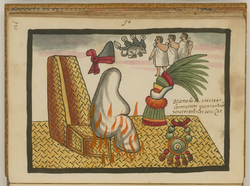
近代における再導入と普及
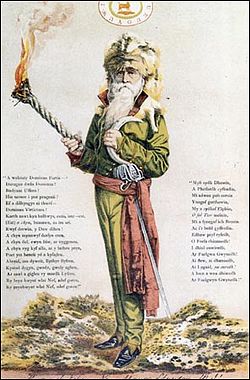
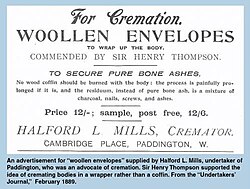
19世紀後半になると、火葬は再び注目を集めました。イギリスでは1885年にウォーキングで初の公式な火葬が行われ、その後「英国火葬協会」の活動によって普及が進みました。当初は単なる遺体処理の施設でしたが、次第に礼拝堂を併設するなど、葬儀の場としての機能を持つ現代的な火葬場の形態へと進化しました。
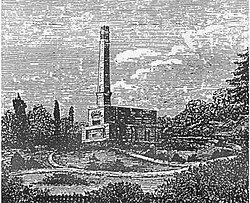
この動きは世界的に広がり、オーストラリアでは1901年にアデレードに近代的な火葬場が建設されました。オランダでも1874年に選択的火葬協会が設立され、法的な議論を経て1955年には正式に法的に認められるに至りました。
一方で、歴史の中には悲劇的な利用例もあり、第二次世界大戦中のナチス・ドイツによる絶滅収容所(アウシュヴィッツなど)では、大量虐殺の隠蔽のために火葬施設が利用されました。
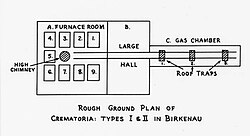
現代の火葬プロセスと技術
火葬のメカニズム
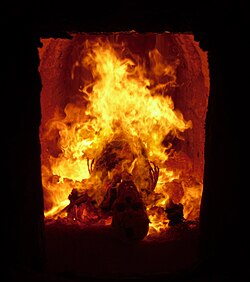
現代の火葬炉は、石油、天然ガス、プロパンなどの燃料を使用し、遺体を完全に分解させるための高温環境を作り出します。遺体を収めた容器が炉(リトルト)に入れられ、760〜1,150°Cの熱によって、内臓や軟組織などの大部分が気化・酸化し、排気システムを通じて放出されます。
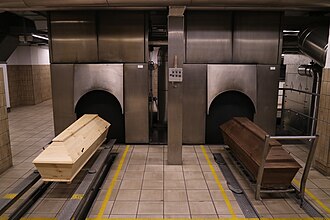
遺骨の回収と処理
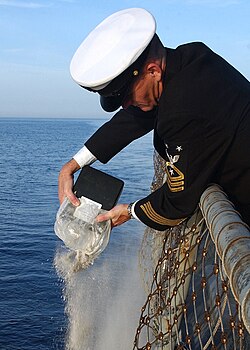
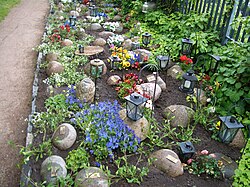
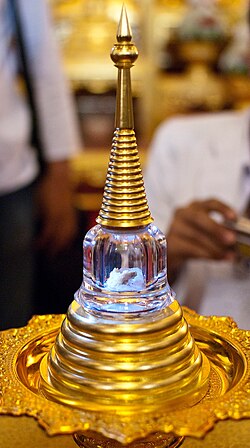
燃焼後には、無機質で不活性な骨の断片が残ります。これらは健康上のリスクはなく、一般的に粉砕機で粉末状に加工されます。回収された遺骨は、骨壺に納められたり、親族が保管したり、あるいは自然に散骨されたりします。
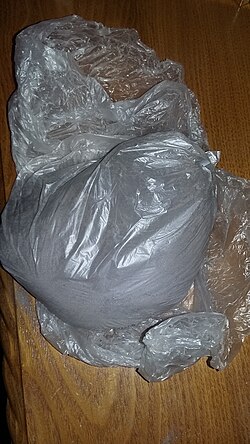
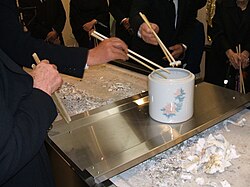
文化によっては、火葬後に遺骨を丁寧に拾い上げる儀式(日本の骨上げなど)が行われることもあります。
宗教的視点と社会的要因
宗教による受容の違い
キリスト教においては、宗派によって受容の速度が異なりました。英国国教会やルター派では比較的早く受け入れられましたが、カトリック教会は慎重な姿勢を取り、1963年の第二バチカン公会議でようやく禁止が解除されました。ただし、カトリックでは遺灰を散布せず、埋葬または安置することが条件となっています。
一方で、イスラム教やユダヤ教の伝統的な解釈では、遺体への損壊を禁じているため、火葬は厳格に禁止または否定される傾向にあります。
![An 1820 painting showing a Hindu funeral procession in South India. The pyre is to the left, near a river, the lead mourner is walking in front, the dead body is wrapped in white and is being carried to the cremation pyre, relatives and friends follow.[6]](/images/b2/16/b21631ad3564a823a53f28bf97c1fd323a5554ff75a3201c5c08ff6ab3062c90.jpg)
火葬率上昇の背景
近年、伝統的に埋葬を行っていた国々(アメリカ、カナダ、イギリスなど)でも火葬率が急増しています。その主な要因として、以下の点が挙げられます。
- 経済的理由: 埋葬費用に比べて火葬コストが安価であること。
- 世俗化: 宗教的な制約に縛られない価値観の浸透。
- 土地の不足: 都市部における墓地スペースの枯渇。
まとめ:火葬の概要
| 項目 | 詳細内容 |
|---|---|
| 平均的な処理時間 | 成人1体につき約90分 |
| 炉内温度 | 約871°C 〜 1,150°C |
| 遺骨の平均重量 | 約876g 〜 3,784g |
| 主な燃料 | 天然ガス、石油、プロパンなど |
| 特筆すべき火葬率 | 日本:99.97%(2018年時点) |
Frequently Asked Questions
火葬後の「灰」の正体は何ですか?
一般的に「遺灰」と呼ばれますが、実際には完全に燃え尽きた灰ではなく、燃え残った骨の無機質(骨片)です。これらは通常、機械で粉砕されて粉末状にされます。
火葬は環境にどのような影響を与えますか?
火葬は埋葬に比べて墓地スペースを大幅に節約できるため、土地利用の面で効率的です。また、北欧の一部の都市では、火葬時に発生する余熱を近隣住宅の暖房に利用する取り組みも行われています。
すべての宗教で火葬は認められていますか?
いいえ。ヒンドゥー教や仏教では一般的ですが、イスラム教や伝統的なユダヤ教では、遺体を損なう行為として厳格に禁止されています。キリスト教内でも、宗派や時代によって解釈が異なります。
遺骨の重量に個人差はありますか?
はい、あります。成人の場合、一般的に男性の方が女性よりも遺骨が重くなる傾向にあり、重量範囲は約876gから3,784gまで幅があります。
現代の火葬炉ではどのように完了を判断していますか?
現代の火葬炉には内部を監視する自動モニター機能が備わっており、オペレーターは覗き窓(スパイホール)を通じて内部の状態を確認し、プロセスの完了を判断します。
References
- Matthews Cremation Division (2006), Cremation Equipment Operator Training Program, p. 1
- Gillespie, R (1997) Burnt and unburnt carbon: dating charcoal and burnt bone from the Willandra Lakes, Australia: Radiocarbon 39, 225-236.
- Gillespie, R (1998) Alternative timescales: a critical review of Willandra Lakes dating. Archaeology in Oceania, 33, 169-182.
- Bowler, J.M. 1971. Pleistocene salinities and climatic change: Evidence from lakes and lunettes in southeastern Australia. In: Mulvaney, D.J. and Golson, J. (eds), Aboriginal Man and Environment in Australia. Canberra: Australian National University Press, pp. 47–65.
- "IMS-FORTH: About IMS". Ims.forth.gr. Archived from the original on 18 March 2013. Retrieved 3 October 2017.
- Museum record 2007,3005.2 The British Museum, London
- Cicero, Marcus Tullius (1928). De Legibus. Translated by Clinton Walker Keyes. Loeb Classical Library, Harvard University Press. pp. Book II, Section 56.
At mihi quidem antiquissimum sepulturae genus illud fuisse videtur
- Laqueur, Thomas (30 October 2015). "The burning question – How cremation became our last act of self-determination". The Guardian. Retrieved 4 January 2020.
- S.J. Plunkett, Suffolk in Anglo-Saxon Times (Tempus Publishing, Stroud 2005), 1–62.
- von Döllinger, Johann Joseph Ignaz (1841). A History of the Church. C. Dolman and T. Jomes. p. 9.
The punishment of death was inflicted on the refusal of baptism, on the heathen practice of burning the dead, and on the violation of the days of fasting [...]
📸 フォトギャラリー