A single concrete block, as used for construction
← ホームへ戻る
コンクリートポルトランドセメント水和反応鉄筋コンクリート建築材料

コンクリートの科学と歴史:現代社会を支える万能建築素材の全貌

🗓 2026年8月10日

水に次いで世界で最も消費されている物質であり、建築材料としては比類なきシェアを誇るのがコンクリートです。私たちの身の回りにある道路、橋、高層ビルなど、現代文明の基盤の多くはこの素材によって形作られています。単なる「固い石のような物質」に見えますが、その実態は化学反応によって強度を得る高度な複合材料です。

本記事では、コンクリートがどのように作られ、どのような進化を遂げてきたのか、その科学的なメカニズムから最新の技術までを詳しく解説します。
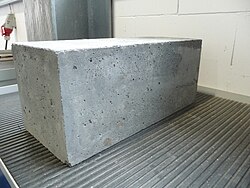
A single concrete block, as used for construction

Key Facts

  • 世界最大の製造量: 水に次いで世界で2番目に多く利用されている物質である。
  • 化学的硬化: 単に乾燥して固まるのではなく、「水和反応」という化学変化によって強度を得る。
  • 複合素材: セメント、水、そして骨材(砂や砂利)を混合して作られる。
  • 補強の重要性: 圧縮には強いが引張力に弱いため、鉄筋などを組み込んだ「鉄筋コンクリート」が一般的である。

コンクリートを構成する要素と硬化のメカニズム

コンクリートは、流動性のあるセメントペーストが骨材(砂利や砂などの粒子)を包み込み、それが固まることで一体化した複合材料です。一般的に使用されるポルトランドセメントに水を加えると、水和反応と呼ばれる化学反応が始まります。

この反応は発熱を伴うため、周囲の温度が硬化速度に大きな影響を与えます。また、用途に応じて凝結時間を調整したり、物理的特性を向上させたりするために、ポゾラン材料や高性能減水剤などの混和剤が添加されることがあります。
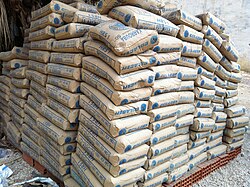
Several tons of bagged cement, about two minutes of output from a 10,000 ton per day cement kiln

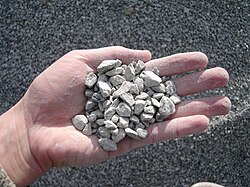
Crushed stone aggregates

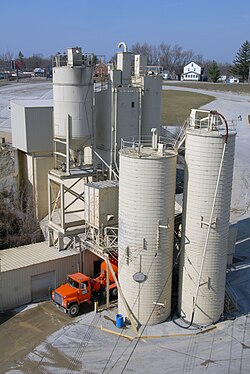
Concrete plant showing a concrete mixer being filled from ingredient silos

骨材とセメントの役割

骨材はコンクリートの骨格となり、体積の大部分を占めます。一方、セメントはそれらを結合させる接着剤の役割を果たします。この配合比率(配合設計)によって、コンクリートの強度や耐久性が決定されます。
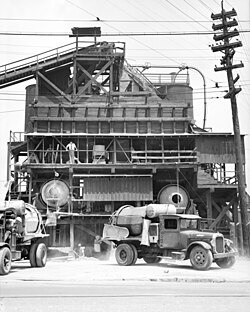
Concrete mixing plant in Birmingham, Alabama, in 1936

養生の重要性

コンクリートを打設した後、適切な強度を確保するためには「養生」というプロセスが不可欠です。水分が急激に蒸発するのを防ぎ、水和反応を十分に進行させるために、散水や被覆などの処置が行われます。
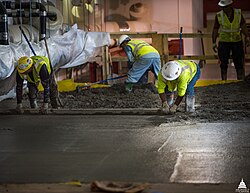
Concrete floor of a parking garage being placed

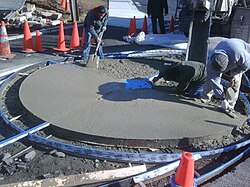
Pouring and smoothing out concrete at Palisades Park in Washington, DC

A concrete slab being kept hydrated during water curing by submersion (ponding)

歴史的変遷:古代ローマから現代まで

コンクリートの利用は現代だけではありません。古代ローマ時代には、火山灰などを利用した「オプス・カエメンティキウム(Opus caementicium)」という先駆的なコンクリート技術が存在していました。彼らが造ったパンテオンのドームは、今なお世界最大の無筋コンクリートドームとしてその威容を誇っています。

Exterior of the Roman Pantheon, finished 128 AD, the largest unreinforced concrete dome in the world.[16]

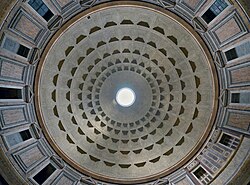
Interior of the Pantheon dome, seen from beneath. The concrete for the coffered dome was laid on moulds, mounted on temporary scaffolding.

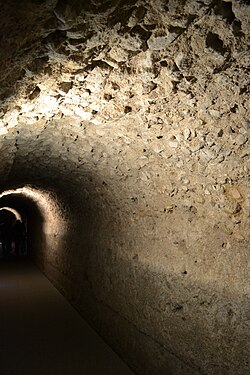
Opus caementicium exposed in a characteristic Roman arch. In contrast to modern concrete structures, the concrete used in Roman buildings was usually covered with brick or stone.

中世を経て、19世紀初頭に現代の基礎となるポルトランドセメントが発明されたことで、コンクリートは飛躍的な進化を遂げました。1849年にはジョゼフ・モニエによって鉄筋コンクリートが考案され、1853年にはフランソワ・コニェが世界初の鉄筋コンクリート住宅を建設しました。これにより、コンクリートの弱点であった引張強度が克服され、より自由で強固な構造物の設計が可能となりました。
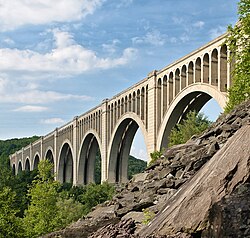
The Tunkhannock Viaduct in northeastern Pennsylvania opened in 1915 and is still in regular use today

多様なコンクリートの種類と応用技術

現代では、標準的なコンクリート以外にも、特定の目的に特化した多様なバリエーションが開発されています。

構造的アプローチ

  • 鉄筋コンクリート: 内部に鉄筋を配置し、圧縮と引張の両方に対応させたもの。
  • プレキャストコンクリート: 工場で製品を製造し、現場で組み立てる方式。品質管理が容易で工期を短縮できます。
  • プレストレストコンクリート: あらかじめ圧縮力を加えておくことで、ひび割れを防ぎ、より長いスパンの構造を実現します。
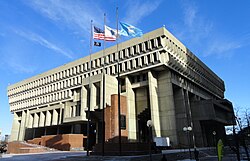
Boston City Hall (1968) is a Brutalist design constructed largely of precast and poured-in-place concrete.

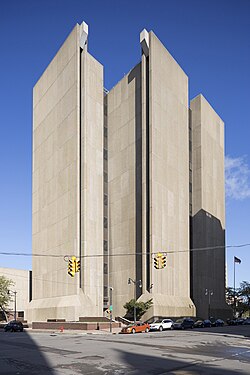
The City Court Building in Buffalo, New York

Christ the Redeemer statue in Rio de Janeiro, Brazil. The monument is made of reinforced concrete clad in a mosaic of thousands of triangular soapstone tiles.[128]

特殊コンクリートと新素材

環境負荷の低減や機能性の向上を目指し、以下のような特殊なコンクリートも登場しています。

  • ナノコンクリート: ナノレベルの材料を配合し、極めて高い強度や緻密さを実現した素材。
  • 透水性コンクリート: 水を通す構造を持ち、都市の浸水対策などに利用されます。
  • リサイクル骨材コンクリート(RAC): 解体廃棄物を再利用し、環境負荷を軽減したコンクリート。
  • ローラー圧密コンクリート(RCC): ダムなどの大規模構造物で用いられる、転圧機で締め固める方式。
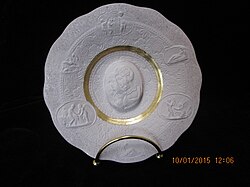
Decorative plate made of Nano concrete with High-Energy Mixing (HEM)

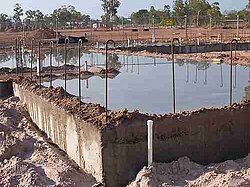
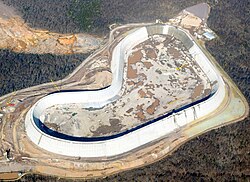
Aerial photo of reconstruction at Taum Sauk (Missouri) pumped storage facility in late November 2009. After the original reservoir failed, the new reservoir was made of roller-compacted concrete.

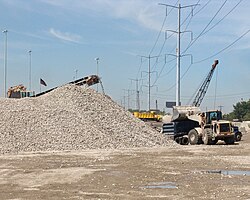
Recycled crushed concrete, to be reused as granular fill, is loaded into a semi-dump truck.

施工と品質管理

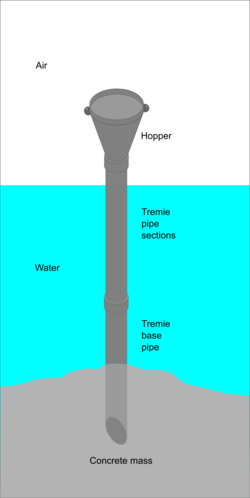
コンクリートの施工には、環境条件への配慮が欠かせません。特に寒冷地での施工(Cold Weather Placement)では、気温が4.5℃を下回る期間が続く場合、凍結を防ぐための特別な対策が求められます。また、水中での打設にはトレミー管という専用の設備が使用されます。
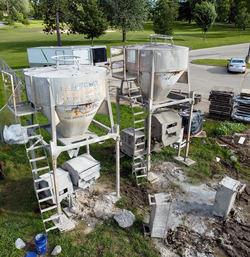
Concrete hoppers to store concrete from concrete mixing transport trucks

Assembled tremie placing concrete underwater

品質管理においては、円柱状の供試体を用いて圧縮強度試験を行い、設計通りの強度が出ているかを確認します。
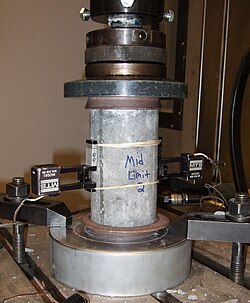
Compression testing of a concrete cylinder

環境への影響と持続可能性

コンクリートは非常に便利ですが、セメント製造過程で大量の二酸化炭素を排出することが課題となっています。そのため、現在は「ゆりかごからゆりかごまで(Cradle-to-Cradle)」の考えに基づいた循環型モデルへの移行が進んでいます。
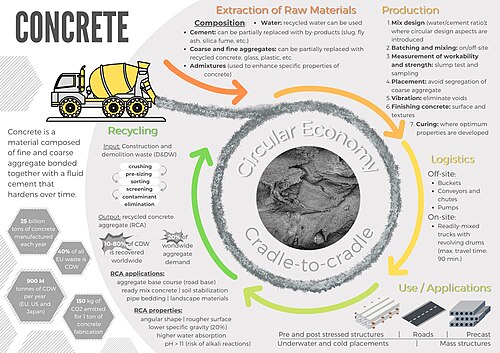
Infographic of the circularity of concrete from cradle-to-cradle

また、表面仕上げの技術向上により、研磨された玄武岩コンクリートのような意匠性の高い床材や、芸術的な壁面装飾など、機能面だけでなく美的な価値を高める活用法も広がっています。
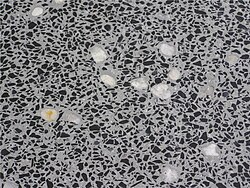
basalt polished concrete floor

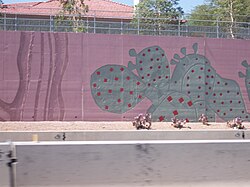
Stylized cacti decorate a sound/retaining wall in Scottsdale, Arizona

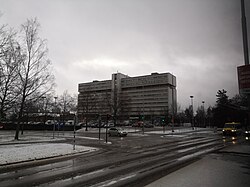
Pohjolatalo, an office building made of concrete in the city center of Kouvola in Kymenlaakso, Finland

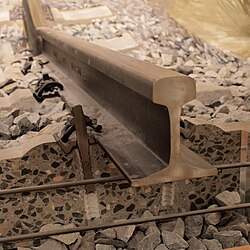
さらに、歴史的な建造物の維持管理から、現代のインフラ整備まで、コンクリートは常に進化し続けています。例えば、イギリスのスメートン・タワーのような歴史的構造物から、現代の鉄道用コンクリート枕木に至るまで、その用途は多岐にわたります。
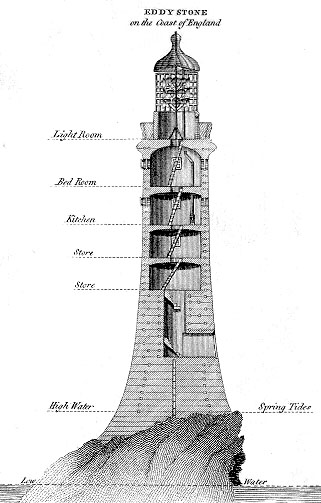
Smeaton's Tower in Devon, England

Cross section of a concrete railway sleeper below a rail

コンクリート特性まとめ

コンクリートの主要構成要素と特性
要素/種類 主な役割・特徴 備考
ポルトランドセメント 主要な結合材(バインダー) 水と反応して硬化する
骨材(砂・砂利) 構造的な骨格の形成 体積の大部分を占める
水和反応の誘発と流動性の確保 水セメント比が強度に影響
鉄筋 引張強度の補完 鉄筋コンクリートの核心
混和剤 硬化時間の調整、流動性向上 用途に応じた化学添加物

Frequently Asked Questions

コンクリートは乾燥して固まるのですか?

いいえ、単なる乾燥ではありません。セメントと水が化学的に反応する「水和反応」によって結晶構造が形成され、石のように固まります。そのため、完全に硬化するまでは適切な水分を保持する「養生」が必要です。

鉄筋を入れないとどうなりますか?

コンクリートは圧縮される力には非常に強いですが、引っ張られる力(引張強度)には極めて弱いため、鉄筋がないと構造物が容易にひび割れたり、崩壊したりする危険があります。そのため、構造材にはほぼ必ず鉄筋が組み込まれます。

環境への負荷を減らす方法はありますか?

セメントの代替としてフライアッシュ(石炭火力発電所の灰)や高炉スラグなどの産業副産物を混ぜることで、CO2排出量を削減する取り組みが行われています。また、解体後のコンクリートを砕いて再利用するリサイクル骨材の活用も進んでいます。

プレキャストコンクリートのメリットは何ですか?

工場という管理された環境で製造するため、天候に左右されず高品質な製品を作ることができます。また、現場での作業時間を大幅に短縮できるため、工期の効率化が可能です。

古代ローマのコンクリートが長持ちしている理由は?

古代ローマでは火山灰を利用しており、これが海水などと反応して時間の経過とともにさらに強度を増す特性を持っていたと考えられています。現代のコンクリートとは異なる化学組成が、数千年の耐久性を実現しました。

References

  1. Values shown are approximate: those of a specific material may vary.
  2. ASTM C618 Class F
  3. ASTM C618 Class C
  4. Specific surface measurements for silica fume by nitrogen adsorption (BET) method, others by method (Blaine).

📸 フォトギャラリー

A single concrete block, as used for construction
Exterior of the Roman Pantheon, finished 128 AD, the largest unreinforced concrete dome in the world.[16]
Interior of the Pantheon dome, seen from beneath. The concrete for the coffered dome was laid on moulds, mounted on temporary scaffolding.
Opus caementicium exposed in a characteristic Roman arch. In contrast to modern concrete structures, the concrete used in Roman buildings was usually covered with brick or stone.
Smeaton's Tower in Devon, England
Cross section of a concrete railway sleeper below a rail
Several tons of bagged cement, about two minutes of output from a 10,000 ton per day cement kiln
Crushed stone aggregates
Concrete plant showing a concrete mixer being filled from ingredient silos
Concrete mixing plant in Birmingham, Alabama, in 1936
Concrete floor of a parking garage being placed
Pouring and smoothing out concrete at Palisades Park in Washington, DC
A concrete slab being kept hydrated during water curing by submersion (ponding)
Decorative plate made of Nano concrete with High-Energy Mixing (HEM)
Infographic of the circularity of concrete from cradle-to-cradle
Compression testing of a concrete cylinder
Boston City Hall (1968) is a Brutalist design constructed largely of precast and poured-in-place concrete.
The City Court Building in Buffalo, New York
Christ the Redeemer statue in Rio de Janeiro, Brazil. The monument is made of reinforced concrete clad in a mosaic of thousands of triangular soapstone tiles.[128]
Aerial photo of reconstruction at Taum Sauk (Missouri) pumped storage facility in late November 2009. After the original reservoir failed, the new reservoir was made of roller-compacted concrete.
basalt polished concrete floor
Stylized cacti decorate a sound/retaining wall in Scottsdale, Arizona
Concrete hoppers to store concrete from concrete mixing transport trucks
Pohjolatalo, an office building made of concrete in the city center of Kouvola in Kymenlaakso, Finland
Assembled tremie placing concrete underwater
Recycled crushed concrete, to be reused as granular fill, is loaded into a semi-dump truck.
The Tunkhannock Viaduct in northeastern Pennsylvania opened in 1915 and is still in regular use today