社会のあり方を変えようとする際、武器を持たず、暴力に頼らずに権力に立ち向かう手法があります。それが市民抵抗(シビル・レジスタンス)です。これは、一般市民が非暴力的な手段を用いて、特定の政策や政権、あるいは不当な権力構造に異議を唱える政治的行動を指します。
市民抵抗の核心は、単なる抗議ではなく、相手側の「権力の柱」を切り崩すことにあります。警察、軍隊、宗教指導者、経済エリートといった、政権を支える基盤に圧力をかけ、その忠誠心を揺さぶることで、体制の維持を困難にさせます。その手法は多岐にわたり、デモや請願といった直接的な表現から、ストライキ、ボイコット、あるいは政府に代わる独自の組織(パラレル・インスティテューション)の構築まで、戦略的に使い分けられます。
Key Facts
- 非暴力の戦略的選択: 多くの運動において、非暴力は道徳的な信念だけでなく、政治的な実効性を高めるための「現実的な選択」として採用される。
- 権力の基盤を標的に: 治安部隊や官僚などの支持基盤に忠誠心の変化を促すことが、成功の鍵となる。
- 高い成功率の傾向: 過去の分析では、暴力的な抵抗よりも非暴力的な手法の方が、戦略的目標を達成する確率が高いことが示されている。
- 現代的な課題: 近年では、権力側の対策(権威主義的な学習)や、SNSへの過度な依存により、成功率が低下傾向にあるとの指摘がある。
市民抵抗の歴史的展開と事例
市民抵抗の概念を世界に知らしめた先駆者はマハトマ・ガンディーです。彼はイギリスの植民地支配下にあったインドにおいて、不服従運動や行進、独自の社会制度の構築という3つの主要戦術を組み合わせ、独立への道を切り拓きました。
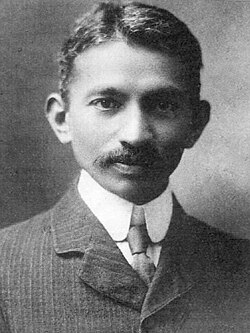
その後、この手法は世界各地の民主化運動や人権擁護活動に波及しました。1950年代から60年代のアメリカにおける公民権運動や、1970年代のポルトガルでの「カーネーション革命」、フィリピンの「ピープルパワー革命」などがその代表例です。また、1989年の東欧革命では、多くの国々で非暴力的な市民の力が共産主義体制を崩壊へと導きました。

21世紀に入っても、市民抵抗は重要な役割を果たし続けています。2000年代のセルビア、ジョージア、ウクライナでの「カラー革命」や、2011年に中東・北アフリカで巻き起こった「アラブの春」などが挙げられます。これらの運動は、選挙不正への抗議や独裁政権の打倒を目的として展開されました。
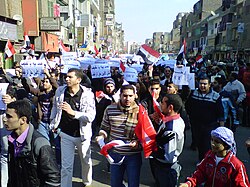
一方で、ミャンマーの「サフラン革命」のように、僧侶や学生が中心となって権力に挑んだ事例もあります。こうした運動のリーダーたちは、非暴力を単なる道徳的義務ではなく、政治的な目的を達成するための最も効率的な手段として捉えていることが多いのが特徴です。

戦略的有効性と現代の限界
市民抵抗がなぜ機能するのかについて、マリア・J・ステファンとエリカ・チェノウェスによる大規模な研究(1900年〜2006年の300以上の事例分析)では、非暴力的な抵抗は暴力的な手法よりも戦略的目標を達成しやすいことが結論づけられています。特に、治安部隊や官僚組織が政権への忠誠を捨て、市民側に回った場合に成功率は飛躍的に高まります。
しかし、状況は変化しています。2020年の最新研究によれば、2010年代以降、市民抵抗の成功率は低下しています。その要因として、独裁政権側が非暴力運動への対処法を学習したことや、活動家がデジタルツール(SNSなど)による組織化に頼りすぎ、実効性のある地道な基盤構築を疎かにしたことが挙げられています。また、パンデミックによる集会制限も、戦略的な計画立案へのシフトを余儀なくさせる要因となりました。
権力構造との相互作用とリスク
市民抵抗は、しばしば既存の権力バランスの変化に応じて発生します。植民地支配国の内部混乱や、軍事的な後退などが、市民が立ち上がるきっかけとなることがあります。また、抵抗側と権力側が妥協点を見出す「円卓会議」のような交渉プロセスを経て、平和的な政権交代が実現する場合もあります。
ただし、非暴力運動が必ずしも平和な結末を迎えるとは限りません。運動が失敗に終わったと見なされた場合や、政権側が極端な暴力で弾圧した場合、あるいは政権崩壊後に権力の空白が生じた場合、結果として武装闘争や内戦へと発展するリスクを孕んでいます。シリアやリビア、イエメンなどの事例は、非暴力的な始まりが悲劇的な武力衝突へと転じた厳しい現実を示しています。
興味深いことに、非暴力運動のリーダーが政権に就いた後も、国家としての治安維持のために軍隊や安全保障体制を維持し、NATOのような軍事同盟への加盟を認めるケースが多く見られます。これは、抵抗手段としての「非暴力」と、国家統治における「安全保障」を切り離して考えているためと言えます。
市民抵抗の概要まとめ
| 項目 | 内容 |
|---|---|
| 主な目的 | 不当な権力、政策、政権への挑戦と変更 |
| 基本戦術 | デモ、ストライキ、ボイコット、並行制度の構築 |
| 成功の鍵 | 治安部隊や官僚などの支持基盤(権力の柱)の切り崩し |
| メリット | 暴力的な手法よりも戦略的成功率が高い傾向にある |
| 現代の課題 | 権威主義側の学習、デジタル依存、パンデミックの影響 |
Frequently Asked Questions
市民抵抗と「非暴力」は同じ意味ですか?
密接に関連していますが、市民抵抗はより広い「政治的戦略」を指します。単に暴力を避けるという倫理的な姿勢だけでなく、相手の権力基盤を弱めるための具体的な戦術(ボイコットやストライキなど)を体系的に用いる行動を指します。
なぜ非暴力の方が成功しやすいと言われるのですか?
暴力的な抵抗は、政権側に「治安維持」という大義名分を与え、治安部隊の結束を強めてしまいます。一方で、非暴力的な抵抗は、一般市民の参加ハードルを下げ、結果として治安部隊や官僚が「自分たちが弾圧している相手は、自分たちの家族や隣人である」と気づき、忠誠心を失わせやすいためです。
SNSは市民抵抗にどのような影響を与えましたか?
初期段階での情報拡散や動員を劇的に加速させましたが、一方で「クリック一つで参加した」と感じる浅い連帯感を生みやすく、長期的な戦略立案や強固な組織構築を妨げる要因になったと分析されています。
非暴力運動が内戦に発展することはありますか?
はい、あります。政権側が極めて激しい暴力で弾圧した場合や、政権崩壊後に統治能力を持つ組織が存在せず「権力の空白」が生じた場合、武装勢力が台頭し、内戦へと移行するリスクがあります。
市民抵抗の成功例を調べるためのリソースはありますか?
国際非暴力紛争センター(ICNC)のライブラリや、スワースモア大学の「Global Nonviolent Action Database」などが、世界中の膨大な事例を記録している主要なリソースとして知られています。
References
- Examples of the use of the term "civil resistance" include and , Why Civil Resistance Works: The Strategic Logic of Nonviolent Conflict, Columbia University Press, New York, 2011; Howard Clark, Civil Resistance in Kosovo, Pluto Press, London, 2000; Sharon Erickson Nepstad, Nonviolent Revolution: Civil Resistance in the Late 20th Century Archived 20 October 2012 at the , Oxford University Press, New York, 2011; , Civil Resistance, Fontana, London, 1994; , Civil Resistance in the East European and Soviet Revolutions Archived 13 December 2012 at the , Albert Einstein Institution, Massachusetts, 1991.
- Merriman, Hardy (3 May 2023). "The Trifecta of Civil Resistance: Unity, Planning, Discipline". The Commons Social Change Library. Retrieved 19 September 2024.
- International Center on Nonviolent Conflict; Beer, Michael (16 April 2021). "Civil Resistance Tactics in the 21st Century: Report and Webinar". The Commons Social Change Library. Retrieved 19 September 2024.
- This is abstracted from the longer definition of "civil resistance" in Adam Roberts, Introduction, in Adam Roberts and Timothy Garton Ash (eds.), Civil Resistance and Power Politics: The Experience of Non-violent Action from Gandhi to the Present, Oxford University Press, 2009, pp. 2–3. See also the short definition in Gene Sharp, Sharp's Dictionary of Power and Struggle: Language of Civil Resistance in Conflicts Archived 11 October 2017 at the , Oxford University Press, New York, 2011, p. 87.
- See e.g. the report by Peter Ackerman, Adrian Karatnycky and others, How Freedom is Won. From Civil Resistance to Durable Democracy, Freedom House, New York, 2005 Archived 27 May 2006 at the
- Adam Roberts and Timothy Garton Ash (eds.), Civil Resistance and Power Politics: The Experience of Non-violent Action from Gandhi to the Present, Oxford University Press, 2009. Include chapters by specialists on nineteen movements between 1917 and 2007.
- Engler, Mark; Engler, Paul (3 December 2023). "From the Berlin Wall to Today — Lessons for Harnessing the Moment of the Whirlwind". The Commons Social Change Library. Retrieved 19 September 2024.
- Commons Librarian (7 March 2022). "Perspectives on Ukrainian Civil Resistance". The Commons Social Change Library. Retrieved 19 September 2024.
- , "The Technique of Non-violent Action", in Adam Roberts (ed.), The Strategy of Civilian Defence: Non-violent Resistance to Aggression, Faber, London, 1967, at pp. 98–104.
- See for example his discussion of "Illustrations from the Past" in Gene Sharp, (see ), Porter Sargent, Boston, 1973, pp. 75–97; and his short accounts of numerous cases in Gene Sharp and others, Waging Nonviolent Struggle: 20th Century Practice and 21st Century Potential, Porter Sargent, Boston, 2005, pp. 69–356.
📸 フォトギャラリー