Book burning in Chile following the 1973 coup that installed the Pinochet regime
← ホームへ戻る
チリアウグスト・ピノチェト軍事独裁クーデター人権侵害

チリ軍事独裁政権(1973-1990)ピノチェト体制の光と影

🗓 2026年8月12日

1973年から1990年にかけて、チリはアウグスト・ピノチェト将軍率いる軍事政権による統治下にありました。この時代は、冷戦という世界的な緊張の中で、激しい政治的弾圧と急進的な経済改革が同時に行われた、チリ近代史において最も議論を呼ぶ期間です。民主主義が停止し、軍事評議会が国家の権力を掌握したこの17年間は、国民に深い傷跡を残すと同時に、国家の経済構造を根本から変貌させました。

主要な事実(Key Facts)

  • 政権期間:1973年9月11日のクーデターから1990年3月11日の民主化まで。
  • 最高権力者:アウグスト・ピノチェト(1974年から1990年まで大統領を兼任)。
  • 政治体制:軍事評議会による独裁体制。1981年には新憲法を制定。
  • 人権状況:DINA(国家情報局)などによる組織的な拷問、殺害、強制失踪が横行。
  • 経済政策:「シカゴ・ボーイズ」による新自由主義的な市場開放と民営化を推進。
  • 終焉:1988年の国民投票(プレビシト)でピノチェト続投案が否決され、民主的な政権へ移行。

権力の掌握と政治的弾圧

1973年9月11日、軍部によるクーデターが発生し、当時のアジェンデ政権が崩壊しました。直後から、政権に反対する知識人や政治活動家に対する激しい弾圧が始まりました。書籍の焼却や政治的シンボルの禁止など、思想的な統制が徹底されました。
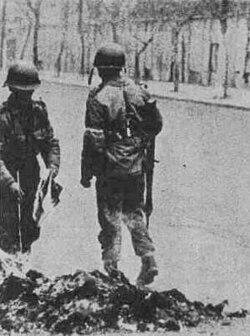
Book burning in Chile following the 1973 coup that installed the Pinochet regime

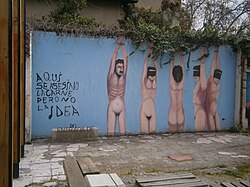
軍部は国家スタジアムなどを収容所として利用し、数多くの人々を拘束しました。特にDINA(国家情報局)が主導した拷問センターでは、非人道的な扱いが日常的に行われていました。また、軍による「偽装戦闘」という名目で、反対派を殺害し、あたかも交戦中に死亡したかのように偽装する事件も多発しました。
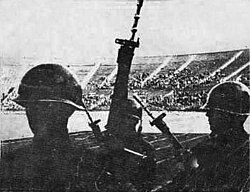
Estadio Nacional de Chile as a concentration camp after the coup
DINA's torture center at José Domingo Cañas 1367

これらの人権侵害は国内に留まらず、「コンドル作戦」と呼ばれる南米諸国の独裁政権間の連携により、国外に逃れた亡命者への追跡や暗殺にも及びました。元大臣のオルランド・レトリエールが米国ワシントンD.C.で暗殺された事件は、その象徴的な事例です。
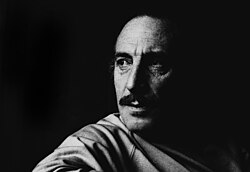
Orlando Letelier, a former Chilean minister, was assassinated in Washington, D.C. in 1976.

独裁体制下の社会と権力構造

ピノチェト将軍は軍事評議会のトップとして絶対的な権力を握りました。1980年には、軍の権限を維持しつつ形式的な法枠組みを整えるための新憲法を制定し、自身の支配を正当化しようとしました。
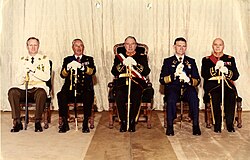
The Military Junta by 1985.

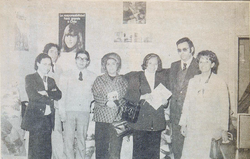
社会的な統制が進む一方で、女性たちによる「行方不明者家族協会」などの草の根的な抵抗運動が展開されました。また、カトリック教会の一部も人権侵害に対して批判的な声を上げ、弾圧される人々への支援活動を行いました。
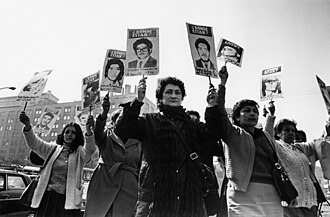
Women of the Association of Families of the Detained-Disappeared demonstrate in front of La Moneda Palace during the Pinochet military regime.
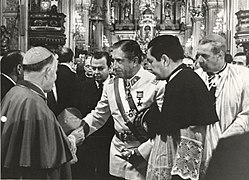
Pinochet at the 1976 Te Deum in the Santiago Metropolitan Cathedral. Seen from behind is Cardinal Raúl Silva Henríquez.

文化面では、伝統的な民族楽器であるチャランゴなどの使用が制限されるなど、左派的な文化傾向を持つ芸術や音楽が弾圧の対象となりました。
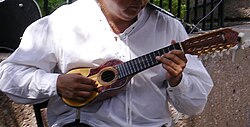
Charango, a musical instrument banned by the dictatorship

経済改革と社会インフラの整備

ピノチェト政権の最大の特徴の一つは、経済面での急進的な転換です。「シカゴ・ボーイズ」と呼ばれる経済学者たちが主導し、自由市場経済への移行、国営企業の民営化、貿易の自由化を断行しました。これにより、一部では高いGDP成長率を記録し、「チリの奇跡」と呼ばれました。
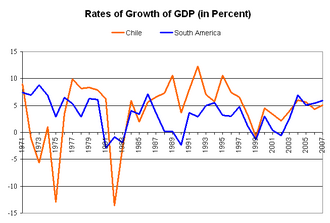
Chilean (orange) and average Latin American (blue) rates of growth of GDP (1971–2007)

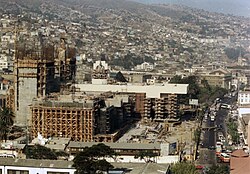
同時に、政権は国家の統合と近代化を掲げ、大規模な公共事業を推進しました。南部の未開地を結ぶ「カレテラ・アウストラル(南方道路)」の建設や、ヴァルパライソにおける国会議事堂の建設などがその例です。
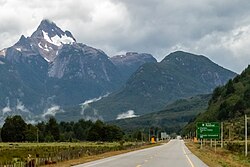
In 1976, construction began of the Carretera Austral to connect large parts of the Southern Zone of Chile by land.
The National Congress of Chile Building in Valparaíso around 1988 during its construction.

社会政策としては、子供の栄養失調対策などの保健医療分野での成果が見られた一方で、住宅政策においては貧困層の強制移住などの問題も抱えていました。
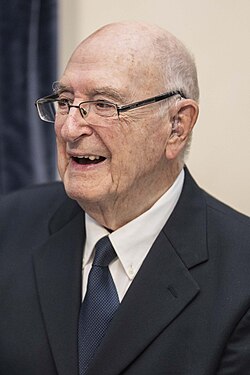
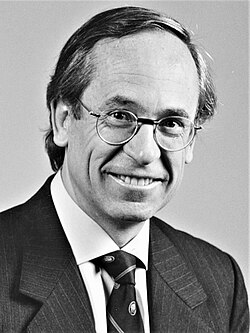
Dr. Fernando Monckeberg championed policies to combat child malnutrition in Chile.

外交関係と国際的な緊張

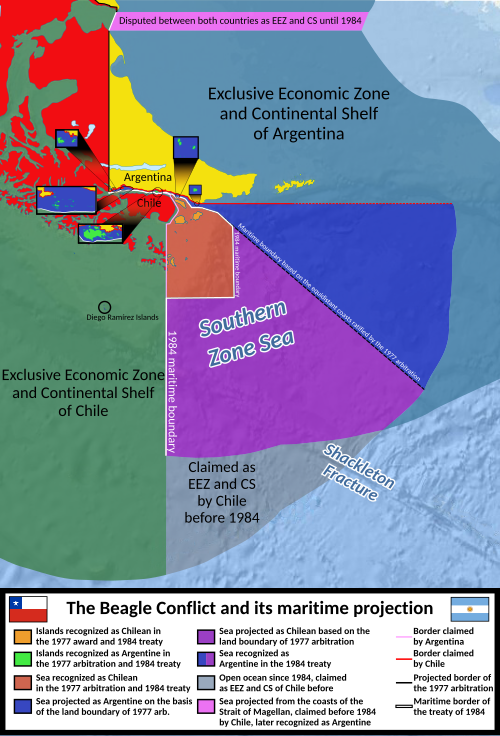
外交面では、米国との関係が複雑に変化しました。当初は米国の支援を受けましたが、後にジミー・カーター政権下で人権問題が重視されるようになり、緊張が高まりました。また、隣国アルゼンチンとの間ではビーグル海峡を巡る領土紛争(ビーグル紛争)が発生し、一時は戦争寸前の状態にまで至りました。
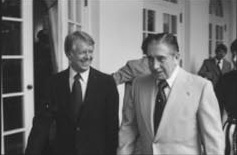
Pinochet meeting with U.S. President Jimmy Carter in Washington, D.C., September 6, 1977
The Beagle Conflict and its maritime projection.

米国議会ではエドワード・ケネディ上院議員らが軍事独裁政権への武器禁輸を推進し、国際的な圧力が強まりました。
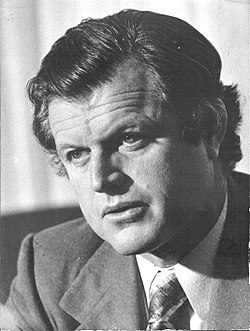
The United States senator Edward "Ted" Kennedy promoted an arms embargo against Latin American military dictatorships, affecting Chile during a period of strong regional tension with its neighbors.

民主主義への回帰

1980年代後半になると、経済危機や社会的不満の高まりから、反政府デモが激化しました。1988年10月5日、ピノチェト大統領の任期延長を問う国民投票(プレビシト)が実施されました。

「Yes(続投)」を掲げる陣営に対し、「No(反対)」を掲げる陣営は虹のロゴマークをシンボルに、平和的な政権交代を訴えました。結果として「No」が勝利し、チリは民主化への道を歩み始めました。

Symbol of the "Yes" option.
Main logo of the No campaign, el arcoíris (the rainbow)

1989年の総選挙を経て、1990年3月11日にパトリシオ・アイルウィンが大統領に就任し、17年に及ぶ軍事独裁時代は終焉を迎えました。
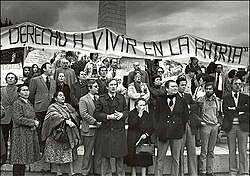
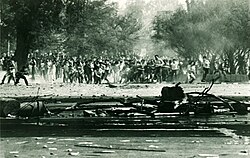
Peaceful protest against Pinochet, 1985
Protesters in O'Higgins Park, Santiago, on May 1, 1984

政権の遺産と記憶

ピノチェト政権が残した遺産は、経済的な成長という側面と、数多くの犠牲者という深い悲劇の二面性を持っています。現在でも、強制失踪した人々を悼む記念碑や、犠牲者の遺骨が納められた墓地が、当時の惨劇を後世に伝えています。
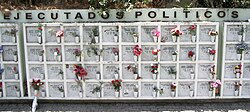
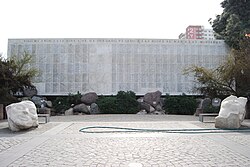
Some funeral urns of political activists executed by the Chilean military dictatorship, from 1973 to 1990, in the cemetery of Santiago
Memorial to the people who were disappeared during the Pinochet's regime

また、政権末期に導入された制度や、先住民族マプチェへの政策、イースター島(ラパヌイ)への統治など、現代のチリが抱える多くの社会課題の根源がこの時代にあります。
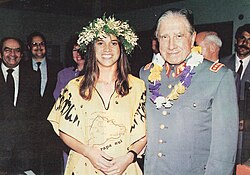
General Pinochet with a Rapanui woman.
CEMA Chile in 1975.
José Piñera Echenique, Labour and Social Forecast Minister between 1978 and 1980.
項目 詳細
期間 1973年 〜 1990年
指導者 アウグスト・ピノチェト
政治的特徴 軍事評議会による独裁、人権弾圧、1980年憲法
経済的特徴 新自由主義、民営化、市場開放(シカゴ・ボーイズ)
民主化の契機 1988年国民投票での「No」の勝利

Frequently Asked Questions

ピノチェト政権はどのようにして始まったのですか?

1973年9月11日、アウグスト・ピノチェト将軍率いる軍部がクーデターを起こし、社会主義的な政策を推進していたサルバドール・アジェンデ大統領の政権を転覆させたことで始まりました。

「シカゴ・ボーイズ」とは誰のことですか?

米国シカゴ大学で経済学を学んだチリ人経済学者たちのグループです。彼らはピノチェト政権下で、自由市場経済の導入や規制緩和、民営化などの新自由主義的な経済改革を主導しました。

人権侵害の実態はどのようなものでしたか?

国家情報局(DINA)などの秘密警察により、政治的反対派に対する組織的な拷問、殺害、および「強制失踪(行方不明にすること)」が行われました。また、軍による偽装戦闘などの虐殺も報告されています。

どのようにして独裁政権は終わったのですか?

1988年に実施された国民投票において、ピノチェト大統領の任期延長に反対する「No」の選択肢が多数を占めたため、軍は結果を受け入れ、1990年に民選大統領への政権移行が行われました。

この政権が現代のチリに与えた影響は何ですか?

経済面では市場経済の基盤が築かれましたが、同時に深刻な社会格差を生む要因となりました。また、人権侵害の記憶は今なお社会的な分断や、過去の清算を求める運動として残っています。

References

  1. According to lifelong operative , although it was widely reported that the CIA was directly involved in orchestrating and carrying out the coup, subsequently released sources suggest a much reduced role of the .
  2. El Mercurio received funds from the in the early 1970s to undermine the Socialist government of Salvador Allende, acting as a mouthpiece for anti-Allende .(p. 91-92)

📸 フォトギャラリー

Book burning in Chile following the 1973 coup that installed the Pinochet regime
Women of the Association of Families of the Detained-Disappeared demonstrate in front of La Moneda Palace during the Pinochet military regime.
DINA's torture center at José Domingo Cañas 1367
Some funeral urns of political activists executed by the Chilean military dictatorship, from 1973 to 1990, in the cemetery of Santiago
The Military Junta by 1985.
CEMA Chile in 1975.
Peaceful protest against Pinochet, 1985
Pinochet at the 1976 Te Deum in the Santiago Metropolitan Cathedral. Seen from behind is Cardinal Raúl Silva Henríquez.
Protesters in O'Higgins Park, Santiago, on May 1, 1984
Estadio Nacional de Chile as a concentration camp after the coup
José Piñera Echenique, Labour and Social Forecast Minister between 1978 and 1980.
Chilean (orange) and average Latin American (blue) rates of growth of GDP (1971–2007)
Dr. Fernando Monckeberg championed policies to combat child malnutrition in Chile.
In 1976, construction began of the Carretera Austral to connect large parts of the Southern Zone of Chile by land.
The National Congress of Chile Building in Valparaíso around 1988 during its construction.
General Pinochet with a Rapanui woman.
The Beagle Conflict and its maritime projection.
Orlando Letelier, a former Chilean minister, was assassinated in Washington, D.C. in 1976.
Pinochet meeting with U.S. President Jimmy Carter in Washington, D.C., September 6, 1977
The United States senator Edward "Ted" Kennedy promoted an arms embargo against Latin American military dictatorships, affecting Chile during a period of strong regional tension with its neighbors.
Charango, a musical instrument banned by the dictatorship
Symbol of the "Yes" option.
Main logo of the No campaign, el arcoíris (the rainbow)
Memorial to the people who were disappeared during the Pinochet's regime