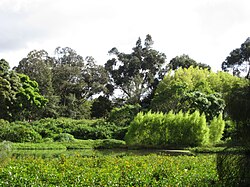
Citizen science can inspire scientific curiosity and help contextualize scientific discoveries by linking research findings to observations made in natural environments.[1]
← ホームへ戻る

シチズンサイエンスが切り拓く科学の未来市民参加型研究の仕組みと可能性

🗓 2026年8月9日

科学研究は、かつては専門的な訓練を受けた研究者だけが担う閉ざされた領域でした。しかし現在、シチズンサイエンス市民科学というアプローチにより、その境界線が大きく広がっています。これは、一般市民やアマチュア研究者が、専門家と協力して科学的な探究を行う活動のことです。生態学から天文学、医学に至るまで、幅広い分野でこの手法が取り入れられており、科学の民主化と研究の加速を同時に実現しています。

シチズンサイエンスの最大の魅力は、個々の研究者では不可能な規模でのデータ収集を可能にすることです。自然環境での観察を研究結果に結びつけることで、科学的な好奇心を刺激し、発見に具体的な文脈を与えることができます。

Citizen science can inspire scientific curiosity and help contextualize scientific discoveries by linking research findings to observations made in natural environments.[1]

Key Facts

  • 多様な参加層:専門家ではない一般市民、アマチュア研究者、学生などが幅広く参加する。
  • 広範な適用分野:生物学、環境保全、健康・医療、天文学、情報科学など多岐にわたる。
  • 研究の効率化:膨大なデータの収集や分類をクラウドソーシング的に行うことで、研究能力を飛躍的に向上させる。
  • 教育的価値:科学的プロセスへの理解を深め、環境問題などの社会課題への意識を高める。
  • 現代的ツール:スマートフォンやインターネットの普及により、リアルタイムでのデータ共有が可能になった。

シチズンサイエンスの役割と多様なアプローチ

シチズンサイエンスの形態は、参加者がどの程度研究に関与するかによって異なります。単にデータの収集を依頼される「寄与型」から、研究課題の策定から共同で行う「共同創造型」まで、そのスペクトラムは広いです。

データの収集と分類

最も一般的な形態は、ボランティアがフィールドワークで観察した結果を報告したり、デジタルデータ(画像など)を分類したりすることです。これにより、広大な地域や長い期間にわたる傾向を把握することが可能になります。例えば、野生動物の個体数調査や、天体画像の解析などが挙げられます。
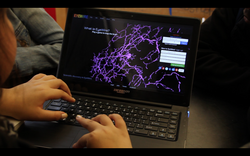
This is a picture of an open laptop on a desk.  The student using the laptop is not pictured but you can see one hand on the keyboard and one hand on the mouse pad as if they are in the middle of using the computer.  The website on the laptop says EyeWire in rainbow colors at the upper left of the screen and there is a menu option bar across the top of the webpage.  The webpage has a black background with a large picture of what appears to be a neuron structure (which looks like branches of purple squiggly lines coming from a small, spherical component).  To the right of the screen is where you enter login information and the top left it says, "What is EyeWire? Play a game to map the brain."
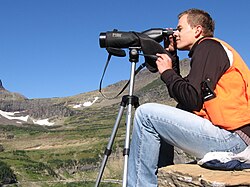
Scanning the cliffs near Logan Pass for mountain goats as part of the Glacier National Park Citizen Science Program

コミュニティ主導の研究

住民自らが地域の環境汚染や健康被害などのリスクを調査し、解決策を模索するケースもあります。これは「人々のための科学」としての側面が強く、地域社会の課題解決に直結します。
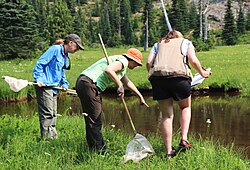
There are three people standing in tall grass with some white wildflowers in a forested area looking over at a small pond.  The person on the right is holding a notepad and pen, the other two people to the left are holding nets with long handles.  The person in the center with a net is leaned over the furthest and has one hand pointing at the pond. The image source said he spotted a frog, although the he frog is not visible in this image.
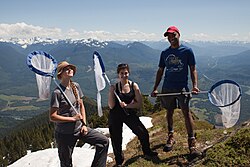
Members of the Cascades Butterfly Citizen Science Team pictured on Sauk mountain

教育と社会への浸透

学校のカリキュラムにシチズンサイエンスを組み込むことで、生徒は教科書上の知識ではなく、実際の研究プロセスを通じて科学を学びます。また、近年では図書館がコミュニティの拠点となり、市民が科学に参加するためのサポートを提供しています。
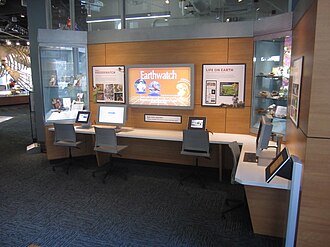
Citizen Science Center exhibit in the Nature Research Center wing of the North Carolina Museum of Natural Sciences

分野別の活用事例とテクノロジーの進化

シチズンサイエンスは、伝統的な観察分野から最先端のデジタル解析まで、あらゆる領域で成果を上げています。

自然科学と生物多様性

鳥類観察(オーニソロジー)や蝶のカウント、サンゴ礁や淡水魚の調査など、生物多様性のモニタリングに大きく貢献しています。これらのデータは、世界生物多様性情報施設(GBIF)などの国際的なデータベースに集約され、地球規模の環境変化の分析に利用されています。
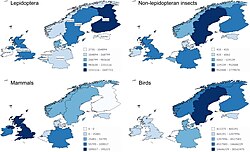
Distribution of citizen science data published to the Global Biodiversity Information Facility (GBIF) by taxa for countries in Northern Europe
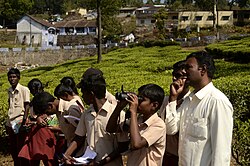
Birdwatching in India JEG0901
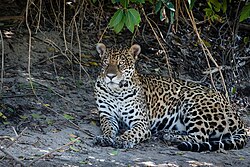
A jaguar in Pantanal; an example of Brazilian biodiversity

宇宙と地球物理学

アマチュア天文家は、自作の機材を用いて高度な観測を行い、専門家と共に宇宙の構造を解明しています。また、地震学や水文学においても、市民が設置したセンサーによるデータ収集が行われています。
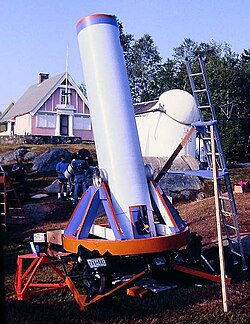
Amateur astronomers can build their own equipment and can hold star parties and gatherings, such as Stellafane.
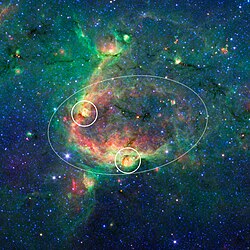
A NASA/JPL image from the Zooniverse's The Milky Way Project showing a hierarchical bubble structure

現代の課題:汚染とパンデミック

プラスチック汚染の現状把握や、COVID-19パンデミック時の症状報告など、緊急性の高い社会課題に対しても、市民のネットワークが迅速なデータ収集を可能にしました。
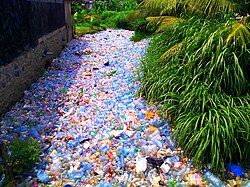
Plastic pollution in Madagascar

世界各地での展開

この活動は世界中で展開されており、地域ごとの特性に応じたプロジェクトが進んでいます。

  • アフリカ:キリンの保全活動や、ナイジェリアでの鳥類保全など、野生動物の保護に活用されています。
  • アジア:日本のサフキャスト(Safecast)のような放射線量測定や、インドでの生物多様性調査が行われています。
  • ラテンアメリカ:ブラジルのパンタナールにおける生物多様性調査や、南米の湿地帯マッピングが進んでいます。
  • ヨーロッパ:EU主導の賞を設けるなど、制度的な支援体制が整っており、市民のエンパワーメントが進んでいます。

Snapshot Serengeti classifies animals at the Serengeti National Park in Tanzania.
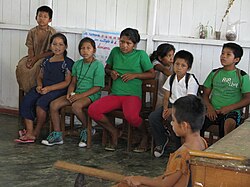
Asháninka children in school
Córdoba wetland

シチズンサイエンスの概要まとめ

シチズンサイエンスの構成要素
項目 内容 主な目的
参加形態 寄与型、参加型、共同創造 研究リソースの拡大と民主化
主要分野 生態学、天文学、公衆衛生、環境科学 広域・長期的なデータ収集
活用ツール スマートフォン、オープンソースハードウェア、Webプラットフォーム データ収集の効率化とリアルタイム共有
社会的価値 科学リテラシーの向上、環境意識の醸成 社会課題の解決と教育的発展

プロジェクトの進行プロセスは、課題の定義からデータの収集、分析、そして結果の社会還元というサイクルで構成されます。
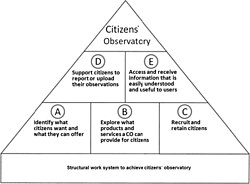
Sequential aspects of a Citizens' Observatory programme

Frequently Asked Questions

専門知識がなくても参加できますか?

はい、可能です。多くのプロジェクトでは、参加者が行うべき作業(写真撮影やアプリへの入力など)が明確にガイドされており、専門知識がなくても貢献できるよう設計されています。

シチズンサイエンスで集めたデータの信頼性はどのように担保されますか?

データの検証プロセス(複数の参加者によるクロスチェック)や、専門家によるサンプリング確認、統計的なフィルタリングなどの手法を用いて、データの精度を確保しています。

参加することでどのようなメリットがありますか?

科学的な発見に直接関与できる達成感に加え、自然環境や社会問題への理解が深まります。また、学校教育の一環として参加することで、実践的な科学的手法を学ぶことができます。

どのようなツールを使えば参加できますか?

多くの場合、専用のスマートフォンアプリやWebサイトを通じて参加します。また、一部のプロジェクトではオープンソースのセンサーなどのハードウェアを利用することもあります。

References

  1. Also known as community science, crowd science, crowd-sourced science, civic science, participatory monitoring, or volunteer monitoring.

📸 フォトギャラリー

Citizen science can inspire scientific curiosity and help contextualize scientific discoveries by linking research findings to observations made in natural environments.[1]
This is a picture of an open laptop on a desk.  The student using the laptop is not pictured but you can see one hand on the keyboard and one hand on the mouse pad as if they are in the middle of using the computer.  The website on the laptop says EyeWire in rainbow colors at the upper left of the screen and there is a menu option bar across the top of the webpage.  The webpage has a black background with a large picture of what appears to be a neuron structure (which looks like branches of purple squiggly lines coming from a small, spherical component).  To the right of the screen is where you enter login information and the top left it says, "What is EyeWire? Play a game to map the brain."
Scanning the cliffs near Logan Pass for mountain goats as part of the Glacier National Park Citizen Science Program
There are three people standing in tall grass with some white wildflowers in a forested area looking over at a small pond.  The person on the right is holding a notepad and pen, the other two people to the left are holding nets with long handles.  The person in the center with a net is leaned over the furthest and has one hand pointing at the pond. The image source said he spotted a frog, although the he frog is not visible in this image.
Members of the Cascades Butterfly Citizen Science Team pictured on Sauk mountain
Amateur astronomers can build their own equipment and can hold star parties and gatherings, such as Stellafane.
Distribution of citizen science data published to the Global Biodiversity Information Facility (GBIF) by taxa for countries in Northern Europe
Citizen Science Center exhibit in the Nature Research Center wing of the North Carolina Museum of Natural Sciences
A NASA/JPL image from the Zooniverse's The Milky Way Project showing a hierarchical bubble structure
Sequential aspects of a Citizens' Observatory programme
Plastic pollution in Madagascar
Snapshot Serengeti classifies animals at the Serengeti National Park in Tanzania.
Birdwatching in India JEG0901
Asháninka children in school
A jaguar in Pantanal; an example of Brazilian biodiversity
Córdoba wetland