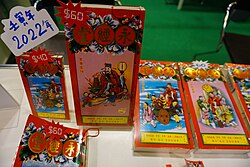
中国の伝統的な暦である農暦(nónglì)は、単なる日付の記録手段ではなく、農業のサイクルや天文学的な観測、そして深い精神的な信仰が融合した高度なシステムです。月と太陽の両方の動きを組み合わせて計算する「太陰太陽暦」を採用しており、自然の移ろいと人間の生活を調和させる役割を果たしてきました。
現代でも、旧正月(春節)などの重要な行事や、吉日を選ぶための指針として、この伝統的な暦は広く活用されています。
Key Facts
- 太陰太陽暦の採用:月の満ち欠け(太陰)を基本としつつ、太陽の動き(太陽)で季節を補正する仕組み。
- 閏月の導入:約3年に一度「閏月」を加えることで、太陽年とのズレを解消している。
- 二十四節気:太陽の黄道上の位置に基づき、1年を24に分けた季節の指標。
- 干支システム:10の天干と12の地支を組み合わせた60年周期のサイクルで年や日を表記する。
- 天文学的基礎:古代から影の長さの測定や星の観測を通じて、精緻な暦法が発展した。
中国暦の歴史的変遷と発展
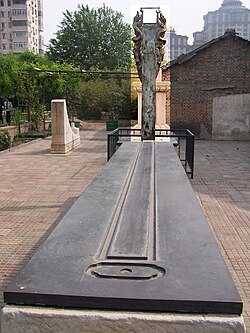
中国における暦の歴史は非常に古く、初期には太陽の動きを基準とした太陽暦や、月の周期を重視した太陰暦が混在していました。古代中国では、垂直な棒と水平な定規を用いて影の長さを測ることで、冬至の決定や1年の長さを算出していました。
甲骨文字の時代には、1年を12〜14ヶ月とする「調暦(ちょうれき)」のような形式が見られ、冬至の後の月を正月とする習慣がありました。

王朝ごとの暦法改革
時代が進むにつれ、暦は政治的な権威の象徴となり、各王朝で精度向上のための改革が行われました。例えば、漢の武帝時代に導入された太初暦(たいしょれき)では、19年周期で7回の閏月を挿入するメトン周期に近い概念が導入され、太陽年と太陰月の計算がより厳密になりました。
その後、元代の「授時暦」や明・清代の「時憲暦」へと進化し、現代の伝統的な暦の基礎が完成しました。2017年には中国国家標準(GB/T 33661–2017)として、その計算方法と公布に関する基準が明確に定義されています。
暦を構成する主要な要素
太陰太陽暦の構造
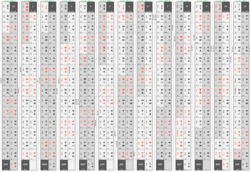
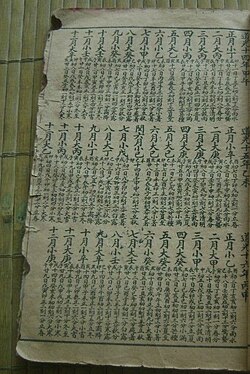
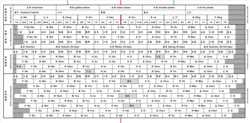
中国暦の基本単位である「月」は、新月から次の新月までの約29.5日(朔望月)に基づいています。そのため、1ヶ月は29日の「小月」か30日の「大月」となります。しかし、12ヶ月だけでは約354日となり、実際の太陽年(約365.24日)と約11日の差が生じます。このズレを修正するために、約3年に一度、13番目の月である閏月(じゅんげつ)を挿入します。
二十四節気と季節の指標
農業に不可欠な季節の把握には、太陽の動きに基づいた「二十四節気」が用いられます。これは立春から始まり、冬至に至るまで、1年を24の区分に分けたものです。これにより、太陰暦の月がずれても、正確な播種や収穫の時期を知ることができました。
時間と曜日の概念
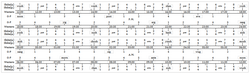
伝統的な時間管理では、1日を12の地支(子・丑・寅など)で分ける「十二時辰」が使われていました。また、古代の星宿に基づいた28日周期のサイクルや、後に導入された七曜(日・月・火・水・木・金・土)の概念も組み込まれています。
天文学的視点:星宿と干支
二十八宿の体系
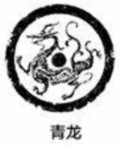
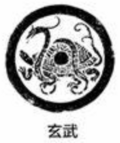
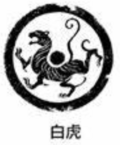
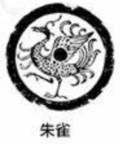
中国の天文学では、空を4つの象徴(青龍、白虎、朱雀、玄武)に分け、さらに28のグループ(宿)に分類して星を観測しました。これは方位や季節、さらには運勢を占うための重要な指標となりました。
干支(十干十二支)
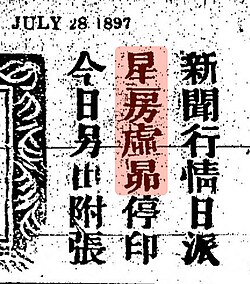
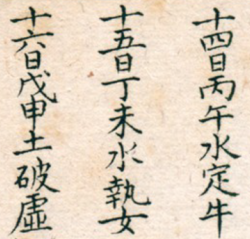
10種類の「天干」と12種類の「地支」を組み合わせた六十甲子は、年、月、日、時のすべてに割り当てられます。これにより、単なる数字ではなく、固有の性質を持つサイクルとして時間を捉えることができます。
中国暦のまとめ
| 要素 | 基準 | 目的・役割 |
|---|---|---|
| 月(太陰) | 新月から新月まで | 日付のカウント、月の満ち欠けの把握 |
| 年(太陽) | 地球の公転周期 | 季節の巡りと農業サイクルの管理 |
| 閏月 | 約3年に1回挿入 | 太陰暦と太陽年のズレの補正 |
| 二十四節気 | 太陽の黄経 | 正確な季節の変化(立春、冬至など)の特定 |
| 干支 | 60年周期の組み合わせ | 年・日・時の固有名称と周期的な分類 |
Frequently Asked Questions
中国暦は純粋な太陰暦なのですか?
いいえ、純粋な太陰暦ではなく「太陰太陽暦」です。月の満ち欠けをベースにしながらも、閏月や二十四節気を導入することで、太陽の動き(季節)と一致するように調整されています。
なぜ「農暦」と呼ばれているのですか?
この暦が古くから農業のタイミング(種まきや収穫)を決定するために不可欠なツールであったため、農業に密接に関わる暦という意味で「農暦」と呼ばれています。
閏月はどのようにして決まりますか?
基本的には、二十四節気の配置に基づいて決定されます。特定の節気が月の中に含まれない場合などに、その月を繰り返すことで調整が行われます。
二十四節気と太陰暦の月の関係は?
二十四節気は太陽の動きに基づいているため、日付は毎年ほぼ一定ですが、太陰暦の月(1月、2月など)は毎年ずれます。そのため、節気は「太陽暦的な指標」として機能しています。
干支の60年サイクルは何に使われますか?
年だけでなく、日や時にも割り当てられてきました。歴史的な記録の日付表記や、伝統的な占い、運勢の判断などに広く利用されています。
References
- The 4th-century date, according to the encyclopedia,[] is due to a reference to Fan Ning (範寧; 范宁), an astrologer of the .[]
- The renewed adoption from Manichaeans by the 8th century () is documented by the writings of the Chinese Buddhist monk and the Ceylonese Buddhist monk .[]
- Wenlin Dictionary: Picture of a fish tail.[]
- Wenlin Dictionary: 己 may have depicted on a ; an ancient meaning was 'unravel threads', which was later written 紀 jì. 己 was borrowed both for the word jǐ 'self', and for the name of the sixth Heavenly Stem (天干).[]
- Wenlin Dictionary: 壬 rén depicts "a 丨 carrying pole supported 一 in the middle part and having one object attached at each end, as always done in China" —Karlgren (1923). (See 扁担 biǎndan). Now the character 任 rèn has the meaning of carrying a burden, and the original character 壬 is used only for the ninth of the ten heavenly stems (天干).[]
- Wenlin Dictionary: 癶 "stretch out the legs" + 天; The nicely disposed grass, on which the Ancients poured the libations offered to the Manes[]
📸 フォトギャラリー